The 15Minute Whistlestop Lo Mein Speedy Satisfying Weeknight Noodles
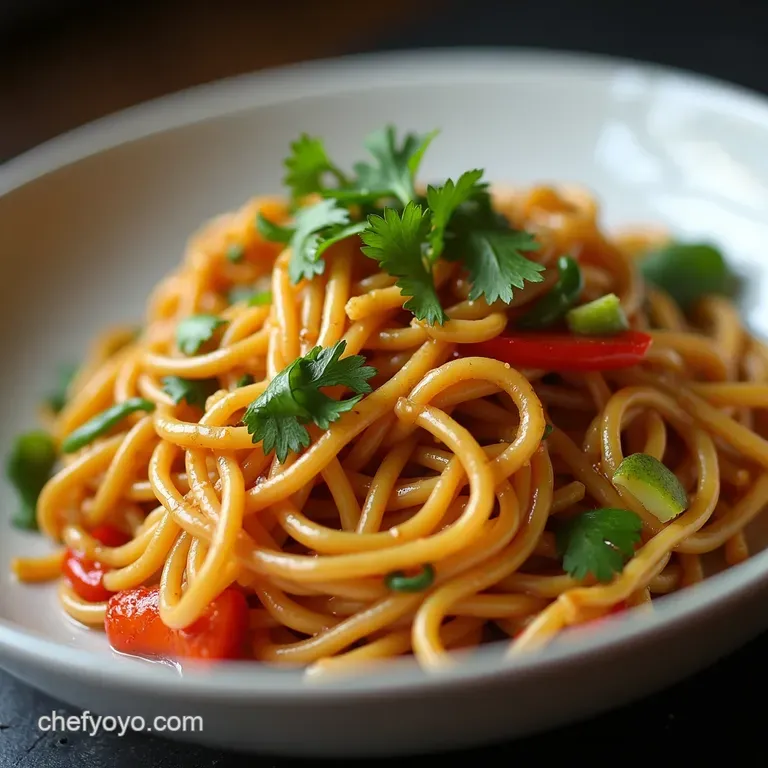
- Unlock Instant Takeout: Why This Recipe Dominates Weeknights
- The Philosophy Behind Our Rapid Noodle Creation
- Assembling Your Speedy Lo Mein Arsenal
- Decoding the Signature Sauce Components
- The Assembly Line: Cooking Your Ultra-Fast Lo Mein
- Elevating Your Noodle Game: Troubleshooting and Twists
- Maximizing Enjoyment and Minimizing Waste
- Frequently Asked Questions
- 📝 Recipe Card
Unlock Instant Takeout: Why This Recipe Dominates Weeknights
There are times when the craving for perfectly sauced, wonderfully chewy noodles hits, but the thought of calling a delivery service waiting 45 minutes, paying the premium feels utterly draining.
That is precisely the scenario this Quick Lo Mein Recipe was engineered to solve. We aren’t aiming for a slow, simmering experience; we are aiming for speed, vibrancy, and authentic flavour delivered in under 20 minutes, often less.
This isn't just fast food; it’s smarter food designed for busy lives, proving that deeply satisfying Homemade Lo Mein doesn't require an evening commitment.
By focusing our efforts on high heat and precise timing, we achieve textures and tastes that usually require dedicated wok stations.
The Philosophy Behind Our Rapid Noodle Creation
The foundation of any truly great stir fry rests on preparation and temperature management. When aiming for a 15 Minute Lo Mein , you must embrace the chaos of controlled speed. We strip away any step that adds unnecessary waiting time no long marinating periods, no complex blanching.
The goal is efficiency married to flavour impact.
Bypassing the Wait: Authentic Flavour in Minutes
Authenticity in Asian cooking often comes from wok hei , that slightly smoky, caramelized breath imparted by intensely hot metal. Achieving this quickly means using ingredients that cook rapidly and a sauce that caramelizes almost instantly upon hitting the heat.
We rely heavily on fresh aromatics like garlic and ginger, which release profound flavour in seconds, setting a powerful aromatic stage for the entire dish.
The Speed Secret: Maximizing High Heat Cooking
The secret to a successful Quick Lo Mein lies in treating your cooking vessel like a small inferno. You need a wok or skillet that can sustain very high temperatures.
By keeping the heat blazing, we ensure that moisture evaporates almost immediately, preventing the dreaded ‘steamed’ texture common in home stir fries. We sear proteins and flash cook vegetables, locking in their natural sugars and crispness, which is key to the overall satisfying mouthfeel of this Easy Lo Mein Recipe .
Why This Quick Lo Mein Tastes Better Than Delivery
Delivery noodles often suffer from sitting too long, becoming sodden or overly oily. Our methodology ensures the noodles are coated just moments before serving. The Quick Lo Mein Sauce Recipe is formulated to thicken quickly via cornstarch, adhering beautifully to the surfaces of the noodles and vegetables rather than pooling sadly at the bottom of the bowl.
This adherence maximizes every bite’s flavour payoff.
Assembling Your Speedy Lo Mein Arsenal
To pull off a sub-20-minute meal, your mise en place —everything in its place must be flawless. Since the cooking phase is so short, you cannot afford to stop stirring to mince garlic or measure soy sauce.
Dedicate ten focused minutes to preparing your components before you ignite the burner.
Related Recipes Worth Trying
- Vegetable Chop Suey with Chow Mein Crispy Noodle Fakeaway — Make authentic Vegetable Chop Suey served over crispy Chow Mein noodles in under an hour Get the foolproof technique for perfectly crisp noodles and vibrant...
- Proper Keto Egg Salad Recipe Dill Pickle Dijon Quick Lunch Prep — Our foolproof Keto Egg Salad recipe yields creamy texture and punchy flavour thanks to sharp dill pickles and Dijon A cracking quick keto lunch prep or...
- Best Chicken Piccata Weeknight Quick Zesty and Ready in 25 Minutes — Forget gloopy restaurant versions This Best Chicken Piccata Weeknight recipe is fast fresh and perfect for Chicken Piccata Pasta Ready in 25 minutes
Decoding the Signature Sauce Components
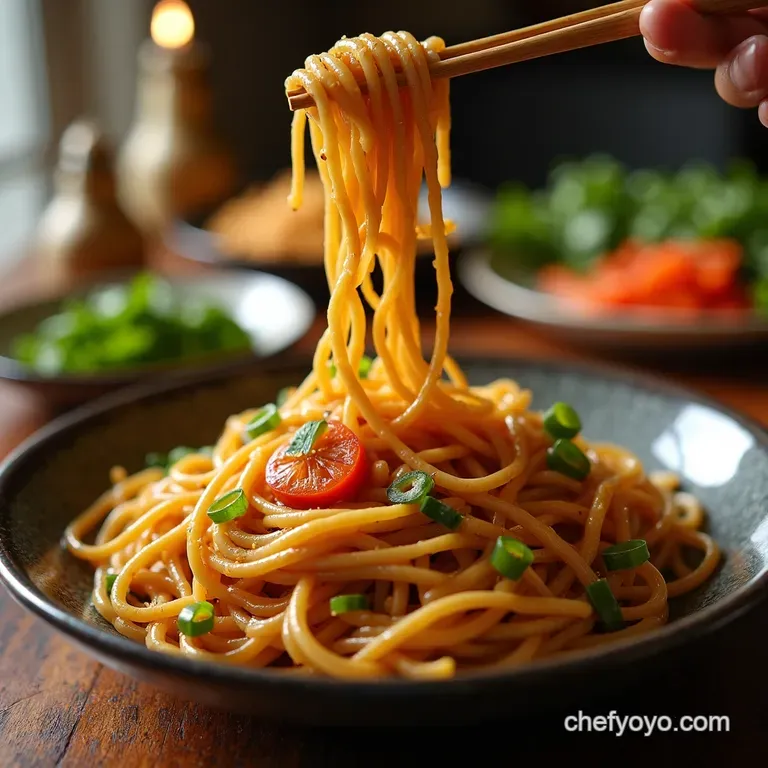
The heart of this dish is the sauce. A fantastic Quick Lo Mein Sauce balances salty, sweet, and savoury elements without becoming overpowering. For this rapid version, we’re using pantry staples that deliver maximum impact instantly.
We measure out 3 tablespoons of low-sodium soy sauce for our salty backbone, complemented by a teaspoon of dark soy sauce purely for that deep, mahogany colour evocative of great take out.
To achieve that crucial savoury depth, 1 tablespoon of oyster sauce (or vegetarian mushroom sauce as a substitute) is non-negotiable. A teaspoon of packed brown sugar cuts through the salinity, while a mere half teaspoon of cornstarch is whisked in; this small addition is vital for thickening the final coating quickly when it hits the heat.
Selecting the Right Noodle Base for Swift Cooking
For this Vegetable Lo Mein Recipe Easy approach, fresh or pre-cooked Easy Lo Mein Noodles are ideal because they require only a quick dip in boiling water to loosen up, or perhaps a minute less than the package suggests if they are dried.
If you are in a genuine pinch and have no Asian noodles on hand, slightly undercooked spaghetti or linguine will perform admirably, though the final texture won't be quite as characteristically springy.
Remember, the noodles should be pliable but slightly resistant when they go into the wok, as they finish cooking in the sauce.
Protein & Vegetable Prep: The Key to Quickness
Since we are searing quickly, all proteins whether chicken breast, shrimp, or firm tofu must be sliced thinly against the grain. Vegetables are equally important; broccoli should be broken into small, uniform florets, and carrots cut into thin matchsticks (julienned) so they cook through at the same pace as the bell peppers.
Slice the white parts of the green onions (scallions) separately from the green tops; the whites go into the heat for foundational flavour, while the greens are reserved for a fresh garnish at the end.
Achieving Umami Depth: Sauce Ingredient Ratios
The success of the Best Lo Mein Recipe often hinges on these proportions. The ratio of salty base (soy) to umami enhancer (oyster sauce) to sweetener (brown sugar) must be correct. If the sauce tastes too sharp after mixing, a tiny splash more sugar will balance it.
If it tastes flat, a drop more soy sauce brings it back to life.
Essential Wok Setup: Tools for Fast Frying
You must use the largest, heaviest pan available, ideally a seasoned carbon steel wok. If you lack a wok, use your largest, heavy bottomed skillet. Ensure your spatula or wok tool is ready for continuous, vigorous movement.
Having the toasted sesame oil measured out and ready is also critical, as it is stirred in off the heat right at the very end to preserve its delicate aroma.
The Assembly Line: Cooking Your Ultra Fast Lo Mein
With all ingredients prepped, the cooking process is a rapid fire succession of steps, clocking in at barely five minutes once the heat is on.
Phase 1: Rapid Noodle Hydration and Pre-Cook
Begin by getting your noodles into boiling water. While they soften slightly, move immediately to the sauce preparation. Once they reach that state of being just shy of fully tender, drain them instantly and toss them with a whisper of neutral oil to prevent an unappetizing sticky clump when they meet the wok.
Phase 2: Flash Searing Your Protein and Aromatics
Heat your wok until it shimmers, signalling readiness for high heat cooking. Add 1 tablespoon of high smoke-point oil (like peanut or canola). If using protein, sear it quickly about 2 minutes until lightly coloured, then remove it entirely.
Now, add the remaining oil and introduce the garlic, ginger, and the white parts of the green onions. Stir them ceaselessly for no more than 30 seconds until their fragrance blooms; vigilance here prevents burning.
Next, toss in the hardier vegetables (broccoli and carrots) and stir fry for a full 60 seconds, followed by the quicker cooking red pepper for another 30 seconds. The vegetables should retain a vibrant snap.
Integrating the Quick Lo Mein Sauce Under Pressure
Return your seared protein to the vegetables. Give your pre-mixed sauce a final, vigorous whisk to ensure the cornstarch hasn't settled, and pour it directly over the contents of the wok. Now, add the pre-cooked noodles.
The Final Toss: Achieving Even Coating and Heat Distribution
This is where timing separates the good Quick Lo Mein from the great. Toss everything constantly and energetically for 60 to 90 seconds. You will see the sauce bubble up and rapidly cling to every strand of noodle and piece of vegetable due to the high heat reacting with the starch.
As soon as the sauce is thick, glossy, and evenly distributed, pull the wok off the heat immediately. Stir in the teaspoon of toasted sesame oil and the majority of the reserved green onion tops.
Elevating Your Noodle Game: Troubleshooting and Twists
Even in the fastest cooking scenarios, minor adjustments can drastically improve the final product. If your sauce seems too thin upon initial addition, it means your heat wasn't quite high enough or you didn't whisk enough cornstarch prior.
Remedy this by allowing it to cook for 30 seconds longer, continuously stirring. Conversely, if the sauce tightens up too quickly and becomes gummy, add a tablespoon of reserved noodle water or plain hot water immediately to loosen it back into a glossy coating.
Vegetable Swaps: Ingredient Substitutions That Work Instantly
The beauty of this framework is its adaptability. For instant flavour, you can use pre-shredded coleslaw mix (without the dressing packet, of course) to replace the cabbage and carrots, saving chopping time.
Bean sprouts are another excellent, fast cooking addition toss them in during the last 15 seconds of cooking only, as they wilt almost instantly. This flexibility makes it an adaptable Vegetable Lo Mein Recipe Easy choice any night of the week.
Pro-Tips for Storing Leftover Lo Mein
While best eaten fresh, if you have leftovers, store them in an airtight container. When reheating, avoid the microwave if possible, as it tends to make noodles tough. Instead, reheat gently in a non-stick pan over medium heat, adding a tiny splash of water or chicken broth to help steam the noodles back to life and loosen the sauce.
Protein Variations: From Tofu to Shrimp in a Dash
If you opt for shrimp, they only require about 90 seconds of searing before they turn pink and are ready to be removed. For tofu, press it very well to remove excess water, cube it, and consider tossing the cubes in a tiny sprinkle of cornstarch before searing; this helps create a light crust that holds up beautifully to the intense sauce coating.
This agility ensures your journey to Homemade Lo Mein remains fast, no matter your protein preference.
Maximizing Enjoyment and Minimizing Waste
Serving this immediately is key to enjoying the perfect texture marriage between the slightly crisp vegetables and the perfectly coated, tender noodles. A final scattering of toasted sesame seeds or a drizzle of Sriracha offers textural contrast and added piquancy to elevate your already speedy experience.
Enjoy the fact that you've bypassed the phone order queue and created something superior right on your stovetop!
Frequently Asked Questions
My Quick Lo Mein noodles always end up a bit gummy or clumpy; what am I doing wrong?
That's a classic noodle mishap! Ensure you're cooking them slightly underdone (al dente), then drain them immediately and toss them with just a tiny drizzle of oil before they hit the wok. This stops them from sticking together in a big heap while you prep the rest of the dish.
Remember, they finish cooking in the sauce, so don't let them get too soft initially.
How can I make this Quick Lo Mein recipe spicier, or can I swap out the veggies?
For a proper kick, throw in some Sriracha or a pinch of dried chilli flakes directly into your sauce mixture it’s the easiest way to introduce heat! Absolutely, you can swap veggies; just remember to keep the harder ones (like carrots and broccoli) in the pan a bit longer than softer ones (like cabbage or snow peas) to ensure everything cooks evenly.
I don't have a wok; can I still achieve that nice seared flavour?
Yes, you can, but you’ll need a very large, heavy bottomed skillet, and critically, you must get it smoking hot before adding any oil. The key to Lo Mein flavour is high heat; if the pan isn't hot enough, the ingredients will steam rather than sear, resulting in a rather soggy outcome.
Also, cook in smaller batches if necessary to maintain that high temperature!
Can I prepare the sauce for this Quick Lo Mein ahead of time, and how should I store leftovers?
The sauce mixture keeps brilliantly in the fridge for up to three days in an airtight container just give it a good whisk before use, as the cornstarch settles. For leftovers, store them in the fridge for up to two days; when reheating, splash in a tablespoon of water or stock, as the noodles tend to soak up all the moisture overnight.
My sodium intake is a bit high, what’s the best way to cut down the saltiness in the final dish?
That's sensible thinking; soy sauce is certainly a salt champion! To keep the flavour depth while lowering sodium, use low-sodium soy sauce for the majority of your measurement, and consider using mushroom sauce instead of oyster sauce if you're concerned about hidden salts.
You can always add a tiny pinch of salt right at the end if needed, but you can’t take it away once it’s in!
15minute Quick Lo Mein
Ingredients:
Instructions:
Nutrition Facts:
| Calories | 4435 kcal |
|---|---|
| Protein | 32.5 g |
| Fat | 66.4 g |
| Carbs | 205.3 g |
| Fiber | 34.1 g |
| Sodium | 6628 mg |
