Alaska Sushi Roll Recipe
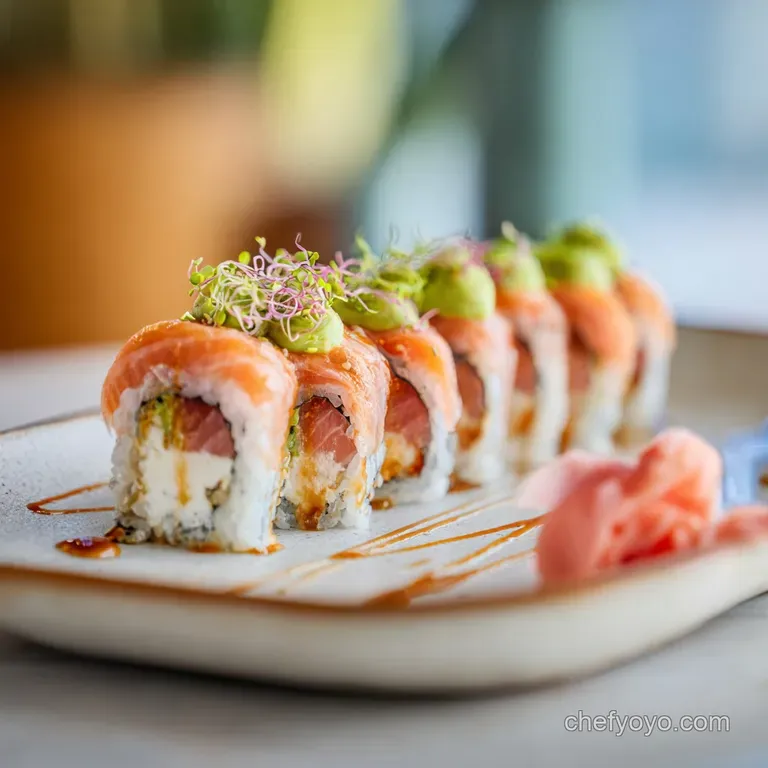
- Time: Active 20 minutes, Passive 10 minutes, Total 30 minutes
- Flavor/Texture Hook: Velvety salmon meeting crisp cucumber
- Perfect for: Date night or an impressive weekend lunch
- Mastering the Fresh and Creamy Alaska Sushi Roll
- The Science of Balanced Sushi Texture
- Component Analysis and Structural Roles
- Essential Elements and Possible Swaps
- Crucial Tools for Sushi Precision
- Step-by-Step Construction of the Roll
- Solving Common Sushi Rolling Challenges
- Adjusting for Different Batch Sizes
- Creative Flavors and Dietary Adaptations
- Debunking Sushi Myths
- Freshness Standards and Storage Methods
- Plating for High Visual Impact
- Recipe FAQs
- 📝 Recipe Card
Mastering the Fresh and Creamy Alaska Sushi Roll
You know that specific, clean aroma that hits you the second you walk into a high end sushi bar? It’s that sharp tang of seasoned rice vinegar mingling with the cold, metallic scent of fresh fish. Honestly, I spent years thinking that smell was a "restaurant secret" I could never replicate at home.
I used to settle for soggy takeout, but then I realized the Alaska Sushi Roll is actually the ultimate gateway for any home cook looking to level up.
Last Friday, I invited a few friends over and we decided to skip the usual pizza. I pulled out the bamboo mat, some sashimi grade salmon, and started fanning the rice. There’s something so therapeutic about the way the grains glisten once that vinegar hits them.
We spent the evening experimenting with the "inside out" technique, and let me tell you, when you finally drape that translucent slice of salmon over the top and it just... clings perfectly? It’s a total rush.
We’re moving past the basic California roll today and going straight for that silky, salmon topped luxury.
This recipe isn't just about rolling fish in rice; it’s about the architecture of the bite. We’re balancing the sweet salty surimi with the high fat content of the avocado and salmon. If you've ever felt intimidated by raw fish, this is the place to start.
The cucumber provides that essential "shatter" in every mouthful, preventing the creaminess from feeling heavy. Trust me, once you nail the rice to filling ratio, you’ll never look at a sushi menu the same way again.
The Science of Balanced Sushi Texture
Starch Retrogradation Control: By folding the vinegar sugar salt mixture into the rice while it’s hot, we coat each grain in a thin film that prevents them from hardening too quickly as they cool.
This keeps the rice "shari" supple and prevents that dreaded gritty texture found in grocery store rolls.
Lipid Acid Synergism: The high fat content in the Atlantic salmon and avocado creates a coating on the palate that can dull other flavors; the acetic acid in the rice vinegar cuts through this fat, brightening the entire profile. It acts as a chemical palate cleanser within the same bite.
Protein Denaturation Inhibition: Keeping the salmon chilled until the exact moment of slicing ensures the muscle fibers remain tight and "snappy" rather than mushy. This thermal contrast between the room temperature rice and the cold fish creates a more complex sensory experience.
| Fish Quality | Avg. Cost | Texture Profile | Best Use Case |
|---|---|---|---|
| Sashimi Grade Salmon | $25-30/lb | Buttery, melting, clean | Topping the Alaska Sushi Roll for a premium feel. |
| Smoked Salmon | $15-20/lb | Firm, salty, smoky | A "New York" style fusion with cream cheese. |
| Imitation Crab (Surimi) | $5-8/lb | Shredded, fibrous, sweet | The core filling that provides structural bulk. |
Choosing the right protein is the first fork in the road for any homemade Alaska roll. While the surimi provides that nostalgic, sweet savory base, the quality of your salmon topping defines the final result.
If you’re nervous about raw fish, the smoked option is a solid "safety" pick, but it will significantly change the salt balance of the dish.
Component Analysis and Structural Roles
| Ingredient | Science Role | Pro Secret |
|---|---|---|
| Sushi Rice | Amylopectin rich binder | Rinse until the water is crystal clear to remove excess surface starch. |
| Rice Vinegar | Structural stabilizer | Use high-quality brewed vinegar to avoid a harsh "chemical" aftertaste. |
| Nori Seaweed | Tensile strength | Toast the shiny side briefly over a flame to wake up the umami. |
| Kewpie Mayo | Emulsified fat bridge | The egg yolk only base adds a deeper golden richness than standard mayo. |
Essential Elements and Possible Swaps
To get that authentic restaurant finish, your Alaska roll ingredients need to be prepped before you even touch the rice. Mise en place is everything in the world of sushi.
- 1.5 cups Sushi Rice (Koshihikari or Calrose): Why this? High starch content creates the necessary stickiness for rolling. (Swap: Medium grain white rice in a pinch, though it’s less "stretchy").
- 2 cups Water: Pure filtered water ensures no chlorine taste interferes with the delicate fish.
- 3 tbsp Rice Vinegar: The soul of the rice. (Swap: Apple cider vinegar mixed with a pinch more sugar).
- 1 tbsp Granulated Sugar: Balances the acidity.
- 0.5 tsp Sea Salt: Enhances the natural sweetness of the rice.
- 3 sheets Nori seaweed, halved: The skeleton of the roll.
- 0.5 cup Imitation Crab (Surimi), shredded: Provides a stable, sweet core. (Swap: Real lump crab meat for a massive flavor upgrade).
- 1 tbsp Kewpie Mayo: Why this? Its MSG rich profile rounds out the surimi perfectly.
- 1 large Avocado, thinly sliced: Adds the "velvety" mouthfeel.
- 1 English Cucumber, julienned: Provides the "shatter" and water content. (Swap: Persian cucumbers if English are unavailable).
- 6 oz Sashimi grade Atlantic Salmon, thinly sliced: The star topping. (Swap: Steelhead trout if you want a leaner, firmer bite).
- 1 tsp Toasted Sesame Seeds: Adds a subtle nutty aroma.
Chef's Tip: Freeze your block of salmon for just 10 minutes before slicing. This firms up the fat, allowing you to get those paper thin, professional looking drapes without the fish tearing under the knife.
Crucial Tools for Sushi Precision
You don't need a thousand gadgets, but a few specific items make this easy Alaska roll possible. A bamboo rolling mat (makisu) is non negotiable. I recommend wrapping yours in plastic wrap; it prevents the rice from sticking to the slats and makes cleanup a breeze.
You’ll also want the sharpest knife in your kitchen ideally a long, thin blade. A dull knife will "smush" the roll during the final cut, squeezing out all that beautiful avocado. Finally,, keep a bowl of "Tezu" (water mixed with a splash of vinegar) nearby.
Dipping your fingers in this prevents the rice from becoming a sticky mess on your hands. It’s the difference between a clean roll and a kitchen disaster.
step-by-step Construction of the Roll
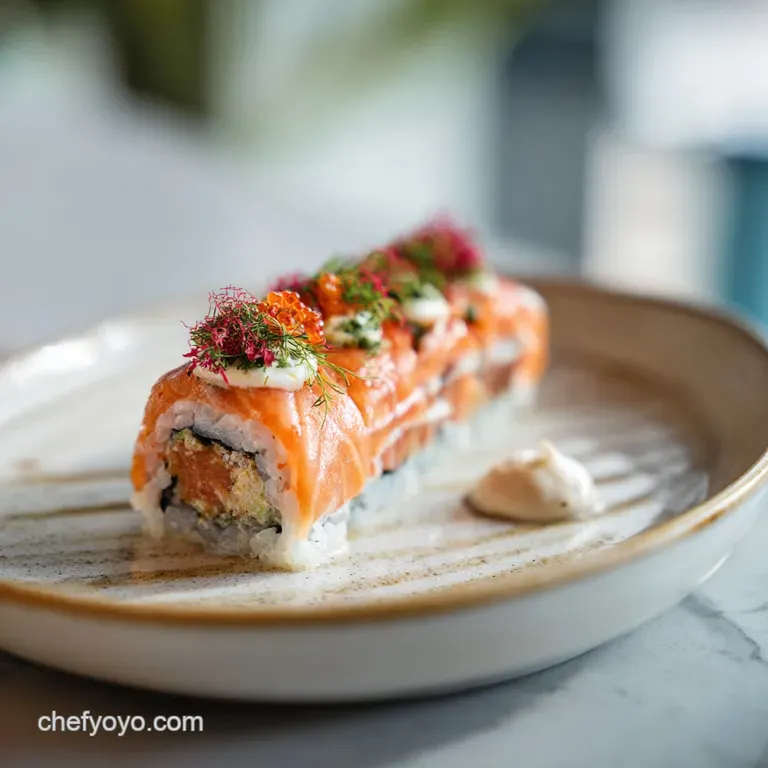
Prepping the Foundation
- Rinse the rice. Swirl the 1.5 cups of sushi rice in cold water, draining and repeating 4-5 times until the water is no longer cloudy.
- Cook the rice. Combine rice and 2 cups of water in a pot; bring to a boil, then simmer on low for 15 minutes until all water is absorbed and grains are tender.
- Season the shari. While the rice is hot, fold in the rice vinegar, sugar, and salt using a slicing motion with a wooden spatula until the rice looks glossy and smells sharply vinegary. Note: Avoid stirring, as this can crush the grains and make them gummy.
Constructing the Core
- Prep the filling. Mix the shredded surimi with the Kewpie mayo in a small bowl.
- Set the Nori. Place a half sheet of Nori on your plastic wrapped bamboo mat, shiny side down.
- Spread the rice. Wet your fingers with Tezu and spread about 0.5 cups of rice over the Nori until it reaches the very edges, leaving no gaps.
- Flip and fill. Carefully flip the Nori so the rice is facing down. Lay a line of the surimi mixture, cucumber julienne, and avocado slices across the center.
Applying the Salmon Veil
- Roll it up. Using the mat, tuck the Nori over the filling and roll forward, applying gentle pressure until you have a tight, even cylinder.
- Drape the salmon. Lay the 6 oz of thinly sliced salmon over the top of the roll, overlapping them slightly like shingles.
- Final press and slice. Place the mat back over the salmon topped roll and give it a firm squeeze to "seat" the fish. Slice into 8 even pieces using a wet, sharp knife in one long, pulling motion.
Solving Common Sushi Rolling Challenges
Why Your Alaska Sushi Roll Falls Apart
This usually happens because the rice wasn't pressed firmly enough or the Nori was too dry. If the rice doesn't reach the absolute edges of the Nori, there's no "glue" to hold the seam together. Make sure you’re applying enough pressure with the bamboo mat don't be afraid to give it a solid squeeze!
Fixing Tattered Salmon Slices
If your salmon looks shredded rather than sleek, your knife is likely the culprit. You shouldn't "saw" through sushi. If the fish is dragging, wipe your blade with a damp cloth between every single cut. This removes the starch buildup from the rice that causes the blade to snag on the delicate salmon skin.
Eliminating Soggy Rolls
A soggy roll is usually the result of a "wet" cucumber. After julienning your English cucumber, pat the strips dry with a paper towel. English cucumbers have fewer seeds, but they still hold a lot of moisture that can seep into the Nori and turn it into a rubbery mess within minutes.
| Problem | Root Cause | Solution |
|---|---|---|
| Rice sticks to hands | High surface starch | Dip fingers in Tezu (vinegar water) before touching rice. |
| Nori is chewy | Moisture absorption | Serve immediately; don't let the roll sit for more than 15 minutes. |
| Roll is lopsided | Uneven filling distribution | Place ingredients in a tight, centered line, not scattered. |
Common Mistakes Checklist:
- ✓ Never use hot rice on the Nori; let it reach room temperature first to avoid wilting the seaweed.
- ✓ Don't overfill the roll less is more when you're aiming for that "inside out" look.
- ✓ Always use a wet knife to cut; the water creates a barrier against the sticky rice starch.
- ✓ Keep the avocado slices thin so they don't slide out during the rolling process.
Adjusting for Different Batch Sizes
When you're scaling this Alaska roll for beginners, the rice is the trickiest part. If you’re cutting the recipe in half, remember that smaller amounts of rice cook faster and can dry out easily.
Reduce your simmering time by about 2-3 minutes and keep the lid tightly sealed to trap that precious steam. For the vinegar seasoning, use exactly half; the balance of acidity is crucial and shouldn't be "eyeballed."
If you’re doubling the recipe for a party, work in batches for the rolling. Sushi rice is best used within 2 hours of seasoning. If you try to roll 10 rolls at once, the rice on the later rolls will have started to dry out, losing its "tack." For the toppings, keep the salmon in the fridge on a bed of ice until the very moment you're ready to drape it.
Creative Flavors and Dietary Adaptations
While the traditional Alaska roll vs California roll debate usually centers on the salmon topping, you can definitely take this in a fusion direction. For another twist on raw fish, you might enjoy the techniques used in my Salmon Avocado Sushi recipe.
Crafting a Baked Alaska Roll
If you prefer a warm, savory profile, you can actually bake this roll! Assemble everything as usual, but top the salmon with a mixture of Kewpie mayo and sriracha. Place the cut pieces on a parchment lined sheet and broil for 3-5 minutes until the mayo is bubbling and the salmon is opaque.
It creates a completely different, comforting aroma.
Adapting for Low Carb Diets
You can swap the sushi rice for cauliflower rice, though the rolling process becomes much harder. To make it work, mix the cauliflower rice with a little cream cheese to act as a binder. It won't have the same "chew" as traditional shari, but it hits those same flavor notes when paired with the salmon and avocado.
| Method | Time | Texture | Best For |
|---|---|---|---|
| Classic Cold | 30 mins | Fresh, silky, clean | Traditional sushi lovers. |
| Baked Style | 35 mins | Creamy, charred, rich | Those who prefer cooked fish. |
| Temaki (Hand Roll) | 15 mins | Rustic, crunchy, easy | Quick weeknight dinners without a mat. |
Debunking Sushi Myths
Myth: "Sashimi grade" is a government regulated term. In reality, the term "sashimi grade" is a marketing term used by fishmongers to indicate that the fish was handled with raw consumption in mind (usually flash frozen to kill parasites).
There is no official FDA "sashimi" grade, so the best practice is to buy from a reputable source you trust.
Myth: Sushi rice must be piping hot when rolling. Actually, putting hot rice on Nori will steam the seaweed instantly, making it tough and leathery. The rice should be seasoned while hot but allowed to cool to body temperature before it touches the Nori. This preserves the "shatter" of the seaweed.
Freshness Standards and Storage Methods
Storage: Let's be real sushi is a "right now" food. You can store leftovers in the fridge for up to 24 hours, but the rice will harden and the Nori will become soft. If you must store it, wrap the roll tightly in plastic wrap to keep the air out.
Never freeze a finished Alaska Sushi Roll; the avocado will turn brown and the rice will become a crumbly disaster.
Zero Waste: If you have leftover salmon scraps or "ugly" ends of the cucumber and avocado, don't throw them away! Chop them up, toss them with a little soy sauce and sesame oil, and serve them over any leftover rice. It’s basically a mini Deconstructed Shrimp Sushi recipe style bowl that makes for a fantastic lunch the next day.
Plating for High Visual Impact
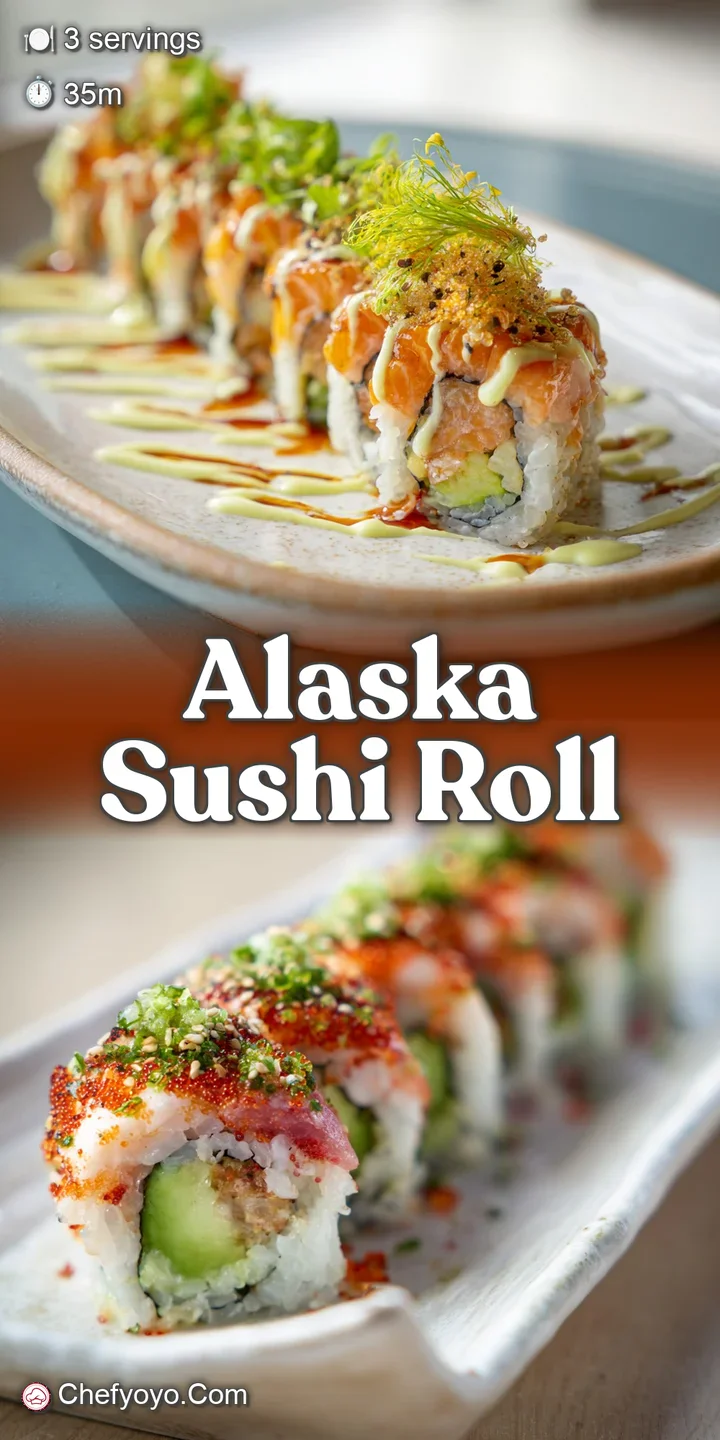
Presentation is half the battle with the Alaska roll sushi. To get that "fusion" look, plate your rolls on a dark slate or a white rectangular platter to make the orange of the salmon pop.
I like to drizzle a tiny bit of unagi sauce (eel sauce) in a zig zag pattern across the roll, then sprinkle the toasted sesame seeds from high up to ensure an even coating.
For a contemporary touch, add a small dollop of wasabi and a stack of pickled ginger on the side, but keep them separate so they don't soak into the rice. If you want to go the extra mile, garnish the plate with a few microgreens or a thinly sliced radish. The goal is to make the salmon look like the star of the show, draped elegantly over its rice foundation. If you've mastered the rice but want to try something different, check out my Mastering Sushi Rice recipe for a deeper dive into the grain itself.
Recipe FAQs
What does an Alaska roll have in it?
Salmon, avocado, and imitation crab (surimi) are the core fillings. The roll is typically topped with slices of raw salmon and sometimes drizzled with a light sauce.
Is Alaska roll cooked or raw?
It is a mix of cooked and raw components. The filling usually contains cooked imitation crab mixed with mayo, but the defining feature is the topping of fresh, raw salmon.
What is the difference between a Philadelphia roll and an Alaska roll?
Philadelphia rolls use cream cheese; Alaska rolls use avocado. Both rolls commonly feature salmon as the main fish component, providing a creamy texture contrast to the rice.
Is Alaska roll healthy?
Generally, yes, it is a relatively healthy choice. It is packed with omega-3 fatty acids from the salmon and healthy fats from the avocado, though moderation is key due to the white rice base.
Can I substitute the raw salmon with smoked salmon?
Yes, you can substitute smoked salmon. Smoked salmon is an excellent alternative if you are nervous about raw fish; it adds a much stronger, saltier flavor profile compared to fresh, raw Atlantic salmon.
How do I prevent my rice from becoming gummy when seasoning it?
Use a slicing motion with a wooden spatula instead of stirring. This gentle folding technique incorporates the vinegar mixture without crushing the starch structure of the rice grains, which is the main cause of gumminess.
How to slice the finished roll cleanly without squishing the fillings?
Dip a very sharp knife into water and wipe it clean between every single cut. A wet, clean blade creates a barrier against the sticky rice starch, allowing the knife to glide through the roll structure.
Alaska Sushi Roll Recipe

Ingredients:
Instructions:
Nutrition Facts:
| Calories | 671 kcal |
|---|---|
| Protein | 19.8 g |
| Fat | 21.2 g |
| Carbs | 92.4 g |
| Fiber | 5.6 g |
| Sugar | 5.1 g |
| Sodium | 648 mg |
