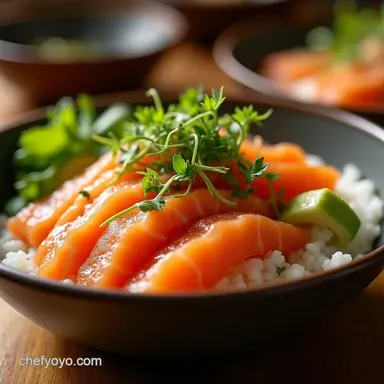
Chirashi Kickstart the Ultimate Customizable Salmon Avocado Sushi Rice Bowl
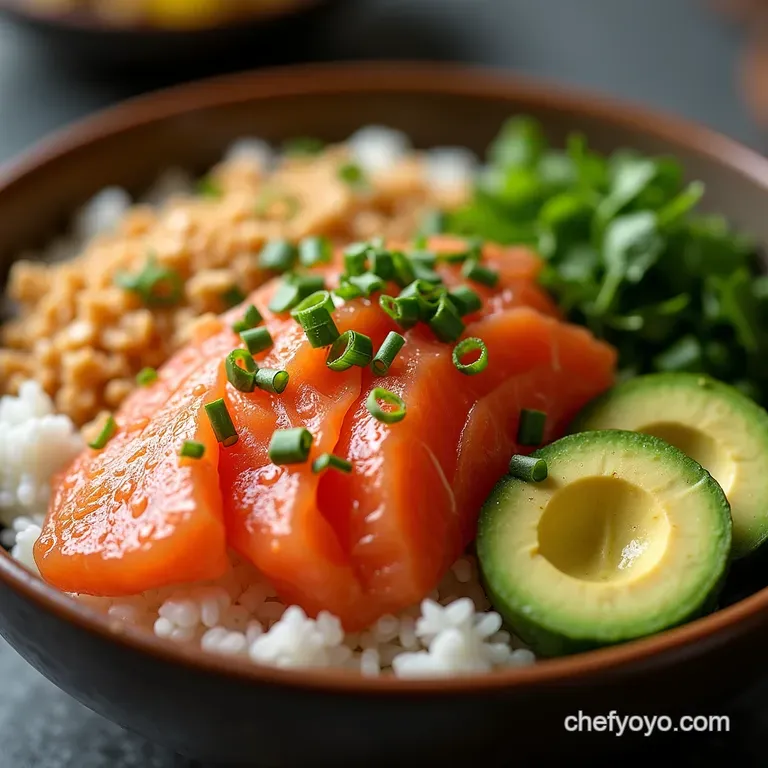
- Ditch the Mat: Why Sushi Rice Bowls Reign Supreme for Home Cooks
- The Deconstructed Delight: Unpacking the Sushi Bowl Philosophy
- Curating the Core Components: Everything You Need for Perfect Layering
- Phase One: Perfecting the Sushi Rice Base (The Non-Negotiable First Step)
- Phase Two: Assembly Aesthetics – Building Your Iconic Bowl Structure
- Elevating Textures: Final Touches for Maximum Mouthfeel
- Next-Level Customization: Transformative Twists for Your Sushi Rice Bowls
- Storage Secrets: Keeping Leftover Components Fresh
- Recipe FAQs
- 📝 Recipe Card
Ditch the Mat: Why Sushi Rice Bowls Reign Supreme for Home Cooks
Welcome to the revolution in home Japanese dining! For years, the idea of making homemade sushi conjured images of frantically rolling sticky rice inside slippery seaweed, wrestling with a bamboo mat, and inevitably ending up with slightly lopsided rolls.
But what if I told you that you could capture every bright, tangy, and deeply satisfying flavour profile of a fantastic sushi roll or Chirashi without any of the fiddly work? Enter the Sushi Rice Bowls .
This deconstructed approach takes the best elements, perfectly seasoned rice, high-quality protein, and vibrant toppings, and layers them into an infinitely customizable, easy-to-assemble meal.
Forget the rolling frustration; this Sushi Bowl Recipe is designed for immediate gratification and brilliant meal prep success.
The Deconstructed Delight: Unpacking the Sushi Bowl Philosophy
The beauty of the Japanese Rice Bowls concept lies in its simplicity and focus on ingredient quality. Rather than hiding the components within nori, we celebrate them.
Our featured recipe, the Chirashi Kickstart: The Ultimate Customizable Salmon & Avocado Sushi Rice Bowl , is proof that complexity in flavour doesn't require complexity in technique.
The difficulty level here is decidedly Easy, as the majority of our 55-minute total time is dedicated to passive cooking and cooling, not stressful assembly. We are aiming for four generous servings of pure culinary joy, where sushi satisfaction is achieved spoon-first.
Achieving That Signature Tang: Mastering the Vinegar Seasoning
The soul of any authentic sushi dish, whether rolled or served in a bowl, is the rice seasoning, or sushi-zu . This is where the magic happens. We take standard short-grain Japanese rice and marry it with a simple mixture of unseasoned rice vinegar, granulated sugar, and fine sea salt.
The key is careful, gentle incorporation while the rice is still hot, followed by quick cooling to set the flavour and achieve that essential glossy texture. This careful balance ensures the rice is bright, slightly sweet, and perfectly adhesive without being gummy, the bedrock of all Rice Bowls Recipes .
Beyond the Basics: Introducing Our Signature Salmon & Avocado Focus
To make this a truly hearty and satisfying meal, we anchor our bowl with two powerhouse ingredients: sushi-grade salmon and creamy avocado. The salmon provides rich omega-3s and that buttery mouthfeel characteristic of premium sushi.
Paired with the smooth, healthy fats of ripe avocado and the crispness of fresh cucumber, you have a textural masterpiece. This combination elevates it beyond a simple snack into one of the best Healthy Bowls Recipes you’ll incorporate into your routine.
Speed Meets Satisfaction: Blueprint for Your Weeknight Sushi Rice Bowls
While achieving perfection requires precision, speed is built into the process. With just 20 minutes of active prep time and 35 minutes of rice cooking/resting, these Easy Sushi Bowls are surprisingly quick.
The core structure involves cooking the rice first, preparing the seasoning and the accompanying Soy-Ginger Dressing concurrently, and then assembling once the rice has cooled slightly.
This streamlined approach makes it ideal for fitting into a busy schedule while still delivering an impressive flavour experience, making it a fantastic candidate for Easy Healthy Meal Prep .
Curating the Core Components: Everything You Need for Perfect Layering
To build a successful Sushi Rice Bowls Recipe , you need specific components prepared correctly. We rely on a few key pieces of equipment, namely a rice cooker or heavy-bottomed pot and a non-metallic spatula to protect the delicate seasoned rice during folding.
The Sushi Rice Foundation: Grain Selection and Rinsing Rituals
Start with 2 cups of short-grain Japanese Sushi Rice. The absolute non-negotiable first step is the rinsing ritual: place the rice in a fine-mesh sieve and rinse it repeatedly under cold running water, agitating gently, until the water draining through runs almost completely clear.
This removes excess surface starch, which is the primary culprit behind overly sticky, gloppy rice. After draining thoroughly, it’s ready for cooking.
Protein Perfection: Preparing Your Sashimi-Grade Salmon Safely
For the topping, we use 1 lb of sushi-grade salmon, cut into neat ½-inch cubes. Because this fish is eaten raw, sourcing is paramount, always purchase from a highly reputable fishmonger who can guarantee it has been handled and flash-frozen appropriately for raw consumption.
If you have any doubt whatsoever regarding freshness or handling, please refer to the variations section and cook it through lightly.
Crunch Factor Calibration: Selecting Optimal Vegetable Accents
Texture contrast is essential in any great bowl. We layer in thinly sliced English cucumber for refreshing hydration and use 4 sheets of nori, sliced into fine strips ( Kizami Nori ), for a gentle, sea-salty crunch that echoes traditional sushi presentation.
Thinly sliced scallions add a mild, pungent lift.
Sauce Alchemy: Crafting the Creamy Drizzle and Savoury Splash
A fantastic bowl requires a binding flavour agent. Our Soy-Ginger Dressing is a simple blend of low-sodium soy sauce (or tamari for gluten-free needs), rice vinegar, toasted sesame oil, finely grated fresh ginger, and a touch of honey or maple syrup for balance.
This dressing is whisked until slightly emulsified, creating a savoury splash that coats every ingredient perfectly.
Phase One: Perfecting the Sushi Rice Base (The Non-Negotiable First Step)
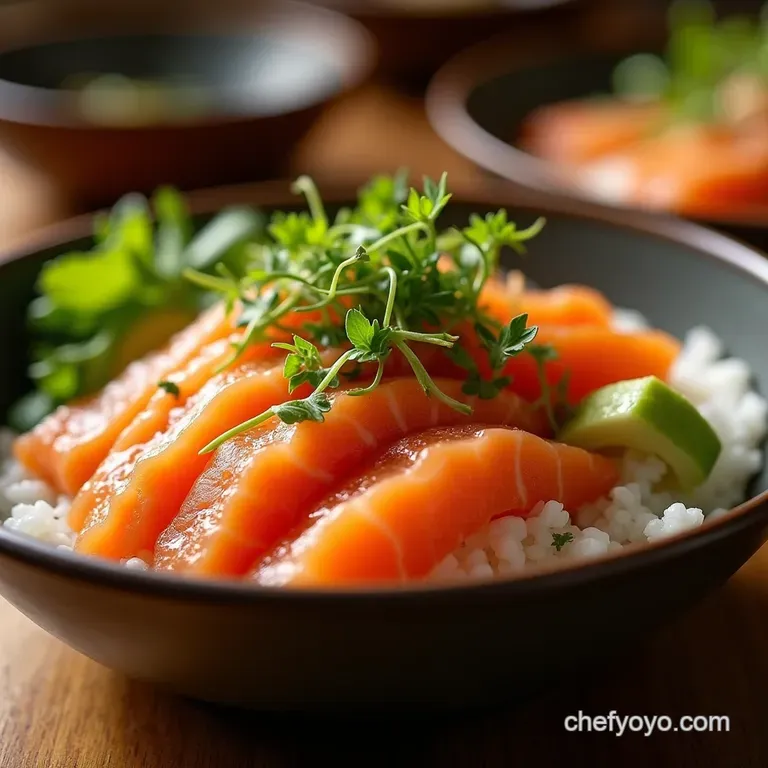
This stage is where the foundation of your Japanese Rice Bowls Recipes is set. While the rice cooks, swiftly prepare the sushi-zu . Gently warm ½ cup of rice vinegar with 3 tablespoons of sugar and 1 teaspoon of sea salt in a small saucepan until the solids dissolve, ensure you do not allow it to boil, as this diminishes the vinegar's character.
Cooking the Grain: Water Ratios for Fluffy, Sticky Success
Whether using a rice cooker or a heavy-bottomed saucepan, the ratio of water to rice is generally 1:1 when cooking pre-rinsed, high-quality Japanese rice. If using a saucepan, bring the water and rice to a boil uncovered, immediately place the tight-fitting lid on, reduce the heat to the absolute lowest setting, and simmer for 15 minutes.
Crucially, after those 15 minutes, remove it from the heat entirely but keep the lid on for an additional 15 minutes to allow the residual steam to finish the cooking process perfectly.
Marinating Minutes: Quick Curing the Salmon for Deeper Flavour
While the rice rests, you can give the salmon a head start. While the cubes will be tossed in the dressing later, mixing them briefly with a teaspoon of the soy sauce mixture and a pinch of grated ginger while they sit in the fridge for 10 minutes adds a subtle, quick-cured depth that enhances the raw flavour profile.
Related Recipes Worth Trying
- Sticky MapleChipotle Chicken Sweet Potato Rice Bowl Recipe — Make this vibrant Chicken and Sweet Potato Rice Bowl tonight Perfectly roasted sweet potatoes meet tender chicken glazed in smoky maplechipotle sauce A...
- Crispy Takeaway Style Air Fryer Fried Rice Recipe — Need quick easy rice dishes air fryer style This Air Fryer Fried Rice Recipe delivers perfectly toasted grains without the grease A healthy family meal...
- Creamy Crockpot Rice Pudding Recipe Nans Comfort Food — Ditch the stove This Easy Crockpot Rice Pudding recipe delivers luxuriously creamy texture with zero fuss A warm spiced classic ready when you are
Phase Two: Assembly Aesthetics, Building Your Iconic Bowl Structure
Once the rice has rested and is still warm (but not scalding hot), it's time to season. Transfer the cooked grain to a wide, shallow bowl or a non-metallic container. Slowly and evenly pour the warm sushi-zu over the rice.
Using a wooden or plastic spatula, employ a gentle folding or slicing motion to incorporate the liquid without crushing the grains. Simultaneously fanning the rice encourages rapid cooling, giving it the signature sheen and stopping the cooking process.
Cover this perfectly seasoned Shari with a damp cloth until you are ready to build your bowls.
The Art of the Scatter: Strategic Placement for Every Ingredient
Assembly should be deliberate. Divide the seasoned rice among the four serving bowls. Next, artfully arrange the prepared toppings around the surface. Place the cubed salmon strategically, follow with the fan of sliced avocado, and intersperse the cucumber.
This visual separation is key to making your final creation look restaurant-quality.
Creating the Spicy Element: Incorporating a Quick Substitute for Spicy Tuna
For those craving a kick reminiscent of spicy tuna rolls, you don't need complex techniques. Simply take a small portion of your diced salmon (or substitute with cooked shrimp, if preferred) and toss it with 2 tablespoons of Kewpie mayonnaise and 1 to 2 teaspoons of Sriracha sauce.
This quick mixture can be dolloped right on top of the salmon cubes for an immediate burst of heat and creaminess.
Elevating Textures: Final Touches for Maximum Mouthfeel
The final sprinkle pulls the entire Sushi Rice Bowls Recipe together. Generously drizzle your prepared Soy-Ginger Dressing over the assembled toppings. Then, finish with a flourish of the thinly sliced scallions, a hearty sprinkle of toasted black and white sesame seeds, and the fine strips of nori.
Serve immediately with small side dishes of pickled ginger ( gari ) and a dab of wasabi paste for those who desire extra fire.
Nutritional Snapshot: Making This a Health-Conscious Meal Prep Staple
These Healthy Bowls Recipes are surprisingly balanced. A typical serving yields approximately 550-600 calories, driven largely by the carbohydrates from the rice, but balanced beautifully by around 30g of high-quality protein from the salmon and healthy unsaturated fats from the avocado.
With about 6g of fibre, this makes for a tremendously satiating and energy-sustaining lunch.
Alternative Sauce Architectures: Ginger-Soy vs. Wasabi Mayo Dips
While our primary dressing is soy-ginger based, feel free to experiment. For a richer mouthfeel, try an alternative based on Kewpie mayonnaise whisked with a squeeze of lemon juice, a teaspoon of sesame oil, and a small dab of wasabi paste.
This creamy dip coats the rice beautifully, offering a luxurious alternative to the lighter, tangier soy dressing.
Next-Level Customization: Transformative Twists for Your Sushi Rice Bowls
The flexibility of this template is its greatest strength. These Easy Healthy Meal Prep components can be easily swapped out based on preference or what’s available.
Vegan Variations: Substituting Protein for Tofu or Tempeh Teriyaki
Going meat-free? This recipe adapts beautifully. Swap the salmon for pressed, firm tofu cubes that have been pan-fried until golden, then tossed in a thick teriyaki glaze (made from soy sauce, mirin, and sugar).
Alternatively, use shelled edamame mixed with shiitake mushrooms sautéed in a dash of sesame oil for an earthy, protein-packed centrepiece.
Troubleshooting: Fixing Sticky Rice and Soggy Toppings
If your rice ends up too sticky, it usually means it wasn't rinsed enough or was stirred too aggressively with a metal utensil. Always use wood! If your cucumbers or other vegetables seem soggy upon serving, ensure they are bone-dry after washing and place them strategically on top of the rice, not directly against it, to minimize moisture transfer before assembly.
Storage Secrets: Keeping Leftover Components Fresh
If you plan on using this as a Meal Prep staple, store the components separately! The seasoned rice (covered tightly), the cubed salmon, and the dressing should all be kept in airtight containers in the refrigerator for up to three days.
Only assemble the bowl, adding the fresh avocado, nori, and scallions, right before you intend to eat to maintain maximum texture contrast and freshness.
Recipe FAQs
My sushi rice always turns out mushy. How do I get that perfect, slightly sticky texture for my Sushi Rice Bowls?
That’s the million-dollar question! The secret lies in two steps: rinsing and cooling. You must wash the rice until the water runs nearly clear to remove excess starch, and then, once seasoned, you need to fan it while folding gently.
This rapid cooling stops it from steaming itself into oblivion and gives it that beautiful sheen and texture.
Can I prepare the rice for these Sushi Rice Bowls ahead of time, or does it have to be made fresh?
You certainly can prep the rice a few hours in advance, but for best results, aim to have it ready within an hour or two of serving. When storing, cover the seasoned rice with a damp (not soaking wet) kitchen towel or plastic wrap and keep it at room temperature, not in the fridge.
Chilling sushi rice makes it hard, and reheating it just ruins the delicate texture.
I'm nervous about using raw salmon. What are my best alternatives for a cooked topping?
Not everyone fancies raw fish, which is perfectly fine! If you're feeling cautious, flaky cooked salmon works a treat, or you can substitute it with simple pan-seared shrimp or chicken breast cut into bite-sized pieces.
Just be sure to give your cooked protein a little drizzle of that Soy-Ginger Dressing to tie it into the bowl’s flavour profile.
The recipe calls for sushi-grade salmon. Where do I find this, and is it safe to substitute with regular salmon if I cook it?
Sushi-grade or sashimi-grade fish has been handled and often flash-frozen under specific conditions to eliminate parasites, making it safe to eat raw. If you are using any fish you intend to eat raw, you must ask your fishmonger specifically for this grade, don't take any chances!
My dressing seems a bit bland. How can I jazz up the flavour for my next batch of Salmon & Avocado Sushi Rice Bowls?
If it’s falling a bit flat, you probably need more punch! Try whisking in a tiny squeeze of fresh lime or lemon juice for brightness, or boost the savoury notes with a half teaspoon of white miso paste stirred into the dressing.
For extra fire, a pinch of red pepper flakes will give it a lovely, slow-burning heat.
Easy Salmon Avocado Sushi Rice Bowls Recipe No Rolling