The Golden Standard Classic Louisiana Shrimp Étouffée
Why Our Étouffée Earns the "Smothered Perfection" Title
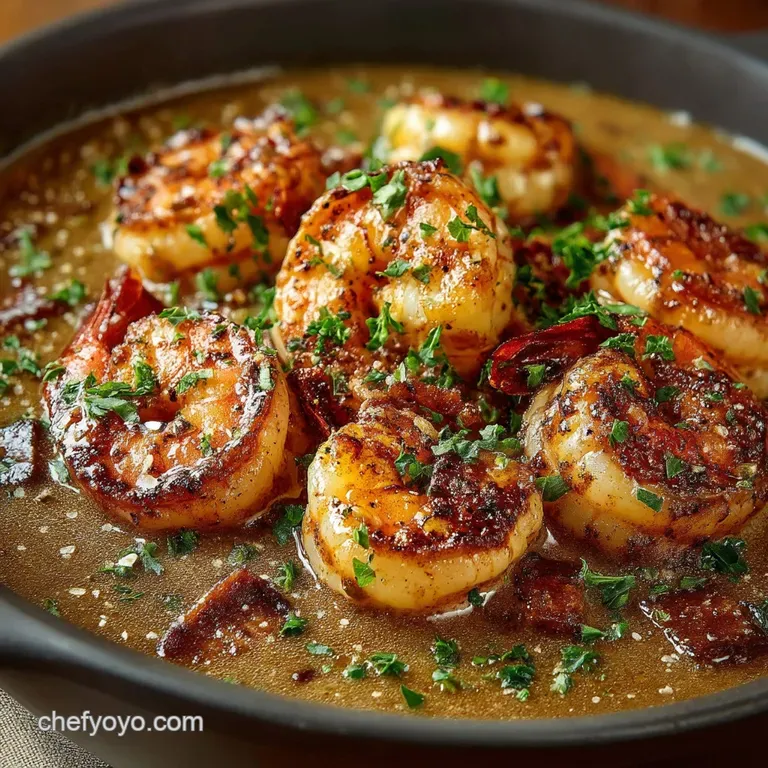
The term étouffée literally means "smothered" in French, and that is precisely what defines this dish: succulent ingredients completely enveloped in a deeply complex, richly flavored sauce. This is not a soup, nor is it a light stew.
Our approach to the Etouffee Recipe ensures a luxurious, velvety gravy that coats the back of a spoon, built entirely upon the foundation of a painstakingly prepared dark roux.
By committing to patience in the early stages, we move beyond thin, watery versions to achieve the genuine depth characteristic of the very best Louisiana cooking. This Shrimp Etouffee is pure comfort food, promising a flavour profile that is simultaneously earthy, savory, and spicy.
Unraveling the History: Creole vs. Cajun Roots
The history of étouffée is inextricably linked to the culinary rivalry and synthesis between the Creole kitchens of New Orleans and the rural Cajun bayous. While both traditions rely on smothering techniques and the aromatic "Holy Trinity" base, the differences often lie in the roux and the inclusion of tomatoes.
True shrimp etouffee recipe cajun versions traditionally rely on oil or lard for the roux and might exclude tomatoes, resulting in a lighter brown, often simpler sauce.
Conversely, the shrimp etouffee new orleans style, which falls under the Creole umbrella, typically incorporates butter in the roux and adds a small amount of tomato for depth and color, which is the path we follow here.
This specific Classic Louisiana Shrimp Étouffée is a beautiful marriage of those influences, ensuring maximum richness and historical integrity.
What Makes This the Best Shrimp Etouffee Recipe?
The true secret to an outstanding Shrimp Etouffee is non-negotiable patience in creating the dark roux. Our recipe commits a full 12 to 15 minutes to low, slow cooking the butter and flour mixture until it achieves a deep, nutty aroma and the rich color of peanut butter or milk chocolate.
This deep color and flavour development is what separates a truly Authentic Shrimp Etouffee from rushed imitations. While the overall process is straightforward (with a total time estimate of about 60 minutes), the demand for constant stirring makes this a medium difficulty dish.
However, once the foundational roux is achieved, the remaining steps are simple, proving that a truly magnificent Louisiana dinner can still be a highly manageable shrimp etouffee recipe easy for the focused home chef.
Essential Elements for Authentic Louisiana Flavor
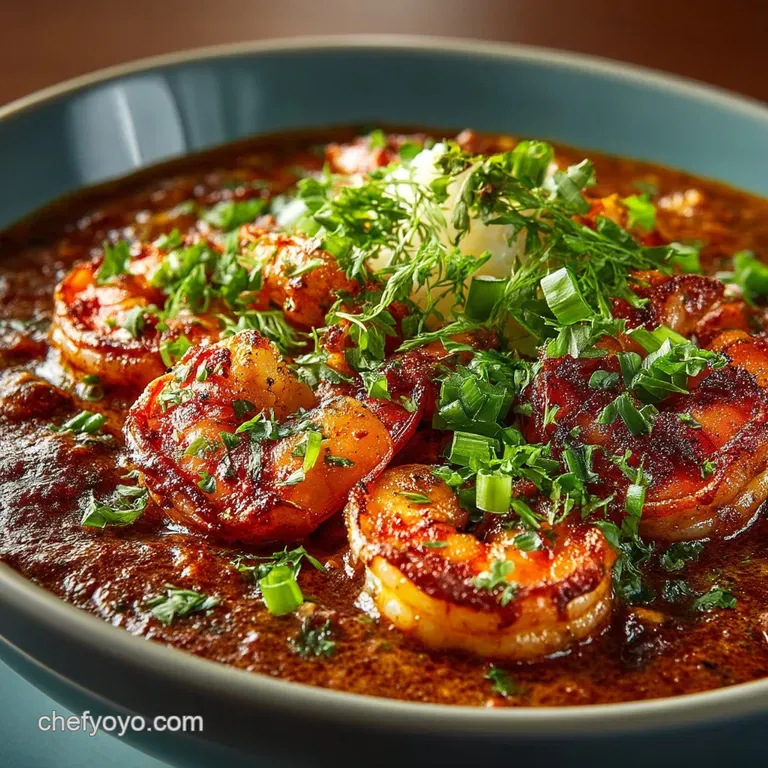
Achieving the authentic, deeply savory character of this dish relies entirely on selecting and preparing specific components that build flavor layer by layer.
Selecting Succulent Shrimp: Fresh vs. Frozen Tips
The star of this dish is, naturally, the shrimp. We call for one pound (450g) of large, raw, peeled, and deveined shrimp. It is crucial to use raw seafood, as it will finish cooking perfectly in the simmering sauce within 3 to 5 minutes, preventing the rubbery texture associated with overcooked shrimp.
For the most profound, seafood forward Shrimp Etouffee , the difference maker is the stock. If you are peeling raw shrimp, simmer those shells with water to create a potent, homemade shrimp stock; this step elevates the gravy immensely.
If using commercially available frozen shrimp, thaw them completely in a bowl of cold water, then pat them thoroughly dry before adding them to the pot.
The Unsung Heroes: Building the Perfect "Holy Trinity" Base
The heart and soul of nearly all Creole and Cajun cuisine is the Holy Trinity: a precise balance of diced onion, celery, and bell pepper. For this recipe, the shrimp etouffee ingredients require 1 cup of finely diced yellow onion, and a half cup each of finely diced celery and green bell pepper.
Once the dark roux is complete, these vegetables are immediately introduced. Their inherent moisture is critical for stopping the roux from cooking further, while the sautéing process coaxes out their natural sweetness, laying the aromatic, foundational layer for the entire gravy.
Spices and Seasonings That Define Étouffée's Heat
A nuanced seasoning profile prevents the deep roux flavor from becoming overwhelming. In addition to the Holy Trinity, we build heat and complexity using two cloves of minced garlic, a half teaspoon of dried thyme, and 1 tablespoon of quality Cajun or Creole seasoning (adjust this amount based on your desired spice level).
Crucially, we use 1 tablespoon of tomato paste, which adds a deep, slightly tangy sweetness and a rich, appealing color. The flavour profile is rounded out with a teaspoon of Worcestershire sauce for umami depth and a half teaspoon of hot sauce (such as Tabasco or Crystal) for that signature, lingering Louisiana warmth.
Related Recipes Worth Trying
- Classic Shrimp and Sausage Jambalaya Fluffy OnePot Comfort Food — Mastering authentic Shrimp and Sausage Jambalaya is easier than you think This soulful onepot Cajun dish is layered with smoky sausage and plump shrimp...
- Sunshine in a Bowl Quick Zesty Classic Shrimp Ceviche — Whip up this authentic easy Shrimp Ceviche recipe using the power of fresh lime Its bright punchy and the perfect light seafood dinner Get the foolproof...
- Easy Authentic Mexican Shrimp Ceviche Recipe Sunshine in a Bowl — This easy shrimp ceviche recipe brings the Pacific coast to your kitchen Learn how to make authentic Mexican Shrimp Ceviche with avocado and mango
Mastering the Craft: A step-by-step Guide to Shrimp Etouffee
The process for creating the perfect Shrimp Etouffee recipe is methodical, beginning with careful preparation and finishing with delicate cooking of the seafood.
The Crucial First Step: Achieving a Nutty, Dark Blond Roux
Before beginning the roux, gently warm 3 cups of shrimp stock in a separate saucepan; this prevents the hot roux from seizing later. In a heavy bottomed Dutch oven, melt 4 tablespoons of butter (or use oil for a more traditionally Cajun flavor) over medium low heat.
Whisk in 4 tablespoons of all-purpose flour to form a smooth paste. Now, reduce the heat to the lowest setting and stir constantly for the required 12 to 15 minutes. The goal is to reach a deep, rich peanut butter color.
If you are stirring correctly, you will notice a distinct, nutty, popcorn like scent when the roux is ready.
Smothering the Trinity: Sautéing for Maximum Sweetness
Once the roux has reached the target color, immediately add the prepared Holy Trinity (onion, celery, and bell pepper) to the hot pot. Stir vigorously for 5 to 7 minutes until the vegetables have softened completely. This action stops the roux cooking while building the aromatic base.
Next, stir in the minced garlic, Cajun seasoning, and dried thyme for about one minute until fragrant. Finish this stage by stirring in the tomato paste for 30 seconds to cook out its raw, metallic flavour.
Building the Gravy: Stock, Simmer, and Spice Integration
Slowly, and while continuously whisking, incorporate the warm shrimp stock into the vegetable roux mixture, ensuring all lumps are dissolved to create a perfectly smooth sauce. Add the single bay leaf, the Worcestershire sauce, and the hot sauce. Bring the Etouffee Recipe to a low, gentle simmer.
Partially cover the pot and allow it to simmer gently for a full 20 minutes. This essential simmering time allows the complex flavors the nuttiness of the roux, the sweetness of the vegetables, and the heat of the spices to truly marry.
After the simmer, taste the sauce and adjust the salt and black pepper as needed.
Final Finish: Gently Folding in the Shrimp and Herbs
Increase the heat slightly to medium low. Add the peeled and deveined large shrimp to the simmering sauce. It is paramount not to overcook the delicate seafood; the shrimp will only require 3 to 5 minutes to cook through, turning opaque and pink.
Immediately remove the pot from the heat once the shrimp is cooked. Discard the bay leaf. Finally, stir in half of the chopped fresh parsley and sliced green onions to infuse freshness and color just before serving.
Serving Suggestions and Advanced Troubleshooting
A rich dish like this Classic Louisiana Shrimp Étouffée benefits greatly from thoughtful accompaniments and specific culinary strategies to ensure success every time.
Traditional Pairings: What to Serve Étouffée Over
The deep, velvety gravy of the Authentic Shrimp Etouffee is traditionally and best served over a generous mound of steaming, fluffy long grain white rice, which soaks up every drop of the luxurious sauce.
To complete the Louisiana feast, serve hot, crusty French bread on the side for mopping up the remnants of the plate. A crisp, slightly acidic palate cleanser, such as a dry white wine or a cold, light American lager, pairs beautifully with the rich, slightly spicy character of the shrimp.
Solving Common Roux Mistakes and Fixes
The roux is the defining element of this Shrimp Etouffee recipe , and proper preparation is critical. The most common mistake is impatience, which leads to cooking the roux too fast and burning the flour.
If the roux develops black specks or smells acrid, it must be discarded and restarted; the bitterness is irreversible. To successfully transition from the roux to the liquid, always add warm stock slowly to the hot roux, whisking constantly to prevent the mixture from seizing or forming hard lumps.
Taking cues from masters of Southern cooking, such as shrimp etouffee paul prudhomme , reminds us that true flavour requires dedicated attention to heat control.
Extending the Feast: Storage and Reheating This Shrimp Dish
This specific Shrimp Etouffee sauce holds up exceptionally well, making it excellent for leftovers. Store the cooled dish in an airtight container in the refrigerator for up to three days. When reheating, use the stovetop over low heat, stirring occasionally.
If the sauce has thickened too much overnight, simply stir in a splash of water or extra stock to restore the desired consistency. While the gravy freezes wonderfully for several months, be aware that the texture of the thawed shrimp may be slightly less firm than freshly cooked.
Variations Beyond Shrimp: Crawfish and Chicken Alternatives
While our guide focuses on the Shrimp Etouffee recipe , the rich, flavorful base is versatile. For a true Cajun experience, substitute the raw shrimp with one pound of pre-cooked Louisiana crawfish tails, adding them in the final minute only to heat them through, as they are already cooked.
This technique also works well with chicken or firm white fish. For those seeking a modification to the shrimp etouffee ingredients , if you are avoiding gluten, you can successfully substitute the all-purpose flour with sweet white rice flour when making the roux, noting that the color development might take slightly longer.
Recipe FAQs
I’m nervous about the roux! How do I ensure I get that deep peanut butter colour without burning it?
Ah, the roux it's the soul of the dish! The trick is patience; treat the heat like a temperamental stove and keep it low. If you rush it, you’ll burn the flour, and once it's burnt, it’s bitter and you must start again, no two ways about it.
Use a heavy bottomed pot and stir constantly for the full 12 15 minutes until it smells wonderfully nutty, and Bob's your uncle.
Can I make this Classic Shrimp Etouffee ahead of time, and does it freeze well?
Absolutely, you can prepare the base sauce (steps 1 through 4) a day or two in advance; in fact, the flavour improves overnight, like a great curry. However, it's crucial to hold off adding the shrimp until just before serving, as they cook very quickly and will become rubbery if reheated repeatedly.
The final dish freezes reasonably well, though the texture of the shrimp might be slightly softer upon thawing.
My étouffée looks a bit watery, more like soup than the thick, luxurious sauce I was hoping for. What went wrong?
If your sauce is thin, the roux likely wasn't cooked quite long enough to achieve maximum thickening power, or you may have used too much liquid. The easiest quick fix is to mix a tiny cornstarch slurry (a teaspoon of cornstarch mixed with cold water) and whisk it into the simmering sauce.
Let it bubble for two minutes, and it should thicken up nicely, but remember to simmer off the cornstarch taste.
I love heat, but my family prefers mild food. How do I adjust the spice level easily?
The best way to manage varied palates is to keep the heat separate from the main pot. Use only the minimum amount of Cajun seasoning needed for flavour, and omit the initial dose of hot sauce entirely.
Serve a bottle of high-quality hot sauce (like Tabasco or Crystal) on the side, allowing everyone to add a dash or two to their own bowl to make it spot on for them.
I don’t have fresh shrimp can I substitute the shellfish, perhaps with crab or crawfish?
You certainly can! Étouffée is wonderfully versatile. If you use cooked crawfish tails, add them right at the end for just two minutes, as they only need to be heated through to prevent that chewy texture.
If using raw mussels or clams, add them during the simmering stage (Step 4), making sure they open fully before serving, then discard any that remain tightly shut.
Authentic Louisiana Shrimp Etouffee
Ingredients:
Instructions:
Nutrition Facts:
| Calories | 1695 kcal |
|---|---|
| Protein | 18.8 g |
| Fat | 25.5 g |
| Carbs | 107.6 g |
| Fiber | 27.0 g |
| Sodium | 1188 mg |
