The Best Roast Potatoes Ever Recipe
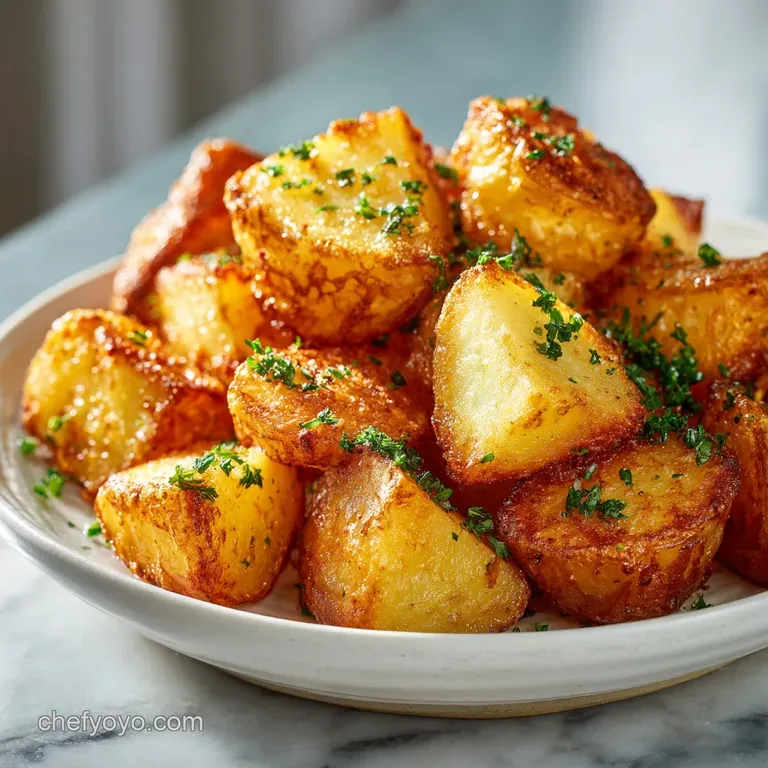
- Time: Active 15 minutes, Passive 60 minutes, Total 1 hours 15 mins
- Flavor/Texture Hook: A shatter crisp exterior with a velvety, cloud like center
- Perfect for: Traditional Sunday roasts or holiday feasts
- Achieving the Best Roast Potatoes Ever Recipe for Sunday Dinner
- Alkaline Methods for Achieving Maximum Surface Crunch
- Potato Component and Science Analysis
- Essential Elements and Wholesome Substitutes
- Tools for Professional Results
- The Sequential Roasting Flow
- Resolving Common Roasting Challenges
- Adjusting Yields and Scaling
- Debunking Common Roasting Misconceptions
- Storage and Sustainable Kitchen Practices
- Wholesome Pairings for the Table
- Recipe FAQs
- 📝 Recipe Card
Achieving the Best Roast Potatoes Ever Recipe for Sunday Dinner
The sound of a knife scraping against the crust of a roast potato should sound like footsteps on gravel. I remember the first time I actually nailed this; the kitchen was filled with the woody aroma of rosemary and the rich, savory scent of rendered duck fat.
My family didn't even touch the roast beef until every single golden nugget was gone from the serving platter. That's when I knew I’d moved past "good enough" and into the territory of truly artisanal sides.
Getting that legendary crunch isn't about luck, and it certainly isn't about just tossing some chopped spuds into a hot oven. I spent years pulling out trays of sad, leathery wedges before I realized that the magic happens long before the tray hits the rack.
It's about a wholesome, rustic approach that respects the starch and the heat. We're going to use a few clever tricks, like adjusting the water's pH, to ensure every bite is a textural masterpiece.
This isn't a fast food shortcut. We're talking about a process that builds layers of flavor and texture, from the alkaline parboil to the final dusting of semolina. Trust me, once you hear that first potato shatter under your fork, you'll never go back to any other method.
We've all made mistakes with soggy centers or burnt bits, but today we're fixing all of that. Let's get into how we turn a humble bag of Russets into something truly special.
Alkaline Methods for Achieving Maximum Surface Crunch
- Alkaline Surface Breakdown: Adding baking soda to the boiling water raises the pH, which breaks down the potato's pectin more aggressively. This creates a thick layer of starchy mash on the outside of each chunk that eventually crisps up into a rugged crust.
- Starch Gelatinization: Parboiling the potatoes until the edges are frayed allows the surface starches to hydrate and swell. When these starches hit the hot duck fat, they undergo a rapid dehydration process, resulting in a microscopic crystalline structure that we perceive as a "shatter" crunch.
- The Maillard Reaction: Using duck fat provides a higher smoke point and a complex profile of fatty acids that accelerate browning. Combined with the increased surface area from "roughing" the potatoes, you get a deeper, more savory crust than you would with standard vegetable oil.
- Thermal Mass Retention: By preheating the fat in a heavy duty roasting pan, we ensure the potatoes sizzle the moment they land. This immediate sear prevents the fat from soaking into the potato, keeping the inside light and fluffy rather than greasy.
The Physics of the Crunch
Baking soda weakens the cellular bonds on the potato's exterior. This creates more surface area for the fat to cling to and fry.
Starch Slurry Secret
Roughing the parboiled potatoes creates a layer of mashed potato paste. This paste dehydrates in the oven to form the ultimate crispy shell.
| Method Type | Prep Style | Texture Result | Oven Time |
|---|---|---|---|
| Fast Method | Raw potatoes into oil | Leathery skin, firm center | 45 minutes |
| Classic Method | Parboiled with baking soda | Glass like crust, fluffy center | 60 minutes |
| Short Cut | Microwaved then roasted | Soft skin, slightly gummy | 30 minutes |
Whether you are looking for a rustic side or a centerpiece for your holiday table, understanding these differences is key. While the fast method saves time, it lacks the artisanal quality that comes from the classic parboil. If you’ve ever tried our Cloud Nine Creamy recipe, you know how important starch management is for a velvety texture. These roasties take that same principle but apply high heat to create a contrasting shell.
Potato Component and Science Analysis
| Ingredient | Science Role | Pro Secret |
|---|---|---|
| Russet Potatoes | High starch content | Best for fluffiness; the starch granules expand perfectly when parboiled. |
| Baking Soda | pH Modifier | Increases pectin breakdown to create the essential "starchy slurry" on the surface. |
| Duck Fat | Heat Transfer | High smoke point and saturated fat content create a thicker, crunchier crust than oil. |
| Semolina | Textural Reinforcement | Adds microscopic jagged edges that catch the fat and maximize the crunch factor. |
Essential Elements and Wholesome Substitutes
- 5 lbs Russet potatoes: Peeled and cut into halves or quarters. Why this? Russets have the highest starch for a dry, fluffy interior.
- Substitute: Yukon Gold potatoes. They are more buttery but won't be quite as "shatter crisp" as Russets.
- 1/2 cup Duck fat: The gold standard for flavor and crunch. Why this? It provides a rich, savory depth that vegetable oils simply cannot match.
- Substitute: Beef tallow or high-quality clarified butter (Ghee) for a similar over high heat performance.
- 1/2 tsp Baking soda: To jumpstart the exterior breakdown. Why this? It's the "cheat code" for getting that rugged, craggy surface.
- Substitute: If omitted, your potatoes will have a smoother, thinner skin.
- 2 tbsp Semolina: For that extra artisanal grit. Why this? It acts as a coating that fries into tiny, crispy points.
- Substitute: Fine cornmeal or even a dusting of flour, though semolina is superior for crunch.
- 1 tbsp Kosher salt: For the boiling water. Why this? Essential for seasoning the potato from the inside out.
- Substitute: Sea salt, but use slightly less as the grain size is finer.
- 4 sprigs Fresh Rosemary: Added at the very end. Why this? Provides a fresh, piney aroma that cuts through the richness of the fat.
- Substitute: Fresh thyme or dried oregano, though fresh is always better for roasting.
- 6 cloves Garlic: Smashed to release oils. Why this? Infuses the roasting fat with a mellow, sweet fragrance.
- Substitute: Garlic powder dusted on at the end if you worry about burning fresh cloves.
- 1 tsp Flaky sea salt: For the final finish. Why this? Adds a clean, salty pop and a professional look.
- Substitute: Standard table salt, but you'll lose the lovely visual crystals.
Tools for Professional Results
A heavy, dark colored roasting pan is your best friend here. Dark metal absorbs and radiates heat more efficiently than glass or ceramic, which is vital for getting the bottom of the potatoes to sizzle and brown. You'll also need a large colander.
Don't just drain the potatoes; you're going to use that colander to shake them vigorously. This "roughing up" stage is where we build the foundation of the crust.
I also highly recommend using a metal spatula for flipping. A plastic one might melt under the high heat, and you need the thin, sharp edge of metal to get underneath the potatoes without tearing that precious crust.
If you have a cast iron skillet large enough, that's another fantastic option for maximum heat retention and a rustic presentation.
The Sequential Roasting Flow
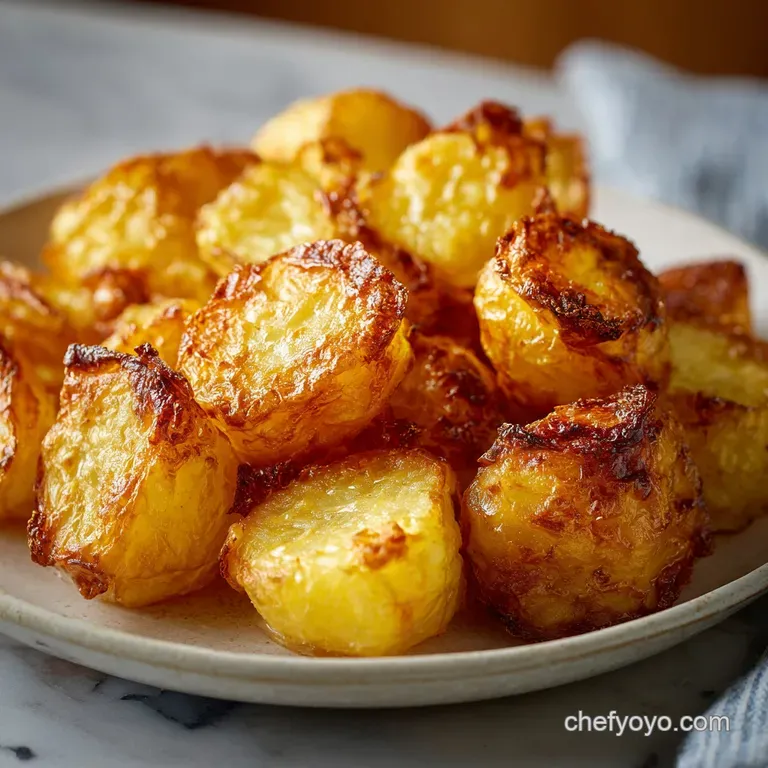
Phase 1: The Alkaline Parboil
Place the 5 lbs of peeled and cut Russet potatoes into a large pot of cold water. Add the 1 tbsp Kosher salt and 1/2 tsp baking soda. Bring to a boil, then reduce to a simmer for about 10 to 12 minutes until the outsides are soft but the centers still offer resistance.
Note: We want them "scruffy" on the edges, not falling apart.
Phase 2: Roughing and Dusting
Drain the potatoes in a large colander and let them sit for 2 minutes to allow the steam to escape. Shake the colander vigorously until a thick layer of potato paste builds up on the edges.
Sprinkle the 2 tbsp semolina over the potatoes and shake again to coat them evenly in the floury slurry.
Phase 3: The Sizzling Fat Infusion
While the potatoes are parboiling, place the 1/2 cup duck fat into your roasting pan and put it in the oven at 400°F (200°C). Once the fat is shimmering and slightly smoking, carefully remove the pan and add the potatoes. Note: They should sizzle immediately upon contact.
Use tongs to turn each potato, ensuring every side is slicked with the hot fat.
Phase 4: The Golden Roast
Spread the potatoes into a single layer, ensuring they aren't touching. Roast for 30 minutes, then remove the pan and flip each potato. Add the 6 smashed garlic cloves to the pan.
Return to the oven for another 20 to 25 minutes until the potatoes are deep mahogany and sound hollow when tapped.
Phase 5: The Fragrant Finish
In the last 5 minutes of roasting, toss in the 4 sprigs of rosemary. The heat will crisp the leaves and release the oils without burning them. Once finished, transfer the potatoes to a bowl lined with paper towels for just a moment, then toss with the 1 tsp flaky sea salt.
Serve immediately while the sizzle is still audible.
Resolving Common Roasting Challenges
Why Your Potatoes Lack Crunch
If your potatoes come out leathery or soft, it’s usually a temperature issue. The fat wasn't hot enough when the potatoes went in, or you overcrowded the pan. When potatoes are too close together, they steam instead of fry. Always use a large enough tray so each spud has its own "personal space."
Solving the Burnt Garlic Issue
Many people add garlic at the start, but at 400°F, it will turn into bitter black charcoal long before the potatoes are done. By adding the smashed cloves halfway through or even in the last 20 minutes, you get a mellow, sweet infusion without the acrid burnt flavor.
| Problem | Root Cause | Solution |
|---|---|---|
| Soggy Bottoms | Excess moisture or cold pan | Steam the potatoes dry after parboiling and preheat the roasting pan. |
| Sticking to Pan | Not enough fat or moving too early | Use a full 1/2 cup of duck fat and don't flip until the bottom has formed a crust. |
| Uneven Browning | Crowded tray or inconsistent sizes | Ensure potatoes are cut to a similar size and space them 1 inch apart. |
Common Mistakes Checklist
- ✓ Skipping the "steam dry" step (wet potatoes will never get crispy)
- ✓ Using a glass baking dish (it doesn't get hot enough for a true sear)
- ✓ Forgetting to preheat the fat (the sizzle is non negotiable)
- ✓ Adding the herbs too early (they will burn and taste like ash)
- ✓ Cutting the potatoes too small (they will disintegrate during the roughing stage)
Adjusting Yields and Scaling
Scaling this recipe up for a big crowd is totally doable, but you have to be careful with the roasting pan. If you're doubling the recipe to 10 lbs of potatoes, you must use two separate roasting pans. Do not try to pile them into one.
You'll also want to rotate the pans between the top and bottom racks halfway through to ensure even heat distribution.
For a smaller batch (halving the recipe), you can use a smaller pan, but keep the duck fat at about 1/3 cup. You need enough fat to actually pool slightly in the bottom of the pan so the potatoes are essentially shallow frying as they roast.
In a smaller batch, the potatoes might cook about 10 minutes faster, so start checking them at the 40 minutes mark.
| Method | Fat Type | Flavor Profile | Cost Factor |
|---|---|---|---|
| Premium | Duck Fat | Rich, gamey, savory | $$$ |
| Standard | Beef Tallow | Old school, meaty | $$ |
| Budget | Vegetable Oil | Neutral, clean | $ |
Debunking Common Roasting Misconceptions
One major myth is that parboiling is an optional step if you have enough time. That's simply not true. Without parboiling, the starch on the surface never "gelatinizes" properly, meaning you’ll get a tough skin rather than a crispy crust.
The parboil is what allows us to create that craggy surface area that eventually becomes the crunch we're after.
Another misconception is that you should salt the potatoes only at the end. While flaky salt at the finish is great for texture, if you don't salt the boiling water, the interior of the potato will be bland. Potatoes are like sponges; they need to absorb seasoning while the cells are open and hydrating during the boil.
Storage and Sustainable Kitchen Practices
- Fridge: Store leftover roast potatoes in an airtight container for up to 3 days. They will lose their crunch, but the flavor remains excellent.
- Freezer: You can freeze roasted potatoes for up to 2 months. To reheat, go straight from the freezer into a 400°F oven for 15 minutes to bring back some of the texture.
- Reheating: Never use the microwave; it will make them rubbery. Always use a hot oven or a dry frying pan to crisp them back up.
- Zero Waste: Don't throw away those potato peels! Toss them with a little oil and salt and bake them at the same time as the potatoes for "chef's treat" potato skin crisps. Any leftover "potato dust" in the bottom of the roasting pan is pure gold save it to sprinkle over a soup or salad for a salty, savory crunch.
Wholesome Pairings for the Table
These potatoes are the natural partner for a big, juicy roast. They soak up gravy like a dream and provide the perfect textural contrast to tender meat. If you are looking for a complete meal, this recipe pairs perfectly with Your Family's New recipe for a classic pot roast. The richness of the duck fat in the potatoes balances out the earthy, slow cooked vegetables beautifully.
If you want a more casual vibe, try serving these alongside a simple roast chicken or even as the base for a very "extra" poutine with cheese curds and a rich beef jus. If you're looking for more potato inspiration, check out our Cloud Nine Creamy recipe for those days when you want soft and comforting instead of loud and crunchy. Whatever you choose, these roasties are guaranteed to be the first thing to disappear from the table. Happy roasting!
Recipe FAQs
What is the secret to the best roast potatoes?
Parboiling with an alkaline agent. Adding baking soda to the boiling water breaks down the surface pectin, allowing you to "rough up" the edges later, which creates the starchy slurry essential for an ultra crispy crust.
What is the secret to crispy roasted potatoes?
Using fat that is ripping hot and roughing up the surface. The potatoes must hit shimmering hot fat (like preheated duck fat) to immediately sear, not steam. Roughing them after boiling maximizes the surface area for that fat to fry against.
How does Gordon Ramsay make perfect roast potatoes?
He emphasizes the alkaline parboil and using goose or duck fat. He stresses boiling the potatoes until the edges are fluffy, then shaking them aggressively to create a mash coating before roasting in very hot fat.
How to make really yummy roast potatoes?
Parboil until edges fray, then toss with semolina and roast in preheated fat. The semolina acts as a textural reinforcement, clinging to the rough exterior to ensure maximum crunch, similar to the textural logic applied when learning [mastering dough handling] in other baked goods.
Should I use oil or animal fat for the highest crunch?
Animal fat is superior for flavor and crunch. Duck fat or beef tallow provide a higher smoke point and richer fatty acids that create a deeper, more satisfying crust than standard vegetable oils.
Is it better to add herbs at the beginning or end of roasting?
Add hardy herbs like rosemary in the final 5-10 minutes. If added too early at high heat, the oils will burn and turn bitter, overwhelming the flavor of the potatoes.
What kind of potato variety yields the fluffiest interior?
Russet potatoes are the best choice. Their high starch content gelatinizes perfectly during the parboil, resulting in an incredibly light and fluffy interior that contrasts sharply with the exterior crust.
Best Roast Potatoes Recipe
Ingredients:
Instructions:
Nutrition Facts:
| Calories | 485 calories |
|---|---|
| Protein | 8.5g |
| Fat | 18.7g |
| Carbs | 71.3g |
| Fiber | 4.9g |
| Sugar | 1.5g |
| Sodium | 250mg |
