The Best Yorkshire Pudding Popover Recipe

- Time: Active 15 minutes, Passive 1 hours 15 mins, Total 1 hours 30 mins
- Flavor/Texture Hook: Shatter crisp exterior with a velvety, custardy base
- Perfect for: Traditional Sunday roasts, holiday gatherings, or rustic weekend brunches
- Secrets to the Best Yorkshire Pudding Popover Recipe for High Rise Results
- Why This Works
- Essential Specs for Your Popover Success
- Wholesome Ingredients for a Rustic Batter
- Simple Tools for This Popover Recipe
- Step-By-Step Guide for Gravity Defying Bakes
- Solving Common Issues with Your Bakes
- Precision Checkpoints
- Savory and Sweet Flavor Profile Twists
- Scaling the Batch Size
- Storing and Repurposing Your Extra Puddings
- What to Serve with Your Puddings
- Final Thoughts on This Never Fail Popover Recipe
- Recipe FAQs
- 📝 Recipe Card
Secrets to the Best Yorkshire Pudding Popover Recipe for High Rise Results
That first hiss when the cold batter hits the screaming hot beef dripping is a sound I’ll never tire of hearing. It’s the sound of a kitchen that knows its business. For years, I struggled with puddings that looked more like sad, greasy hockey pucks than the majestic, airy vessels they were meant to be.
I tried every "hack" in the book until I realized that the magic isn't in fancy tools, but in the simple physics of steam and rest.
The aroma of rendered fat hitting a 425°F oven is the ultimate sensory trigger for a cozy Sunday. I remember my grandmother standing over the oven, refusing to let anyone open the door even a crack. "If you peek, they'll weep," she'd say. She was right.
This recipe is the culmination of those childhood lessons mixed with a bit of modern kitchen common sense. We aren't just making a side dish; we’re creating a textural masterpiece that’s designed to mop up the richest juices from your roast.
We’re going to focus on a few artisanal techniques that make all the difference. From the way we whisk the eggs to the specific resting period for the flour to hydrate, every step has a purpose. You don't need a specialized Yorkshire pudding pan recipe to get these right, though a good tin helps.
This is about reliable, wholesome steps that turn a few eggs and some milk into something that will have your friends texting you for the secret.
Why This Works
The science of a popover recipe is actually quite elegant once you strip away the mystery. It relies on the rapid expansion of moisture into steam, which is trapped by the structure of the eggs and flour.
- Gluten Relaxation: Resting the Yorkshire Pudding Popover Batter for at least an hour allows the gluten strands to soften, which means the batter can stretch further upward without tearing or snapping back.
- Thermal Shock: Pouring cold or room temp batter into shimmering, hot oil creates an immediate steam release at the base, pushing the batter up the sides of the tin instantly.
- Protein Framework: The ratio of three large eggs provides exactly enough lecithin and protein to "set" the walls of the pudding as they rise, preventing them from collapsing the moment they leave the heat.
- Starch Hydration: Giving the 200g of all purpose flour time to fully absorb the 225ml of whole milk ensures a smooth, lumpy free crumb that tastes rich and artisanal.
| Method | Time | Texture | Best For |
|---|---|---|---|
| Traditional Oven | 20 minutes | Maximum height and shattering crispness | Classic Sunday Roast |
| Stovetop (Cast Iron) | 25 minutes | Denser, more bread like with a fried bottom | Rustic breakfast popovers |
| Air Fryer | 12 minutes | Very crispy but smaller rise | Quick weeknight portions |
Understanding the difference between the oven and stovetop methods is key to choosing your texture. The oven provides the 360 degree convection heat necessary for that iconic "cup" shape, while a stovetop method (starting in a skillet) creates a much more pronounced, savory crust on the bottom that pairs beautifully with a thick Country Gravy Recipe.
Essential Specs for Your Popover Success
To get that artisanal finish, we need to look at how each component behaves under the intense heat of the oven. This isn't just a list of items; it’s a breakdown of the roles they play in your kitchen.
| Ingredient | Science Role | Pro Secret |
|---|---|---|
| 200g All Purpose Flour | Provides the structural "scaffolding" | Weigh it. Volume measurements for flour are notoriously inaccurate for baking. |
| 3 Large Eggs | Acts as the primary leavening and binding agent | Use room temperature eggs to ensure they emulsify better with the milk. |
| 225ml Whole Milk | Creates the steam required for the "pop" | Don't use skim; the fat in whole milk aids in a velvety interior texture. |
| 60ml Beef Drippings | Heat conductor and flavor base | Drippings reach higher temps than butter without burning, aiding the rise. |
A successful bake depends on these components working in harmony. The salt might seem like a minor player, but the 0.5 tsp of fine sea salt is crucial for strengthening the egg proteins and making the flavor of the milk and flour pop.
Wholesome Ingredients for a Rustic Batter
I always tell my friends to treat their ingredients with respect. For an authentic Yorkshire pudding recipe, the quality of your fat is the silent hero. If you can get your hands on real beef dripping from a local butcher, use it. If not, a high smoke point oil or even lard will do the trick.
- 200g All purpose flour: The foundation. Why this? Provides enough protein for structure without being as heavy as bread flour.
- Substitute: gluten-free 1 to-1 baking flour (note: will result in a slightly denser, less airy rise).
- 3 Large eggs: The engine. Why this? Eggs provide the lift and the rich, golden color.
- Substitute: 150ml of liquid egg substitute (though fresh eggs are vastly superior for height).
- 225ml Whole milk: The moisture. Why this? The sugars in milk help the exterior caramelize to a deep brown.
- Substitute: Unsweetened soy milk (adds a nutty note, but the rise may be slightly lower).
- 0.5 tsp Fine sea salt: The enhancer. Why this? It tightens the gluten and balances the richness of the fat.
- Substitute: Kosher salt (use 1 tsp if using a coarser grain like Diamond Crystal).
- 60ml Beef drippings or vegetable oil: The sizzle. Why this? High heat capacity is required to flash steam the batter.
- Substitute: Lard or clarified butter (Ghee) for a similar high smoke point and rich flavor.
When choosing your ingredients, remember that this is a rustic dish. You don't need the most expensive organic milk, but using whole milk instead of 1% will give you that custardy, velvety center that distinguishes this as the best Yorkshire pudding popover recipe.
Simple Tools for This Popover Recipe
You don't need a cupboard full of gadgets to pull this off. In fact, some of the best puddings I've ever made were done in a standard 12 hole muffin tin. The key is durability and heat retention.
- 12 hole muffin tin or Yorkshire pudding pan: Metal is best as it conducts heat rapidly. Avoid silicone for this specific recipe as it won't get the fat hot enough.
- Large mixing bowl: Plenty of room for whisking to incorporate air.
- Fine mesh sieve: Essential for aerating the flour and removing any stubborn lumps.
- Measuring jug with a spout: This makes pouring the batter into the hot oil much safer and more precise.
- Whisk or immersion blender: A simple hand whisk works perfectly for an artisanal touch.
Chef's Tip: Put your empty muffin tin in the oven while it preheats. A cold tin is the enemy of a good rise. You want that metal screaming hot before the fat even touches it.
step-by-step Guide for Gravity Defying Bakes
Follow these steps closely. The timing and the visual cues are your best friends here. We are aiming for a result that is light enough to float but sturdy enough to hold a lake of gravy.
- Whisk the eggs. Beat 3 large eggs in a bowl until they are frothy and pale. Note: This incorporates initial air into the batter base.
- Sift the flour. Gradually sift 200g all purpose flour and 0.5 tsp fine sea salt into the eggs. Note: Sifting prevents those dreaded dry flour pockets.
- Incorporate the milk. Slowy pour in 225ml whole milk while whisking constantly. Whisk until the batter is the consistency of heavy cream.
- Hydrate the batter. Let the mixture rest at room temperature for at least 1 hours. Wait until bubbles form on the surface.
- Preheat the oven. Set your oven to 425°F (220°C). Place 1 tsp (totaling 60ml across 12 holes) of beef dripping or oil into each muffin cup.
- Searing heat check. Slide the tin into the oven for 10 minutes until the fat is shimmering and wisps of smoke appear.
- The sizzling pour. Carefully pull the rack out and quickly pour the batter into the center of each hole, filling them about halfway. Listen for the immediate, aggressive sizzle.
- The "No Peep" bake. Bake for 20 minutes. Do not open the door until they are deep mahogany and towering.
- The final crisp. Turn the oven off and let them sit for 2 more minutes with the door slightly ajar. Touch the tops to ensure they feel firm and hollow.
For a Shattering Exterior
The secret to that "shatter" effect is the temperature of the fat. If the oil isn't at the smoke point, the batter will just soak it up and become greasy. Use a high smoke point oil like avocado or grapeseed if you aren't using drippings.
For a Velvety Interior
To keep the inside custardy, don't over whisk once the flour is in. You want to mix just until the lumps disappear. Over working the batter at this stage makes the interior tough rather than silky. It's a fine line, but your hands will learn the feel of the resistance.
Solving Common Issues with Your Bakes
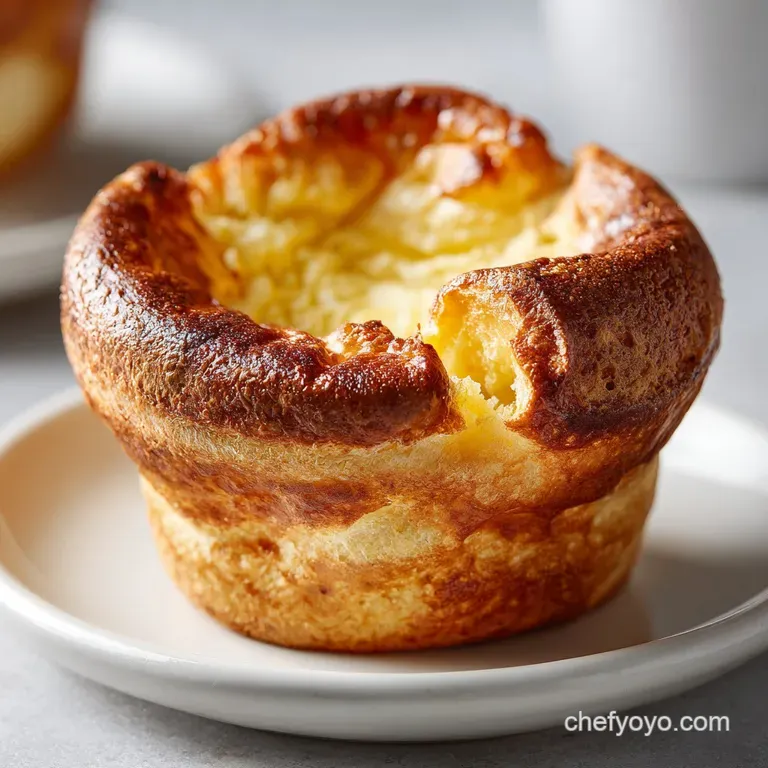
Even the best of us have "off" days in the kitchen. If your British baking popovers aren't looking quite right, it's usually a matter of temperature or timing.
Why are my puddings flat?
This is almost always due to the oven being too cool or the door being opened too early. When you open the door, the temperature drops instantly, and the steam inside the pudding condenses before the egg structure has set.
Another culprit is using too much batter if they are too heavy, they can't lift themselves up.
Why is the bottom soggy?
If the base is damp and heavy, the fat wasn't hot enough when the batter was added. The batter needs to "fry" the moment it hits the tin. It could also mean you used too much fat. You only need enough to coat the bottom of the well, not a deep pool.
| Problem | Root Cause | Solution |
|---|---|---|
| Dense, heavy texture | Too much flour or over mixing | Ensure you weigh the 200g flour and stop whisking once smooth. |
| Uneven rise (tilted) | Oven hot spots or uneven pouring | Rotate the tin halfway (only if they are already set) and fill cups evenly. |
| Burnt bottoms | Tin was too low in the oven | Move the rack to the middle position to allow air to circulate underneath. |
Common Mistakes Checklist
- ✓ Using cold eggs (this slows down the steam production).
- ✓ Skipping the resting period (leads to a "rubbery" texture).
- ✓ Using a dark, non stick pan without adjusting temperature (dark pans cook faster).
- ✓ Not preheating the fat until it smokes (essential for the sizzle).
- ✓ Peeking in the oven before the 15 minute mark.
Precision Checkpoints
- Resting: 60 minutes minimum. This is non negotiable for the best popover recipe.
- Temperature: 425°F (220°C). This is the "Goldilocks" temp for steam and browning.
- Fill Level: 1/2 way. Filling more than this often leads to "mushrooming" over the sides rather than rising straight up.
Savory and Sweet Flavor Profile Twists
While the Serious Eats Yorkshire pudding popovers style usually calls for a savory application, this batter is incredibly versatile. You can bridge the gap between a side dish and a standalone treat with just a few wholesome additions.
For a Savory Herb Twist
Whisk in 1 tablespoon of finely chopped fresh thyme or rosemary into the batter after it has rested. The heat of the fat will "fry" the herbs into the crust of the pudding, releasing an incredible aroma. This version pairs particularly well with our Classic Creamed Spinach recipe.
For a Sharp Cheesy Kick
Finely grate 2 tablespoons of extra sharp white cheddar or Parmesan into the bottom of each tin hole right before pouring the batter. The cheese will melt into the fat and create a lacy, crispy skirt around the base of the pudding. It's a total crowd pleaser for holiday dinners.
Scaling the Batch Size
Adjusting this recipe is straightforward as long as you maintain the ratios. For a half batch (6 puddings), simply halve all ingredients. Use 1.5 eggs by beating two eggs together and measuring out 3 tablespoons.
When doubling the recipe to 24 servings, I recommend working in batches. Most home ovens can't maintain the 425°F temperature with two large tins inside, as the tins act as heat sinks. Bake one tin, and while they rest, bring the oven back up to temp for the second batch.
If you must bake both at once, increase the oven temperature by 15°F and swap the tins' positions halfway through (only after the 15 minute "no peek" window).
| Original | Substitute | Why It Works |
|---|---|---|
| Beef Dripping | Lard | Similar high smoke point and savory richness. |
| Whole Milk | 50/50 Water/Milk | Creates a crispier, though less rich, pudding. |
| AP Flour | Bread Flour | Provides a much tougher, more "bready" rise. |
Storing and Repurposing Your Extra Puddings
Yorkshire puddings are best served immediately, but we've all had leftovers. To store them, let them cool completely on a wire rack so they don't steam themselves into a soggy mess.
- Fridge: Keep in an airtight container for up to 3 days. Reheat in a 350°F oven for 5 minutes to restore the crunch. Avoid the microwave, which will turn them into rubber.
- Freezer: These freeze surprisingly well for up to 2 months. Freeze them on a tray first, then pop them into a freezer bag. Reheat straight from frozen at 400°F for 8 minutes.
- Zero Waste Tip: If you have "failed" flat puddings, don't toss them! Cut them into strips, toss with cinnamon sugar, and bake until crispy for an artisanal take on churros. You can also use them as the base for a rustic bread pudding, similar to the technique in This BourbonSauced Bread recipe.
What to Serve with Your Puddings
Traditionally, these are the vessel for a Sunday Roast Beef. The hollow center is practically begging to be filled with gravy and peas. However, don't limit yourself. They make an excellent "toad in the hole" base if you drop a par cooked sausage into the fat before pouring the batter.
For a more modern approach, serve them at brunch with a dollop of horseradish cream and smoked salmon. The neutral, slightly eggy flavor of this recipe makes it a blank canvas for both savory and sweet toppings. My personal favorite? A warm pudding drizzled with honey and a sprinkle of flaky salt.
It's rustic, simple, and hits every flavor note you could want.
Kitchen Myths Debunked
One common myth is that the batter must be ice cold. While a temperature difference helps, lab tests show that a room temperature batter actually rises slightly higher because the oven doesn't have to work as hard to heat the liquid. Another myth is that you need a special tall pan.
A standard muffin tin works perfectly the height comes from the steam, not the walls of the pan.
Final Thoughts on This Never Fail Popover Recipe
Right then, you're ready to tackle the best Yorkshire pudding popover recipe in your own kitchen. Remember to trust the sizzle, respect the rest, and for heaven's sake, keep that oven door shut! There is something so rewarding about watching these golden towers emerge from the heat.
It’s a bit of kitchen theater that never gets old. Once you've mastered this artisanal technique, you'll never look at a store-bought, frozen pudding the same way again. Happy baking!

Recipe FAQs
What is the secret to the great popovers?
High heat and batter rest time. The batter must rest for at least one hour to hydrate the flour, allowing the gluten to relax. Then, pour the room temperature batter into screaming hot fat (425°F) to create immediate, powerful steam lift.
What is the secret to good Yorkshire pudding?
Using beef dripping and not opening the oven door. Dripping has a high smoke point, which is necessary to achieve the "flash steam" required for maximum height. Do not open the oven door for the first 15 minutes, or the steam will collapse the structure.
What are common popover mistakes?
Using cold batter and peeking at them too early. Cold batter slows the necessary steam reaction, resulting in flat puddings. If you enjoyed controlling the texture here, see how the same temperature precision matters when applying it to our Classic Homemade Eggnog Recipe.
What are some common mistakes to avoid when making Yorkshire pudding?
Skipping the resting period or using the wrong fat. If you skip the rest, the pudding will be dense and rubbery, not light and airy. Ensure your fat is smoking hot before adding the batter for that crucial initial upward push.
Can I use butter instead of beef dripping for authentic flavor?
No, butter will burn before reaching the correct temperature. Butter solids scorch around 350°F, but Yorkshire puddings require at least 425°F. Use lard or a high smoke point oil like avocado if you cannot source drippings.
Should I use room temperature or cold milk?
Use room temperature milk. If you start with ice-cold liquid, it takes the hot fat longer to bring the entire batter up to temperature, delaying the steam phase. Room temperature ingredients blend better and allow for a faster, more uniform rise.
How do I ensure a crisp exterior and a custardy center?
Achieve this through proper rest and final oven resting. The rest allows gluten to relax for stretch, and finishing the bake by turning the oven off for two minutes lets the residual heat dry out the exterior without overcooking the interior custard. Mastering this texture control is similar to achieving a perfect airy structure in The Puff Classic recipe.
Best Yorkshire Pudding Popovers
Ingredients:
Instructions:
Nutrition Facts:
| Calories | 132 kcal |
|---|---|
| Protein | 3.9 g |
| Fat | 6.7 g |
| Carbs | 13.7 g |
| Fiber | 0.5 g |
| Sugar | 0.9 g |
| Sodium | 112 mg |
