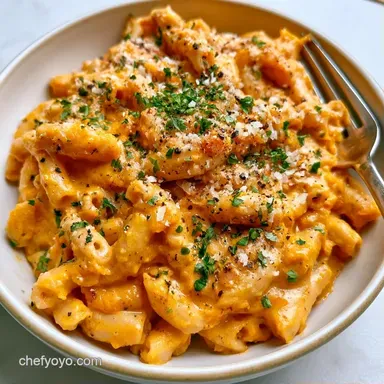
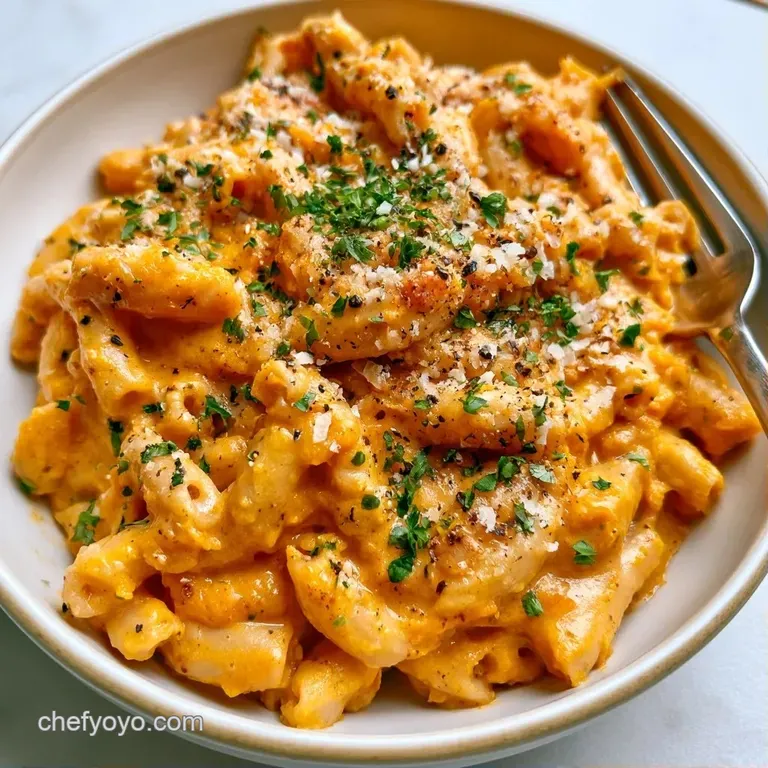
Butternut Squash Chickpea Mac Cheese

- Time: 15 min active + 30 min cook
- Flavor/Texture Hook: Rich, golden sauce with a hint of earthy sage
- Perfect for: A cozy weeknight dinner or a veggie heavy side dish
Butternut Squash Mac Cheese
The smell of toasted sage hitting hot butter is basically the signal that autumn has arrived. For a long time, I thought the only way to get a creamy mac was to lean heavily on a butter and flour roux, which often felt too heavy.
I tried adding pureed vegetables to my pasta a few times, but it usually ended up tasting like baby food or had a grainy texture that just felt off.
Most people think you have to choose between "healthy" and "comforting." They assume that using chickpea pasta or adding squash means you're sacrificing that nostalgic, gooey cheese pull. Trust me, that's not the case here.
By blending the squash with nutritional yeast and a bit of sharp cheese, you get a deep orange sauce that clings to the noodles and satisfies that craving.
This Butternut Squash Chickpea Mac Cheese is all about the balance of savory and sweet. It's a simple way to get more nutrients into your meal without spending hours prepping. You'll get a dish that's rich, satisfying, and surprisingly light.
Why the Sauce Stays Creamy
- Squash Puree: Because of its natural starch and thickness, butternut squash serves as the binder, meaning no additional thickener is necessary.
- Nutritional Yeast: This provides a nutty, savory richness that mimics the flavor of aged cheese.
Let's compare the differences between using fresh squash and a convenient shortcut.
| Ingredient Source | Texture | Flavor Profile | Best For |
|---|---|---|---|
| Fresh Roasted Squash | Thick and hearty | Naturally sweet and caramelized | Maximum flavor |
| Canned Puree | Smoother, thinner | More neutral and mild | Quick weekday meals |
The Essential Pantry List
Prepare your ingredients before you begin. I've found that having everything pre-measured makes the cooking process much smoother.
- 2 cups butternut squash, peeled and cubed Why this? Creates the creamy base for the sauce
- 2 tbsp unsalted butter Why this? Adds a rich layer to the aromatics
- 3 cloves garlic, minced Why this? Provides a bold, savory kick
- 1 tsp dried sage Why this? A quintessential autumn pairing
- 1 tsp Dijon mustard Why this? Balances out the richness
- 1/4 cup nutritional yeast Why this? Delivers a vegan friendly, cheesy depth
- 1/2 cup grated sharp cheddar or parmesan Why this? For a classic salty finish
- 1/2 tsp salt
- 1/4 tsp black pepper
- 8 oz chickpea macaroni Why this? Increases the protein and fiber content
- 1 tbsp olive oil
- 1/4 cup reserved pasta water Why this? Helps the sauce emulsify and cling to the noodles
How the Ingredients Help
Not every ingredient is just for flavor. Some are there to change the way the Butternut Squash Mac Cheese feels in your mouth.
| Ingredient | What It Does | Best Swap |
|---|---|---|
| Nutritional Yeast | Adds "cheesy" umami | Extra parmesan cheese |
| Chickpea Pasta | Provides a high protein base | Brown rice pasta (less protein) |
| Dijon Mustard | Balances the sweetness of squash | Apple cider vinegar (tangy) |
| Butternut Squash | Creates the creamy body | Roasted carrots (sweeter) |
You might wonder why we use chickpea pasta. Standard wheat pasta is mostly simple carbs, but the legume based version keeps you full longer. It turns this recipe from a side dish into a balanced main.
The Tool Kit
Keep it simple. You don't need any fancy gadgets, just a few basics:
- High speed blender (or a food processor)
- Large pot for boiling pasta
- Medium saucepan for the butter mixture
- Colander
- Fine mesh strainer (optional, for extra smooth squash)
Putting the Dish Together
Let's get started. Follow these directions to ensure a golden, clingy sauce every time.
Phase 1: Softening the Squash
- Steam or roast the cubed butternut squash for 12-15 minutes until a fork slides in effortlessly.
- Drain any excess liquid. Note: Leaving water behind will make the sauce runny.
Phase 2: Crafting the Sauce
- Melt 2 tbsp butter in a saucepan over medium heat.
- Sauté the minced garlic and sage for 1 minute until they are fragrant and golden.
- Mix in the Dijon mustard and remove the pan from the heat.
- Combine the cooked squash, butter mixture, nutritional yeast, and cheese in the blender.
- Blend on high until the mixture becomes a smooth, vibrant orange emulsion.
Phase 3: The Final Fold
- Boil the chickpea macaroni in salted water, stopping 1 minute before the package's recommended time so the pasta remains al dente.
- Save a splash of pasta water, drain the noodles, and return them to the pot.
- Pour the golden sauce over the pasta.
- Gradually stir in the reserved pasta water until the sauce coats the macaroni perfectly.
Chef's Note: To neutralize any "beany" taste from the chickpea pasta, rinse the noodles under cold water for 5 seconds after draining. According to Serious Eats' testing, this helps remove excess starch and legume flavors.
Fixing Common Texture Issues
Achieving the perfect texture for Squash Chickpea Mac Cheese can be challenging because water levels vary between different squash varieties.
If the sauce seems too dense, don't worry. Incorporate some pasta water; the natural starches help the sauce cling to the pasta rather than sliding off. For a thinner consistency, let the sauce simmer for a few minutes before mixing in the noodles, or stir in an additional tablespoon of nutritional yeast to thicken it.
Fixing a Grainy Sauce
This occurs when the squash isn't cooked thoroughly or wasn't blended long enough. Make sure the squash is completely tender before processing.
When It Turns Runny
This can happen if there's excess moisture in the squash or if too much pasta water was added. Fix this by stirring in a bit more cheese or nutritional yeast to tighten the consistency.
Handling the "Beany" Taste
Certain brands of chickpea pasta have a more pronounced aftertaste. While rinsing helps, adding a bit of salt or lemon juice can help neutralize the flavor.
| Problem | Root Cause | Solution |
|---|---|---|
| Sauce is too thick | Not enough pasta water | Add water 1 tbsp at a time |
| Sauce is watery | Squash wasn't drained | Simmer sauce or add yeast |
| Pasta is mushy | Overcooked chickpea noodles | Boil 1 min less than package |
Keeping it Fresh
Keep any remaining portions in an airtight container in the refrigerator for a maximum of 4 days. The sauce may thicken during storage; simply stir in a small amount of water or milk and warm it in the microwave in 30-second intervals, stirring each time.
For longer storage, freeze the sauce alone using silicone molds. After thawing, heat it up and mix it with fresh noodles. Avoid freezing the completed Butternut Squash Mac Cheese, as the chickpea pasta tends to become soft and grainy once reheated.
Because this meal is quite filling, it goes great with a light side dish, or you might enjoy my Homemade Butternut Squash Sage Ravioli for another seasonal dinner.
What Pairs With This
Because this Butternut Squash Mac Cheese is so indulgent, you'll want a side with some acidity or a fresh crunch to balance the flavors.
For a full meal, I recommend pairing this with fresh arugula tossed in a zesty lemon dressing. The peppery quality of the greens offsets the creaminess of the squash. If you're serving the pasta as a side, roasted Brussels sprouts or sautéed kale are wonderful options.
Adding steamed broccoli or grilled asparagus provides a vibrant color contrast and a dose of vitamins. To elevate the dish, a dusting of toasted breadcrumbs on top adds a wonderful bit of texture.
Different Ways to Make It
Feel free to customize this recipe to match your dietary preferences or whatever you have in your refrigerator.
Make it a Baked Dish
For a crispy top, transfer the mixture to a baking dish. Add one more handful of cheddar and broil for 3-5 minutes until the cheese is bubbling and brown.
Need it 100% Vegan?
Simply leave out the butter and cheese. Use a vegan butter alternative and add an extra 2 tablespoons of nutritional yeast. The squash provides plenty of creaminess without the dairy.
Adding a Spicy Kick
Stir a teaspoon of chipotle powder or a bit of hot sauce into the blender. The smoky notes of chipotle contrast well with the sweetness of the squash.
If you want a dish with more vegetables, my Brussels Sprouts Butternut Squash Pasta recipe is a wonderful option.
| Goal | What to change |
|---|---|
| More Protein | Add sautéed chickpeas or chicken |
| Extra Tang | Increase Dijon mustard |
| Lighter Texture | Use 1/2 squash, 1/2 cauliflower |
Final Thoughts on Scaling
When preparing a double batch for more people, don't double the salt and spices. Start with 1.5x the salt and sage, then adjust to taste. For the Chickpea Mac Cheese, keep in mind that legumes absorb more sauce than wheat pasta, so save some extra pasta water.
For nutritional data, you can check USDA FoodData Central to compare the macronutrients of chickpea pasta to traditional versions. This Butternut Squash Mac Cheese is a delicious way to enjoy a comforting, nourishing meal.
Recipe FAQs
Do chickpeas and butternut squash pair well?
They work great together because the nuttiness of the chickpea pasta complements the sweetness of the squash. This creates a balanced and hearty flavor profile.
Can I add butternut squash to mac and cheese?
You can blend it into the sauce to add creaminess and nutrients. This method replaces the need for a traditional flour based roux.
Is it true that chickpea pasta ruins the texture of mac and cheese?
False. Cooking the noodles one minute less than the package directions keeps them al dente and firm.
How to keep the chickpea macaroni from getting mushy?
Boil the noodles in salted water and stop one minute before the package timer ends. Return them to the pot and stir in the sauce immediately.
Would chickpeas be a good addition to the sauce?
Using chickpea macaroni provides a high protein base that supports the sauce's weight. It keeps the meal filling without needing extra additives.
What is the secret to getting a smooth sauce without a roux?
Blitz the cooked squash, butter, nutritional yeast, and cheese in a blender on high. If you loved the creamy consistency of this sauce, see how we achieve a similar comfort food texture in our tuna casserole.
What should I do with a surplus of winter squash?
Roast the cubed squash in olive oil and freeze it in portions. Thaw and blend it whenever you are ready to make a fresh batch of mac and cheese.
Does adding vegetables to mac and cheese make it taste like baby food?
That's a myth. The combination of sharp cheddar, garlic, and sage transforms the squash into a savory, adult friendly sauce.
Butternut Squash Chickpea Mac Cheese