Classic Beef Stew: Tender and Hearty
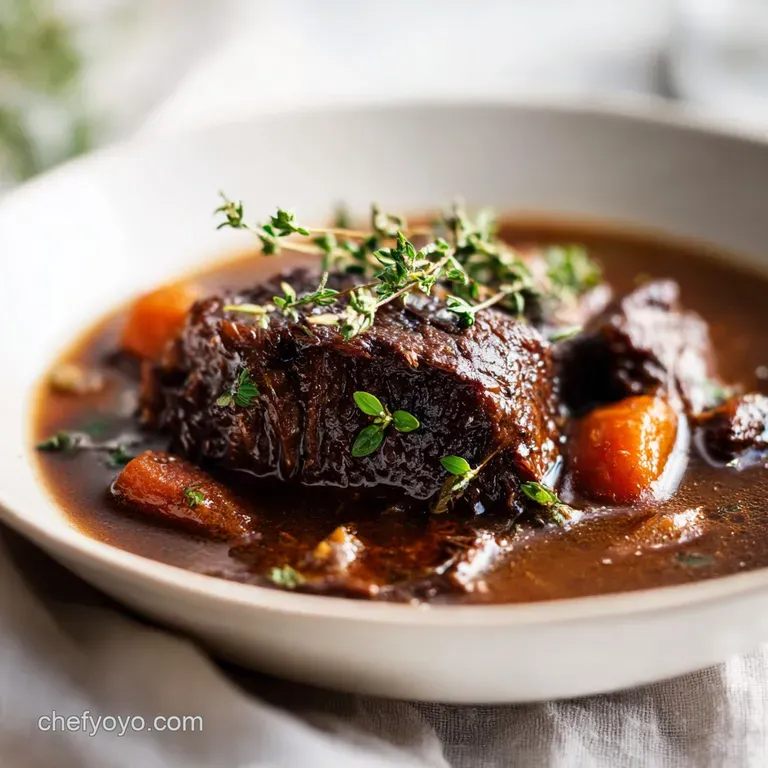
- Time: Active 30 minutes, Passive 165 minutes, Total 195 minutes
- Flavor/Texture Hook: Deeply savory, melt in-your mouth beef and velvety broth
- Perfect for: Cold Sunday afternoons or meal prepping for a busy week
- Mastering This Classic Beef Stew Recipe
- Why This Recipe Works
- Ingredient Deep Dive
- The Essential Flavor Components
- The Minimal Tool Kit
- The Step By Step Method
- Fixing Your Stew Problems
- Precision Checkpoints
- Easy Ingredient Variations
- Storage and Leftover Tips
- Perfect Side Dish Ideas
- Common Kitchen Myths
- Recipe FAQs
- 📝 Recipe Card
Mastering This Classic Beef Stew Recipe
The first time I really understood the magic of a beef stew recipe, it wasn't from a fancy cookbook. It was the sound. That specific, heavy bottomed sizzle as the beef hits the hot oil, followed by the deep, wine stained aroma that fills every corner of the house. You know that smell?
It’s the kind that makes you want to cancel all your plans, put on thick socks, and just wait by the stove with a piece of crusty bread.
I used to think stews were just "dump and hope" meals. I’d toss everything in, turn on the heat, and wonder why the meat was grey and the broth was thin. But then I discovered the secret hero of the pot: the beef chuck roast.
It’s not just about the meat; it’s about that specific cut and how it reacts to heat over time. If you’ve ever ended up with tough, stringy beef, I can almost guarantee you were using the wrong cut or rushing the clock.
This recipe is my go to because it doesn't require a dozen gadgets or artisanal ingredients. It’s about reliable steps that work every single time. We are focusing on how that marbled fat in the chuck roast melts into the broth, creating a velvety texture without needing heaps of flour.
It’s simple, it’s comforting, and honestly, it’s the only way I’ll make stew now.
Why This Recipe Works
Understanding the "why" behind the pot makes you a better cook instantly. We aren't just heating things up; we are managing a complex transformation of proteins and starches.
- Low Heat Conversion: When we keep the temperature at a gentle simmer for 165 minutes, the tough connective tissue (collagen) in the chuck roast melts into gelatin. This is what gives the beef that buttery, melt in-your mouth texture.
- The Fond Foundation: Those brown bits stuck to the bottom after searing the meat are flavor gold. Using red wine to deglaze the pot pulls that concentrated beef essence into the sauce.
- Starch Release: By adding the Yukon Gold potatoes later in the process, they soften enough to release just enough starch to thicken the liquid naturally, but stay firm enough to not turn into mush.
- Osmosis Balance: Searing the meat first creates a crust that prevents the interior juices from leaching out too quickly, while the salt in the broth eventually seasons the meat all the way to the center.
Cooking Method Comparison
| Method | Time | Texture | Best For |
|---|---|---|---|
| Stovetop | 195 minutes | Highly controlled, silky sauce | When you're home to monitor the simmer |
| Oven (300°F) | 195 minutes | Even heat, very tender meat | A "set it and forget it" Sunday afternoon |
| Pressure Cooker | 60 minutes | Very soft meat, less depth | When you're short on time but want the flavor |
Choosing between the stovetop and the oven is really about how much you want to interact with your food. On the stove, you can adjust the heat and peek under the lid, while the oven provides a more stable, surround sound heat that is great for deep caramelization.
Both methods work, but I personally love the stovetop for the way the kitchen smells while it bubbles away.
Ingredient Deep Dive
Before we start chopping, let's look at the science behind our main players. Not every potato or every cut of beef is created equal for this specific task.
| Ingredient | Science Role | Pro Secret |
|---|---|---|
| Beef Chuck Roast | High collagen content for melting | Always buy the whole roast and cut it yourself for better marbling. |
| Dry Red Wine | Acids break down fibers and add depth | Use a Cabernet or Merlot; the tannins add a necessary structure to the broth. |
| Tomato Paste | Provides glutamate for "umami" | Sauté the paste until it turns brick red to remove the raw metallic taste. |
| Yukon Gold Potatoes | Medium starch for natural thickening | These hold their shape better than Russets but are creamier than Red potatoes. |
The choice of beef is the most critical decision you'll make today. I always tell my friends to skip the pre packaged "stew meat" at the store. Those packs are often leftovers from various lean cuts that cook at different rates, meaning some chunks will be tender while others stay like rubber. A whole 3 lbs beef chuck roast allows you to ensure every cube has that beautiful white marbling that translates to flavor. For a different take on beef textures, you might want to look at how a silky velvet beef and broccoli uses a totally different science to stay tender.
The Essential Flavor Components
You'll need a few basics from your pantry and some fresh produce to get this moving. The beauty of this list is that these ingredients are sturdy and reliable.
- 3 lbs beef chuck roast: Cut into 1.5 inch cubes. Why this? The fat and collagen content is perfect for long, slow braising.
- 2 tbsp avocado oil: For the over high heat sear. Why this? It has a high smoke point so it won't burn during browning.
- 1 tsp kosher salt & 0.5 tsp pepper: Essential seasoning.
- 2 medium yellow onions: Diced for the aromatic base.
- 4 cloves garlic: Smashed and minced.
- 2 tbsp tomato paste: For body and color.
- 2 cups dry red wine: For deglazing and acidity.
- 4 cups low sodium beef bone broth: The liquid foundation.
- 2 tbsp Worcestershire sauce: For a savory, fermented kick.
- 2 bay leaves & 4 sprigs fresh thyme: The classic herbal notes.
- 1 lb Yukon Gold potatoes: Cut into 1 inch chunks.
- 4 large carrots: Sliced into 0.5 inch rounds.
- 2 stalks celery: Sliced.
- 1 cup frozen sweet peas: Added at the very end.
- 0.25 cup fresh parsley: For a bright, fresh finish.
| Original Ingredient | Substitute | Why It Works |
|---|---|---|
| Avocado Oil | Grapeseed Oil | Both have high smoke points, ensuring a clean sear without smoke. |
| Red Wine | Extra Beef Broth + 1 tbsp Balsamic | Provides the acidity needed to cut through the fat without the alcohol. |
| Beef Bone Broth | Standard Beef Stock | Bone broth has more gelatin, but regular stock still provides the flavor base. |
Note: If you find yourself without Worcestershire sauce, a teaspoon of soy sauce can provide a similar savory depth, though it lacks the vinegary tang.
The Minimal Tool Kit
You don't need a kitchen full of gadgets for this. In fact, keeping it simple is better because it means fewer dishes to wash later.
- Large Dutch Oven: A heavy bottomed pot (like a 6 quart Le Creuset or Lodge) is non negotiable. It holds heat steadily and prevents the bottom from scorching.
- Wooden Spoon: Best for scraping the "fond" off the bottom of the pot after deglazing.
- Paper Towels: These are actually a tool here! You must pat the beef dry, or it will steam instead of sear.
- Sharp Chef's Knife: For clean cuts through the beef and vegetables.
The step-by-step Method
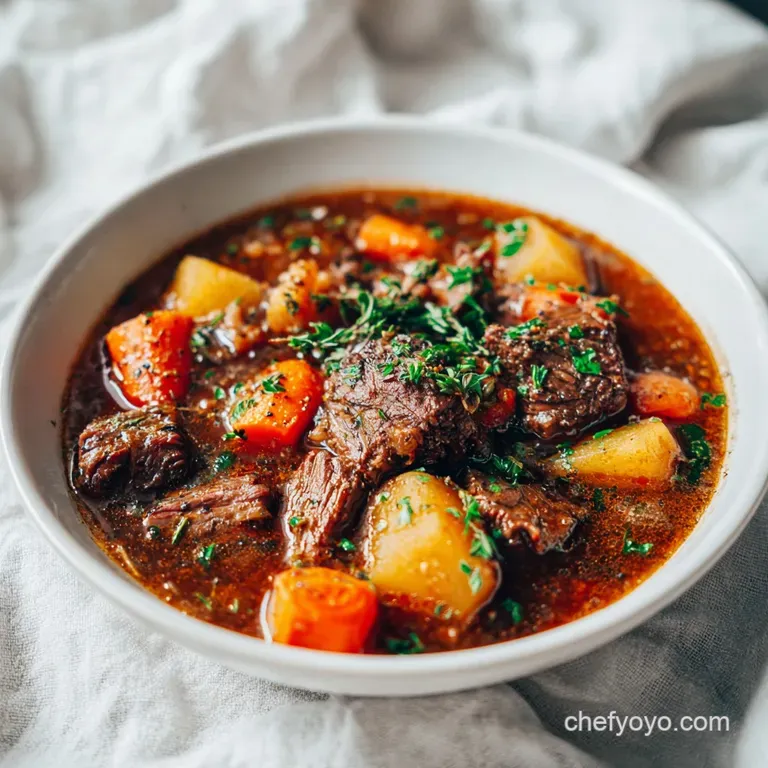
Right then, let's get cooking. This process is all about building layers of flavor. Don't rush the searing step it’s where the magic happens.
- Dry the beef. Pat the 3 lbs of beef cubes completely dry with paper towels. Note: Wet meat won't brown properly. Season them generously with kosher salt and black pepper.
- Sear in batches. Heat the 2 tbsp avocado oil in your Dutch oven over medium high heat. Add the beef in small groups. Cook until a deep mahogany crust forms on all sides, about 8 minutes per batch. Remove and set aside.
- Sauté the aromatics. Lower the heat to medium. Toss in the diced onions, celery, and carrots. Cook until the onions are translucent and slightly softened, about 5 to 7 minutes.
- Toast the paste. Add the minced garlic and 2 tbsp tomato paste. Stir constantly for 2 minutes until the paste darkens and smells fragrant.
- Deglaze the pot. Pour in the 2 cups of dry red wine. Use your wooden spoon to scrape every bit of brown crust from the bottom. Simmer until the wine reduces by half.
- Combine and simmer. Return the beef and any juices back to the pot. Add the 4 cups bone broth, Worcestershire sauce, bay leaves, and thyme. Ensure the meat is mostly submerged.
- The long wait. Bring to a gentle simmer, then cover with a tight lid and drop the heat to low. Maintain a very slow bubble for 2 hours.
- Add the potatoes. Stir in the 1 lb of potato chunks. Cover and simmer for another 30 to 45 minutes until everything is fork tender.
- The final touch. Remove the bay leaves and thyme stems. Stir in the 1 cup of frozen peas. Cook for 2 minutes until they are bright green and hot.
- Garnish. Sprinkle with fresh parsley and serve immediately.
Chef's Tip: If you want an even thicker gravy without using flour, take two or three of the cooked potato chunks and mash them against the side of the pot with your spoon, then stir them back into the liquid. It acts as a natural thickener.
Fixing Your Stew Problems
Even with the best intentions, sometimes things go sideways in the kitchen. Here is how to handle the most common issues people run into with a beef stew recipe.
Why Is My Beef Still Tough?
If your beef is tough, it usually means it hasn't cooked long enough, or the temperature was too high. Braising is a slow process of melting collagen. If you boil the meat, the muscle fibers tighten up and become rubbery. If it's still tough after 2 hours, give it another 30 minutes.
Time is usually the cure.
What If My Stew Is Too Watery?
A watery stew often happens if the lid isn't tight enough or if the vegetables released more water than expected. You can fix this by simmering the stew uncovered for the last 20 minutes to allow some liquid to evaporate. Alternatively, the potato mashing trick mentioned above works wonders.
| Problem | Root Cause | Solution |
|---|---|---|
| Bitter Broth | Burnt garlic or too much wine | Add a pinch of sugar or a splash of broth to balance it. |
| Mushy Veggies | Added too early | Ensure potatoes and carrots go in at the 2 hour mark, not the start. |
| Greasy Surface | Too much fat from the chuck | Use a wide spoon to skim the oil off the top or chill and remove hardened fat. |
Common Mistakes Checklist
- ✓ Skipping the sear: If you don't brown the meat, you lose about 50% of the potential flavor depth.
- ✓ Crowding the pan: Adding too much beef at once drops the pan temperature, causing the meat to boil in its own juices instead of searing.
- ✓ Using cold broth: Adding cold from the fridge broth to a hot pot can shock the meat, making it tighten up. Room temp or warm broth is best.
- ✓ Vigorous boiling: A stew should "smile" meaning just a few bubbles breaking the surface occasionally. A rolling boil will result in dry, stringy meat.
Precision Checkpoints
- 1. The Sear
- The beef should be a dark, coffee bean brown, not just grey. This takes about 3-4 minutes per side.
- 2. The Simmer
- Look for a temperature around 190°F to 200°F if you're using a thermometer. This is the sweet spot for collagen breakdown.
- 3. The Texture
- The beef is done when you can easily press a fork through it with zero resistance. If it "bounces" back, it needs more time.
Easy Ingredient Variations
If you're looking to change things up, this recipe is incredibly forgiving. While I love the classic, you can definitely adapt it to what you have in the pantry.
- Slow Cooker Adaptation: If you're heading out for the day, follow steps 1 through 5 on the stove, then transfer everything to your slow cooker. Cook on LOW for 7 to 8 hours. The low, consistent heat is perfect for this. For more details on this method, check out this proper slowcooked beef stew version.
- Guinness Twist: Replace the red wine with a bottle of stout. It adds a malty, slightly bitter edge that pairs beautifully with the beef.
- Root Veggie Swap: Instead of just carrots, try parsnips or rutabaga. They add an earthy sweetness that makes the stew feel very "harvest season."
If you are looking for a shorter cooking method, you won't get the same result with this specific recipe, but you can always use the flavors of this dish in a quicker stir fry style. However, for a true stew, the "low and slow" rule is the only way to go.
If you want X, do Y:
- If you want a richer sauce, stir in a tablespoon of cold butter right before serving to give it a glossy finish.
- If you want it spicier, add a teaspoon of smoked paprika or a pinch of red chili flakes when you sauté the garlic.
- If you want it more acidic, add a tiny splash of red wine vinegar or lemon juice at the very end to brighten all the heavy flavors.
Storage and Leftover Tips
Beef stew is one of those rare dishes that actually improves with age. As it sits, the starches and proteins continue to meld, creating a more cohesive flavor profile.
Fridge Storage: Once the stew has cooled to room temperature, transfer it to an airtight container. It will stay fresh for up to 3 days. When reheating, you might need to add a splash of water or broth, as the potatoes will continue to soak up liquid.
Freezer Instructions: This recipe freezes beautifully. Use freezer safe bags or containers and leave a little room at the top for expansion. It will last for up to 3 months. To serve, thaw it overnight in the fridge and reheat gently on the stovetop.
Zero Waste Tip: Don't throw away the leftover liquid if you finish the meat and veggies first! That broth is packed with flavor. You can use it as a base for a beef noodle soup the next day, or even freeze it in ice cube trays to use as a "flavor bomb" for sautéing vegetables later.
Perfect Side Dish Ideas
While this is a meal in a pot, having something to soak up that incredible gravy is a must.
I almost always serve this with a thick slice of sourdough bread slathered in salted butter. You need something with a bit of "chew" to stand up to the hearty beef. If you're looking for something more substantial, a pile of buttery mashed potatoes is the traditional choice, though since we already have potatoes in the stew, it can be a bit of a starch overload.
For a bit of crunch, a simple green salad with a sharp lemon vinaigrette is a great way to cut through the richness of the beef and wine. It cleanses the palate between bites of the heavy, savory stew. Whatever you choose, make sure it's simple.
The stew is the star of the show here, and it doesn't like to share the spotlight!
Common Kitchen Myths
Myth: Searing "seals in" the juices. This is probably the biggest lie in the culinary world. Searing actually causes the meat to lose a bit of moisture because of the intense heat. However, we do it for the Maillard reaction that chemical process that creates hundreds of new flavor compounds.
We aren't sealing anything; we are building a flavor profile that doesn't exist in raw meat.
Myth: You must use expensive wine. Please don't use a $50 bottle of wine for this. The nuances of an expensive wine are lost during a 3 hour simmer. You just need something "drinkable" meaning if you wouldn't have a glass of it with dinner, don't put it in your pot.
A decent $10 to $15 bottle of Cabernet is perfect.
Myth: The more you cook it, the better it gets. There is a limit! After about 4 hours, the beef will move past "tender" and start to become "mushy" and "stringy." The fats and gelatin will eventually break down so much that the meat loses its structure entirely.
Stick to the 2.5 to 3 hour window for the best results.
Scaling the Recipe
- To double it: Use a larger pot (8-10 quart) and work in more batches for the searing. You don't want to pile the meat up. Increase the salt and spices to 1.5x rather than a full 2x to avoid over seasoning, then taste at the end.
- To half it: You can easily halve all ingredients. Use a smaller pot so the liquid still mostly covers the meat. Reduce the cooking time by about 20% and check for doneness early.
This beef stew recipe is all about the process. Take your time drying that beef, enjoy the smell of the wine reducing, and let the stove do the heavy lifting. You'll be rewarded with a bowl of comfort that no restaurant can match. Happy cooking!
Frequently Asked Questions
What is the best cut of meat for beef stew?
Beef chuck roast is widely considered the best cut for stew because it has the perfect balance of lean meat, fat, and connective tissue. As it cooks slowly, the collagen in the chuck roast breaks down into gelatin, which makes the meat tender and adds a rich, silky body to the stew's sauce.
Can I make beef stew without wine?
Yes, you can substitute the red wine with an equal amount of extra beef broth. To mimic the acidity and depth that wine provides, add a tablespoon of balsamic vinegar or Worcestershire sauce to the pot when you add the broth.
Why is my beef stew meat tough?
If the meat is tough, it usually means it hasn't been cooked long enough to break down the connective tissues. Ensure you are simmering the stew on low heat; boiling the meat too vigorously can cause the muscle fibers to toughen and become stringy.
Should I brown the meat before putting it in the stew?
Browning the meat, or searing it, is a crucial step for developing deep, savory flavors. The Maillard reaction that occurs during searing creates a complex flavor profile that cannot be achieved by simmering alone. Always pat the meat dry before searing to ensure a good crust forms.
How do I thicken my beef stew?
There are several ways to thicken stew. You can toss the beef in flour before searing, create a roux (butter and flour) to stir in later, or simply mash a few of the cooked potatoes against the side of the pot and stir them back into the liquid for a natural thickening effect.
Can I make this beef stew in a slow cooker?
Absolutely. To adapt this recipe for a slow cooker, sear the meat and sauté the aromatics on the stovetop first, then transfer everything to the slow cooker. Cook on low for 7-8 hours or on high for 4-5 hours.
How long does beef stew last in the fridge?
Beef stew stays fresh in the fridge for 3 to 4 days when stored in an airtight container. Many people find that the flavor actually improves the next day as the ingredients have more time to meld together.
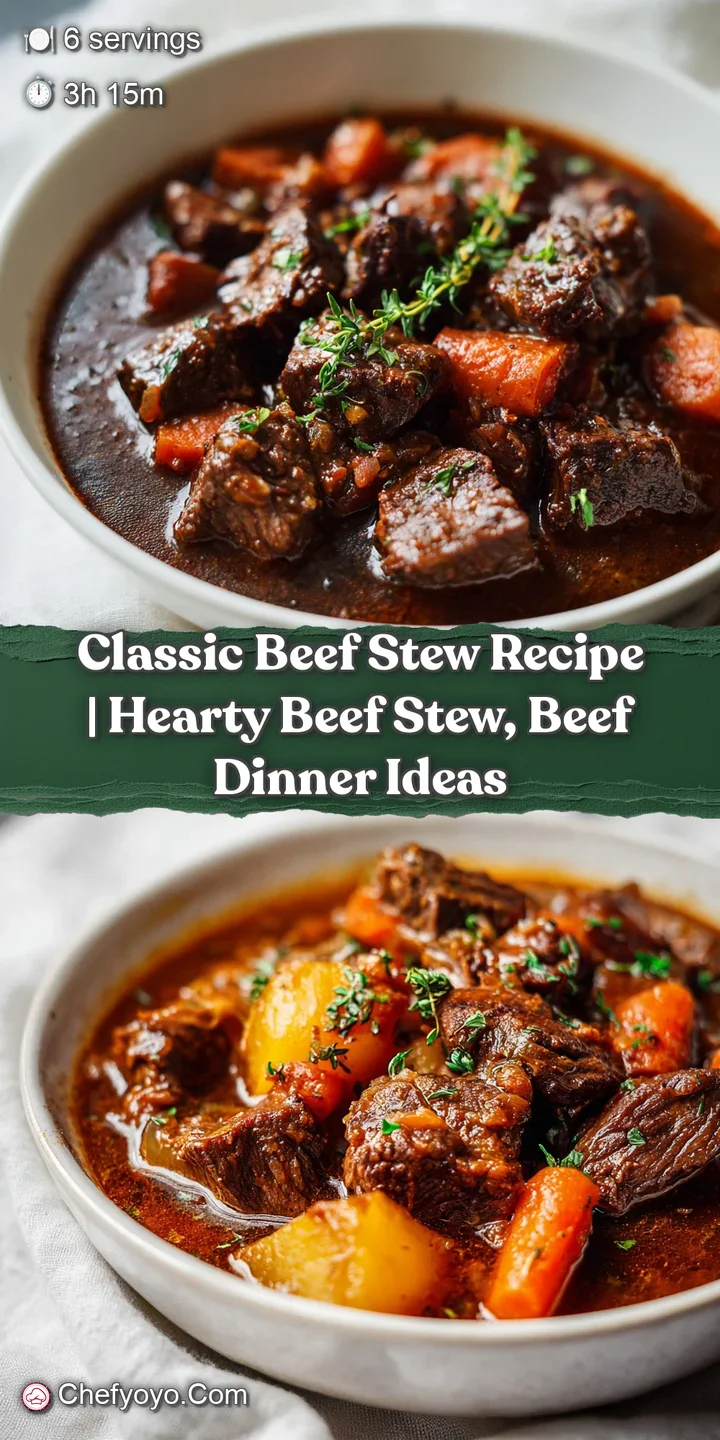
Recipe FAQs
What is the secret to good beef stew?
The secret is achieving a deep mahogany sear on the beef cubes. Patting the beef completely dry before searing in batches prevents the meat from steaming, which ensures you build the necessary foundation of flavor for the entire dish.
What are the ingredients of beef stew?
You will need 3 lbs of beef chuck roast, avocado oil, salt, pepper, onions, garlic, tomato paste, dry red wine, beef bone broth, Worcestershire sauce, bay leaves, thyme, Yukon Gold potatoes, carrots, celery, frozen peas, and fresh parsley. Ensure all ingredients are prepped before you begin to maintain
the necessary cooking flow.
Is stew ok for diabetics?
Yes, this recipe can be a suitable option when portioned correctly. The stew relies on nutrient dense vegetables like carrots, celery, and onions rather than thickeners like flour or cornstarch. If you enjoyed the technique of balancing bold flavors here, see how that same principle works in our Taco Soup recipe.
Is beef stew good for anemia?
Yes, the beef chuck roast provides a high concentration of heme iron. Consuming animal proteins combined with vegetables containing vitamin C, such as the potatoes and parsley included in this recipe, can help improve iron absorption.
How to avoid dry, stringy meat?
Maintain a very slow bubble rather than a vigorous boil. A rolling boil causes the proteins to tighten and toughen; keeping the pot at a gentle simmer for the full 2 hours of initial cooking ensures the connective tissues break down into a tender, succulent texture.
How to prevent the potatoes from turning to mush?
Add the potato chunks only after the initial 2 hours of simmering. Adding them later in the cooking process ensures they reach a perfect fork tender consistency without disintegrating into the broth.
How to store leftovers effectively?
Cool the stew to room temperature before transferring it to an airtight container. It will remain fresh for up to 3 days in the refrigerator, though you may need to add a small splash of broth when reheating since the potatoes will continue to absorb liquid over time.
Classic Beef Stew Recipe
Ingredients:
Instructions:
Nutrition Facts:
| Calories | 785 kcal |
|---|---|
| Protein | 56 g |
| Fat | 38 g |
| Carbs | 28 g |
| Fiber | 5 g |
| Sugar | 7 g |
| Sodium | 740 mg |
