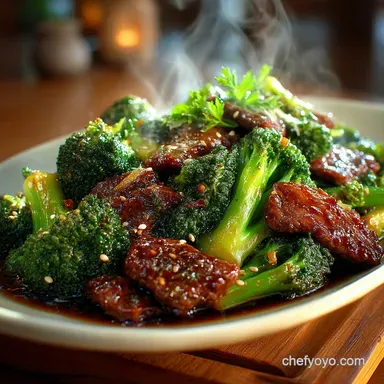
The Ultimate Velveted Beef and Broccoli Stirfry
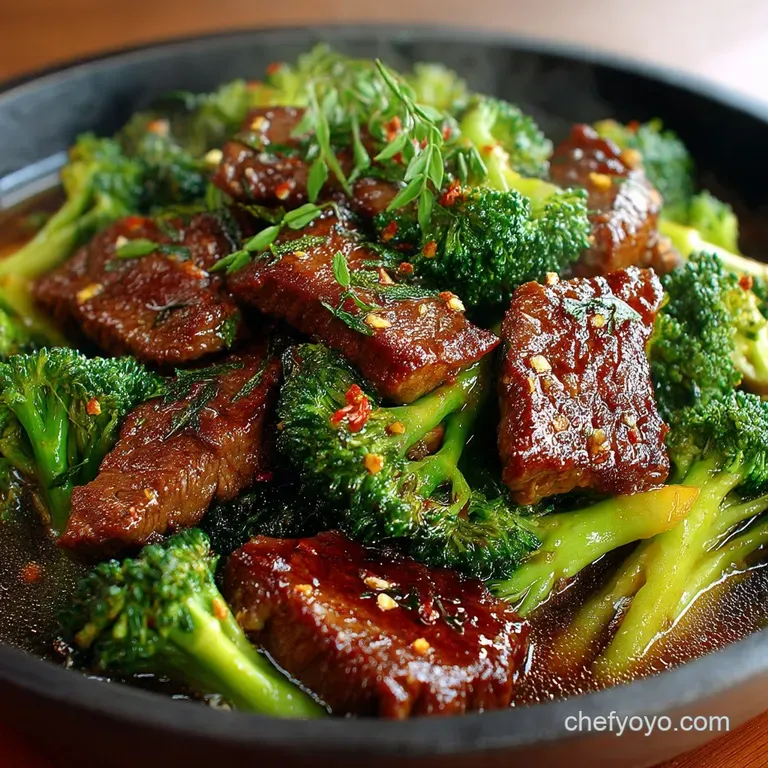
- Unlocking Restaurant Texture: The Magic of Velveting Beef
- Say Goodbye to Chewy Beef and Soggy Broccoli
- Gathering Your Components for Exceptional Beef and Broccoli
- Essential Tools and Preparation Steps Before You Stir-Fry
- Wok Heat Management: Preventing Steaming and Achieving Optimal Flavor
- Step-by-Step Guide to Cooking Tender Beef and Broccoli
- Expert Tips and Troubleshooting for Mastering This Beef and Broccoli Recipe
- Expanding the Menu: Easy Variations and Substitutions
- Making Ahead and Safe Storage Guidelines
- Recipe FAQs
- 📝 Recipe Card
Unlocking Restaurant Texture: The Magic of Velveting Beef
The difference between mediocre, chewy takeaway and truly extraordinary Homemade Beef and Broccoli comes down to a single technique: velveting. This is the secret method used by professional Cantonese chefs to tenderize proteins, ensuring that every piece of meat maintains its moisture and takes on that characteristic silky texture we crave.
Velveting involves treating the thinly sliced beef with a simple mixture of alkaline ingredients, starch, and liquid before it ever sees the heat of the wok. When executed correctly, this process transforms the structure of the meat, guaranteeing a supremely tender result that is impossible to achieve with standard pan-frying.
Say Goodbye to Chewy Beef and Soggy Broccoli
Many home cooks struggle with achieving the balance inherent in classic Asian stir-fries, namely, meat that is meltingly tender and vegetables that retain a vibrant snap. The common pitfalls are either overcrowding the pan, which lowers the temperature and causes the beef to steam (resulting in chewiness), or cooking the broccoli for too long, leading to a dull colour and mushy texture.
Our specific approach tackles these issues head-on, treating the protein and the vegetable components separately before uniting them in the final, glossy sauce, ensuring the Silky Beef and Broccoli texture is perfect every time.
Defining 'Velveted': Why This Technique Changes Everything
Velveting is achieved through a specific marinade involving cornstarch and, crucially, a tiny amount of baking soda. For 1.5 lbs of sliced beef, we use just 1/2 teaspoon of baking soda combined with 1 tablespoon of cornstarch, a touch of soy sauce, and oil.
The baking soda acts as a mild tenderizer by slightly raising the pH level of the surface proteins, preventing them from seizing up when exposed to the high heat of the wok. Meanwhile, the cornstarch creates a protective, almost invisible crust.
This coating locks the moisture inside the meat, resulting in that unbelievably desirable slick and tender mouthfeel characteristic of the finest restaurant cooking.
Quicker Than Takeout: Achieving Weeknight Stir-Fry Speed
While this recipe requires a minimum of 30 minutes for the marination process, a non-negotiable step for achieving tenderness, the active time is shockingly brief. Once the prep work is finished, the actual cook time is only about 12 minutes.
This makes the entire Beef and Broccoli stir fry recipe incredibly efficient for a weeknight dinner. Speed is possible because we utilize high heat and execute the cooking in quick, sequential phases, with all the components (sauce, beef, and broccoli) prepared and waiting right next to the stove.
Gathering Your Components for Exceptional Beef and Broccoli
Success in any stir-fry hinges on preparation, often referred to as mise en place . Before the wok is even lit, you must have three separate groupings of ingredients ready: the velveted beef, the pre-blanched broccoli, and the pre-mixed beef and broccoli sauce.
The beef itself should be 1.5 pounds of a suitable cut, such as flank, skirt, or sirloin, sliced thinly against the grain. We require four cups of broccoli florets, and a generous amount of fresh aromatics, including 1 tablespoon of minced ginger and three cloves of minced garlic, which will infuse the cooking oil with flavor before the liquid ingredients are added.
Essential Tools and Preparation Steps Before You Stir-Fry
While any large, heavy-bottomed skillet can manage this task, the ideal tool for a stir-fry is a wok. Its high, sloped sides allow you to toss ingredients efficiently and focus the heat intensely at the base. A spider strainer is also incredibly useful for quickly removing the flash-cooked beef from the hot oil.
Crucially, before marinating, ensure the meat is sliced uniformly (around 1/8 inch thick) and patted absolutely dry. Excess surface moisture prevents the marinade from adhering and inhibits a proper sear.
The Marinade: Essential Ingredients for the Velvetizing Process
The necessary mixture that forms the foundation of the beef and broccoli marinade contains the secret to texture. For the specified quantity of meat, you will combine 1 tablespoon of low-sodium soy sauce, that critical 1/2 teaspoon of baking soda, and 1 tablespoon of cornstarch (or potato starch).
A final tablespoon of neutral oil is also added to the marinade to lubricate the pieces, preventing them from sticking together during the chilling and initial searing processes. Once combined, the beef must rest for at least 30 minutes in the refrigerator to allow the tenderizing action to take hold.
Building the Perfect Umami-Rich Stir-Fry Sauce
The complexity of the final dish is centered entirely on the robust flavor profile of the beef and broccoli sauce. This must be whisked together in its entirety before cooking begins.
The base is 1 cup of low-sodium beef or chicken stock, fortified with 3 tablespoons of savory oyster sauce (or mushroom substitute) for depth, and balanced with 1 tablespoon of dark soy sauce for rich color and 2 tablespoons of standard low-sodium soy sauce for salt and umami.
A touch of sweetness from 1 tablespoon of brown sugar and 1 teaspoon each of sesame oil and rice vinegar completes the mixture, creating a savory, glossy coating.
Choosing the Right Cut of Beef for Maximum Tenderness
For stir-frying, lean, slightly tough cuts that respond well to rapid cooking are preferred. Flank steak is often considered the gold standard, but sirloin or skirt steak work beautifully as well. Regardless of the cut chosen, the direction of slicing is paramount.
You must slice the beef against the grain . Look closely at the muscle fibers; they should run perpendicular to your blade. This shortens the fibers, ensuring that even after the meat contracts under high heat, it remains tender and easy to chew.
Related Recipes Worth Trying
- Tender Beef and Broccoli Stir Fry The Secret to Silky Glossy Takeaway Sauce — Forget soggy takeaway This Beef and Broccoli recipe uses the velveting secret for truly Tender Beef Get a rich glossy Homemade Sauce in 15 minutes A proper...
- Beef Enchiladas with Red Sauce Rich Homemade Chili Sauce Recipe — Forget the cans Our proper Beef Enchiladas with Red Sauce feature a deeply smoky homemade chili sauce over savoury ground beef The ultimate Sunday comfort...
- FailProof Fluffy Jasmine Rice Perfect Water Ratio and Steam Method — Stop serving gummy rice Our foolproof guide to perfect jasmine rice cooking uses the proper ratio 1125 and the essential steam method Achieve fragrant...
Wok Heat Management: Preventing Steaming and Achieving Optimal Flavor
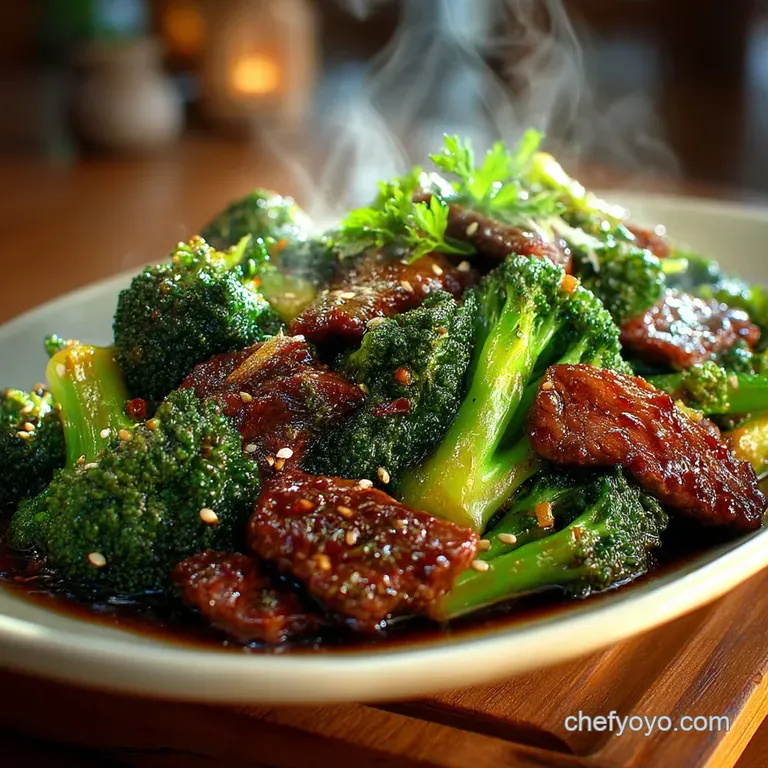
Mastering high heat is what defines a professional stir-fry. When searing the velveted beef, the wok needs to be smoking hot. This high temperature allows the meat to caramelize and brown rapidly (the Maillard reaction) before it releases its internal juices.
If the wok temperature drops, those juices are released into the pan, effectively turning the searing process into a stewing process, resulting in tough, grey meat. To maintain temperature, use a high smoke point neutral oil (like canola or groundnut) and, critically, cook the beef in small batches, no more than half the total quantity at a time.
Step-by-step Guide to Cooking Tender Beef and Broccoli
The total cook time is remarkably short, emphasizing that this Easy Beef And Broccoli recipe is a rapid-fire sequence of adding, searing, and mixing. After the beef is marinated and the broccoli is prepped, the focus shifts to efficiency and heat control.
The process starts with searing the protein, moves to softening the aromatics, and concludes with thickening the prepared sauce and combining the components.
Mastering the Sear: How to Flash-Cook the Velveted Beef
Begin by heating 2 tablespoons of neutral oil in the smoking hot wok. Add the first batch of velveted beef, ensuring the pieces are spread out and not heaped upon one another. Stir-fry aggressively for only 60 to 90 seconds. The goal is a nice browned exterior while the interior is still slightly pink and juicy.
Do not fully cook the meat, as it will finish cooking when tossed back into the thickened sauce later. Immediately remove the seared beef using a spider strainer and set it aside. Repeat the process with the remaining beef, adding a little more oil if necessary.
Blanching vs. Steaming: Prepping the Broccoli for Crispness
To guarantee vibrant green colour and a perfect tender-crisp texture, the broccoli florets should be blanched before entering the stir-fry. Bring a pot of lightly salted water to a rolling boil and add the broccoli. Cook for a maximum of 1.5 to 2 minutes.
The instant they turn a brilliant, intensified green, scoop them out and plunge them immediately into an ice bath or run them under cold tap water. This process halts the cooking, setting the colour and crispness. Drain the blanched broccoli thoroughly before the final combination step.
High Heat Strategy: Combining Ingredients for a Glossy Finish
With the beef seared and the broccoli blanched, the final phase involves the aromatics and sauce. Add the minced ginger and garlic to the wok and stir-fry quickly for about 30 seconds until fragrant; garlic burns easily, so monitor closely.
Next, pour in the prepared beef and broccoli sauce mixture and bring it to a rapid simmer. Whisk the cornstarch slurry (1 Tbsp cornstarch mixed with 2 Tbsp cold water) one last time, then slowly drizzle it into the simmering liquid, stirring constantly.
Within a minute, the sauce will thicken and become beautifully glossy. Return the seared beef and the blanched broccoli to the wok and toss everything together for a final 30 seconds to coat evenly and reheat the ingredients.
Expert Tips and Troubleshooting for Mastering This Beef and Broccoli Recipe
To achieve the ultimate version of this dish, stick rigidly to the three core technical elements. First, always slice the beef against the grain and utilize the full 30-minute chill time after applying the baking soda and cornstarch marinade.
Second, never compromise on heat: the wok must be smoking hot before the meat goes in, and you must cook the beef in separate batches to prevent temperature drop. Finally, the pre-cooking of the broccoli via blanching is essential.
Following these steps ensures your beef remains unbelievably tender and the resulting sauce is glossy, sticky, and completely coats the components of your Homemade Beef and Broccoli .
Expanding the Menu: Easy Variations and Substitutions
The foundational techniques of this beef and broccoli recipe are highly versatile. If you need a gluten-free option, simply substitute all required soy sauces with Tamari or a certified gluten-free alternative, and ensure your stock is also certified safe.
For those who enjoy an added layer of complexity, substitute 1 cup of the broccoli with thinly sliced shiitake or cremini mushrooms, which can be added with the aromatics. Alternatively, for a slightly different flavour profile, swap the oyster sauce for hoisin sauce, which offers a thicker, sweeter finish.
Making Ahead and Safe Storage Guidelines
Stir-fries are best enjoyed immediately upon completion to maximize the texture of the meat and vegetables. However, leftovers of this Beef and Broccoli dish can be stored safely in an airtight container in the refrigerator for three to four days. To reheat, gently warm in a skillet or microwave.
The sauce may thin slightly upon reheating, but the flavor remains excellent. Freezing is not recommended as the thawed sauce will likely break and separate.
Troubleshooting: Why Is My Sauce Too Thin (or Too Gloppy)?
The consistency of the finished sauce is determined by the cornstarch slurry. If your sauce is too thin, it means you need slightly more thickener. Immediately whisk together another small slurry (1/2 tsp cornstarch and 1 tsp cold water) and slowly add it to the simmering sauce, stirring until the desired glossiness is achieved.
Conversely, if your sauce ends up too gloppy or thick, simply whisk in a splash (1 or 2 tablespoons) of warm beef or chicken stock until the texture loosens to your preference. Remember to always whisk the slurry just before adding it to ensure the starch hasn't settled at the bottom of the cup.
Suggested Servings: Pairing Stir-Fry with Rice and Noodles
The deep, savory, and glossy sauce demands an absorbent accompaniment. The classic choice is perfectly cooked Steamed Jasmine Rice, which serves as a sponge for the remaining liquid. For a richer side, a quick Egg Fried Rice adds textural interest.
If you prefer noodles, thick, pan-fried Chow Mein noodles offer a satisfying bite. For contrast, consider serving the stir-fry alongside a light, crunchy Asian slaw dressed simply with sesame oil and ginger vinaigrette.
Alternative Proteins: Making Chicken and Broccoli the Restaurant Way
The true brilliance of the velveting technique is its applicability to nearly any protein. If you wish to make Chicken and Broccoli the restaurant way, use the exact same process. Chicken breast or thigh, sliced thinly, responds equally well to the baking soda and cornstarch marinade, resulting in supremely tender pieces.
The same goes for pork tenderloin. Simply swap the 1.5 lbs of beef for the alternative protein and follow the Easy Beef And Broccoli steps exactly.
Flavor Swaps: Integrating Homemade Teriyaki or Oyster Sauce
While our primary recipe uses oyster sauce as the backbone for that quintessential Chinese-American savory flavor, the beef and broccoli sauce is easily customized. If you need a lighter, sweeter profile, you could integrate a high-quality homemade teriyaki sauce.
Be mindful that teriyaki is typically thicker and sweeter, so you may need less added sugar in the sauce mix and potentially less cornstarch slurry. Hoisin sauce is another fantastic substitution for oyster sauce, providing a sweeter, denser consistency that still clings beautifully to the beef and broccoli.
Recipe FAQs
My beef always comes out a bit chewy, like old boots. How do I get that silky, restaurant-style texture?
This is the secret ingredient moment! The key is 'velveting,' specifically using the baking soda in the marinade. The baking soda alkalises the meat fibres, creating that unbelievably tender texture.
Never skip that 30-minute chill time, and crucially, make sure your wok is absolutely scorching hot when you sear the meat in small batches, don't overcrowd the pan, or you'll boil it, not sear it.
This Beef and Broccoli looks lovely, but my doctor keeps giving me the side-eye about salt. Can I make this lower in sodium?
Absolutely. The biggest sodium culprits are the soy sauce and oyster sauce. Swap standard soy for a very low-sodium variety (or Tamari), and try cutting the amount of oyster sauce by a third, relying more on the stock for liquid.
You might also consider adding a pinch of MSG (if you're feeling adventurous) to boost the savouriness without relying entirely on salt.
My sauce always tastes great but ends up thin and runny, like dishwater. What’s the trick to getting that glossy, thick coating?
The magic is in the cornstarch slurry, but the timing is vital. Ensure you whisk the slurry thoroughly just before you pour it into the bubbling sauce, as the starch settles quickly.
A good rule of thumb: simmer the sauce vigorously for about 30 seconds after adding the slurry until it’s thick enough to coat the back of a spoon, creating that desirable glossy finish.
I’m cooking for one, sadly. Will the leftovers keep, and how should I reheat this stir-fry?
Yes, this stir-fry is a decent meal prep option, but the texture will naturally soften upon cooling. Store the leftovers in an airtight container in the fridge for up to three days.
When reheating, ditch the microwave; use a very hot pan or wok with a tiny splash of fresh oil instead, this prevents the sauce from becoming watery and helps revive the crispness of the broccoli.
I don't have fresh broccoli to hand. Can I use frozen florets instead, or swap the vegetable?
While fresh is best for texture, you can use frozen, but be cautious as they hold a lot of water which can dilute your glorious sauce. If using frozen, thaw them completely first and pat them bone-dry before adding them to the pan (skip the blanching step).
Excellent alternative vegetables that hold up well include asparagus spears or crunchy green beans.
Proper Homemade Beef and Broccoli Recipe The Silky Velveting Secret