The Perfect Crack Classic French Vanilla Crème Brûlée
- Demystifying the Decadence: Why This Custard Reigns Supreme
- The Secret to That Signature Shatter: A Culinary Cornerstone
- Gathering the Gold Standard Components for Brûlée Bliss
- Essential Equipment: Tools for the Perfect Bake and Blast
- The Gentle Art of Custard Preparation: From Simmer to Sieve
- Baking Secrets: Mastering the Bain-Marie Technique
- The Grand Finale: Achieving the Iconic Caramelized Top
- Troubleshooting Common Crème Brûlée Catastrophes
- Recipe FAQs
- 📝 Recipe Card
Demystifying the Decadence: Why This Custard Reigns Supreme
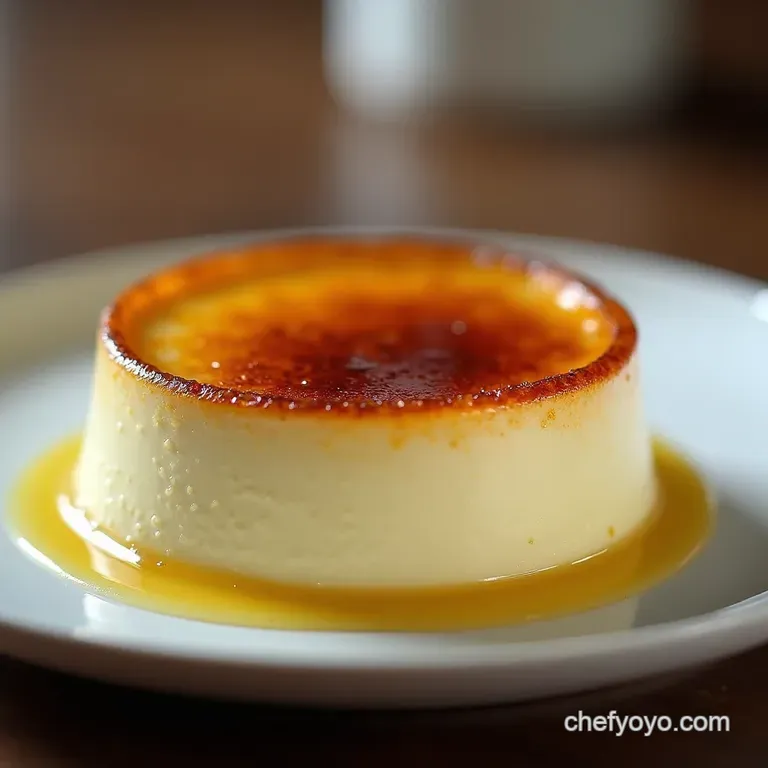
There is perhaps no dessert that captures the essence of refined dining quite like the Classic French Creme Brulee . It embodies a perfect, almost theatrical juxtaposition: the cool, yielding silkiness of the baked custard meeting the sharp, audible crunch of caramelized sugar.
It’s a dessert that demands respect for its simplicity, relying entirely on impeccable technique rather than a laundry list of obscure ingredients. This French Creme Brulee Recipe is your gateway to mastering this iconic treat, transforming everyday heavy cream and egg yolks into something truly memorable.
Achieving that signature shatter is not a matter of luck; it’s a deliberate process of gentle heating, precise timing, and a final, dramatic blast of heat.
The Secret to That Signature Shatter: A Culinary Cornerstone
The heart of a superb Cream Brulee lies in the contrast. If the custard is too loose, it won’t support the sugar crust; if the crust is too thick or uneven, the textural harmony is lost. This balance is built layer by layer, starting long before the torch is ignited.
Unpacking the Allure of Authentic Classic French Creme Brulee
The history of this dessert is debated across Europe, but its modern, formalized presentation belongs firmly to the repertoire of Classic French Desserts . Unlike its cousin, the Classic French Creme Caramel (which uses caramelized sugar poured into the mold before the custard), the brûlée —or burnt version requires the sugar to be added last.
This distinction is vital; it keeps the creamy base pristine and ensures the topping is fresh, brittle, and ready to crack upon impact.
More Than Just Dessert: A Nod to European Patisserie
Creating a spectacular Traditional French Creme Brulee Recipe is an exercise in understanding heat transfer. This isn’t about high temperature cooking; it’s about patience.
The baking method using a water bath is a cornerstone technique in European patisserie designed specifically to insulate delicate mixtures like custards, ensuring they cook evenly without curdling or developing hard edges.
Setting Expectations for Silky Smooth Results
To truly appreciate this dish, you must aim for perfection in texture. We are targeting a custard that is dense yet melts languidly on the tongue, utterly smooth from edge to edge.
This means carefully managing air incorporation during mixing and being ruthless about straining the base mixture before it ever sees the oven.
Gathering the Gold Standard Components for Brûlée Bliss
The ingredient list for our Classic Creme Brulee is deceptively short, meaning the quality of each component shines through. We are using 2 ½ cups of heavy cream (600 ml), ½ cup of granulated sugar for the custard base (100 g), 6 large egg yolks, a teaspoon of pure vanilla extract, and a small pinch of salt to cut the richness.
The topping requires only about 45 grams of fine granulated sugar spread thinly across the chilled surface.
Essential Equipment: Tools for the Perfect Bake and Blast
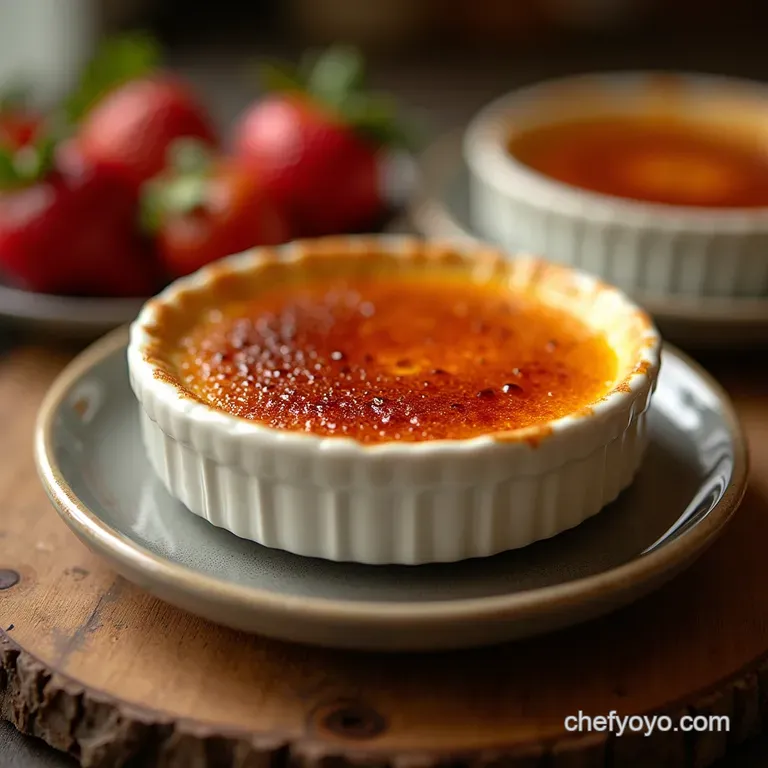
While the ingredients are basic, the specialized tools help bridge the gap between home baking and professional results. You will need 6 standard 6-ounce ceramic ramekins, a large roasting pan deep enough to serve as a water bath, a fine mesh sieve, and, critically, a kitchen blowtorch.
Heavy Cream vs. Crème Fraîche: Choosing Your Richness Base
For true decadence, stick strictly to heavy cream, boasting at least 35% fat content (600 ml in our recipe). Milk or half and-half lacks the necessary fat solids required to stabilize the custard structure during baking, resulting in a watery, weepier finished product.
While some modern recipes incorporate crème fraîche for a slight tang, for a truly classic preparation, heavy cream provides the necessary luxurious mouthfeel.
Vanilla Bean Purity: Infusing Deep Aromatic Notes
Nothing broadcasts quality like real vanilla. While a teaspoon of pure vanilla extract (5 ml) works beautifully, the ultimate aromatic infusion comes from splitting one whole vanilla bean, scraping the tiny seeds directly into the warming cream, and allowing them to steep.
The tiny flecks suspended in the finished custard are a visual cue of superior flavor.
The Critical Role of Egg Yolks in Custard Structure
We rely exclusively on 6 large egg yolks for setting this custard. Yolks provide fat and emulsifiers which create a rich, creamy texture that baked milk alone cannot achieve. It’s crucial not to over whisk the yolks; we are looking for homogeneity, not volume or foam, as excess air leads to undesirable pitting on the surface.
Sugar Selection: Granulated vs. Caster for Caramelization
For the custard base itself, standard granulated sugar (100 g) dissolves perfectly when heated gently with the cream. However, for the topping , using a finer sugar, perhaps closer to caster sugar, helps create a more uniform, thinner layer that caramelizes more predictably when torched.
Related Recipes Worth Trying
- Best Classic New York Cheesecake Recipe CrackFree The Heritage Kitchen — Master the truly authentic Classic New York Cheesecake This recipe guarantees that dense creamy texture and uses sour cream for the perfect tang Get...
- Sunshine in a Bowl Quick Zesty Classic Shrimp Ceviche — Whip up this authentic easy Shrimp Ceviche recipe using the power of fresh lime Its bright punchy and the perfect light seafood dinner Get the foolproof...
- The Best Classic Beef Stew Recipe for Winter Comfort — Forget watery versions learn how to make the best beef stew with meat that melts in your mouth This classic beef stew recipe builds deep flavour from...
The Gentle Art of Custard Preparation: From Simmer to Sieve
The initial cooking phase focuses on infusing flavor and dissolving the sugar. Combine the cream, ½ cup of sugar, and salt in a saucepan, heating gently until the mixture is steaming you’ll see tiny bubbles form around the edges, but avoid a rolling boil.
Once removed from the heat, stir in the vanilla. The next vital step is tempering: slowly whisking about one cup of the hot cream mixture into the separate bowl containing the 6 egg yolks. This gentle warming process prevents the yolks from shocking and scrambling.
After tempering, combine the yolk mixture back into the remaining cream. Finally, pour the entire liquid through a fine mesh sieve (Step 4). This action filters out any stray cooked egg particles or vanilla pods, guaranteeing that signature silky texture required of Classic French Creme Brulee .
Baking Secrets: Mastering the Bain Marie Technique
We bake our Classic French Desserts base at a modest 300° F ( 150° C). Place the filled ramekins into a large roasting pan before adding any liquid.
Tempering the Eggs Without Scrambling: A Patient Approach
As detailed previously, the slow addition of hot liquid to the yolks is paramount. Remember, the goal here is hydration and gentle coagulation , not rapid cooking. Whisk steadily but calmly during this phase.
Water Bath Wisdom: Ensuring Even, Gentle Cooking
Once the custard is divided among the ramekins, carefully pour boiling water into the roasting pan until the water reaches halfway up the sides of the ramekins. This bain marie acts as a buffer, regulating the oven's direct heat. Baking proceeds for 35 to 45 minutes.
The custard is done when the edges look set, but the very center still possesses a slight, jelly like wobble it will continue to set as it cools.
Chilling Protocol: Why Rest Time Matters for Firmness
Remove the ramekins from the water bath immediately and allow them to cool on a rack to room temperature. They must then be chilled, covered, for a minimum of four hours, though overnight is best.
This long, cold rest is non-negotiable; it allows the proteins to fully set, firming the structure needed to support the caramelized topping.
The Grand Finale: Achieving the Iconic Caramelized Top
This is the moment of truth that separates a good custard from a true Classic French Creme Brulee . The custard must be deeply chilled before proceeding.
Torch Technique: Achieving an Even, Amber Crust on Your Classic French Creme Brulee
Sprinkle a very thin, even layer of the topping sugar (about 3 tablespoons total, distributed) over the cold custard surface. Ignite your kitchen blowtorch. Hold the flame a few inches away from the sugar and move it constantly in small, overlapping circles.
You will see the sugar melt, bubble violently, and quickly turn from white to pale gold, and then to a rich amber brown.
Troubleshooting Common Crème Brûlée Catastrophes
If your custard cracks or curdles, it’s almost always due to overheating either the cream was boiled too aggressively, or the water bath was too shallow or too hot. If the sugar topping becomes chewy rather than crisp, it means the custard underneath was warm or that you applied the sugar too thickly, causing it to melt into the custard rather than caramelize on top.
Preventing the Dreaded 'Weeping' Custard
Weeping, or the appearance of beads of liquid on the custard surface after baking, usually happens if the custard is undercooked or cooled too slowly. Ensure your water bath is actively hot and that you remove the ramekins promptly once they achieve that slight central wobble.
make-ahead Strategies for Effortless Entertaining
The custard base can be prepared up to two days in advance, kept chilled, and covered tightly. Crucially, do not add the sugar topping until just moments before you plan to serve. Sugar absorbs moisture from the cold custard over time, destroying the potential for a crisp crust.
Incorporating Subtle Flavors: Nutmeg, Coffee, or even Banana Notes
While the purest form celebrates vanilla, subtle additions are welcome. A light grating of fresh nutmeg dusted over the top before torching enhances warmth, or for a variation on the Pumpkin Creme Brulee theme (without the squash), you could infuse the cream with autumnal spices like clove and cinnamon during the warming stage.
Safe Storage and Re-Brûlée Timing
Chilled custard bases store well for 48 hours. If you pre-torch a batch, the crust will soften dramatically within an hour due to moisture migration. For optimal results, only torch what you are about to serve; if you must re-torch leftovers, gently scrape off the softened sugar layer and apply a fresh dusting before applying the heat again.
Recipe FAQs
Why is my Classic French Crème Brûlée custard runny in the middle?
This usually points to undercooking, meaning the internal temperature hasn't quite reached the setting point. Remember, it should wobble like firm jelly, not liquid soup! If you’re worried about overcooking, next time try reducing the oven temperature slightly and leaving them in for an extra 5 minutes patience is a virtue here.
How can I avoid getting bubbles on the top of my custard before I torch it?
Ah, the dreaded bubbles! That's generally caused by over whisking the egg yolks or pouring the hot cream in too fast during tempering. To get that pristine surface, always whisk the yolks just enough to combine, strain the final mixture at least once through a fine sieve, and pour gently when setting up the water bath.
Can I make the custard base ahead of time, and how long can I store it?
Absolutely! The custard base needs to be completely chilled to set properly, so making it ahead is highly recommended; overnight is perfect. Store the chilled, un-torched ramekins tightly covered with cling film in the fridge for up to three days.
My sugar topping burned before it caramelized properly what's the trick to that perfect crack?
This is a common sticking point! Ensure your custard is fridge cold before sprinkling the sugar on; the contrast helps the sugar melt quickly without heating the cream underneath. Keep your torch moving constantly in small, sweeping circles to achieve an even amber crust without scorching any single spot.
I don’t have a blowtorch; can I still finish my Classic French Crème Brûlée?
While the torch gives that signature crack, you can use your oven's broiler (grill) in a pinch, but be warned it's less precise. Place the chilled ramekins on a baking sheet on the highest rack, keep the oven door slightly ajar, and watch them like a hawk; they can go from perfect to burnt in seconds!
Is there a lighter way to make this dessert without using so much heavy cream?
Crème Brûlée relies on that high fat content for its richness, so cutting back drastically will change the texture significantly. For a slightly lighter take, you could substitute half the heavy cream with half and-half, but be prepared for a slightly less decadent mouthfeel, as it won't be quite as luxurious.
Classic Vanilla Creme Brulee
Ingredients:
Instructions:
Nutrition Facts:
| Calories | 415 kcal |
|---|---|
| Protein | 2.7 g |
| Fat | 4.9 g |
| Carbs | 36.5 g |
| Fiber | 0.5 g |
| Sodium | 101 mg |
