Cloud Nine Comfort the Ultimate Creamy Homemade Mashed Potatoes
- The Quest for Unforgettable Creamy Homemade Mashed Potatoes
- Why This Technique Yields Fluffier Results Than Ever
- The Essential Pantry Components for Richness
- Mastering the Boil: Preparing Potatoes for Perfection
- The Crucial Integration Phase: Folding in the Fats and Liquids
- Elevating Your Spuds: Next-Level Flavor Enhancements
- Recipe FAQs
- 📝 Recipe Card
The Quest for Unforgettable Creamy Homemade Mashed Potatoes
There are few dishes that evoke the same sense of deep, nostalgic comfort as perfectly executed mashed potatoes. When achieved correctly, they transcend being a mere side dish and become the star component of any impressive spread.
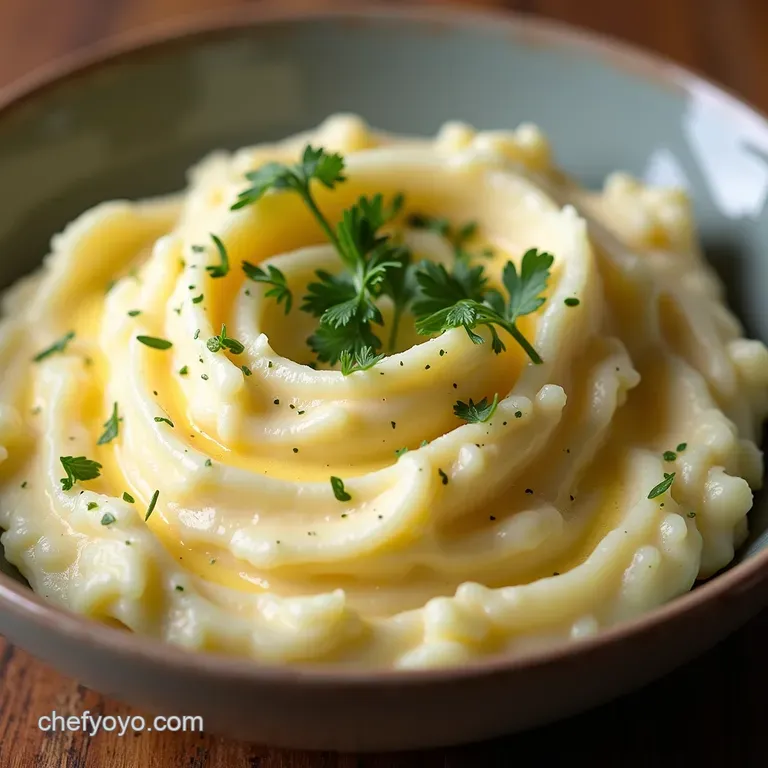
Our focus today is crafting Creamy Homemade Mashed Potatoes —a staple among Dinner Side Dishes —that achieves an ethereal lightness while retaining a rich, luxurious mouthfeel.
Forget the grainy, watery results of years past; this method is designed to deliver velvety perfection every single time, making this our definitive Best Mashed Potatoes Recipe .
Why This Technique Yields Fluffier Results Than Ever
The secret to truly spectacular mash lies not just in the ingredients, but in respecting the physical nature of the starch within the potato. We are aiming for a delicate structure that absorbs fat and liquid beautifully, yielding Fluffy Mashed Potatoes that don't become dense or gluey upon standing.
Shattering the Myth of Lumpy Mash
Lumps are the sworn enemy of the home cook aiming for smooth mash. They usually arise from either cutting the potatoes unevenly, resulting in some chunks being undercooked, or from incorporating cold ingredients too rapidly.
By ensuring uniform chopping and rigorously drying the potatoes post boil, we eliminate the structural weaknesses that lead to those unwelcome, dense pockets.
A Pillar of Comfort Food: Defining the Perfect Texture
What separates good mashed potatoes from truly great ones? Texture, hands down. We are seeking something that flows easily when scooped but holds its shape slightly on the plate. Achieving this balance requires patience during the integration phase, carefully adding fats and dairy until the desired creamy consistency is met, leading to truly glorious Creamy Homemade Mashed Potatoes .
Setting the Stage: What Makes These Potatoes Divine?
Our foundation for this decadent experience begins with selecting high starch potatoes Russets or Yukon Golds work beautifully and treating them with respect from the very first chop.
This foundational approach ensures that our Easy Mashed Potatoes Homemade are anything but standard fare. The entire process, detailed in this Mashed Potatoes step-by-step guide, is designed for maximum richness and smoothness, yielding six generous servings perfect for any gathering.
The Essential Pantry Components for Richness
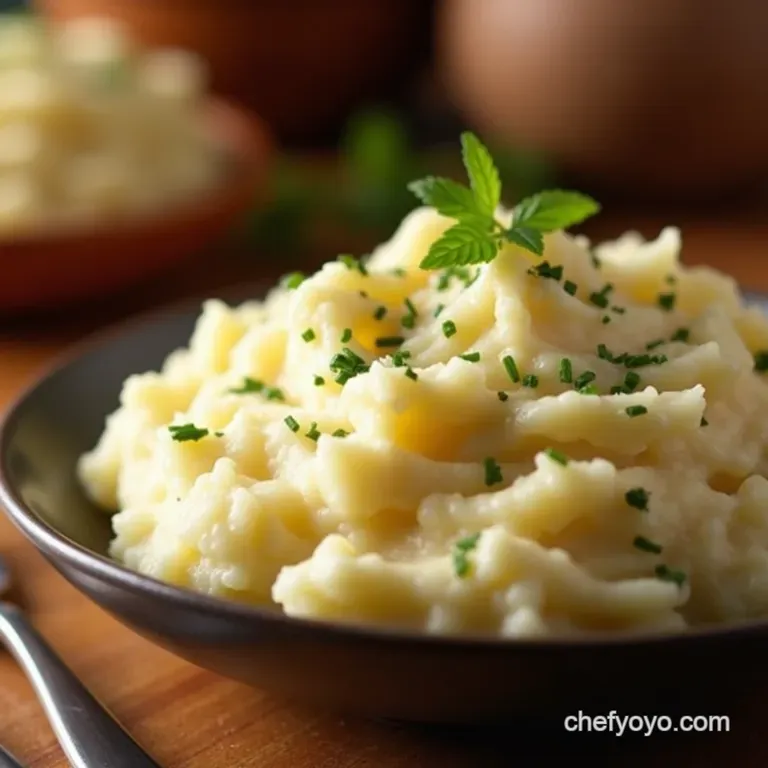
When building flavour into something as simple as potatoes, quality matters intensely. Since there are so few components, each one must pull its weight. We rely on simple, high-quality items to build that signature creamy profile.
Selecting Your Starchy Foundation: Potato Choice Matters
For the ultimate light and fluffy result, we rely on Russet or Yukon Gold potatoes, peeled and cut into uniform 1.5 inch chunks. The high starch content of these varieties breaks down easily during boiling, creating a naturally creamy base that requires less aggressive handling than waxy types.
Dairy Gold Standard: Achieving Peak Creaminess
To create the signature richness associated with true Creamy Homemade Mashed Potatoes , we use a blend of heavy cream (or double cream) and whole milk. Using full fat options is non-negotiable here; this fat content is what prevents the mash from tasting thin or watery.
For those seeking alternatives, the possibility of Creamy Mashed Potatoes Without Milk exists, but requires a dedicated swap to high fat alternatives like cashew cream or full fat coconut milk to mimic the necessary decadence.
The Unsung Heroes: Butter, Salt, and Pepper Ratios
Butter introduces flavour, moisture, and binding power. We use a generous 6 tablespoons of cubed, room temperature unsalted butter, allowing it to melt into the hot potato starch first, creating a beautiful emulsion before liquids are added.
Seasoning starts in the water itself two tablespoons of Kosher salt in the cooking liquid ensures the flavour penetrates deep inside every spud, not just resting on the surface.
Essential Gear for Lump Free Mashing
While a sturdy wooden spoon works, an excellent potato masher is key. For those who demand the absolute smoothest texture reminiscent of restaurant quality, a potato ricer is the best investment.
It forces the cooked potato through small holes, preventing the starch molecules from being overdeveloped, which is essential for achieving that flawless texture central to the Creamy Homemade Mashed Potatoes Recipe .
Related Recipes Worth Trying
- The Comfort King Secretly Moist Homemade Meatloaf Recipe — Tired of dry bricks Learn how to make a truly moist homemade meatloaf with a tangy glaze This easy beef meatloaf recipe is pure comfort food gold
- Properly Posh Marmite Roast Potatoes Ultimate Crispy Recipe — Transform your Sunday Lunch with these Proper Marmite Roast Potatoes Get intensely savoury flavour and that essential crispy exterior See the simple steps now
- Slimming World Marmite Roast Potatoes Syn Free Crispy Perfection — Ditch the goose fat These Slimming World Marmite Roast Potatoes deliver incredible umami crunch perfectly adapted for your healthy eating plan Get the...
Mastering the Boil: Preparing Potatoes for Perfection
The cooking process is where we lock in the potential for fluffiness. Timing and salinity are paramount here.
The Crucial Integration Phase: Folding in the Fats and Liquids
This is the make-or-break moment when the textures of fat, liquid, and starch finally unite. Success hinges on maintaining heat and working gently.
The Cold Start Method: Ensuring Uniform Cooking
Begin by placing the chopped potatoes into a large stockpot and covering them with cold water. Bringing them up to a boil slowly allows the exterior and the interior of the potato chunks to cook simultaneously.
If you drop them into already boiling water, the outside turns to mush while the inside remains hard, guaranteeing lumpy results later.
Draining Secrets: Removing Every Trace of Moisture
Once fork tender meaning a fork slides in with absolutely no resistance drain the potatoes immediately and thoroughly in a colander. But don't stop there! Return the empty, still hot pot to the stove over the lowest possible heat setting.
Add the drained potatoes back to the hot, dry pot for about one or two minutes. Swirl them gently; this crucial steaming phase evaporates residual surface water, preventing dilution later and contributing to a drier, fluffier final product.
Pre-Warming Dairy: The Temperature Key to Creamy Homemade Mashed Potatoes
While the potatoes steam dry, gently warm your heavy cream and milk together in a small saucepan until they are steaming hot but not actively boiling. Adding cold dairy to hot potatoes shocks the starch, causing it to seize up and leading to a gluey, heavy mash.
Warm dairy integrates smoothly, keeping the overall temperature high and promoting that signature velvety finish central to How to Make Creamy Mashed Potatoes .
The Gentle Fold: Introducing Ingredients Incrementally
Remove the pot from the heat entirely. First, add the room temperature butter cubes to the hot, dry potatoes. Gently mash and fold until the butter has melted completely and is absorbed. Then, introduce the warm cream and milk mixture gradually, folding and mashing only until just combined.
The moment you achieve your desired texture, stop mixing. Overworking activates too much starch, shifting your beautiful Potato Side Dishes for Dinner into an undesirable paste.
Elevating Your Spuds: Next Level Flavor Enhancements
While the base recipe delivers pure, classic comfort, simple additions can transform these into something extraordinary suitable for any Dinner Side Dishes menu.
Aromatic Infusions: Cooking Herbs with Your Potatoes
For a subtle layer of flavour without altering the texture, try infusing your warm dairy. Gently simmer a few sprigs of fresh thyme or a crushed clove of garlic in the cream and milk mixture for five minutes before straining and adding it to the potatoes.
This introduces deep, warm notes that complement the richness of the butter.
The Never Fail Rule for Whipping Up the Smoothest Mash
If lumps are your ultimate nemesis, do not rely solely on the masher; use a potato ricer. This single piece of equipment forces the cooked potato through small uniform openings, guaranteeing an incredibly light and consistent texture that is difficult to achieve otherwise.
Reviving Leftovers: How to Bring Back the Original Fluff
Leftovers tend to stiffen as the starch fully sets. To revive them, place them back into a pot over very low heat. Add a splash more warmed milk or a pat of butter, stirring slowly until they loosen back up. Avoid microwaving large batches, as this heats unevenly and often results in dry spots.
From Garlic to Gruyère: Creative Custom Variations
Once you master the basic technique, feel free to experiment. Stirring in finely grated sharp Gruyère cheese or Parmesan at the very end adds a salty, nutty dimension. For a vibrant finish, fold in a generous amount of fresh chives and parsley just before serving.
These variations allow you to customize your Creamy Homemade Mashed Potatoes for any occasion.
Recipe FAQs
How do I stop my Creamy Homemade Mashed Potatoes from turning gluey or watery?
The two biggest culprits are temperature shock and overworking the starch. Always ensure your cream and milk are gently warmed before adding them to the hot potatoes; cold dairy sinks the temperature instantly.
Also, once the liquid goes in, stop mashing as soon as the mixture is just combined treat them gently, like you’re fluffing a pillow!
What's the best type of potato to use for the ultimate creamy result?
For that gloriously fluffy, creamy texture, you really want a high starch potato, which is why Russets (or Maris Pipers if you’re cooking British style) are top-tier. Yukon Golds are a fantastic compromise as they hold slightly more moisture but yield a beautiful buttery colour and texture.
Can I make these mashed potatoes ahead of time? I'm hosting a big Sunday lunch!
You absolutely can prep ahead, though they are best served fresh. You can boil and mash the potatoes, then mix in the butter (but hold the cream). When ready to serve, reheat the mash gently on the stovetop over low heat, then stir in your warm cream until smooth. Do this slowly, or you risk drying them out.
My potatoes always seem to taste a bit bland. How can I inject more flavour?
Salt is your best friend here! Make sure you heavily salt the water you boil them in this seasons them from the inside out, which is crucial. For extra pizzazz, try simmering your cream with a crushed garlic clove or a sprig of thyme before adding it to the mash for a subtle infusion.
I don't have heavy cream; what other liquids can I use in this recipe?
If you’re out of heavy cream, you can generally substitute it with half and-half or evaporated milk for a good result, ensuring you still warm it first. For a lighter version, you can use whole milk, but be aware your final mash won't be quite as rich or decadent as the recipe intends.
Why do I need to dry the potatoes after draining them?
This is a classic trick to avoid that dreaded watery mash! After draining them well, return the potatoes to the hot pot over very low heat for a minute or two. This allows any remaining surface moisture to steam right off, ensuring they absorb the rich butter and cream instead of just getting soggy.
Creamy Homemade Mash
Ingredients:
Instructions:
Nutrition Facts:
| Calories | 258 kcal |
|---|---|
| Protein | 5.9 g |
| Fat | 19.2 g |
| Carbs | 16.0 g |
| Fiber | 4.7 g |
| Sodium | 6836 mg |
