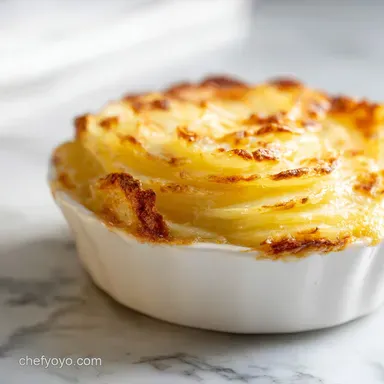
Scalloped Potatoes: Creamy and Cheesy
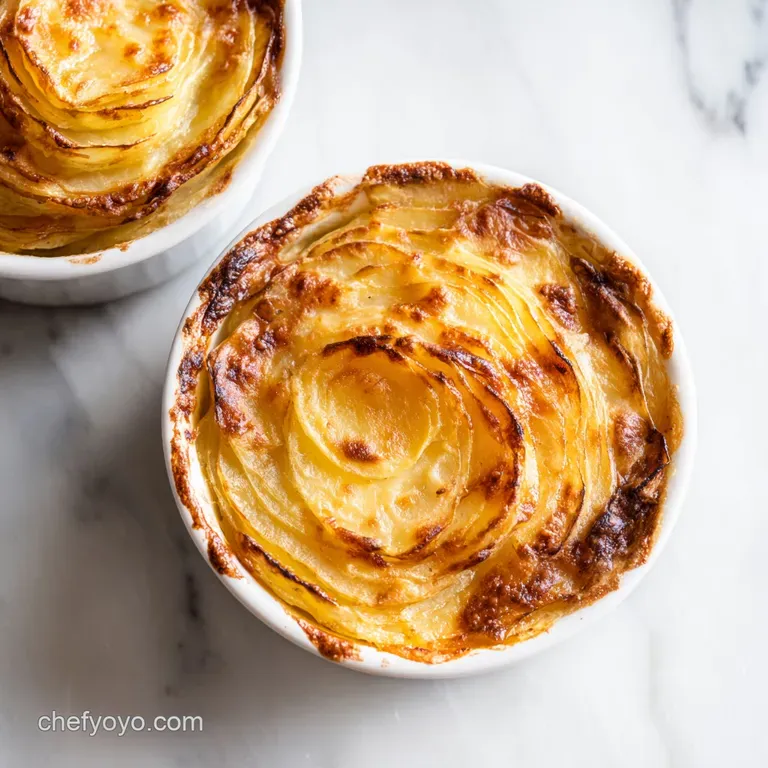
- Time:15 minutes active + 70 minutes baking = Total 85 minutes
- Flavor/Texture Hook: Velvety cream sauce with a mahogany, bubbling cheese crust
- Perfect for: Holiday dinners, Sunday roasts, or a cozy winter side
- 🍂 Cozy Traditions of Scalloped Potatoes
- Why the Sauce Stays Velvety
- The Quick Rundown
- Wholesome Ingredients List
- Minimal Tools for Success
- Step-by-Step Baking Guide
- Fixing Common Potato Problems
- Twists on the Classic
- Adjusting the Batch Size
- Potato Truths
- Storage and Zero Waste
- The Best Side Pairings
- Recipe FAQs
- 📝 Recipe Card
🍂 Cozy Traditions of Scalloped Potatoes
Imagine the smell of nutmeg and melted butter filling your kitchen, that warm, nutty aroma that tells you something comforting is happening in the oven. I remember the first time I tried making this for a family gathering. I was convinced that to get the potatoes tender, I had to pre boil them for a few minutes.
I thought it was a "secret" trick to save time, but it was a total disaster. The result was a mushy, watery mess that looked more like porridge than a structured bake.
That mistake taught me that the magic of Scalloped Potatoes happens in the oven, not on the stove. When you layer raw, thinly sliced potatoes with a thick cream sauce, the potatoes release their own starch slowly into the liquid.
This creates a natural thickening effect that you just can't replicate if you start with pre cooked spuds. Now, I stick to the raw slice method every single time.
You can expect a dish that is creamy on the inside and has a slightly crisp, shatter like quality on the top edges. It's a rustic, wholesome side that feels like a hug on a plate. We're going for a mahogany colored top, not just a light tan, because that's where the deepest flavor lives.
Let's crack on and get this into the oven.
Why the Sauce Stays Velvety
I used to wonder why some versions of this dish ended up oily while others stayed smooth. After a lot of trial and error, I realized it's all about the base. If you've ever made my Creamy Homemade Mash, you know that fat and starch need to be properly bonded.
The Roux Method: Cooking flour in butter before adding milk creates a stable bond, which prevents the sauce from breaking or separating under high heat.
Starch Integration: As the potatoes bake, they release amylose, a type of starch that naturally thickens the surrounding cream. This is why using a potato with the right starch content, as explained by Serious Eats, is the secret to a sauce that doesn't run.
Controlled Evaporation: Using foil for the first 40 minutes traps steam, which cooks the potatoes through before the cheese on top burns.
Dairy Balance: Combining whole milk and heavy cream provides enough fat for a silky mouthfeel without making the dish feel overly heavy or greasy.
| Method | Time | Texture | Best For |
|---|---|---|---|
| Classic Oven | 85 mins | Structured and bubbly | Holiday feasts |
| Slow Cooker | 4-6 hrs | Very soft and tender | Set and forget meals |
| Stovetop | 40 mins | Creamier, less crust | Quick weeknight sides |
The Quick Rundown
Before we dive into the ingredients, let's look at the numbers. This is a straightforward process, but timing is everything. If you pull these out too early, you'll have hard potato discs in the center. If you leave them too long, the cream can break.
The prep is fast, mostly just slicing and whisking. The real work is done by the oven. I usually start these about two hours before I want to eat, giving them time to bake and then a crucial 10 minute rest period so the sauce sets up.
Wholesome Ingredients List
I prefer Yukon Golds for this because they hold their shape but still have a buttery flavor. Russets work too, but they'll make the sauce a bit thicker.
- 3 lbs Yukon Gold or Russet potatoes, peeled and thinly sliced Why this? Natural starch creates the thick sauce
- 1 tbsp melted butter (for greasing the pan) Why this? Prevents sticking and adds flavor
- 3 tbsp unsalted butter Why this? Base for the roux
- 3 tbsp all purpose flour Why this? Thickening agent for the cream
- 2 cups whole milk, room temperature Why this? Standard liquid base
- 1 cup heavy cream Why this? Adds velvety richness
- 3 cloves garlic, minced Why this? Adds a sharp, aromatic depth
- 1 tsp kosher salt Why this? Enhances all other flavors
- ½ tsp ground black pepper Why this? Subtle heat
- ¼ tsp ground nutmeg Why this? The classic "secret" aromatic
- 2 cups sharp cheddar cheese, shredded Why this? Tangy contrast to the cream
- ¼ cup grated Parmesan (optional) Why this? Adds a salty, umami crust
| Original Ingredient | Substitute | Why It Works |
|---|---|---|
| Heavy Cream (1 cup) | Half and Half (1 cup) | Lower fat content. Note: Sauce will be slightly thinner |
| Sharp Cheddar (2 cups) | Gruyère (2 cups) | Similar melt profile. Note: More nutty and sophisticated flavor |
| Whole Milk (2 cups) | Oat Milk (full fat) | Similar viscosity. Note: Adds a slight sweetness |
| Yukon Gold Potatoes | Russet Potatoes | Higher starch. Note: Result is a thicker, heartier texture |
Minimal Tools for Success
You don't need a fancy kitchen to make these Scalloped Potatoes. In fact, the more minimal the tools, the easier the cleanup.
First, you'll need a sharp chef's knife or a mandoline. If you use a mandoline, please use the guard - I've had a few too many close calls. A 9x13 inch baking dish is the standard here. Glass or ceramic works best because they distribute heat evenly.
For the sauce, a medium saucepan and a sturdy whisk are your best friends. Don't use a fork to mix the roux, or you'll end up with flour lumps that no amount of stirring can fix.
Step-by-step Baking Guide
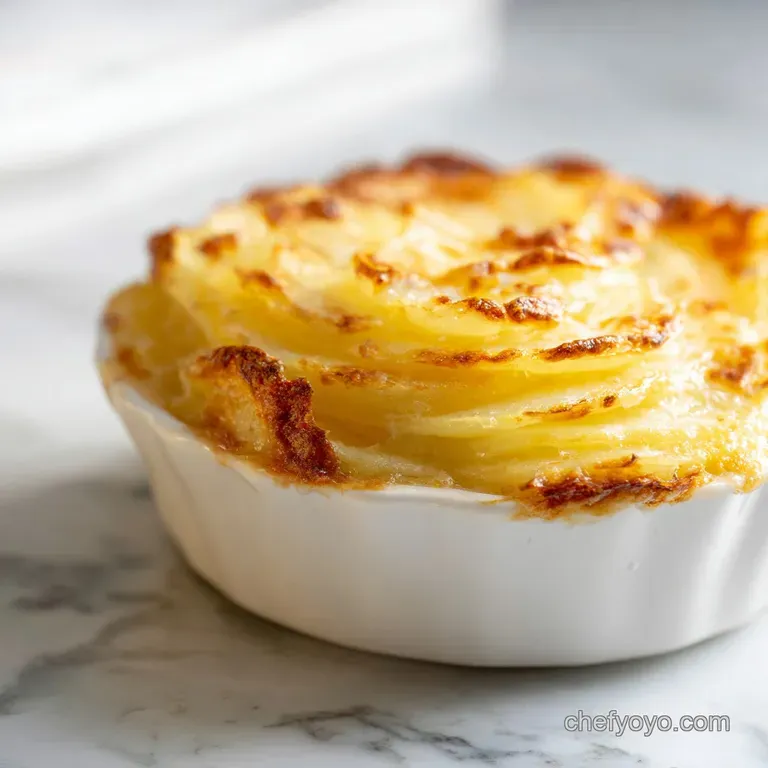
Right then, let's get cooking. Make sure your dairy is not ice cold when it hits the pan, or the butter might seize.
- Preheat your oven to 375°F (190°C). Grease your baking dish with melted butter. Note: Coating the sides prevents the cheese from sticking.
- Slice your potatoes into uniform rounds about 1/8 inch thick. Note: Consistency ensures they all cook at the same rate.
- In a saucepan over medium heat, melt the butter. Whisk in the flour and cook for 1-2 minutes until it smells nutty but hasn't browned.
- Slowly pour in the milk and heavy cream, whisking constantly to eliminate lumps. Stir in the minced garlic, salt, pepper, and nutmeg. Simmer for 5 minutes. Note: The simmer activates the flour's thickening power.
- Layer half of the sliced potatoes in the dish. Sprinkle with half of the cheddar cheese. Pour half of the cream sauce over the top.
- Repeat with the remaining potatoes, cheese, and sauce. Note: Gently press the potatoes down so they don't curl up.
- Top with the final layer of cheese (and Parmesan if using). Cover with foil and bake for 40 minutes.
- Remove the foil and bake for another 20-30 minutes until the top is bubbling and mahogany colored.
| Ingredient | Science Role | Pro Secret |
|---|---|---|
| Butter | Fat Emulsifier | Brown it slightly for a deeper, toasted flavor |
| Flour | Starch Thickener | Whisk in slowly to avoid "flour pockets" |
| Nutmeg | Flavor Bridge | Use freshly grated for a punchier aroma |
| Potatoes | Structure/Thickener | Slice uniformly for an even bake |
Fixing Common Potato Problems
Even for experienced cooks, these can be tricky. The most common issue is the "hard center," where the top looks done but the middle is still crunchy.
Hard in Middle?
This usually happens if the potato slices are too thick or the oven temperature is too high, causing the top to brown before the heat reaches the center. Make sure your slices are exactly 1/8 inch. If you're worried, leave the foil on for an extra 10 minutes.
Sauce Look Oily?
If you see beads of oil on top, your sauce might have "broken." This happens if the sauce was boiled too vigorously or if you used a low-fat cheese that doesn't melt smoothly. Keep the simmer low and stick to full fat dairy.
Cheese Burnt Raw?
If the cheese is black but the potatoes are raw, your oven is running hot. Lower the temp to 350°F and extend the covered baking time.
| Problem | Root Cause | Solution |
|---|---|---|
| Watery Sauce | Potatoes too thick | Slice thinner (1/8 inch) |
| Bland Taste | Under salted | Add salt to the roux, not just the top |
| Rubbery Cheese | Overcooked | Remove from oven when bubbling, not burnt |
Common Mistakes Checklist
- ✓ Did you grease the pan? (Prevents stuck edges)
- ✓ Are slices uniform? (Ensures even cooking)
- ✓ Is the roux cooked for 2 mins? (Removes raw flour taste)
- ✓ Did you use foil? (Prevents premature browning)
- ✓ Did you let it rest for 10 mins? (Sets the sauce)
Twists on the Classic
Once you've got the basic Scalloped Potatoes down, you can start playing with the flavors. I love adding a pinch of smoked paprika to the sauce for a rustic, woody vibe. If you want something more hearty, try adding diced ham between the layers for a classic "potatoes and ham" combo.
For those who want a different kind of cheesy vegetable side, my Broccoli Casserole recipe is a great companion to this dish. You can also swap the cheddar for Gruyère or Fontina if you want a more "Au Gratin" style feel.
If you're looking for a lighter version, you can replace half of the heavy cream with evaporated milk. It still provides a creamy texture but cuts down on the total fat content. Just be careful not to over reduce it, or the sauce might become too salty.
Adjusting the Batch Size
Scaling this recipe is pretty easy, but you can't just double everything blindly.
Scaling Down (Half Batch): Use an 8x8 inch pan. I've found that reducing the bake time by about 15-20% works best. For the egg or butter measurements, just halve them normally.
Scaling Up (Double Batch): If you're making a massive tray, lower the oven temperature by 25°F (to 350°F/175°C). This prevents the edges from burning while the center takes longer to heat through.
Extend the covered baking time by 15 minutes. Only increase the salt and spices to 1.5x instead of 2x, as these flavors concentrate during the longer bake.
Potato Truths
There are a few things people say about Scalloped Potatoes that just aren't true.
One big myth is that you need to soak the sliced potatoes in water to remove "excess starch." In this recipe, we actually want that starch! It's what makes the sauce thick and velvety. If you rinse your potatoes, you're just washing away the thickening power.
Another common misconception is that the type of cheese doesn't matter as long as it's "cheesy." In reality, a high moisture mozzarella will make the dish watery. You need a hard, aged cheese like sharp cheddar to provide the necessary structure and tang.
Storage and Zero Waste
These keep surprisingly well in the fridge. Once cooled, cover them tightly and they'll stay good for 3 to 4 days.
Reheating the Leftovers: Avoid the microwave if you can, as it can make the potatoes rubbery. Instead, pop a slice into a small oven safe dish, add a tiny splash of milk to loosen the sauce, and bake at 350°F for 15 minutes. This restores that mahogany crust.
Zero Waste Tips: Don't toss those potato peels! I collect mine in a freezer bag, toss them with a bit of olive oil and salt, and roast them at 400°F until they're crisp. They make a great snack.
Also, if you have a bit of leftover cream sauce in the pan, stir it into some steamed spinach for an instant side dish.
The Best Side Pairings
Because Scalloped Potatoes are so rich, they need a partner that provides some acidity or freshness to cut through the cream.
The Hearty Feast: These are the ultimate partner for a roast chicken or a prime rib. The savory juices from the meat mingle with the creamy sauce in the most wonderful way.
The Balanced Plate: Pair this with something bright, like roasted asparagus with lemon or a crisp arugula salad with a balsamic vinaigrette. The bitterness of the greens balances the richness of the cheddar.
The Comfort Combo: If you're going all in on comfort, serve these alongside a slow cooked pot roast. The carrots and onions from the roast add a sweetness that complements the nutmeg in the potato sauce.
Recipe FAQs
What are some common mistakes to avoid when making scalloped potatoes?
Avoid uneven slicing and ice-cold dairy. Slices must be 1/8 inch thick for uniform cooking, and room temperature milk prevents the butter from seizing during the sauce preparation.
What's the best liquid to use in scalloped potatoes?
A mixture of whole milk and heavy cream. This combination creates a sauce that is rich and velvety without becoming overly heavy.
What is the difference between scalloped potatoes and au gratin potatoes?
The addition of cheese. Scalloped potatoes traditionally use only a cream sauce, while au gratin incorporates cheese like the sharp cheddar and Parmesan used in this recipe.
How do I get a mahogany colored top?
Remove the foil for the final 20-30 minutes of baking. This allows the cheese to bubble and brown under the direct heat of the oven.
Is it true that I must boil the potatoes before layering them?
No, this is a common misconception. Thinly slicing the potatoes to 1/8 inch ensures they soften perfectly during the 70-minute baking process.
Can I use Russet potatoes instead of Yukon Gold?
Yes, both varieties work well. Yukon Golds are naturally creamier, while Russets absorb more sauce; for a different potato texture, try our baked steak fries.
How do I reheat leftovers without them becoming rubbery?
Bake in a small dish at 350°F for 15 minutes. Adding a tiny splash of milk helps loosen the sauce and restores the mahogany crust.
Creamy Scalloped Potatoes 2