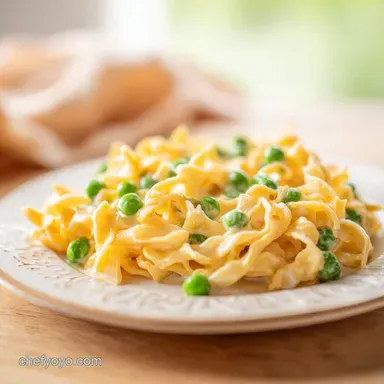
Tuna Noodle Casserole: Creamy and Old Fashioned
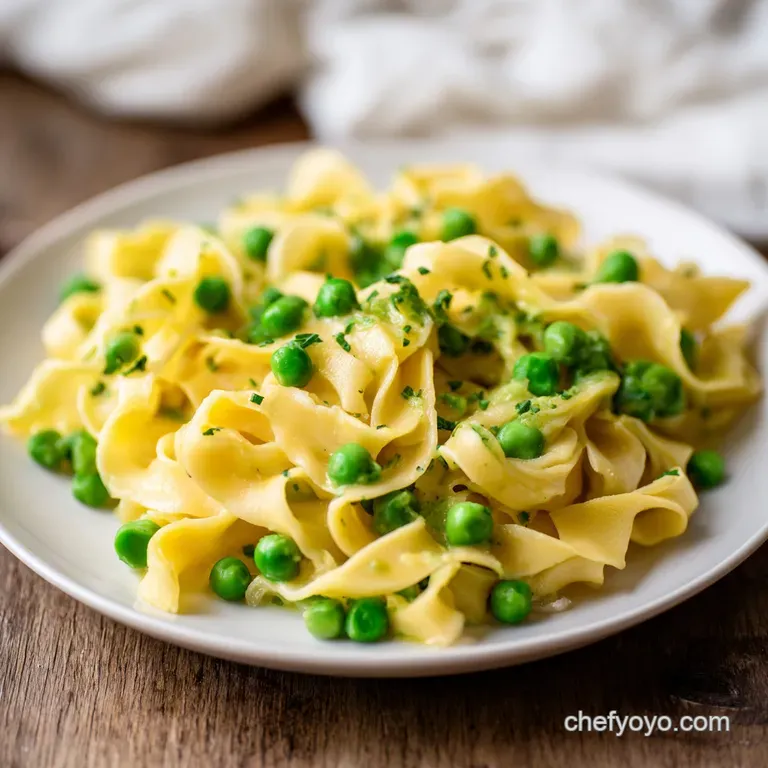
- Time:20 minutes active + 45 minutes cooking = Total 65 minutes
- Flavor/Texture Hook: Velvety cheese sauce topped with a paprika spiced panko shatter
- Perfect for: Busy weeknight dinners or a cozy meal prep for the week
- Tuna Noodle Casserole
- The Secret to Better Texture
- Component Analysis
- What You'll Actually Need
- The Right Tool Set
- Step by Step Cooking
- Fixing Common Bake Issues
- Troubleshooting Common Issues
- Customizing Your Dish
- Scaling Your Batch
- Debunking Casserole Myths
- Storage and Waste Tips
- Best Side Dish Pairings
- Recipe FAQs
- 📝 Recipe Card
Tuna Noodle Casserole
The smell of bubbling sharp cheddar and toasted panko always takes me back to my grandmother's kitchen on those grey, rainy Tuesday afternoons. I remember watching her stir a massive pot of noodles, but my childhood versions were always a bit... soft. Too soft. It was like eating a bowl of savory porridge.
I spent years trying to figure out why my home versions felt like a soggy mess despite following the "classic" directions to a T.
Then I realized the mistake I once made: I was cooking the noodles fully before they even hit the oven. By the time the dish came out of the heat, the pasta had absorbed every bit of the sauce and collapsed. Once I started pulling the noodles off the stove while they still had a firm bite, everything changed. This Tuna Noodle Casserole finally had the structure it needed, turning a humble pantry meal into something that actually feels special.
You can expect a dish that's rich and creamy but cut with a surprising hit of brightness from fresh lemon. It's not the heavy, salty brick of a casserole you find in old cookbooks. Instead, it's a balanced meal where you can actually taste the tuna and the snap of the peas.
Trust me on this, the scratch made sauce is where the magic happens, and it's way easier than you think.
The Secret to Better Texture
When you're making a bake like this, you're essentially cooking the pasta twice. If you boil the egg noodles until they're tender, they'll overcook during the 25 minutes in the oven and turn into mush.
By leaving them slightly raw, they finish cooking in the cream sauce, absorbing the flavor without losing their shape.
Pasta Hydration: Undercooking creates space for the sauce to penetrate the noodle rather than just coating the outside.
The Roux Bond: Cooking flour in butter before adding liquid prevents the sauce from separating or becoming grainy.
Acid Balance: A squeeze of lemon juice cuts through the heavy fat of the cheese and butter, brightening the whole dish.
Panko Structure: Using panko instead of traditional breadcrumbs creates a lighter, airier crunch that doesn't get weighed down by the butter.
| Method | Prep Time | Texture | Best For |
|---|---|---|---|
| Stovetop Only | 30 minutes | Silky and soft | Quick lunch |
| Oven Bake | 65 minutes | Crispy top, velvety inside | Family dinner |
| Slow Cooker | 4 hours | Very soft/integrated | Set and forget |
I've found that the oven method is the only way to get that iconic contrast between the creamy interior and the toasted topping. If you're in a rush, you can technically skip the bake, but you'll miss out on that golden brown crust that makes this dish a winner.
Component Analysis
Understanding why we use specific ingredients helps you troubleshoot on the fly. For example, using a sharp cheddar isn't just about taste, it's about ensuring the cheese flavor isn't drowned out by the milk and broth.
| Ingredient | Science Role | Pro Secret |
|---|---|---|
| Unsalted Butter | Fat base for roux | Use a whisk to ensure no flour clumps remain |
| Sharp Cheddar | Flavor & Binding | Grate it yourself; pre shredded has cornstarch |
| Panko Crumbs | Textural contrast | Mix with paprika for a deeper golden hue |
| Lemon Juice | PH Balancer | Add at the very end to keep the flavor fresh |
Right then, let's look at the gear. You don't need a professional kitchen for this, just a few basic tools that make the process smoother. If you have a sturdy whisk, you're already halfway there.
What You'll Actually Need
For the base of the dish, you'll want wide egg noodles. These are better than spaghetti or penne because their shape holds onto the sauce beautifully.
- 12 oz (340g) wide egg noodles Why this? Better sauce adhesion than thin pasta
- 1 cup (150g) frozen peas, thawed Why this? Adds pop of color and sweetness
- 1 tbsp (15ml) olive oil Why this? Stops noodles from clumping
- 3 tbsp (42g) unsalted butter Why this? Rich base for the roux
- 3 tbsp (25g) all purpose flour Why this? Thickening agent for the sauce
- 2 cups (480ml) low sodium chicken or vegetable broth Why this? Depth of flavor over plain water
- 1 cup (240ml) 2% milk Why this? Creaminess without being overly greasy
- 1 tsp (5g) garlic powder Why this? Subtle savory backbone
- ½ tsp (3g) salt Why this? Basic seasoning
- ¼ tsp (1g) black pepper Why this? Mild heat
- 2 cans (5 oz/142g each) tuna in water, drained Why this? Lean protein that doesn't overpower
- 1 ½ cups (170g) sharp cheddar cheese, freshly shredded Why this? High flavor impact
- 1 tbsp (15ml) fresh lemon juice Why this? Cuts through the richness
- 1 cup (60g) panko breadcrumbs Why this? Superior crunch to standard crumbs
- 2 tbsp (30g) melted butter Why this? Browns the panko
- ½ tsp (3g) paprika Why this? For that gorgeous sunset color
| Original Ingredient | Substitute | Why It Works |
|---|---|---|
| Wide Egg Noodles | Rotini or Fusilli | Similar starch. Note: May require 2-3 extra mins in oven |
| Sharp Cheddar | Gruyere or Swiss | Nutty flavor. Note: Melt is smoother but flavor is milder |
| Chicken Broth | Vegetable Broth | Same salinity. Note: Works well for vegetarians using meat sub |
| Panko | Crushed Potato Chips | High salt/crunch. Note: Reduce salt in sauce to compensate |
Honestly, don't even bother with low-fat cheese here. You'll lose that velvety pull and the sauce might break. Stick with the full fat sharp cheddar for the best results.
The Right Tool Set
I'm a fan of minimal tools. You don't need a gadget for every step, just a few reliable pieces of equipment.
- 9x13 inch baking dish (Glass or Ceramic)
- Large pot (for the noodles)
- Medium saucepan (for the sauce)
- Large mixing bowl
- Whisk
- Colander
- Measuring cups and spoons
Chef's Note: If you don't have a whisk, a fork will work in a pinch, but you'll have to work twice as hard to get the lumps out of your flour and butter mixture.
Step by step Cooking
Let's crack on with the actual process. Follow these steps closely, and pay attention to the visual cues.
Boiling the Noodles
- Bring a large pot of salted water to a boil. Add the wide egg noodles and cook for 2 minutes less than the package directions. until they are "al dente" and still have a firm core.
- Drain the noodles in a colander and toss them with a drizzle of olive oil. Note: This prevents them from turning into one giant noodle brick while you make the sauce.
Simmering the Scratch Sauce
- Melt 3 tbsp of butter in a saucepan over medium heat. Whisk in the flour and cook for 1 minute until it smells nutty and looks like wet sand.
- Gradually whisk in the broth and milk. Simmer the mixture until the sauce thickens and coats the back of a spoon.
- Stir in the garlic powder, salt, and pepper. Remove from heat.
Folding in the Protein
- In a large bowl, gently fold together the undercooked noodles, drained tuna, thawed peas, and lemon juice.
- Pour the hot cream sauce over the mixture. Stir in 1 cup of the shredded cheese until it is melted and glossy.
Baking to Perfection
- Spread the mixture evenly into your 9x13 inch baking dish.
- In a small bowl, mix the panko, melted butter, and paprika. Sprinkle this evenly over the top of the casserole.
- Bake at 375°F (190°C) for 20-25 minutes until the edges are bubbling and the top is golden brown.
If you've never made a roux before, don't panic. It's the same base used in my and Cheese Recipe Baked, and once you get the hang of it, you'll never go back to canned soups.
Fixing Common Bake Issues
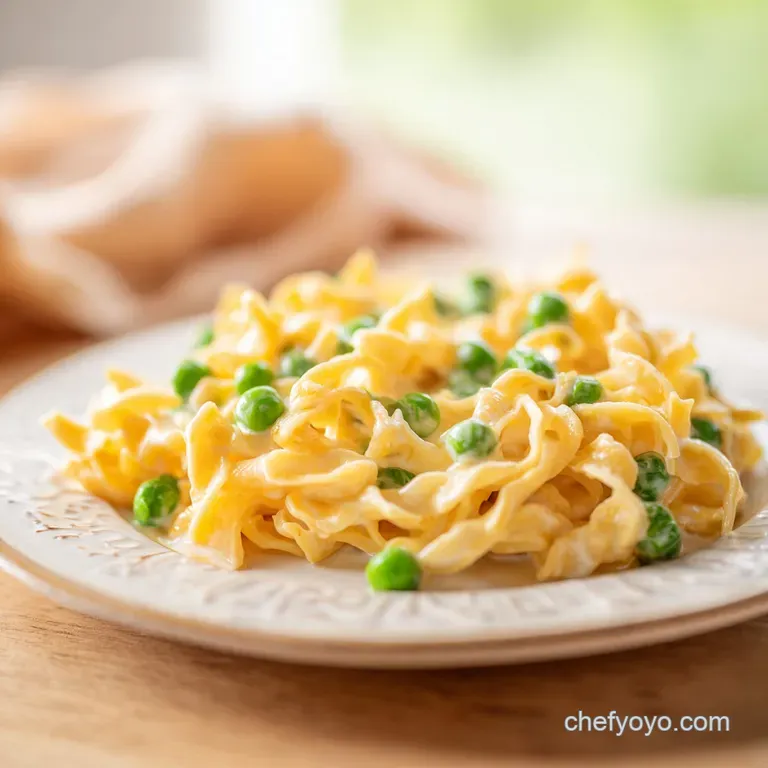
Even the best of us have mishaps. The most common issue with this Tuna Noodle Casserole is usually related to moisture levels or sauce consistency.
Troubleshooting Common Issues
| Issue | Solution |
|---|---|
| Why Your Sauce is Lumpy | If your sauce has small flour balls, it's usually because the milk was added too quickly or the roux wasn't whisked enough. You can fix this by straining the sauce through a mesh sieve or using an imm |
| Why Your Noodles are Mushy | This happens when you overcook the pasta during the boiling stage. Since the noodles continue to cook in the oven, you must leave them slightly underdone. If you've already overcooked them, reduce you |
| Why the Top Isn't Brown | If your panko is pale after 25 minutes, your oven might be running cold, or the dish is too deep. Switch the oven to "broil" for the last 2-3 minutes, watching closely so it doesn't burn. |
Common Mistakes Checklist:
- ✓ Did you undercook the noodles by 2 minutes?
- ✓ Did you grate your own cheese?
- ✓ Did you whisk the flour and butter for a full minute?
- ✓ Did you drain the tuna thoroughly?
- ✓ Did you use a 9x13 dish instead of a deeper, smaller one?
Customizing Your Dish
This recipe is a great canvas. Once you've mastered the base, you can start playing with the mix ins. I often find that adding a bit of crunch or a different veggie can change the whole vibe.
For a more rustic feel, you can swap the frozen peas for diced carrots or sautéed celery. If you want more protein, some flaked salmon works beautifully here, though you might want to increase the lemon juice to balance the oilier fish.
If you're looking for something with a similar creamy profile but a different protein, you might enjoy a Creamy Shrimp Fettuccine, which uses a similar sauce logic.
Changing the Crunch
Instead of panko, try crushed Ritz crackers or cornflakes for a sweeter, more buttery topping. If you're going for a healthier twist, toasted almond slivers add a great shatter and a nutty flavor.
Boosting the Nutrition
To pack in more vitamins, stir in some baby spinach at the same time as the peas. The heat from the sauce will wilt the spinach perfectly without needing extra cooking time.
| Variation | Substitution | Result |
|---|---|---|
| Spicy | Add 1 tsp cayenne | Subtle heat throughout the sauce |
| Veggie | Swap tuna for mushrooms | Earthy, savory "umami" version |
| Zesty | Add 1 tsp Dijon mustard | Tangy, sophisticated flavor profile |
One thing to avoid: don't add too many watery vegetables (like raw zucchini) without sautéing them first. Otherwise, you'll release too much liquid into the sauce, and you'll end up back at the "soggy porridge" stage.
Scaling Your Batch
Scaling a casserole is mostly about the pan size. If you're cooking for just two people, you can easily halve this recipe.
Scaling Down (½ Batch): Use an 8x8 inch square pan. Reduce the baking time by about 20%, checking it at the 15 minute mark. For the egg, if a recipe called for one, you'd beat it and use half, but since this one is roux based, just halve the butter and flour.
Scaling Up (2x Batch): Use two 9x13 inch pans rather than one giant deep dish. If you put too much in one pan, the center won't heat through before the edges burn.
Pro Tip for Bulk: When doubling the spices, only increase the salt and paprika to 1.5x. Flavors can intensify in larger volumes, and you don't want the paprika to overpower the delicate tuna. For the liquids, you can reduce the broth by about 10% to ensure the sauce stays thick.
Debunking Casserole Myths
There are a few old wives' tales about Tuna Noodle Casserole that just aren't true. Let's set the record straight.
Myth 1: You must use condensed cream of mushroom soup for the "authentic" taste. Truth: Canned soups are mostly salt and thickeners. A scratch roux made with butter, flour, and broth actually tastes more like real food and allows you to control the sodium.
Myth 2: Searing the tuna first adds more flavor. Truth: Canned tuna is already cooked. Searing it just dries it out and makes it rubbery. Folding it gently into the sauce preserves the texture.
Myth 3: You should cook the noodles fully to "save time" later. Truth: As we discussed, this is the fastest way to ruin the dish. Undercooking is a non negotiable step for a professional grade texture.
Storage and Waste Tips
If you have leftovers, this dish holds up surprisingly well in the fridge.
Storage: Place leftover Tuna Noodle Casserole in an airtight container. It will stay fresh in the fridge for 3-4 days. To reheat, I recommend the oven (325°F for 15 mins) to keep the topping crispy, but a microwave works if you don't mind a softer crust.
Freezing: You can freeze this, but I suggest freezing it before baking. Assemble the dish, cover tightly with foil, and freeze for up to 2 months. Bake from frozen, adding about 15-20 minutes to the total cooking time.
Zero Waste: Don't throw away the tuna can liquid if it's water packed; while I don't put it in the recipe, some people use it as a nutrient rich addition to compost. More importantly, if you have leftover roux sauce, use it as a base for a quick pan sauce for chicken or fish the next day.
Best Side Dish Pairings
Since this is a heavy, creamy dish, you need something bright and acidic to balance the plate.
A simple arugula salad with a lemon vinaigrette is the gold standard here. The peppery greens cut through the richness of the cheddar. If you want something more substantial, steamed broccoli or roasted asparagus works perfectly.
For those who love comfort food, a side of crusty sourdough bread is great for mopping up any extra sauce. If you're craving something else creamy, you could pair a smaller portion of this with a light vegetable soup, or perhaps some of my Loaded Potato Soup if you're hosting a full on comfort feast.
Right then, you've got everything you need. Just remember to trust the undercooked noodles and don't rush the roux. Enjoy your cozy, velvety Tuna Noodle Casserole!
Recipe FAQs
What sauce do you use for tuna noodle casserole?
A homemade cream sauce. Whisk melted butter, flour, broth, and milk together, seasoning with garlic powder, salt, and pepper for a rich base.
What can I add to tuna noodle casserole to make it taste better?
Fresh lemon juice and sharp cheddar cheese. These ingredients add necessary acidity and a bold punch to the creamy base. If you enjoyed the sharp flavor profile here, see how the same acidity works in our homemade Caesar dressing.
Do you add milk to tuna noodle casserole?
Yes, milk is a key ingredient. It is whisked into the roux along with broth to create a smooth, creamy consistency.
Can you use heavy cream in tuna noodle casserole?
No, use 2% milk. Sticking to the recipe ensures the sauce has the correct viscosity without becoming overly heavy.
How to prevent the noodles from becoming mushy?
Cook the egg noodles for 2 minutes less than the package instructions. This ensures they remain al dente after baking at 375°F.
How to reheat leftovers while keeping the crust crispy?
Reheat in the oven at 325°F for 15 minutes. This prevents the panko topping from becoming soft, which typically happens in the microwave.
Is it true you should cook the pasta fully before baking?
No, this is a common misconception. Baking fully cooked noodles for 20-25 minutes results in an overcooked, mushy texture.
Creamy Tuna Noodle Casserole