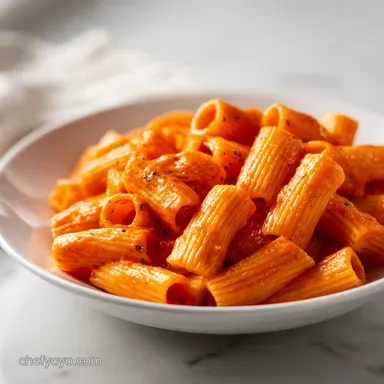
Creamy Tomato Garlic Pasta: Silky and Rich
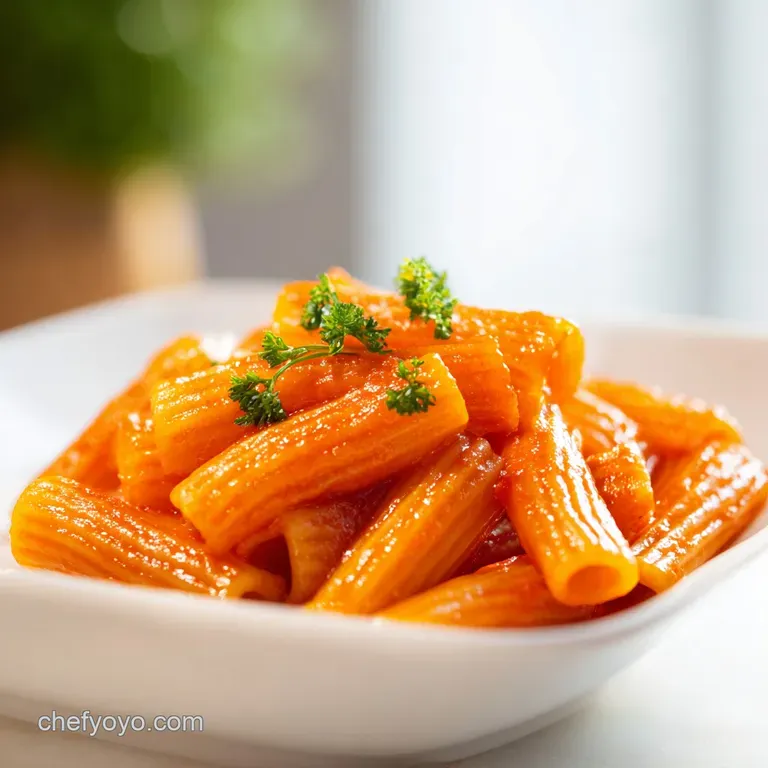
- Time: 10 min prep + 15 min cook = Total 25 mins
- Flavor/Texture Hook: Silky, vibrant orange sauce with a subtle garlic kick
- Perfect for: Last minute weeknight dinners or a cozy date night in
- Easy Creamy Tomato Garlic Pasta Recipe
- What Makes This Sauce Velvet
- Component Analysis
- The Essential Pantry List
- Step By Step Cooking Flow
- Avoiding Common Kitchen Mistakes
- Troubleshooting Common Issues
- Tweak Your Pasta Flavor
- Adjusting the Portion Size
- Debunking Pasta Myths
- Saving and Storing Leftovers
- Best Side Dish Pairings
- Recipe FAQs
- 📝 Recipe Card
Easy Creamy Tomato Garlic Pasta Recipe
The first thing that hits you is the sizzle. You know that sound, right? When the butter starts to foam and those minced garlic cloves hit the pan, releasing an aroma that practically pulls everyone in the house toward the kitchen.
I remember one Tuesday in November when it was absolutely pouring outside, the kind of rain that makes you want to hide under a blanket. I had nothing in the fridge but some basic staples, and I needed something that felt like a hug in a bowl.
That's how this dish became a staple in my home. I wanted something rustic and comforting, but I didn't have the patience for a slow simmered marinara. I realized that if I treated the tomato paste like a concentrate, I could get that deep, cooked down flavor in minutes rather than hours.
It's the kind of meal that feels fancy enough for guests but is simple enough that I can make it in my pajamas.
You can expect a sauce that is velvety and clings to every ridge of the pasta without pooling at the bottom of the plate. We're talking about a vibrant orange hue and a taste that balances the acidity of the tomato with the mellow richness of cream and parmesan.
This creamy tomato garlic pasta recipe is all about the flow, moving from the boiling pot to the skillet in one seamless motion.
What Makes This Sauce Velvet
To get that professional texture, we have to look at how the ingredients interact. It's not just about mixing things together; it's about how we build the layers of flavor.
Paste Concentration: Frying the tomato paste until it turns mahogany removes the raw, metallic taste and concentrates the sugars. This creates a savory foundation that keeps the cream from tasting too bland.
Starch Binding: Using the cloudy pasta water acts as a bridge between the fat in the butter and cream and the pasta itself. According to the guides at Serious Eats, this starchy liquid helps the sauce emulsify, meaning it sticks to the noodles instead of sliding off.
Fat Balancing: The acidity of the tomato cuts through the heavy cream and parmesan. This prevents the dish from feeling too "heavy" on the palate and keeps the flavors bright.
Aromatic Infusion: Sautéing the red pepper flakes in butter allows the spice to bloom. This distributes the heat evenly throughout the sauce rather than having random spicy pockets. If you enjoy these types of blends, you might like my homemade Italian seasoning to add another layer of herbiness to your pasta dishes.
| Approach | Prep Time | Texture | Best For |
|---|---|---|---|
| Fast Method | 25 mins | Silky & Smooth | Weeknight dinners |
| Classic Simmer | 90 mins | Thick & Jammy | Sunday family feast |
| Slow Cooker | 4 hours | Uniform & Mellow | Meal prep |
Component Analysis
Before we dive into the list, let's look at why these specific items are non negotiable for the result we're after.
| Ingredient | Science Role | Pro Secret |
|---|---|---|
| Tomato Paste | Flavor Base | Fry until dark red for "umami" |
| Heavy Cream | Texture Agent | Add at medium low to prevent curdling |
| Pasta Water | Emulsifier | Always reserve before draining |
| Parmesan | Salt/Body | Use freshly grated for a smoother melt |
The Essential Pantry List
For this recipe, I highly recommend using a shape like Rigatoni or Penne. The holes and ridges are designed to trap the sauce, which makes every bite more satisfying.
- 1 lb (450g) pasta (Penne or Rigatoni recommended) Why this? Ridges hold the creamy sauce better than smooth pasta
- 1 tbsp (18g) salt Why this? Essential for seasoning the pasta from the inside out
- 3 tbsp (42g) unsalted butter Why this? Provides a rich, nutty base for the garlic
- 5 cloves (approx. 25g) fresh garlic, minced Why this? Fresh garlic has a sharper, cleaner bite than jarred
- 3 tbsp (51g) tomato paste Why this? Concentrated flavor without the water of canned sauce
- 1 cup (240ml) heavy cream Why this? High fat content ensures a velvety finish
- 1/2 cup (50g) freshly grated parmesan cheese Why this? Melts seamlessly into the sauce
- 1/2 tsp (1g) red pepper flakes Why this? Adds a gentle warmth to balance the cream
- salt and black pepper to taste
- 1/4 cup (10g) fresh basil leaves, torn Why this? Fresh basil adds a peppery, aromatic finish
Substitution Table
| Original Ingredient | Substitute | Why It Works |
|---|---|---|
| Heavy Cream (1 cup) | Full fat Coconut Milk (1 cup) | Similar fat content. Note: Adds a tropical coconut flavor |
| Parmesan (1/2 cup) | Pecorino Romano (1/2 cup) | Similar hard cheese profile. Note: Saltier and tangier |
| Penne/Rigatoni | Fusilli or Farfalle | Both have ridges/folds. Note: Changes the "bite" slightly |
| Unsalted Butter | Olive Oil (3 tbsp) | Healthy fat. Note: Less richness; lacks the milky depth |
But what about the protein? While this is a vegetarian base, you can easily toss in some grilled shrimp or sliced chicken breast at the very end.
Step by step Cooking Flow
Let's get into the rhythm of this dish. The goal is to time everything so the pasta finishes exactly when the sauce is ready.
- Bring a large pot of salted water to a rolling boil. Add the pasta and cook until al dente (usually 1-2 minutes less than the package instructions). Note: This ensures the pasta finishes cooking in the sauce.
- Before draining the pasta, scoop out 1 cup (240ml) of the cloudy pasta water and set it aside. Drain the remaining pasta.
- While the pasta boils, melt the butter in a skillet over medium heat. Listen for the sizzle and wait for the foam to subside.
- Add the minced garlic and red pepper flakes to the skillet, sautéing for about 1-2 minutes until the garlic is fragrant and translucent but not browned.
- Stir in the tomato paste, cooking for another 2 minutes while stirring constantly until the paste turns a deep mahogany color.
- Lower the heat to medium low and pour in the heavy cream. Stir continuously until the sauce is a uniform, vibrant orange.
- Stir in the Parmesan cheese until melted and smooth.
- Toss in the cooked pasta, pouring in the reserved pasta water a tablespoon at a time until the sauce reaches a silky, clinging consistency.
- Season with salt and pepper to taste, and garnish with torn fresh basil leaves.
Chef Note: If you want an even deeper flavor, try adding a pinch of sugar when you fry the tomato paste. It helps the caramelization process and rounds out the acidity.
Avoiding Common Kitchen Mistakes
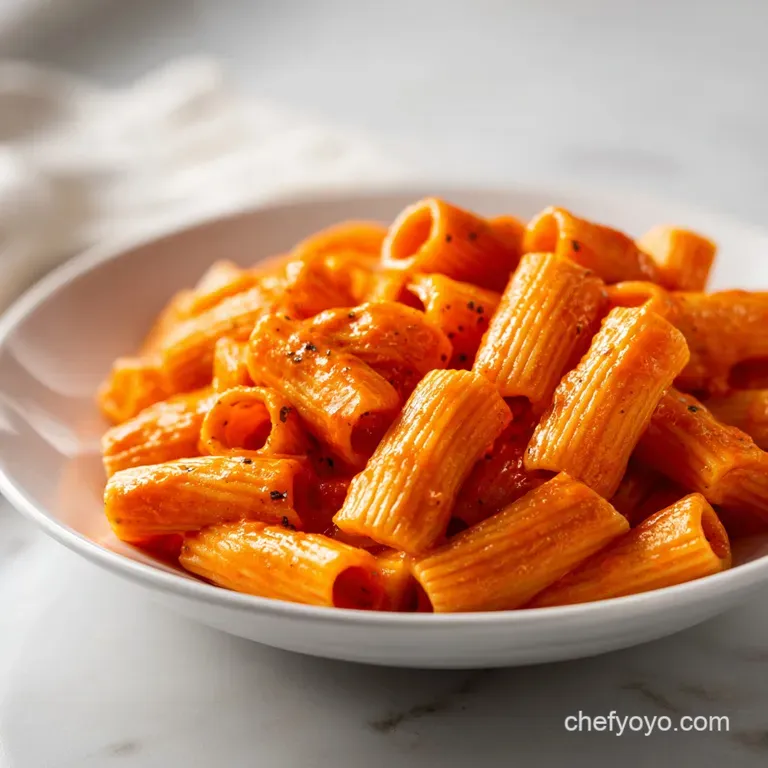
Even with a simple creamy tomato garlic pasta recipe, things can go sideways if the heat is too high or the timing is off. Most issues come down to temperature control.
Troubleshooting Common Issues
| Issue | Solution |
|---|---|
| Why Your Sauce Separated | If you see little beads of oil floating on top, your sauce has "broken." This usually happens if the cream is added to a pan that is way too hot, causing the fats to separate from the solids. |
| The Sauce is Too Thick | Pasta absorbs liquid quickly. If the dish looks more like a paste than a sauce, you didn't add enough pasta water. The starch in that water is the secret to thinning the sauce without losing flavor. |
| Why Did My Garlic Taste Bitter | Bitter garlic is a sign of burning. Garlic burns in a flash, often turning dark brown. Once it hits that stage, the flavor turns acrid and can ruin the whole batch. |
Common Mistakes Checklist
- ✓ Did you reserve the pasta water before draining?
- ✓ Is the heat lowered before adding the heavy cream?
- ✓ Did the tomato paste darken in color before adding liquids?
- ✓ Is the pasta slightly undercooked (al dente) before hitting the pan?
- ✓ Did you use freshly grated cheese instead of the pre shredded kind?
Tweak Your Pasta Flavor
Depending on what you have in the cupboard, you can shift this recipe in a few different directions. I love experimenting with this base because it's so forgiving.
If you want a more rustic, artisanal feel, swap the butter for my homemade garlic butter. It adds a layer of compound seasoning that makes the sauce feel more complex.
For those wanting a creamy tomato garlic chicken pasta, simply sear chicken breast strips in the skillet first, remove them, and build the sauce in the same pan. Toss the chicken back in at step 8.
The same logic applies to a creamy tomato garlic prawn pasta - just sauté the prawns for 2 minutes per side and add them at the very end so they don't overcook.
If you're looking for a vegan creamy tomato garlic pasta, swap the butter for vegan butter or oil, the cream for full fat coconut milk or cashew cream, and the parmesan for nutritional yeast. You'll get a similar creaminess, though the flavor profile will be slightly nuttier.
For those asking about a creamy tomato pasta without cream, you can use a splash of whole milk and a knob of extra butter, or even a dollop of mascarpone. While it won't be as thick, it'll still be satisfying.
Adjusting the Portion Size
Scaling a sauce is a bit different than scaling a cake. You can't always just double everything and expect the same result.
Scaling Down (Half Batch) When making this for two, use a smaller skillet. Because there is less liquid, it will evaporate faster, so you should reduce the cooking time for the tomato paste by about 30 seconds. Use about 3/4 cup of pasta water instead of a full cup, adding it slowly.
Scaling Up (Double or Triple) If you're feeding a crowd, don't just double the garlic and red pepper flakes. Spices can become overwhelming. Increase the garlic and flakes to 1.5x the original amount first, then taste and add more if needed.
Work in batches if your skillet isn't large enough; crowding the pan will steam the garlic instead of sautéing it.
The Liquid Rule As you increase the volume, you'll find you need slightly less pasta water proportionally. Start with 1.5x the water for a double batch and adjust.
Debunking Pasta Myths
There are a lot of "rules" about pasta that are actually just myths. Let's clear a few up so you can cook with confidence.
The Oil in Water Myth Many people add a glug of oil to the boiling water to stop the pasta from sticking. This is useless. Oil floats on top and never actually touches the pasta. The only way to prevent sticking is to use a large enough pot and stir the pasta occasionally during the first two minutes.
The Rinsing Myth Never rinse your pasta after draining it. Rinsing washes away the precious starch that we need to bind the sauce. If you rinse the noodles, your sauce will slide right off, and you'll end up with a puddle of cream at the bottom of the bowl.
The Searing Myth Some think you need to "sear" the pasta in butter before adding the sauce. While this can add flavor, it's unnecessary here because the sauce is so rich. The pasta's primary job is to be a vessel for that velvety tomato cream.
Saving and Storing Leftovers
This dish is best served immediately, but we've all had leftovers. The challenge is that pasta continues to absorb liquid as it sits in the fridge.
Fridge Storage Store your pasta in an airtight container for up to 3 days. The sauce will thicken significantly, almost becoming a solid block. Don't panic; this is normal.
Freezing Guidelines I don't recommend freezing the assembled pasta. The cream can separate, and the noodles often become mushy upon thawing. However, you can freeze the sauce (everything except the basil) for up to 2 months. Just thaw it in the fridge and reheat slowly.
Zero Waste Tips
- Tomato Paste Tube: If you have a small amount of paste left in the tube, freeze it in 1 tablespoon dollops on parchment paper, then pop them into a freezer bag.
- Parmesan Rinds: Don't throw away the hard rind of your parmesan cheese. Toss it into your next pot of pasta water or a vegetable soup to add a deep, salty richness.
- Basil Stems: Blend basil stems with a bit of olive oil and lemon juice to make a quick pesto for toast.
Best Side Dish Pairings
To round out this meal, you want sides that provide a contrast to the richness of the cream. Since the pasta is velvety and heavy, lean toward things that are crisp, acidic, or fresh.
A simple arugula salad with a sharp lemon vinaigrette is my go to. The bitterness of the greens cuts right through the fat of the parmesan and cream. Alternatively, roasted asparagus with a sprinkle of sea salt provides a nice crunch.
If you're feeling extra hungry, some toasted garlic bread is a classic choice, but keep it light on the butter since the pasta is already quite indulgent. A glass of crisp white wine, like a Pinot Grigio, complements the tomato acidity perfectly.
Recipe FAQs
Can I use gnocchi instead of pasta?
Yes, gnocchi is a great alternative. It creates a heartier dish, similar to the texture found in our tomato gnocchi recipe.
How to prevent the sauce from separating?
Lower the heat to medium low before adding heavy cream. Pouring cream into a pan that is too hot causes the fats to separate from the solids, breaking the emulsion.
Is it true that pasta should be fully cooked before adding to the sauce?
No, this is a common misconception. Cook your pasta until al dente, usually 1 2 minutes less than the package suggests, so it finishes cooking and absorbing flavor inside the sauce.
How to fix a sauce that is too thick?
Stir in the reserved pasta water one tablespoon at a time. The starch in the water thins the sauce and helps it cling to the pasta without losing its rich flavor.
Can I use pre-grated Parmesan cheese?
No, freshly grated is best. Pre-grated cheeses often contain anti clumping agents that prevent the cheese from melting smoothly into the sauce.
How to prevent the garlic from tasting bitter?
Sauté for only 1 2 minutes until fragrant and translucent. If the garlic browns or burns, it develops a bitter taste that can overpower the entire dish.
How to store and reheat leftovers?
Refrigerate in an airtight container for up to 3 days. When reheating, add a splash of water or cream to restore the silky consistency.
Creamy Tomato Garlic Pasta