Crispy Skin Juicy Heart Classic Lemon Herb Roasted Cornish Hens
- Why Roasted Cornish Hens Elevate Any Dinner
- The Secret to Truly Cracking Skin: Our Recipe Philosophy
- Building the Perfect Lemon Herb Flavor Profile
- Essential Kitchen Tools for Poultry Roasting
- Preparation: Mastering the Herb Butter Rub
- Achieving Golden-Brown Perfection in Roasted Cornish Hens
- The Two-Stage Roasting Method for Succulent Results
- FAQs and Troubleshooting Your Roasted Cornish Hens
- Perfect Pairings: What to Serve Alongside Your Mini Roasts
- Recipe FAQs
- 📝 Recipe Card
Why Roasted Cornish Hens Elevate Any Dinner
If you are looking for a centerpiece that screams sophistication but is secretly fast and simple to execute, look no further than perfectly prepared Roasted Cornish Hens .
These diminutive birds, often weighing under two pounds, possess a higher meat-to-bone ratio than standard chicken, offering surprisingly juicy, tender servings ideal for individual plating. Serving a beautifully finished, whole hen to each guest instantly transforms a simple meal into an elegant dining experience.
They are inherently theatrical and, unlike a large turkey or chicken, they cook rapidly, making this Baked Cornish Hens approach perfect for weeknight luxury or a holiday gathering where time is a concern.
The Secret to Truly Cracking Skin: Our Recipe Philosophy
The quest for truly great poultry always centers on the skin it must be shatteringly crisp, not chewy or soft. Our philosophy for achieving this perfect texture relies on three pillars: removing all external moisture, applying flavorful fat directly to the muscle, and utilizing a high-to-low temperature roasting method.
Mastering these techniques is crucial to producing the ultimate oven-roasted Cornish Hens Recipe .
Poussin vs. Standard Chicken: Understanding the Difference
While often labeled as Cornish hens, these young birds are sometimes referred to as Poussin in professional culinary circles. Their key difference lies in their size and maturity. Because they are harvested young (typically 1.5 to 1.75 pounds), the meat is incredibly tender and contains less fat than a full sized chicken.
Crucially, they require a significantly shorter cooking time a mere 35 to 45 minutes which means achieving both a dark, crispy skin and a perfectly cooked interior demands precision.
The Essential 'Drying Out' Step for Maximum Crispness
Moisture is the single greatest enemy of crispy poultry skin. Before any seasoning or fat is applied, you must pat the hens down aggressively with paper towels both exterior and cavity.
After this initial drying, the birds must be left, uncovered, on a wire rack in the refrigerator for a minimum of one hour, though up to four hours is ideal. This process creates a "dry brine," allowing the skin’s surface to dehydrate thoroughly, guaranteeing a phenomenal crust when they hit the oven.
Do not skip this critical chilling phase.
The Magic of Compound Butter Under the Skin
While many recipes simply brush the skin with oil or melted butter, our method calls for a compound butter mixture applied directly to the breast and thigh meat, underneath the skin.
This dual application serves two vital purposes: the fat melts, basting the meat from the inside out to ensure incredible succulence, and the layer of herbs and fat acts as a flavorful internal seasoning that truly permeates the flesh.
This technique ensures every bite of our Herb Roasted Cornish Hens is infused with flavour.
Building the Perfect Lemon Herb Flavor Profile
Our chosen flavor combination a blend of pungent garlic, aromatic rosemary, earthy thyme, and bright lemon zest is classic for a reason. When combined into a butter base, these ingredients melt directly into the meat, creating a deeply savory and fragrant profile.
We are creating a sophisticated version of comfort food, pairing the rich poultry flavor with high impact, fresh components that make the finished dish taste utterly vibrant.
Essential Kitchen Tools for Poultry Roasting
A few key pieces of equipment are mandatory for success when preparing these individual roasts. A standard 9x13 inch roasting pan works well, but it is vital that you utilize a wire rack placed inside the pan.
The rack ensures that hot air fully circulates around the entire hen, preventing a soggy bottom and guaranteeing that the skin on the back and sides crisps up just as beautifully as the top.
Finally, a high-quality digital instant read meat thermometer is not optional; it is the only way to ensure the meat is safely cooked to 165°F (74°C) without crossing into the dry territory.
Sourcing the Best Birds: Size and Quality Check
When purchasing, look for hens that are roughly 1.5 to 1.75 pounds (680 800g). Hens in this size range cook very evenly within the prescribed timeframe. Ensure the birds are thawed properly and check for any remaining ice crystals in the cavity before beginning the drying process.
The Aromatic Components: Fresh Herbs vs. Dried Spices
While dried herbs are acceptable in a pinch, for this particular recipe, the powerful oils and resins found in fresh thyme and rosemary are essential to the depth of the flavor profile. Crush or mince the fresh leaves finely before mixing them into the butter to release their potent fragrance.
This maximizes the benefit of the Roasted Cornish Hens with Garlic Herbs and Lemon blend.
Beyond Salt and Pepper: The Role of Acidity in Roasting
Salt and pepper are foundational, but acidity provides the necessary counterpoint to the richness of the poultry and the butter. We incorporate lemon zest directly into the compound butter for high impact flavor, and we utilize lemon halves or quarters as aromatics placed inside the cavity.
As the bird cooks, the heat gently extracts the lemon essence, steaming and subtly flavoring the meat from the inside.
Making the Compound Butter Base
The process begins with softened, room temperature unsalted butter (about 4 tablespoons). This soft base allows for easy, even incorporation of the finely minced garlic, chopped fresh herbs, and lemon zest.
A bit of fine sea salt and pepper is added here to ensure the rub itself is perfectly seasoned before application. The mixture should be homogenous, resembling a vibrant, soft paste ready to infuse the meat.
Related Recipes Worth Trying
- Whole Roasted Cauliflower Spicy Harissa Lemon Glaze Recipe — This Whole Roasted Cauliflower recipe elevates dinner Get the secret for a meltingly tender core using our essential twostage method A stunning healthy...
- Absolutely Crispy Roasted Cauliflower The Chefs HighHeat Method — Master truly Crispy Roasted Cauliflower using our simple highheat secret Deeply caramelised with smoked paprika and lemon zesta perfect easy Weeknight...
- Chefs Secret How to Make Crispy Roasted Pumpkin Seeds Every Time — Stop making sad chewy seeds This definitive roasted pumpkin seeds recipe guarantees the ultimate crunchy snack Follow my nonnegotiable cleaning method for...
Preparation: Mastering the Herb Butter Rub
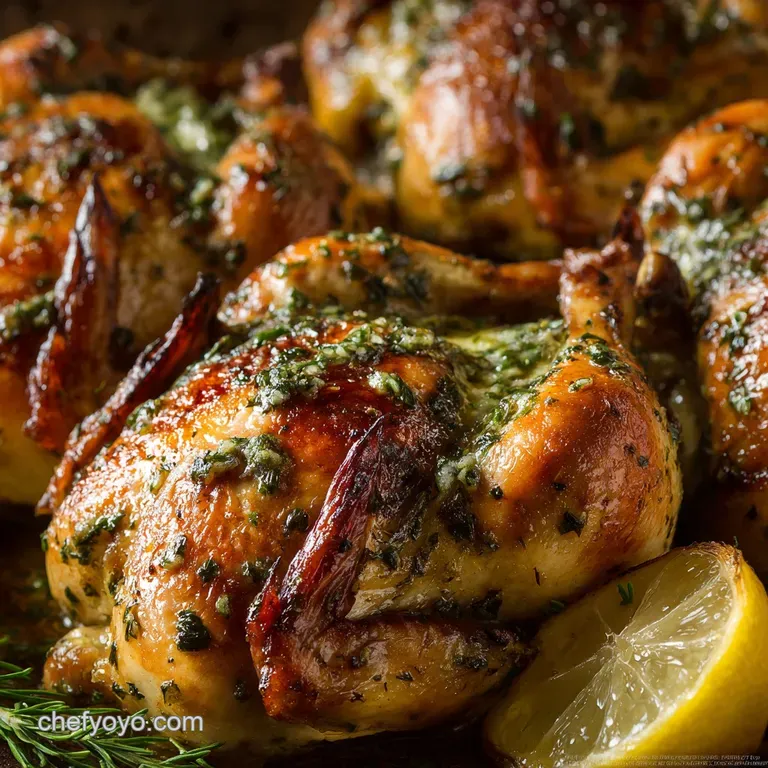
Once the compound butter is complete, the application dictates the final outcome. Begin by using your fingers to gently loosen the skin over the breast and thigh of each hen, taking care not to tear the skin. Carefully push half of the prepared butter mixture into this space, directly onto the meat.
Massage the outside of the skin lightly to ensure the butter is distributed evenly underneath. Finally, rub the remaining half of the butter over the entire exterior surface. This ensures maximum flavour and promotes browning, truly mastering the technique of How To Roast Cornish Game Hens .
Achieving Golden Brown Perfection in Roasted Cornish Hens
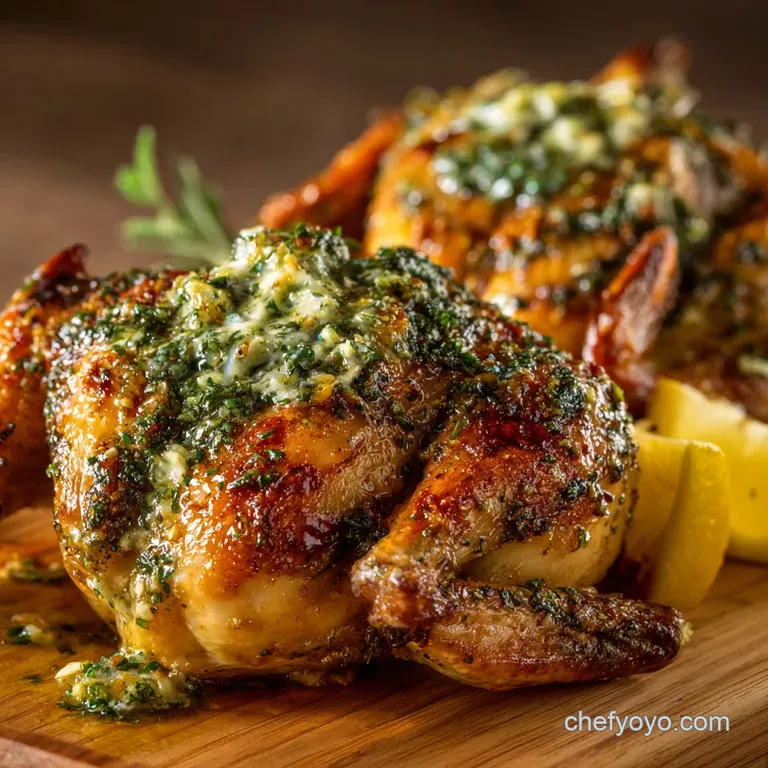
The desired result for these mini roasts is a deep mahogany, golden brown exterior that shatters upon contact. This high contrast outcome super crispy skin protecting impossibly juicy meat is solely achievable through the rapid, high heat start of the roasting process, which immediately renders the applied fat and the natural skin fat.
This aggressive heat kickstarts the Maillard reaction quickly.
The Two-Stage Roasting Method for Succulent Results
Our successful approach utilizes a two-stage temperature protocol designed to prioritize crispness first, followed by gentle cooking to reach internal doneness. This ensures the best of both worlds: a perfectly crackling crust and moist, tender meat.
Preparing the Cavity and Tucking the Wings
Before the bird goes into the oven, place large chunks of yellow onion, a bay leaf, and a wedge of the halved lemon inside the cavity. These aromatics will gently perfume the meat during cooking.
For a tidy appearance and to ensure the breast doesn't dry out prematurely, it is recommended to truss the legs with butcher’s twine. If you are preparing Roasted Cornish Hens with Stuffing (aromatic or otherwise), trussing is particularly important for containing the cavity contents.
If using dense stuffing, be aware that cooking time may increase, and the stuffing itself must reach 165°F (74°C).
Initial High Heat Blast: Securing the Crispy Crust
Preheat the oven to a blistering 450°F (230°C). Place the hens on the wire rack and pour a small amount of chicken stock or water into the base of the roasting pan to catch drippings and prevent burning. Immediately place the hens into the preheated oven for 15 minutes .
This intense initial exposure is the absolute key to setting the skin and securing that perfect, deep color.
Lowering the Temperature for Consistent Internal Doneness
After the initial 15-minute blast, immediately reduce the oven temperature to 375°F (190°C) without opening the oven door if possible. Continue roasting for an additional 20 to 30 minutes.
This lower heat finishes cooking the meat gently, allowing the internal temperature to rise steadily without burning the already crisp exterior. The total cooking time for Roasted Cornish Hens with Vegetables will vary slightly if the vegetables are roasting in the same pan, as they may leach moisture.
The Mandatory Rest: Why Patience Pays Off
Once the hens register 165°F (74°C) in the thickest part of the thigh, remove them from the oven immediately. Transfer the hens to a clean cutting board and tent them loosely with foil. Allow them to rest for a full 10 minutes .
This resting period is non-negotiable, as it allows the internal muscle fibers to relax and reabsorb the juices, ensuring that the meat remains exceptionally succulent when carved.
FAQs and Troubleshooting Your Roasted Cornish Hens
A common concern is skin burning before the meat is cooked. If you notice the skin darkening too fast during the lower heat stage, loosely cover the hens with a small piece of aluminum foil.
If the skin is not crisping, ensure you have adequately dried the hens and used the wire rack improper drying is almost always the cause of soggy skin. If your final temperature is struggling to reach 165°F after 45 minutes, check your thermometer calibration.
Perfect Pairings: What to Serve Alongside Your Mini Roasts
These rich, flavorful birds pair wonderfully with sides that absorb the rendered pan juices or provide a textural contrast. Classic pairings include creamy mashed potatoes or a flavorful rice pilaf.
Serving Roasted Cornish Hens with Vegetables such as tender asparagus, oven-roasted Brussels sprouts, or honey glazed carrots provides a beautiful color contrast and completes the meal.
Checking for Safe Internal Temperature (165°F/74°C)
Always rely on your thermometer for safety and quality control. Insert the probe into the thickest part of the thigh, making sure you are not touching the bone, which will register artificially high. The finished temperature must be 165°F (74°C). If the juices run cloudy when pierced, the bird needs more time.
Flavor Variations: Switching Out the Classic Herb Blend
While the Roasted Cornish Hens with Garlic Herbs and Lemon profile is timeless, the recipe is easily adapted. For a richer, deeper flavor, substitute the lemon and fresh herbs with a blend of dried porcini powder, smoked paprika, and brown sugar.
Alternatively, for a sweet and savory glaze, try swapping the butter for sesame oil and applying a mixture of soy sauce, honey, and fresh ginger during the last 10 minutes of cooking.
Handling Leftovers and Reheating Without Losing Crispness
The best way to enjoy leftover hen meat without compromising the crispy skin is to remove the meat from the bone first. If you insist on reheating the whole bird, preheat the oven to 350°F (175°C) and reheat for only 5 to 8 minutes, avoiding the microwave entirely.
A better approach is to carve the meat and reheat it quickly in a skillet with a small amount of chicken stock to keep it moist, using the leftover skin for a crunchy garnish.
Serving Suggestions for Elegant Presentation
For the most impactful presentation, serve each Roasted Cornish Hens halved lengthwise, exposing the juicy interior, and arranged artfully over your chosen side dish.
Be sure to spoon some of the rich, degreased pan drippings or a quick sauce made by deglazing the pan with white wine and butter over the platter before serving. Remove the trussing twine and the cavity aromatics before placing the finished roast onto the plate.
Recipe FAQs
My poultry always turns out dry, how do I keep these little birds juicy?
The key to preventing dryness is being spot-on with your temperatures forget guessing! Cornish hens cook very quickly, so pull them out the moment they reach 165°F (74°C) in the thickest part of the thigh, avoiding the bone.
The crucial 10-minute rest allows the internal juices to redistribute throughout the meat; if you slice into them too early, all that hard earned moisture will escape onto the cutting board. Remember: resting the meat is non-negotiable for true succulence!
I followed the steps, but my skin is still a bit rubbery. What’s the secret to getting truly ‘cracking’ crispy skin?
Moisture is the nemesis of crispy skin, so you must pat the hens aggressively bone dry before seasoning; paper towels are your best friend here. Don't skip the uncovered chill time in the fridge, as this draws out surface moisture and sets you up for success.
Finally, the high heat blast at 450°F is essential for that initial rendering of fat, creating a shatteringly crispy exterior before you drop the heat to finish cooking evenly.
Can I prepare the Roasted Cornish Hens the night before? It would be a lifesaver for a dinner party.
Absolutely, prepping ahead is a brilliant idea, particularly for entertaining, and it actually improves the result! You can apply the dry brine (salt/pepper/oil) and chill the hens, uncovered, for up to 24 hours; this extensive drying time dramatically aids skin crispiness.
However, wait to apply the soft herb butter rub until about 30 minutes before roasting. You want the butter to be slightly firm when it hits the high oven temperature to ensure it melts and bastes the skin rather than running off immediately.
What makes a Cornish Hen different from a small chicken, and can I use the leftovers?
Roasted Cornish Hens are essentially tiny chickens (or Poussin) harvested younger, making the meat exceptionally tender and perfectly sized for an individual portion, which makes any meal feel instantly special.
They cook significantly faster than a standard chicken (around 40 minutes total), but you still must reach the safe internal temperature of 165°F (74°C).
I fancy a change next time. Are there any easy flavour variations I can try?
If you're tired of the classic lemon herb profile, swap it out for a robust spice rub or a glaze! Try a smoky Spanish rub made with paprika, chili flakes, and sherry vinegar for a fiery Piri Piri style hen.
Alternatively, for an Asian inspired flavour, use a compound butter made with grated ginger, spring onion, and sesame oil, and brush a light honey soy glaze over the skin during the final 10 minutes of cooking.
Crispy Lemon Herb Roasted Cornish Hens
Ingredients:
Instructions:
Nutrition Facts:
| Calories | 1268 kcal |
|---|---|
| Protein | 16.1 g |
| Fat | 55.7 g |
| Carbs | 72.4 g |
| Fiber | 28.6 g |
| Sodium | 26506 mg |
