Easy Boba Milk Tea Recipe
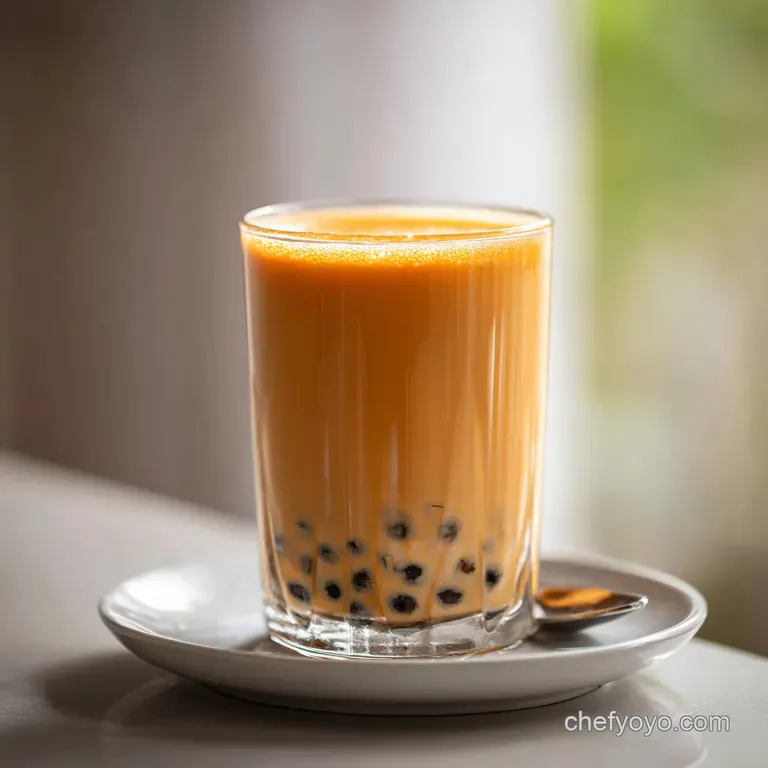
- Time: Active 15 minutes, Passive 10 minutes, Total 25 minutes
- Flavor/Texture Hook: Chewy, "QQ" pearls paired with silky, caramel noted tea
- Perfect for: Afternoon pick me-ups, weekend treats, or beginner friendly hosting
The Alchemy of High Contrast Flavors
To understand why this drink is so addictive, we have to look at the interaction of ingredients. This isn't just a glass of tea with milk; it is a carefully balanced emulsion of fats, tannins, and starches.
The tea provides a structural bitterness that cuts through the heavy creaminess of the milk, while the boba adds a physical element that makes the drink feel like a snack and a beverage combined.
- Starch Gelatinization: When tapioca pearls hit boiling water, the starches absorb liquid and expand, creating that iconic chewy texture. If the water isn't hot enough, the outside dissolves into slime before the center cooks.
- Tannin Concentration: Using four tea bags for just two cups of water creates a hyper concentrated infusion. This ensures the tea oils remain prominent even after the milk fats attempt to coat your palate.
- Sugar Viscosity: The dark brown sugar syrup acts as a humectant. It keeps the pearls soft by preventing them from losing moisture too quickly once they are added to the cold tea.
| Method | Time | Texture | Best For |
|---|---|---|---|
| Stovetop | 20 minutes | Bouncy and tender | Fresh, immediate consumption |
| Oven (Large Batch) | 45 minutes | Soft and consistent | Parties or large gatherings |
| Instant Pot | 15 minutes | Very soft/chewy | Quick fixes when time is tight |
Steeping the tea on the stovetop allows for better control over the temperature, which is why it remains my preferred method for this specific milk tea recipe. Over boiling the tea leaves can lead to a bitter, astringent taste that ruins the silky finish we are aiming for.
If you prefer a more hands off approach for the tea base, you can use the oven method for steeping large quantities, but the stovetop is king for individual servings.
Critical Specifications for Success
Before we grab our pans, let's look at the numbers. Precision is what separates a soggy mess from a silky masterpiece. You want your tea at a specific concentration and your pearls at a specific level of "doneness" before they hit the syrup.
| Component | Science Role | Pro Secret |
|---|---|---|
| Black Tea | Provides tannin structure | Use Assam for a malty, intense base that stands up to milk. |
| Tapioca Pearls | Adds textural contrast | Always boil in a 8:1 water to pearl ratio to prevent sticking. |
| Dark Brown Sugar | Creates caramel notes | Use Muscovado if you want a deeper, molasses heavy flavor profile. |
| Whole Milk | Emulsifies the tea | Shake the milk before adding to incorporate fats for a lush mouthfeel. |
If you are looking for more ways to experiment with textures, you might love my Homemade Boba recipe which goes into even more detail on different pearl varieties. The key is to never let your cooked pearls sit in plain water; they need a sugar bath to maintain their integrity.
The Alchemy of Fine Ingredients
The quality of your ingredients will dictate the final clarity of flavor. Because this recipe has so few components, each one needs to pull its weight.
- Filtered Water: 2 cups. Using filtered water prevents mineral interference with the tea tannins.
- Robust Black Tea: 4 bags (Assam or Ceylon). You want a strong, malty tea that won't get lost.
- Quick cooking Black Tapioca Pearls: 1/2 cup. These save time while still providing a great chew.
- Dark Brown Sugar: 1/4 cup. This provides the color and the deep, caramelized sweetness.
- Whole Milk: 1/2 cup. This adds the necessary fat for a velvety texture.
- Star Anise: 1 piece. An optional but fusion forward way to add a subtle spice note.
| Original Ingredient | Substitute | Why It Works |
|---|---|---|
| Whole Milk (1/2 cup) | Oat Milk (full fat, 1/2 cup) | High fat content maintains creaminess. Note: Adds a slight toasted grain flavor. |
| Dark Brown Sugar | Honey or Maple Syrup | Provides sweetness but lacks the deep caramel color/thickness. |
| Black Tea Bags | Loose Leaf Tea (2 tbsp) | Offers a more complex flavor profile but requires fine straining. |
For those looking for a dairy-free twist, I often suggest checking out this How To Make recipe for a fresh almond milk base that adds a wonderful nuttiness to the tea.
Essential Tools for Brewing
You don't need a professional boba station, but a few items make the process much smoother. A small saucepan is essential for the syrup, as it allows for even heat distribution. You will also need a fine mesh strainer to ensure no tea leaves or star anise fragments end up in your drink.
The most important "tool" is actually your glassware. A tall, clear glass allows you to see the "marble" effect as the brown sugar syrup drips down the sides. And, of course, a wide boba straw is non negotiable you can't enjoy the pearls without one!
If you don't have a wide straw, you'll be forced to eat the pearls with a spoon at the end, which just isn't the same.
step-by-step Guidance
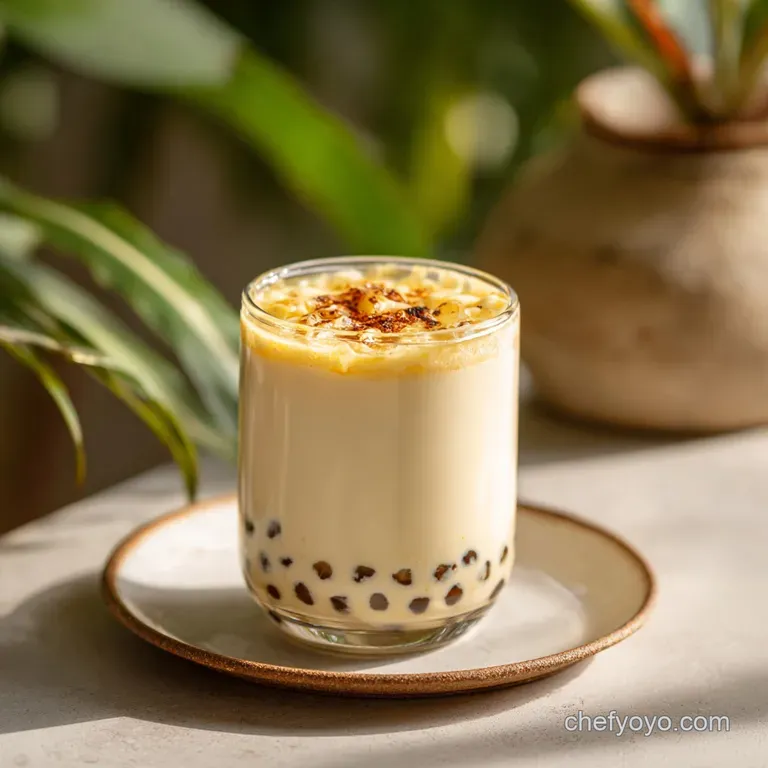
Follow these steps closely to ensure your tea is intense and your pearls are perfectly chewy.
- Boil the water. Bring 2 cups of filtered water to a rolling boil in a small pot. Note: Using filtered water ensures the tea's natural aromatics shine through without metallic interference.
- Steep the tea. Remove from heat, add 4 tea bags (and star anise if using), and cover. Let it sit for 10 minutes until the liquid is dark and fragrant.
- Cook the pearls. In a separate pot, boil 4 cups of water. Add 1/2 cup boba pearls and cook for 5 minutes until they float and turn dark.
- Drain and prep. Remove pearls with a slotted spoon. Note: Do not rinse them; the residual starch helps the syrup cling to the surface.
- Simmer the syrup. In the small pot, combine 1/4 cup dark brown sugar and 2 tbsp water. Simmer over medium heat for 3 minutes until the sugar dissolves into a thick glaze.
- Glaze the boba. Toss the cooked pearls into the syrup. Cook for 2 more minutes until the pearls look glossy and the syrup is tacky.
- Chill the tea. Remove the tea bags and let the tea cool, or pour it over a few ice cubes to flash chill it.
- Create the marble. Spoon the warm pearls and syrup into the bottom of two glasses. Tilt the glass to let the syrup coat the sides.
- Assemble the drink. Add 1 cup of ice to each glass, followed by the chilled tea.
- Add the finish. Pour 1/4 cup of milk into each glass. Watch the white milk swirl into the dark tea until it creates a beautiful marble pattern.
Chef Tip: For an unconventional twist, freeze your brown sugar syrup into small cubes. As they melt in your tea, they release a slow burst of sweetness instead of diluting it!
If you are a fan of that specific chewy texture, you should also try my Deliciously Chewy recipe which uses a slightly different steeping time for a more floral finish.
Solving Common Boba Blunders
Even with a simple recipe, things can go sideways. The most common issue is the texture of the pearls. If they are too hard, they weren't cooked long enough; if they are mushy, they sat in water too long.
Why Your Pearls Are Hard
If the center of your boba feels like a tiny rock, it usually means the water temperature dropped too quickly or the pearls were old. Tapioca starch needs consistent heat to hydrate fully.
Why Your Tea Is Bitter
Over steeping or boiling the tea bags while they are in the water releases excess tannins. Always remove the pot from the heat before adding the tea bags to keep the flavor smooth.
| Problem | Root Cause | Solution |
|---|---|---|
| Pearls sticking together | Not enough water or no sugar syrup | Boil in more water and toss in syrup immediately after draining. |
| Watery flavor | Ice melted too fast in hot tea | Flash chill the tea in a metal bowl over ice before assembling. |
| Gritty syrup | Sugar didn't dissolve | Simmer the syrup longer over low heat; do not stir too vigorously. |
Common Mistakes Checklist:
- ✓ Always wait for the water to reach a full boil before adding pearls.
- ✓ Never rinse pearls in cold water; it makes them tough.
- ✓ Use a heavy bottomed pan for the syrup to prevent burning.
- ✓ Drink your boba within 4 hours of cooking for the best texture.
- ✓ Steep tea with a lid on to keep the essential oils from evaporating.
Creative Flavor Variations
Once you have mastered the base, you can start playing with the "fusion" aspect of this drink. I love adding a pinch of sea salt to the milk before pouring it in it creates a "salted cream" effect that highlights the caramel notes of the brown sugar.
- Fruit Infusions: Muddle fresh strawberries or mango at the bottom before adding the pearls for a vibrant, contemporary look.
- Spice Boost: Add a cinnamon stick or a few cardamom pods to the tea steeping process for a warm, cozy vibe.
- Texture Play: Add a scoop of grass jelly or aloe vera cubes alongside the boba for a multi layered chewing experience.
If you enjoy playing with flavor profiles, check out these Autumn Brew Boosters recipe for syrup inspirations that work beautifully in tea as well.
Decision Shortcut: If you want a richer drink, use half and half instead of whole milk. If you want it less sweet, reduce the brown sugar syrup by half but keep the steeping time the same.
If you want it caffeine free, swap the black tea for a concentrated Rooibos brew.
Storing Your Sweet Creations
Boba is definitely best enjoyed fresh. The pearls are made of starch, which undergoes "retrogradation" as it cools, meaning they will turn hard and lose their chew within a few hours.
- Fridge: You can store the brewed tea (without milk or boba) in the fridge for up to 3 days.
- Freezer: Do not freeze cooked boba; they will become a grainy mess.
- Zero Waste: If you have leftover tea, freeze it into ice cubes! This way, your next milk tea won't get watered down as the ice melts. Leftover syrup can be used over oatmeal or pancakes the next morning.
Presentation and Serving Tips
To get that "Instagram worthy" look, it is all about the "dirty" marbling. When you spoon the warm pearls and syrup into the glass, don't just drop them at the bottom. Use the back of the spoon to "paint" the syrup up the interior walls of the glass.
When you pour the cold milk over the tea, it will catch on the syrup streaks, creating those beautiful, dark veins.
Serve this drink in a chilled glass to keep the ice from melting too quickly. If you are hosting, you can set up a "boba bar" with different milk options and extra toppings. It is a creative way to let guests customize their sweetness levels.
For the ultimate pairing, serve this with a light, airy sponge cake or some crisp almond cookies. The contrast between the liquid tea and a crunchy snack is the perfect way to spend an afternoon.
Enjoy the process the "QQ" snap of a well cooked boba pearl is a reward well worth the 25 minutes of effort!

Recipe FAQs
How to make boba milk tea at home?
Steep strong black tea, cook tapioca pearls until chewy, and prepare a dark brown sugar syrup. Combine the cooked, glazed pearls with ice, the concentrated chilled tea, and finish by pouring milk slowly over the top to create a marbled effect.
Can I just add milk to tea to make milk tea?
No, that results in standard milk tea, not boba milk tea. Boba milk tea requires intensely brewed, concentrated tea to stand up to the fat content of the milk and the starchiness of the pearls; normal tea will taste weak.
What kind of milk is used for boba tea?
Whole milk is the best choice for traditional richness and mouthfeel. Whole milk provides the necessary fat content to emulsify with the strong tea tannins, creating that classic velvety texture.
How to make bubble boba at home?
Boil the pearls vigorously in a large volume of water until they float, then simmer until the center is tender. Immediately drain them and toss them into a warm dark brown sugar glaze to keep them soft and chewy.
Is it true I must use expensive loose leaf tea for good boba?
No, this is a common misconception. While loose leaf is great, using four high-quality black tea bags steeped for 10 minutes creates the necessary tannin concentration to punch through the milk fats.
What is the secret to keeping boba pearls chewy and not hard?
The secret is coating them immediately in a hot brown sugar syrup after boiling. This process not only sweetens them but also prevents moisture loss; if you master this technique, you will improve your skills for emulsification, similar to what you see in our Homemade Mayo Recipe.
Can I make the tea base ahead of time?
Yes, the tea base can be made up to 24 hours in advance. Brew the tea extra strong, remove the bags, and store the concentrated liquid in the refrigerator, adding the milk only when you are ready to serve.
Easy Boba Milk Tea Recipe
Ingredients:
Instructions:
Nutrition Facts:
| Calories | 284 kcal |
|---|---|
| Protein | 2.1 g |
| Fat | 2.0 g |
| Carbs | 65.2 g |
| Fiber | 0.1 g |
| Sugar | 31.4 g |
| Sodium | 32 mg |
