Homemade Pizza Dough: Crispy and Chewy
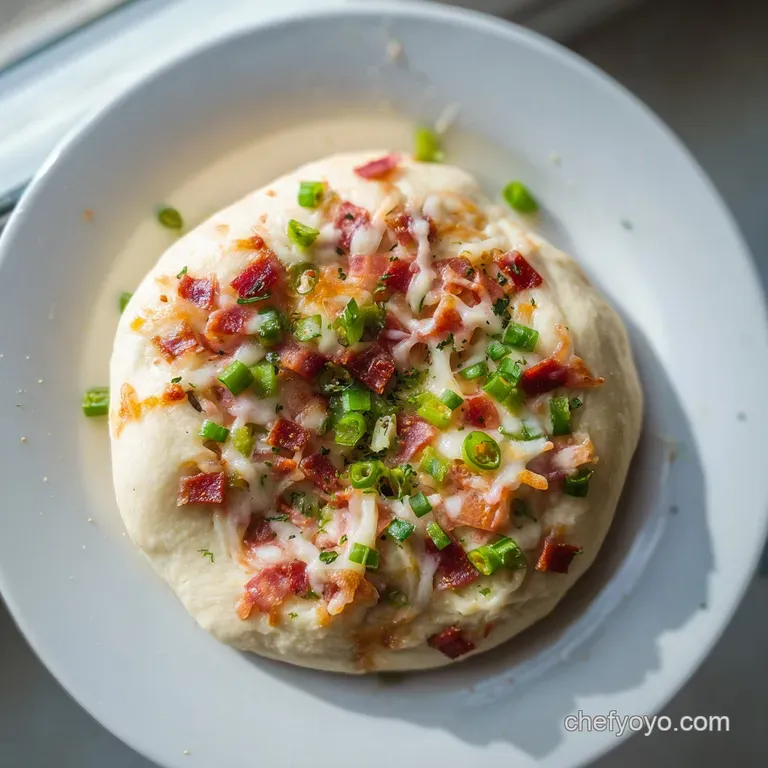
- Time: Active 25 minutes, Passive 45 minutes, Total 70 minutes
- Flavor/Texture Hook: Wholesome, yeasty aroma with a shatter crisp crust and chewy crumb.
- Perfect for: Family pizza night, beginner bakers, and weekend meal prep.
- Authentic Rustic Italian Pizza Dough Recipe for the Home Cook
- Secrets to Achieving That Perfect Artisanal Crust Texture
- Component Analysis and Ingredient Deep Dive
- Wholesome Ingredients Needed for a Classic Italian Base
- Minimalist Tools for Professional Results in Your Kitchen
- Step-by-Step Guide to Crafting Your Own Pizza Dough
- Fixing Common Dough Mistakes for a Consistent Bake
- Artisanal Variations and Ingredient Substitutions for Your Base
- Storing and Freezing Your Dough to Maintain Freshness
- Serving Suggestions and Rustic Pairings
- Debunking Common Kitchen Myths
- Recipe FAQs
- 📝 Recipe Card
Authentic Rustic Italian Pizza Dough Recipe for the Home Cook
The smell of blooming yeast always takes me back to the narrow, sun drenched streets of Naples, where the air is thick with the aroma of charred flour and sweet tomatoes. Long before pizza became a global phenomenon, it was the humble soul food of Italian street vendors.
There is something deeply wholesome about working with just flour, water, and salt the same basic elements that have fed families for centuries. Whenever I start mixing these ingredients, I feel a connection to those traditional roots, bringing a piece of old world artisanal craft into my modern kitchen.
Making your own base from scratch might feel intimidating if you have seen pros tossing dough in the air, but the reality is much more grounded and peaceful. It is about the tactile sensation of the flour under your palms and the quiet magic of watching a shaggy mess transform into a smooth, elastic ball.
We are not looking for factory produced perfection here; we want those rustic, uneven bubbles and a crust that tells a story of heat and hydration.
This specific pizza dough recipe is designed to be approachable without sacrificing the quality you would expect from a high end pizzeria. We are using minimal tools just a bowl, a spoon, and your hands to prove that you do not need a fancy stand mixer to achieve professional results.
Whether you are hosting a lively family gathering or just want a quiet Friday night treat, this dough provides the reliable foundation you need for a truly memorable meal.
Secrets to Achieving That Perfect Artisanal Crust Texture
Most people think the secret to a great crust is a fancy oven, but it actually starts with how you treat the yeast and the flour. The interaction between these few ingredients determines whether your pizza is a soggy disappointment or a crispy triumph.
We want to focus on creating a strong gluten network while allowing the yeast enough "food" to produce those beautiful carbon dioxide bubbles that make the crust light and airy.
The Yeast Sugar Synergy: Adding a tiny bit of honey or sugar provides immediate fuel for the yeast, ensuring a vigorous bloom and a better browning of the crust during the short 10 minutes bake.
Controlled Hydration: By using 1.5 cups of warm water for 4 cups of flour, we hit a hydration level that is easy to handle by hand but wet enough to create a "velvety" interior crumb.
The over High heat Blast: Preheating your oven with a stone or sheet inside mimics a stone hearth, causing the water in the dough to turn to steam instantly, which creates that sought after "shatter" on the bottom.
Gluten Relaxation: Letting the dough rest for 45 minutes isn't just about rising; it allows the protein strands to relax so the dough doesn't snap back when you try to shape your 12 inch rounds.
| Method | Time | Texture | Best For |
|---|---|---|---|
| Standard Bake | 70 minutes | Soft and Chewy | Quick weeknight dinner |
| Cold Ferment | 24-48 hours | Complex and Airy | Ultimate flavor depth |
| Thin Crust | 60 minutes | Very Crispy | Heavy toppings |
While the standard method is brilliant for a fast meal, the cold ferment option is a great trick if you have a busy schedule. You just mix it, let it rise for 20 minutes, and then shove it in the fridge.
The cold slows down the yeast but lets the enzymes work their magic, creating a more "artisanal" flavor profile that tastes like it came from a specialty bakery.
Component Analysis and Ingredient Deep Dive
Understanding what each part of the dough does will help you become a more intuitive cook. You begin to see the ingredients not just as a list, but as building blocks that interact with each other to create the final structure.
| Ingredient | Science Role | Pro Secret |
|---|---|---|
| Bread Flour | High protein (12-14%) creates a strong, chewy gluten structure. | Use a scale for accuracy; 4 cups should weigh roughly 500-520 grams. |
| Active Dry Yeast | Leavening agent that produces CO2 for lift. | Always check the expiration date and ensure water is 105°F-110°F to avoid "killing" it. |
| Extra Virgin Olive Oil | Tenderizes the crumb and adds a rustic, grassy flavor. | Brush a little extra on the crust edges before baking for a mahogany glow. |
| Honey | Provides food for yeast and aids in the Maillard reaction (browning). | Swap for sugar if you want a more neutral flavor, but honey adds a nice floral note. |
The choice of bread flour over all purpose flour is one of those small changes that yields a massive difference. Bread flour has more protein, which means more gluten. Gluten is like the "scaffolding" of your pizza. Without it, your crust will be crumbly and weak, unable to hold up the weight of your favorite toppings. If you find yourself wanting a more traditional experience, you might explore a Neapolitan pizza dough which often uses specific Italian flour for an even softer bite.
Wholesome Ingredients Needed for a Classic Italian Base
For this recipe, we keep things simple and high-quality. Stick to these exact measurements for the most reliable results.
- 1.5 cups warm water (105°F-110°F): Why this? Essential for activating the yeast without scalding it.
- Substitute: Room temperature water (will just take longer to rise).
- 2.25 teaspoons active dry yeast (1 standard packet): Why this? The powerhouse that makes the dough rise and stay light.
- Substitute: 2 teaspoons instant yeast (no need to bloom in water first).
- 1 teaspoon honey or sugar: Why this? Wakes up the yeast and helps the crust turn golden.
- Substitute: Maple syrup for a unique, earthy sweetness.
- 4 cups bread flour: Why this? The high protein content gives you that signature "chew".
- Substitute: All purpose flour (the crust will be softer and less chewy).
- 2 tablespoons extra virgin olive oil: Why this? Adds richness and helps the dough stretch without tearing.
- Substitute: Avocado oil or any neutral vegetable oil.
- 1.5 teaspoons fine sea salt: Why this? Tightens the gluten and brings out the flavor of the wheat.
- Substitute: Kosher salt (use 2 teaspoons since the grains are larger).
- 2 tablespoons cornmeal: Why this? Prevents sticking and adds a professional "crunch" to the bottom.
- Substitute: Extra flour or semolina flour.
Minimalist Tools for Professional Results in Your Kitchen
You really don't need a kitchen full of gadgets for this. In fact, doing it by hand gives you a much better "feel" for the dough's hydration. I usually just use my favorite large glass bowl and a sturdy wooden spoon.
If you have a pizza stone, that's great for heat retention, but a standard baking sheet flipped upside down works surprisingly well too.
The most important "tool" is actually your hands. Learning how to knead effectively is a skill that will serve you in all your baking. If you are worried about the mess, a silicone pastry mat can help keep your counters clean, but a well floured stone or laminate surface is perfectly fine. For those who love a bit of a shortcut, you could even use this dough to make homemade pizza rolls if you have some leftovers or want a fun snack for the kids.
step-by-step Guide to Crafting Your Own Pizza Dough
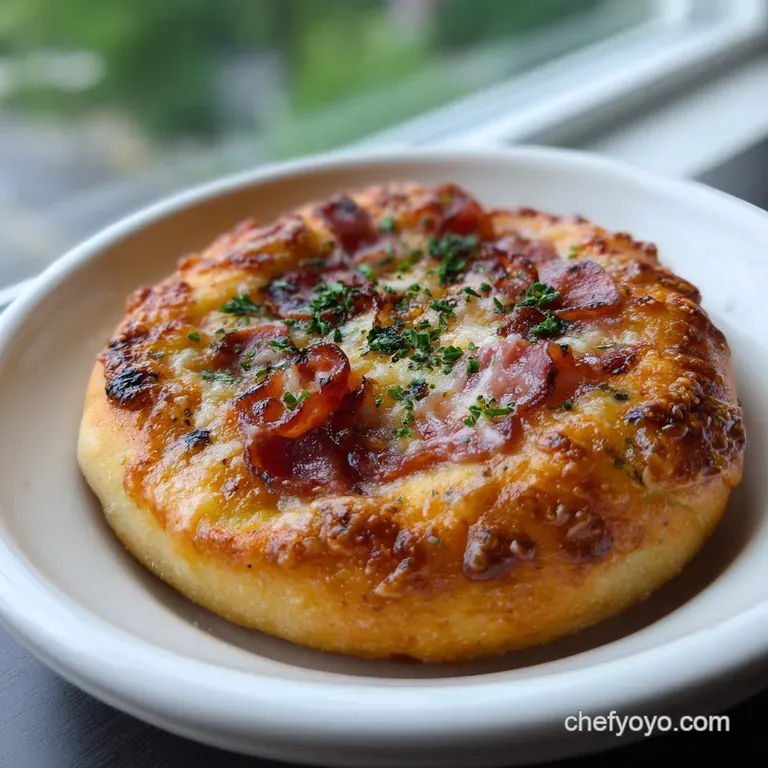
- Bloom the yeast. In a large glass mixing bowl, combine 1.5 cups warm water (105°F-110°F), 2.25 teaspoons active dry yeast, and 1 teaspoon honey. Stir gently. Note: Let this sit for 5–10 minutes until a foamy, bubbly head forms.
- Start the base. Add the 2 tablespoons olive oil, 1.5 teaspoons sea salt, and 2 cups of the bread flour to the yeast mixture. Stir with a wooden spoon until a shaggy, wet paste forms.
- Incorporate the flour. Gradually add the remaining 2 cups of flour, 1/2 cup at a time. Stir continuously until the dough pulls away from the sides of the bowl. It should feel slightly tacky but not stick to your fingers.
- Knead by hand. Turn the dough onto a lightly floured surface. Fold the dough toward you and push away with the palms of your hands. Repeat this for 5-8 minutes until the dough is smooth and elastic.
- First rise. Place the dough in a lightly oiled bowl and cover with plastic wrap or a damp towel. Leave it in a warm, draft free spot for 45 minutes until doubled in size.
- Preheat the oven. Set your oven to its highest setting (usually 450°F-500°F). Place your pizza stone or baking sheet inside to get screaming hot.
- Shape the rounds. Punch down the risen dough to release air. Divide it in half and shape into two 12 inch rounds on pieces of parchment paper.
- Dust and prep. Sprinkle 2 tablespoons of cornmeal onto the hot stone or baking sheet. Carefully transfer the dough rounds onto the hot surface.
- Bake the crust. Add your toppings and slide the pizza into the oven. Bake for 10 minutes until the crust is mahogany colored and the cheese is bubbly.
- Rest and serve. Let the pizza sit for 2 minutes before slicing to allow the crust to set.
Fixing Common Dough Mistakes for a Consistent Bake
Every home cook has had a dough disaster. I remember one time I used water that was way too hot I basically cooked the yeast before it even had a chance to breathe. The result was a flat, dense disc that looked more like a giant cracker than a pizza.
If your dough isn't rising, the first thing to check is your water temperature and the age of your yeast.
Handling Snap Back Dough
If you try to stretch your dough and it keeps shrinking back like a rubber band, it means the gluten is too tight. This often happens if the dough is too cold or if you haven't let it rest long enough after punching it down. Simply cover it with a towel and let it sit for another 10-15 minutes.
This gives the protein strands time to relax, making it much easier to shape into those 12 inch rounds.
Preventing a Soggy Bottom
A soggy crust is usually caused by two things: too many watery toppings (like fresh mozzarella that hasn't been drained) or an oven that isn't hot enough. Make sure you preheat your oven for at least 30 minutes before baking.
Using cornmeal on the bottom also creates a tiny air gap that helps steam escape, ensuring a much crispier finish.
| Problem | Root Cause | Solution |
|---|---|---|
| Dough won't rise | Dead yeast or water too hot/cold | Check yeast date; use a thermometer for water (105-110°F). |
| Crust is too tough | Over kneading or not enough moisture | Knead only until smooth; don't add too much extra flour. |
| Dough is too sticky | High humidity or too much water | Add flour 1 tablespoon at a time until tacky but manageable. |
Common Mistakes Checklist
- ✓ Never skip the yeast blooming step; it's your insurance policy against flat dough.
- ✓ Avoid using "cold" flour straight from the fridge; room temperature is best for fermentation.
- ✓ Don't use a rolling pin if you want big bubbles; use your fingers to gently press the air toward the edges.
- ✓ Preheat your baking surface for at least 30 minutes to get that professional "oven spring."
- ✓ Drain your fresh mozzarella on paper towels before adding it to the pizza to prevent puddles.
Artisanal Variations and Ingredient Substitutions for Your Base
One of the best things about a solid pizza dough recipe is how easily it can be adapted. Once you have the basic technique down, you can start experimenting with different flavors.
I love adding a teaspoon of dried oregano and some garlic powder directly into the flour for an "herb crust" vibe that smells incredible while it bakes.
Infusing Herbal Aromatics
For a more rustic, artisanal feel, try kneading in some chopped fresh rosemary or cracked black pepper. If you want a slightly healthier twist, you can replace 1 cup of the bread flour with whole wheat flour.
Just be aware that whole wheat absorbs more liquid, so you might need to add an extra tablespoon of water to keep the dough supple.
For the Quick Fix
If you are really short on time, you can skip the 45 minute rise and go straight to shaping, but your crust will be much denser and less flavorful. It's better to make the dough the night before and let it sit in the fridge.
This "cold ferment" actually makes the dough easier to stretch and gives you those beautiful charred "leopard spots" that everyone loves in a rustic pizza.
| Original Ingredient | Substitute | Why It Works |
|---|---|---|
| Bread Flour | All Purpose Flour | Lower protein makes a softer, less chewy crust. |
| Honey | Agave Nectar | Similar sugar content for yeast; neutral flavor profile. |
| Sea Salt | Garlic Salt | Adds an immediate savory punch to the base. |
Storing and Freezing Your Dough to Maintain Freshness
If you find yourself with extra dough, do not throw it away! Pizza dough actually improves with a little bit of time. You can store the raw dough in a lightly oiled, airtight container in the fridge for up to 3 days. The flavor will become more complex and "sourdough like" as the days go by.
Just make sure the container is large enough, as the dough will continue to expand slightly even in the cold.
For long term storage, freezing is your best friend. Lightly coat a dough ball in olive oil, wrap it tightly in plastic wrap, and then place it in a freezer bag. It will stay fresh for up to 3 months.
When you are ready to use it, thaw it in the fridge overnight and then let it sit on the counter for about an hour to reach room temperature before you try to shape it.
Chef's Note: If you have small scraps of dough left over, roll them into thin strips, brush with butter and cinnamon sugar, and bake them for 5-8 minutes. They make the most wholesome little dessert "twists" that are perfect for dipping in icing!
Serving Suggestions and Rustic Pairings
When your pizza comes out of the oven, mahogany colored and crackling, the temptation is to dig in immediately. But taking an extra minute for the "finishing touches" can turn a simple meal into something truly special.
I always keep a bottle of high-quality extra virgin olive oil on the table for drizzling over the crust. A sprinkle of flaky sea salt and some fresh basil leaves (added after baking so they don't wilt) adds a pop of color and freshness.
- The Classic Finish: Drizzle with chili infused honey for a sweet and spicy kick.
- The Rustic Side: Serve alongside a simple arugula salad with lemon vinaigrette to cut through the richness of the cheese.
- The Aroma Boost: Grate some fresh Pecorino Romano over the hot crust for a sharp, salty finish.
The beauty of this dough is its versatility. It is strong enough to hold up a mountain of veggies but delicate enough to shine with just a simple coating of garlic butter. Whatever you choose to put on top, remember that the dough is the star of the show.
Treat it with a little patience and a lot of heat, and you will never want to go back to store-bought again.
Debunking Common Kitchen Myths
There are a lot of "rules" out there about pizza making that simply aren't true for the home cook. For instance, many people believe you must use "00" flour to get a good result.
While "00" is lovely for over high heat wood fired ovens, bread flour is actually better for home ovens because it browns more easily at lower temperatures.
Another common myth is that you need to knead the dough for 20 minutes to get good gluten. In reality, a focused 5-8 minutes of hand kneading is more than enough for a standard pizza.
Over kneading can actually make the dough too tough, resulting in a crust that is hard to chew rather than pleasantly crispy. Finally, sugar isn't just for flavor; it's a functional ingredient that helps with the structure and color, so don't be afraid of that tiny teaspoon of honey!

Recipe FAQs
What is the secret to making good pizza dough?
Properly blooming your yeast. Letting the yeast sit in 105°F 110°F water with honey until a bubbly head forms is the only way to ensure an active, healthy fermentation.
What is the 55 rule for pizza dough?
This refers to the combined time for initial preparation and rising. Specifically, ensure your yeast blooms for 10 minutes and the dough undergoes a 45-minute proof in a warm environment to achieve proper structure.
What kind of pizza can CKD patients eat?
Homemade crusts using bread flour are typically safer. Because you control the sodium by using exactly 1.5 teaspoons of fine sea salt and avoiding processed toppings, you can manage your intake more accurately than with store-bought options.
Is pizza high in histamine?
It depends on the fermentation time. While standard dough is generally tolerated, letting the dough rest in the fridge for up to 3 days increases natural fermentation, which can alter the histamine content for sensitive individuals.
How to avoid a tough, dense crust?
Knead the dough for exactly 5-8 minutes until elastic. If you enjoyed mastering bread fermentation here, you will notice that properly developed gluten provides the strength needed for a light, airy crumb instead of a dense one.
How to get a crispy bottom on the pizza?
Preheat your pizza stone or baking sheet for 30 minutes. Placing the dough directly onto a preheated surface at high heat ensures the base sets immediately, creating that characteristic mahogany colored crust.
How to store leftover pizza dough?
Keep it in an airtight, oiled container in the refrigerator. It will stay fresh for up to 3 days, and the flavor will actually deepen as it continues to ferment slowly in the cold air.
Easy Homemade Pizza Dough

Ingredients:
Instructions:
Nutrition Facts:
| Calories | 260 kcal |
|---|---|
| Protein | 7.6 g |
| Fat | 4.1 g |
| Carbs | 47.2 g |
| Fiber | 1.8 g |
| Sugar | 0.9 g |
| Sodium | 435 mg |
