Au Jus: Simple Savory Classic Beef Au Jus
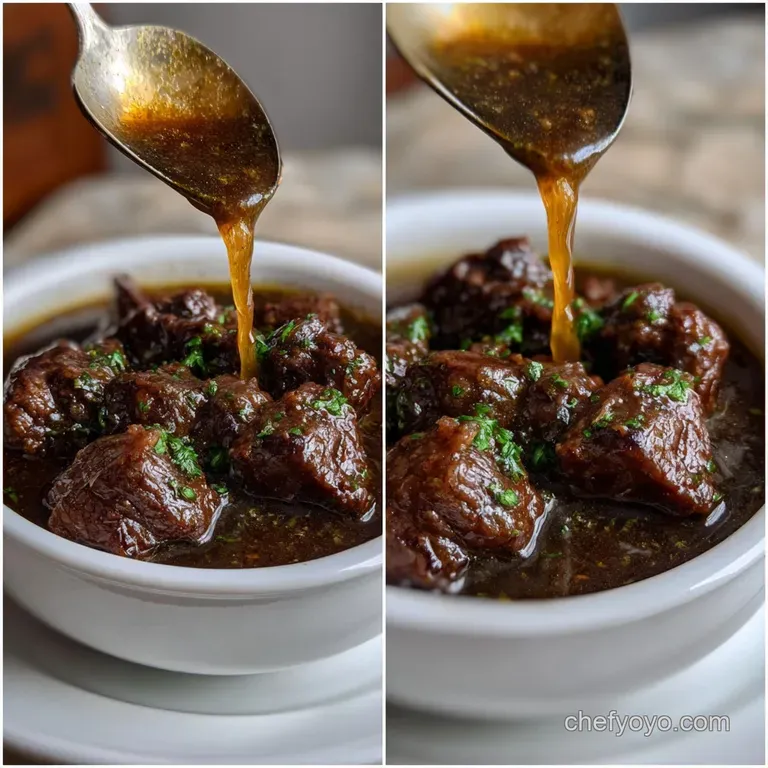
- Simple & Savory Classic Beef Au Jus
- What is Au Jus? Defining the Classic Beef Sauce
- The Flavor Science: Why Reduction Enhances Meat
- Essential Ingredients and Substitutions for Rich Au Jus
- Foolproof Step-by-Step Guide to Making Au Jus
- Expert Tips and Common Mistakes to Avoid
- Proper Storage and Freezing Methods
- Creative Serving Suggestions for the Classic Sauce
- Recipe FAQs
- 📝 Recipe Card
Simple & Savory Classic Beef Au Jus
The sound of a perfectly carved prime rib, the silence of anticipation, and then... that incredible aroma of rich, deep, caramelized beef drippings hitting the pan. But we all know the heartbreak: you work so hard on a stunning roast, only to serve it with a watery, sad excuse for a sauce.
Forget those dusty packets of instant powder. You deserve real Au Jus .
This isn't just a recipe; it's the technique to capture the pure, unadulterated essence of beef flavor in a clarified, concentrated liquid. It takes maybe 25 minutes, uses minimal ingredients, and transforms your entire dinner experience.
If you’re looking for an incredibly simple and savory classic beef Au Jus recipe easy , you found it.
So grab your roasting pan, because those browned bits (the "fond") are flavor gold. We are going straight into the secrets of making the silkiest, most intensely flavored Au Jus you’ll ever dip a sandwich into.
What is Au Jus? Defining the Classic Beef Sauce
The term Au Jus literally means "with juice" in French, and that’s the whole point: it’s the pure, unthickened meat liquid, concentrated by simmering. It should be intense, clear, and savory nothing like the thick, opaque, flour based gravy we often default to.
Making perfect Au Jus is truly the mark of a confident home cook.
The Flavor Science: Why Reduction Enhances Meat
The magic of this jus recipe easy is all about concentration and chemistry. When we simmer the stock and drippings gently, we're boiling off the water content, leaving behind the flavor compounds and natural fats.
Au Jus vs. Gravy: Understanding the Key Difference
Gravy relies on starch (like flour or cornstarch) to thicken, which gives it that heavy, cloudy look and texture. Au Jus relies on reduction and the natural gelatin released from the roasting bones or high-quality stock.
This gelatin provides the perfect mouthfeel a light, velvety coat without any actual thickeners.
Umami Power: Maximizing Savory Pan Drippings
Umami, the fifth flavor, is maximized when beef cooks and proteins break down. Those brown bits stuck to the bottom of the pan the fond —are pure caramelized flavor and protein, and scraping them up during the deglazing process is non-negotiable for incredible Au Jus . If you want a deep dive on how to maximize your beef drippings, I wrote a whole article just on that topic: Au Jus: Rich Prime Rib Au Jus Recipe With Drippings .
A Brief History of the Classic French Technique
This method is rooted in classic French cuisine, focusing on purity of flavor. The goal has always been to complement the protein, not mask it. It’s an elegant, minimal approach.
The Role of Gelatin in Sauce Body
high-quality beef stock or bone broth contains natural gelatin (collagen broken down during long cooking). This is what prevents the finished Au Jus sauce from tasting watery. When chilled, good Au Jus should actually set up slightly, proving its rich gelatin content.
Essential Ingredients and Substitutions for Rich Au Jus
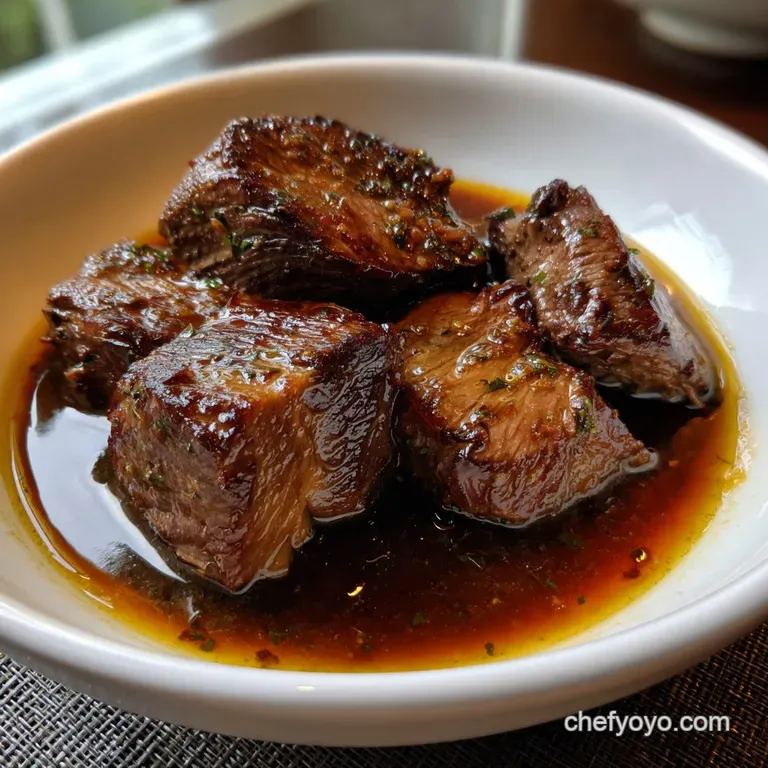
Listen, the quality of your stock matters 90% of the time. Buy the best one you can find, or make your own. Since this sauce is just a concentrated version of what goes in, there’s no hiding cheap ingredients.
Selecting the Best Broth or Stock Base
Always choose low-sodium stock. If you start with a salty base and then reduce the liquid by one-third, you end up with a salt lick. We want control over the seasoning.
Using Beef Drippings vs. Commercial Base
If you’ve just roasted a ribeye or prime rib, use those drippings! That’s the most authentic route. If you don't have drippings, a high-quality demi glace base dissolved into the stock works wonders for an accelerated flavor punch.
Key Aromatics and Seasonings
Shallots and garlic are foundational. They don't make the Au Jus taste like onion soup; they just add a foundational layer of complexity.
Dietary Swaps: Adapting the Recipe for Other Proteins
If you are serving chicken, swap the beef ingredients for poultry! The method remains identical.
| Ingredient | Substitute/Swap | Notes on Flavor Change |
|---|---|---|
| Beef Drippings | 1 Tbsp Butter or Olive Oil | Use butter for richness; oil maintains clarity but lacks the deep beefy flavor. |
| Red Wine (Dry) | 2 Tbsp Balsamic Vinegar | Adds necessary acidity and depth; use less as balsamic is more concentrated. |
| Shallot | 1/4 small Yellow Onion | More potent onion flavor; cook longer until perfectly translucent. |
| Beef Stock | Vegetable Stock + Soy Sauce (1/2 tsp) | Use high-quality mushroom or vegetable stock; the soy sauce replaces some of the meaty umami. |
| Worcestershire | 1/2 tsp Miso Paste (white) | Dissolve the miso in a little hot water before adding to avoid clumps. Huge umami boost! |
Foolproof step-by-step Guide to Making Au Jus
The secret here is the scrape and the slow simmer. Pay attention to the transformation it's fast!
- Sauté Aromatics: Heat your pan (preferably the one you roasted the meat in) over medium heat. Add the 2 Tbsp of reserved beef fat/drippings. Once shimmering, add the minced shallots. Cook for 3– 4 minutes until they smell sweet and are turning translucent. Add the garlic during the last 30 seconds until fragrant.
- Deglaze (Flavor Base): If using wine, pour in the 1/4 cup. Bring it up to a rapid, happy simmer, immediately scraping the bottom of the pan with a wooden spoon. This is critical: you must dissolve all those browned, crunchy bits (the fond ) into the liquid. Reduce the wine until almost entirely gone (it should only take 60 seconds).
- Introduce Liquid and Simmer: Pour in the 2 cups of beef stock, the Worcestershire sauce, and the thyme sprig. Bring the whole mixture to a low boil, then drop the heat instantly to a gentle simmer.
- Reduce for Concentration: Simmer, uncovered, for 15– 20 minutes. You’re looking for the liquid volume to drop by about one-third. As it reduces, the color will turn deep mahogany brown, and the scent should be profoundly beefy.
- Skim and Season: Remove the thyme sprig. Taste the liquid it will be much saltier now due to reduction. Adjust seasoning with pepper and, if necessary, a tiny pinch more salt. Use a spoon or fat separator to skim off any excess fat floating on the surface for a cleaner mouthfeel.
- Strain for Clarity: To achieve that restaurant quality clarity, pour the finished Au Jus through a fine mesh strainer into your serving boat. Discard all solids. Serve immediately!
Expert Tips and Common Mistakes to Avoid
The goal is intensity and clarity. Anything that compromises those two factors is a mistake.
Phase 1: Deglazing the Pan for Maximum Flavor
Do not rush the deglazing. Those crunchy bits are the flavor. If you put the liquid in before you've scraped everything up, they soften but don't fully integrate, leaving sediment or weak flavor.
Phase 2: Simmering and Reduction Techniques
Keep the heat steady but gentle. A high, rolling boil introduces too much air and turbulence, potentially emulsifying the fat and resulting in a cloudy sauce.
Phase 3: Skimming the Fat and Finishing
A truly rich Au Jus should be clear. Skimming the fat ensures the flavor is clean and hits you immediately, without a greasy slick coating your mouth.
| Common Mistake | Why It Happens | The Fix (Troubleshooting) |
|---|---|---|
| Sauce is Watery/Weak | Not reduced enough, or stock quality was poor. | Simmer for an extra 5– 10 minutes until it coats the back of a spoon lightly. Next time, use bone broth. |
| Sauce is Too Salty | Used standard broth and reduced too much. | Add 1/4 cup of fresh, unsalted water or low-sodium stock and bring back to a gentle simmer for 3 minutes. |
| Sauce is Cloudy | Boiled too vigorously or didn't skim the fat. | Chill the Au Jus completely, scrape the solid fat cap off the top, and reheat very slowly. Always maintain a gentle simmer. |
Proper Storage and Freezing Methods
Since this is pure reduction, it stores incredibly well. It’s perfect for meal prep because having ready-made Au Jus in the freezer makes quick weeknight sandwiches gourmet.
Refrigerating and Reheating Instructions
Once cooled, transfer the Au Jus into an airtight container. It keeps beautifully in the refrigerator for up to 5 days. To reheat, warm gently on the stovetop over low heat until steaming hot. Avoid aggressive boiling, which can evaporate too much liquid.
Best Practices for Long Term Freezing
Au Jus freezes perfectly! Let it cool completely, then pour it into ice cube trays for convenient individual servings (perfect for a quick Au Jus sandwich dipping cup). Once frozen, transfer the cubes to a freezer safe bag. It maintains its quality for up to 3 months.
To use, just pop a few cubes into a small saucepan and reheat.
Creative Serving Suggestions for the Classic Sauce
While it’s the king of roast pairings, don't limit your beautiful Au Jus to just prime rib!
Serving Ideas: French Dip and Roast Beef Pairings
The ultimate purpose of this classic sauce is for dipping. Nothing beats a French Dip or Philly Roast Pork sandwich that soaks up every drop. If you are planning a magnificent main course, this recipe for Au Jus for prime rib also works perfectly with a show stopping roast, like this fantastic ribeye roast: Perfect Garlic Herb Crust Red-Wine Pan Jus that is always a hit at my house.
Beyond Roasts: Incorporating Au Jus into Other Dishes
You can use a splash of this intense, savory liquid anywhere you need a background hit of beefy flavor: stirring into risotto, moistening meatloaf, or using it as the base for a quick mushroom sauce. This simple Au Jus truly makes everything better.
Recipe FAQs
What is the main difference between Au Jus and gravy?
Au Jus is fundamentally different from gravy because it is unthickened; it relies entirely on intense reduction and natural collagen for body, not flour or starch. It is a thin, concentrated meat broth designed primarily for dipping meats like prime rib or roast beef sandwiches, whereas gravy is thick and meant to coat food.
Can I make Au Jus without using pan drippings?
Yes, you can successfully create rich Au Jus using high-quality, unsalted beef stock or bone broth as the base. If using stock alone, you must significantly reduce it to concentrate the flavor, ensuring the final product achieves the desired intensity and depth.
My Au Jus tastes weak or watery. How can I fix it?
If your Au Jus lacks punch, the primary solution is reduction. Simmer the liquid uncovered over medium heat until the volume decreases by at least one-third, which will concentrate both the flavor and the natural gelatin.
Adding a small amount of concentrated beef base or a splash of Worcestershire sauce can also boost the umami profile.
Should I skim the fat off the pan drippings before making the Au Jus?
Yes, it is highly recommended to skim most of the visible fat from your pan drippings before you begin the reduction process. Too much fat will result in a greasy, less clear jus; however, leaving a tablespoon or two of fat can help carry flavor and provide a better mouthfeel.
How should I store leftover Au Jus, and how long does it last?
Store leftover Au Jus in an airtight container in the refrigerator for up to 3 to 4 days. Because it is highly reduced, it also freezes exceptionally well; portion it into smaller containers or ice cube trays where it will maintain quality for several months, ready for immediate use.
When is the best time to season the Au Jus with salt?
It is crucial to season Au Jus toward the very end of the cooking process, after reduction is complete. Since the intense simmering concentrates the liquid, it also concentrates any salt added initially, potentially leading to an overly salty final product.
Can I use red wine to deglaze the pan for the Au Jus?
Absolutely, using a dry red wine (like Merlot or Cabernet Sauvignon) to deglaze the pan drippings adds complexity and color to the Au Jus. Ensure you fully reduce the wine first until it is almost syrupy before adding the beef stock to cook out the raw alcoholic flavor.
Easy Savory Classic Au Jus
Ingredients:
Instructions:
Nutrition Facts:
| Calories | 25 kcal |
|---|---|
| Protein | 2 g |
| Fat | 1.5 g |
| Carbs | 1 g |
| Fiber | 1 g |
