Sweet Potato Casserole: Silky and Decadent
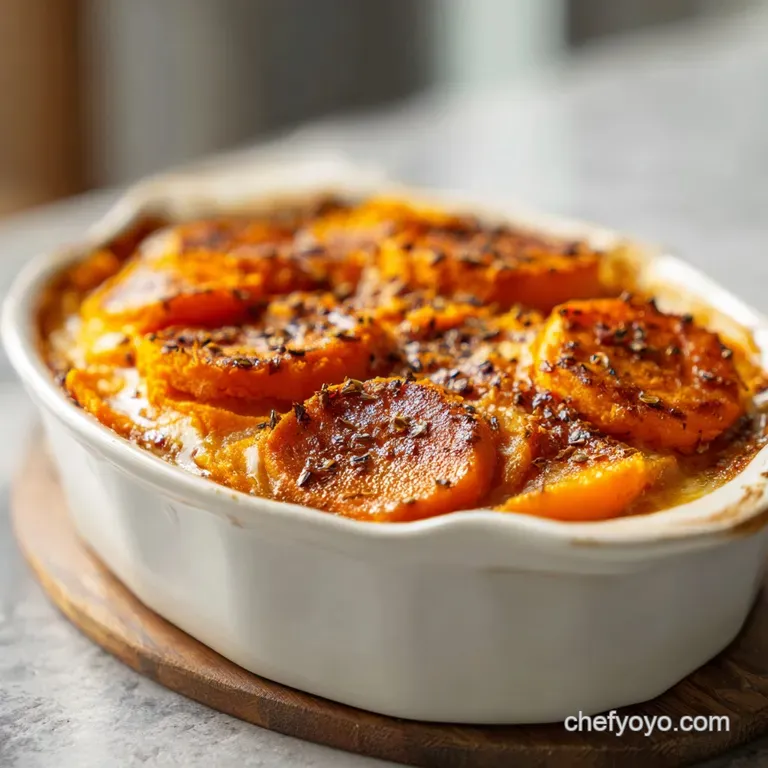
- Time: Active 10 minutes, Passive 30 minutes, Total 40 minutes
- Flavor/Texture Hook: Silky whipped yam base with a shattering pecan crumble and toasted marshmallow cloud
- Perfect for: Holiday gatherings, busy weeknight comfort, or beginner friendly entertaining
- Make the Best Sweet Potato Casserole
- Vital Stats for Your Dish
- Understanding Your Recipe Ingredients
- Selecting Your Recipe Components
- Essential Tools for Silky Texture
- Mastering the Multi Stage Cooking
- Avoiding Common Recipe Mistakes
- Creative Flavor Swaps and Twists
- Adjusting for Any Crowd Size
- Debunking Old Kitchen Tales
- Planning Ahead and Storage Tips
- Perfect Pairings for Your Table
- Recipe FAQs
- 📝 Recipe Card
Make the Best Sweet Potato Casserole
The kitchen is warm, the windows are slightly fogged from the steam of the stove, and that familiar, rustic aroma of toasted sugar and cinnamon begins to drift through the hallways. For many of us, this specific scent signals that the holidays have truly arrived.
It is the smell of family gathering around a table, the clinking of silverware, and the anticipation of a meal made with genuine care. This isn't just a side dish; it’s a wholesome tradition that bridges the gap between a savory dinner and a comforting dessert, finding its home right in the middle of the plate.
I remember one year I tried to get too fancy with it, roasting fresh tubers for hours and hand mashing them until my arm ached. While that version was fine, it lacked the specific, silky consistency that my grandmother always managed to achieve. The secret, she finally told me, was using canned yams.
Not because it was easier though that’s a massive win but because the canning process ensures a consistent sugar content and a texture that breaks down into a velvety puree much more efficiently than fresh potatoes.
This recipe focuses on those artisanal touches, like whipping the base for lightness and creating a pecan topping that actually shatters when you bite into it.
We are going to skip the heavy, dense bricks of potato you might find at a cafeteria. Instead, we are building layers of flavor and texture that work together. You'll get the crunch of the pecans, the gooey pull of the marshmallows, and a base that feels more like a cloud than a starch.
It is a reliable, comforting dish that works every single time, whether you are hosting twenty people or just looking for a little bit of home on a Tuesday night. Let's get the oven preheated and dive into how we make this classic really shine.
Vital Stats for Your Dish
Understanding the logistics of a recipe helps you plan your kitchen time more effectively, especially during the hectic holiday season. When you’re juggling a turkey, three other sides, and a dessert, knowing exactly how long your Sweet Potato Casserole needs in the oven is the difference between a relaxed dinner and a kitchen crisis.
This particular method is designed for efficiency without sacrificing that home cooked quality we all crave.
| Method | Total Time | Texture | Best For |
|---|---|---|---|
| Canned Yam Prep | 40 minutes | Silky and light | Quick prep, consistent results |
| Fresh Potato Prep | 1 hour 30 mins | Dense and fibrous | Earthier flavor, rustic feel |
| Slow Cooker | 4 hours | Soft and pudding like | Saving oven space on holidays |
Taking the time to drain the yams properly is the most important "passive" part of this recipe. If you rush the drainage, you end up with a watery base that won't hold the weight of the toppings.
I've found that a solid 5 minutes in a colander is the minimum, but if you have 10 minutes, use them. This ensures the melted butter and heavy cream can actually emulsify with the starches rather than being diluted by the canning syrup.
Understanding Your Recipe Ingredients
To understand why this Sweet Potato Casserole feels so much lighter than others, we have to look at what's happening inside the mixing bowl. We aren't just stirring ingredients; we are creating a stabilized emulsion of fats and starches.
The addition of eggs is the real secret here, acting as a binder that sets the casserole so it doesn't slump on the plate.
- Aeration: Using an electric hand mixer on the yams incorporates micro bubbles of air. This prevents the starch from feeling heavy or "gluey" on the tongue.
- Protein Coagulation: As the eggs cook at 350°F (175°C), they form a structural mesh that holds the yam puree in place, resulting in a custard like finish.
- Starch Gelatinization: The small amount of flour in the topping absorbs the moisture from the cold butter, creating a crisp, crumbly barrier that protects the soft base.
- Sugar Caramelization: The brown sugar in the topping reaches the "crack" stage during the first 25 minutes of baking, providing that essential textural contrast.
When we combine these elements, we aren't just making a mash; we are making a structured bake. If you’ve ever wondered why some casseroles turn out runny while others stay firm, it usually comes down to the egg to liquid ratio and the moisture content of the potatoes themselves.
This version hits the sweet spot every time.
| Ingredient | Science Role | Pro Secret |
|---|---|---|
| Canned Yams | Primary Starch | Drain for 5+ mins to prevent a "soupy" bottom. |
| Large Eggs | Structural Binder | Room temp eggs incorporate faster for a smoother lift. |
| Cold Butter | Fat & Texture | Cubing it cold creates the "shatter" in the pecan crust. |
The butter choice matters quite a bit here. I always opt for unsalted butter so I can control the seasoning exactly. The sea salt listed in the ingredients might seem like a small detail, but it is the bridge that connects the sweetness of the marshmallows to the earthy notes of the pecans.
Without it, the dish can feel one dimensional.
Selecting Your Recipe Components
Gathering high-quality ingredients is the foundation of any artisanal dish. For this Sweet Potato Casserole, we want to look for "Yams" in heavy or light syrup either works, as we will be draining them.
While "sweet potatoes" and "yams" are technically different botanical species, in American grocery stores, the canned version labeled "yams" is exactly what you need for this specific texture.
- 2 cans (29 oz each) canned yams: Drained thoroughly Why this? Canned yams are pre cooked to a perfect, consistent softness.
- 1/2 cup unsalted butter: Melted for the base Why this? Provides the wholesome, rich mouthfeel essential for holiday sides.
- 1/2 cup granulated sugar: For the base sweetness.
- 1/3 cup whole milk or heavy cream: Why this? Adds a velvety finish to the whipped yam puree.
- 2 large eggs: Room temperature and lightly beaten.
- 1 tsp vanilla extract: For that nostalgic, bakery style aroma.
- 1/2 tsp ground cinnamon: Adds warmth and depth.
- 1/4 tsp sea salt: Balances the sugars.
- 1/2 cup brown sugar: Packed for the topping.
- 1/3 cup all purpose flour: Binds the crumble together.
- 1 cup chopped pecans: For the essential crunch.
- 1/4 cup cold butter: Cubed Why this? Keeps the topping from melting into the base too quickly.
- 2 cups miniature marshmallows: The classic toasted finish.
If you find yourself out of pecans or want a different vibe, you can use chopped walnuts or even sliced almonds. They won't have quite the same buttery richness as pecans, but they still provide that necessary "shatter." For another perspective on potato textures, you might find my Murasaki sweet potato mash interesting, especially for its unique maple notes.
Essential Tools for Silky Texture
One of the best things about this recipe is its simplicity. You don't need a professional kitchen or a dozen specialized gadgets. However, there are a few items that will make your life significantly easier and the final result much more refined. The key is minimal tools used correctly.
Chef's Tip: If you don't have a pastry cutter for the topping, use two forks or even your fingers. The goal is to keep the butter cold, so work quickly to avoid the heat from your hands melting the fat.
A 9x13-inch ceramic baking dish is my go to for this. Ceramic holds heat more evenly than glass or metal, which helps the egg based custard set without burning the edges. If you only have glass, just keep a closer eye on the bottom of the casserole around the 20 minute mark.
An electric hand mixer (like a KitchenAid) is also a must have here; trying to get that aerated, cloud like texture with a manual masher is a workout that rarely yields the same silken results.
Mastering the Multi Stage Cooking
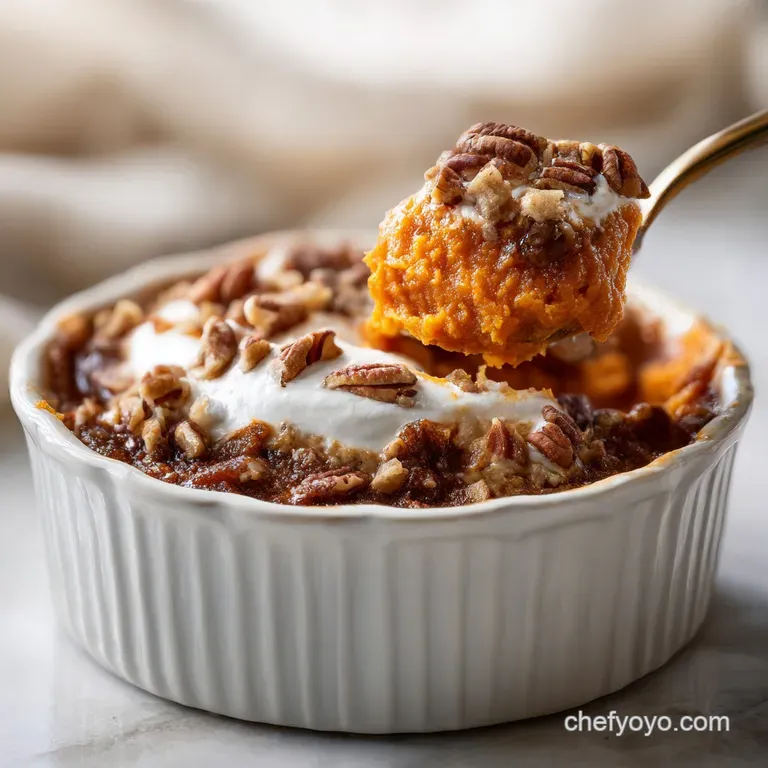
Preparing a Sweet Potato Casserole with canned yams is a process of building layers. We start with a smooth, whipped foundation, add a crunchy "mid layer," and finish with a soft, toasted cloud. Following these steps ensures each layer cooks at the right speed.
- Prep the environment. Preheat your oven to 350°F (175°C). Use this time to drain the canned yams in a colander for at least 5 minutes. Note: Removing the syrup is non negotiable for a firm set.
- Aerate the yams. In a large mixing bowl, combine the drained yams and melted butter. Use an electric hand mixer on medium speed to whip the mixture until smooth and aerated.
- Create the custard. Incorporate the granulated sugar, milk, beaten eggs, vanilla, cinnamon, and sea salt. Mix until the base is silken and homogenous.
- Transfer to the dish. Pour the yam mixture into your 9x13-inch ceramic dish and spread it evenly with a spatula.
- Build the crumble. In a small bowl, combine brown sugar, flour, and chopped pecans. Use a pastry cutter to cut in the cold cubed butter until it looks like coarse crumbs.
- Apply the topping. Sprinkle the pecan mixture evenly over the potato base. This layer acts as a heat shield for the custard below.
- First bake stage. Bake for 25 minutes. You will see the edges start to bubble and the pecans look toasted.
- The marshmallow finish. Remove from the oven and top with miniature marshmallows. Return to the oven for 5 minutes until the marshmallows are golden brown and puffy.
Be careful during that final 5 minutes. Marshmallows go from perfectly golden to burned in about thirty seconds. I like to sit right by the oven door for this part. The aroma of toasted sugar is your best indicator that the dish is done.
Once it comes out, let it sit for about 5 minutes before serving; this allows the internal structure to firm up so you get clean scoops.
Avoiding Common Recipe Mistakes
Even with a straightforward recipe like a Sweet Potato Casserole, things can occasionally go sideways. Most issues stem from moisture management or temperature control. If your casserole looks more like a soup than a side dish, don't panic there is usually a simple reason and a quick fix.
The "Soggy Bottom" Fix
If your casserole is watery at the bottom, it's almost always due to the yams not being drained long enough or the eggs not being fully incorporated. The syrup in the cans is very thin and will sink to the bottom during baking if it isn't removed.
Next time, give the colander a few good shakes and let it sit longer than you think you need to.
Balancing the Sugar
Sometimes, canned yams can be extra sweet depending on the brand. If you're worried about it being too sugary, you can reduce the granulated sugar in the base to 1/4 cup. However, don't reduce the sugar in the topping, as that is what creates the "shatter" texture we are looking for.
| Problem | Root Cause | Solution |
|---|---|---|
| Runny Base | Excess syrup or undercooked eggs | Drain yams longer; ensure oven is at true 350°F. |
| Burned Pecans | Oven rack is too high | Bake on the middle rack; tent with foil if needed. |
| Lumpy Mash | Cold butter or manual mashing | Use melted butter in base and an electric mixer. |
Common Mistakes Checklist:
- ✓ Drained yams for at least 5 minutes (prevents steaming).
- ✓ Used room temperature eggs (prevents curdling when hitting the butter).
- ✓ Kept topping butter cold (creates a flaky, not greasy, crust).
- ✓ Monitored marshmallows for the final 5 minutes (prevents burning).
Creative Flavor Swaps and Twists
While the classic version is hard to beat, I often get asked how to change things up for different palates. You can easily pivot this Sweet Potato Casserole to be more "grown up" or more decadent with just a few small adjustments.
- The Citrus Brightener: Add 1 teaspoon of fresh orange zest and a tablespoon of orange juice to the yam base. The acidity cuts through the heavy fat of the butter and sugar, making the whole dish feel lighter.
- The Bourbon Pecan Upgrade: Toss your chopped pecans in a tablespoon of bourbon and a pinch of cayenne pepper before mixing them with the flour and brown sugar. It adds a smoky, sophisticated depth that pairs beautifully with a holiday ham.
- The Spice Swap: Replace the cinnamon with a pumpkin pie spice blend or a mix of nutmeg and cloves for a more "spice forward" aromatic profile.
If you are looking for a completely different vibe for your holiday spread, this proper homemade green bean casserole is a fantastic savory counterpart. It uses the same philosophy of "shattering" textures but focuses on umami and creaminess rather than sweetness.
Adjusting for Any Crowd Size
When you're the one in charge of the big holiday meal, you quickly realize that recipes rarely come in the exact size you need. Scaling a Sweet Potato Casserole is relatively simple, but you have to be mindful of the pan surface area.
- To Double the Recipe (24 servings): Use two 9x13 pans rather than one giant deep one. If the casserole is too deep, the center won't set before the edges burn. You may need to increase the bake time by about 5-10 minutes if both pans are in the oven at once.
- To Halve the Recipe (6 servings): Use an 8x8-inch square pan. The cooking time will remain mostly the same (maybe 5 minutes less), as the thickness of the layer should be consistent with the larger version.
- The Egg Rule: If you are making a quarter batch and the math calls for half an egg, beat one egg in a small cup and use half the liquid. Don't skip the egg it's the only thing keeping the casserole from being a puddle.
Scaling up the spices is where most people go wrong. If you double the recipe, only use 1.5 times the cinnamon and salt. Spices can become overwhelming when scaled linearly, and you want the wholesome flavor of the yams to stay front and center.
Debunking Old Kitchen Tales
There are a lot of "rules" passed down about casseroles that simply don't hold up under scrutiny. Let's clear up a few misconceptions so you can cook with confidence.
- "Fresh is always better than canned": In the case of this specific Sweet Potato Casserole, canned yams actually provide a superior, consistent texture. Fresh potatoes vary wildly in moisture and sugar content, making it harder to get that perfect "custard" set every time.
- "You must use a blender for smooth potatoes": A blender actually works too well. It can break down the starches so much that they become gummy. An electric hand mixer provides the perfect balance of smoothness and aeration.
- "Marshmallows make it too sweet": Not if you balance them with salt and pecans. The marshmallows aren't just for sugar; they provide a soft, airy texture that contrasts with the crunch of the pecans.
Planning Ahead and Storage Tips
The best part about this recipe? It is incredibly fridge friendly. You can do almost all the work ahead of time, which is a lifesaver when the oven is in high demand.
- Fridge
- Store leftover casserole in an airtight container for up to 4 days. It actually tastes better the second day as the spices have more time to meld.
- Freezer
- You can freeze the baked casserole (minus the marshmallows) for up to 3 months. Thaw it in the fridge overnight before reheating and adding the fresh marshmallow layer.
- Zero Waste Tip
- If you have leftover yam base that didn't fit in your dish, don't toss it! Mix it into pancake batter or use it as a filling for a quick turnover. The skins and syrup from the cans are best composted, but the leftover pecan crumble makes an excellent topping for morning oatmeal or yogurt.
To reheat, I recommend using the oven at 300°F (150°C) covered with foil. This prevents the marshmallows from burning further while ensuring the middle is hot. Microwaving works in a pinch, but you’ll lose that beautiful "shatter" in the pecan crust. Trust me, the extra 10 minutes in the oven is worth it for that wholesome, artisanal texture. For a different take on sweet potato leftovers, check out my roasted sweet potato pie recipe for a way to use similar flavors in a completely different format.
Perfect Pairings for Your Table
This Sweet Potato Casserole is a dominant player on the plate, so you want to pair it with items that offer a bit of contrast. Since the casserole is sweet, creamy, and crunchy, look for "bright" or "salty" partners.
- The Thanksgiving Power Couple: Roasted turkey with a high acid cranberry sauce. The tartness of the berries cuts through the richness of the yam base perfectly.
- The Southern Comfort Spread: Serve this alongside a salty, glazed ham and some vinegary collard greens. The vinegar in the greens acts as a palate cleanser between bites of the sweet casserole.
- The Texture Balance: Pair it with a crisp green salad topped with a light lemon vinaigrette. This prevents the meal from feeling too heavy or "mushy."
No matter how you serve it, this dish remains a crowd pleaser because it hits every sensory note: the warmth of the cinnamon, the silky feel of the whipped yams, and the satisfying crunch of the pecans.
It’s a rustic, honest piece of cooking that proves you don’t need complicated techniques to create something truly memorable. Just good ingredients, a little bit of air, and a hot oven. Happy cooking!
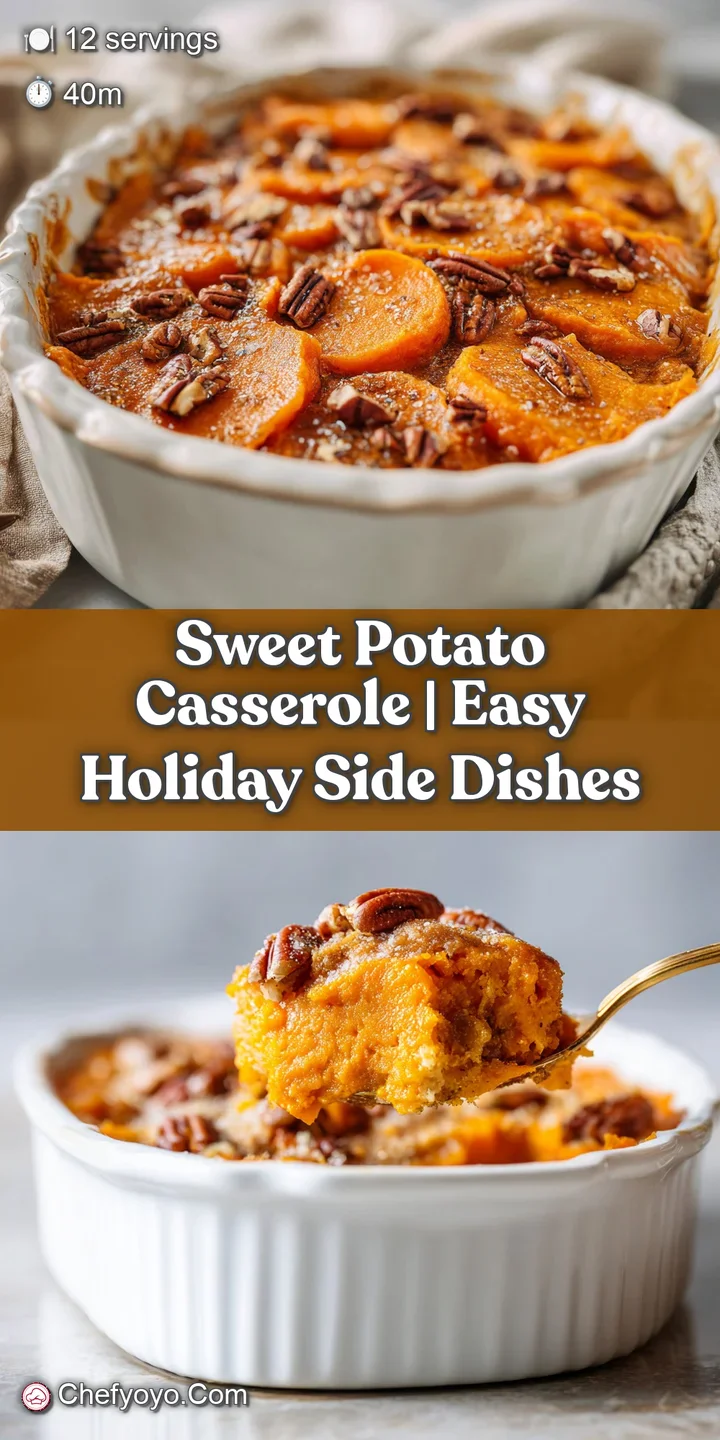
Recipe FAQs
Can I use canned yams instead of sweet potatoes?
Yes, they are the preferred choice for this recipe. Canned yams provide a consistent sugar content and break down into a velvety puree much more efficiently than fresh tubers.
How to cook a sweet potato for diabetics?
Steam or boil the potato to maintain a lower glycemic index compared to roasting. Avoiding excessive added sugars is key, similar to how we focus on savory depth in our poblano corn chowder.
Should I rinse canned yams?
No, do not rinse them. Simply drain the yams in a colander for at least 5 minutes to remove excess syrup before whipping them with the melted butter.
Are yams good for sweet potato casserole?
Yes, they are excellent. In the United States, canned "yams" are typically a variety of sweet potato, making them the standard ingredient for achieving the recipe's signature silky base.
Is it true I must roast fresh potatoes to get a good texture?
No, this is a common misconception. You achieve the ideal light, airy texture by using an electric hand mixer on medium speed to whip the yams after adding the butter.
How to ensure the topping stays crunchy?
Cut in the cold, cubed butter using a pastry cutter or fork until the mixture resembles coarse crumbs. This ensures the fat remains distinct, preventing the topping from turning into a soggy paste during the 25-minute bake.
How to tell when the casserole is finished?
Look for the marshmallow layer to turn golden brown. After the initial 25 minutes of baking, add the marshmallows and return the dish to the oven for a final 5 minutes until perfectly toasted.
Easy Sweet Potato Casserole 2
Ingredients:
Instructions:
Nutrition Facts:
| Calories | 376 calories |
|---|---|
| Protein | 3g |
| Fat | 21g |
| Carbs | 46g |
| Fiber | 4g |
| Sugar | 32g |
| Sodium | 155mg |
