Greek Chicken Bowls: Charred & Tangy
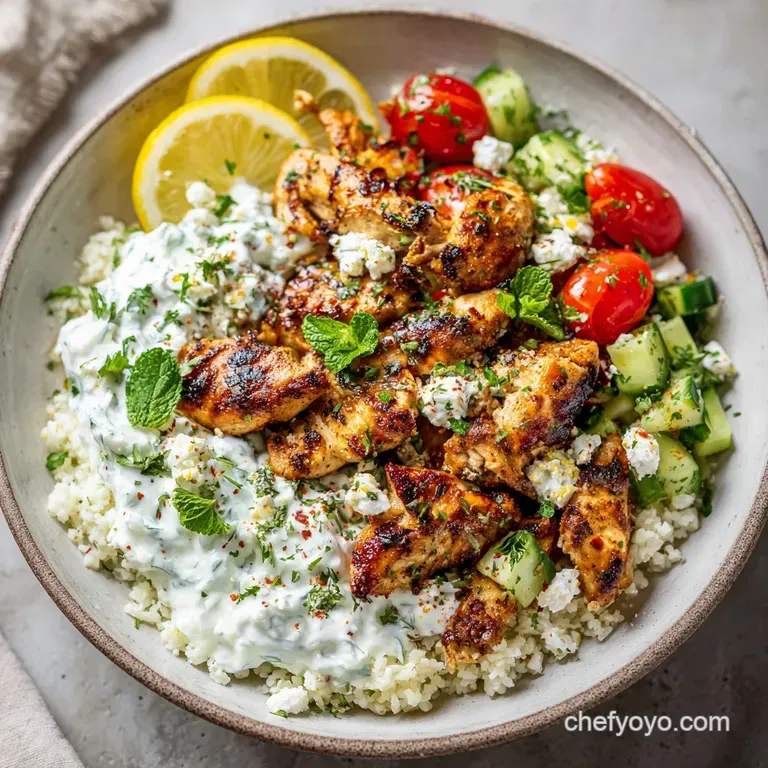
- Time: Active 20 minutes, Passive 15 minutes, Total 35 minutes
- Flavor/Texture Hook: Tangy, charred chicken paired with velvety, garlic spiked tzatziki
- Perfect for: High protein meal prep or a colorful weekend family lunch
- Vibrant Mediterranean Flavors in these Greek Chicken Bowls
- The Secret to Achieving Artisanal Mediterranean Textures
- Component Analysis for These Greek Chicken Bowls
- Selecting Quality Ingredients for a Rustic Flavor
- Essential Tools for Searing and Prepping Bowls
- Step-by-Step Guide to Crafting the Ultimate Meal
- Solving Common Texture and Flavor Balance Issues
- Artisanal Variations and Smart Ingredient Substitution Ideas
- Proper Storage and Reheating for Fresh Flavors
- Debunking Mediterranean Cooking Myths
- Proper Storage and Reheating for Fresh Flavors
- Traditional Sides and Pairings for a Feast
- High in Sodium
- Recipe FAQs
- 📝 Recipe Card
Vibrant Mediterranean Flavors in these Greek Chicken Bowls
Picture this: it is a bright Saturday afternoon, the sun is streaming through the kitchen window, and the air is thick with the scent of dried oregano and sharp lemon hitting a hot cast iron skillet.
There is a specific, rhythmic sizzle that happens when marinated chicken touches the pan, a sound that promises a succulent interior and a beautifully browned crust. This is the meal I turn to when I want something that feels artisanal and thoughtful but doesn't require me to hover over the stove for hours.
We have all been there, trying to assemble a "healthy" bowl that ends up tasting like cardboard and sadness. I once made the mistake of using bottled lemon juice and low-fat yogurt, and let me tell you, the result was thin, metallic, and utterly forgettable. This version is the opposite.
It is about the contrast between the warmth of the basmati rice and the icy, refreshing crunch of Persian cucumbers. It is about that chalky, salty punch of feta that cuts through the richness of the olive oil.
Building these Greek Chicken Bowls is less about following a rigid formula and more about celebrating the colors of the Mediterranean. We are going for a rustic presentation here, something that looks like it belongs on a long wooden table in a garden.
We'll use specific techniques, like squeezing the life out of our cucumbers to keep the sauce thick, to ensure the final dish is vibrant rather than watery.
The Secret to Achieving Artisanal Mediterranean Textures
The Acid Protein Interaction: The combination of lemon juice and red wine vinegar breaks down the tough muscle fibers in the chicken breasts, allowing the olive oil to carry the oregano and garlic deep into the meat.
Starch Retrogradation Prevention: Cooking the basmati rice with a touch of lemon zest and parsley ensures the grains stay distinct and fluffy, providing a porous base that absorbs the chicken juices without becoming mushy.
The Physics of the Emulsion: By grating the garlic into a paste for the tzatziki, we release allicin more evenly, which creates a stable, spicy bond with the full fat yogurt fats for a velvety mouthfeel.
| Thickness of Chicken | Internal Temp | Rest Time | Visual Cue |
|---|---|---|---|
| 1 inch (2.5 cm) cubes | 165°F (74°C) | 3 minutes | Golden brown crust with clear juices |
| 1.5 inch (4 cm) cubes | 165°F (74°C) | 5 minutes | Firm to the touch but slightly springy |
| Half inch strips | 165°F (74°C) | 2 minutes | Opaque throughout with charred edges |
Selecting the right cut of meat is vital for the structure of your bowl. While I love the lean profile of chicken breasts, they are unforgiving if left in the pan a minute too long. If you're nervous about dryness, you might find the technique in The Greek Lemon recipe helpful for keeping things juicy.
Component Analysis for These Greek Chicken Bowls
| Ingredient | Science Role | Pro Secret |
|---|---|---|
| Full fat Greek Yogurt | Provides a rich, acidic base for the sauce | Use a brand that is strained twice for ultimate thickness |
| English Cucumber | Adds hydration and cooling contrast | Squeeze through a clean kitchen towel to prevent a watery sauce |
| Red Wine Vinegar | Adds a sharp, fermented tang to the marinade | Always whisk this with the oil first to create a temporary emulsion |
| Dried Oregano | Provides earthy, aromatic depth | Rub the herbs between your palms to release the essential oils |
The magic happens in the details of the assembly. When you place that first scoop of warm, lemon scented rice into the bowl, you are creating a foundation. The chicken, still radiating heat, should be nestled right next to it so the juices can migrate into the grains.
This isn't just a meal; it's an exercise in flavor mapping.
Selecting Quality Ingredients for a Rustic Flavor
For this recipe, we are using specific quantities to ensure the balance of fat, acid, and salt is exactly where it needs to be.
- 1.5 lbs chicken breasts: Cut these into uniform 1 inch pieces. Substitute: Chicken thighs for a silkier, fattier texture.Why this? Lean protein that carries the bright citrus marinade effectively.
- 3 tbsp extra virgin olive oil: Use a high-quality oil with a peppery finish. Substitute: Avocado oil for a higher smoke point.
- 2 tbsp lemon juice + 1 tsp zest: Freshly squeezed is non negotiable here. Substitute: Lime juice for a sharper, more tropical citrus profile.
- 1 tbsp red wine vinegar: This adds a layer of complexity lemon alone can't achieve. Substitute: Apple cider vinegar for a milder, fruitier acidity.
- 3 cloves garlic, minced: Freshly minced for that pungent kick. Substitute: 1 tsp garlic powder if you are in a massive rush.
- 1 tbsp dried oregano: The backbone of Greek seasoning. Substitute: Fresh oregano, but use triple the amount.
- 2 cups white basmati rice: Cooked until fluffy and separated. Substitute: Quinoa for a nuttier, high fiber base.
- 1 cup full fat Greek yogurt: The fat carries the flavor of the dill and garlic. Substitute: Sour cream if you prefer a heavier, more Americanized sauce.
- 0.5 large English cucumber (for sauce): Grated and drained. Substitute: Regular cucumber, but peel the thick, waxy skin first.
- 1 cup cherry tomatoes: Halved to release their sweet juice. Substitute: Grape tomatoes or diced Roma tomatoes.
- 0.5 cup feta cheese: Crumbled for salty pops of flavor. Substitute: Goat cheese for a creamier, more earthy finish.
Just like when I'm putting together The Homemade Chicken recipe, the quality of the greens and vegetables determines the "fresh" factor. Don't be afraid to use a heavy hand with the fresh parsley and dill at the end; those green notes are what make the dish sing.
Essential Tools for Searing and Prepping Bowls
To get that restaurant quality char, a heavy bottomed pan is your best friend. I swear by a well seasoned cast iron skillet (like a Lodge) because it retains heat like nothing else. You will also need a box grater for the cucumber and a microplane for that garlic paste.
When you're prepping the rice, a fine mesh sieve is essential for rinsing away the excess starch. If you skip the rinse, you'll end up with a sticky clump rather than the elegant, separate grains we're after. A sturdy whisk will help you bring the tzatziki together into a velvety consistency that clings to the chicken.
step-by-step Guide to Crafting the Ultimate Meal
Phase 1: The Flavor Infusion
- Whisk the marinade. Combine 3 tbsp olive oil, 2 tbsp lemon juice, 1 tbsp red wine vinegar, 3 cloves minced garlic, 1 tbsp oregano, 1 tsp salt, and 0.5 tsp pepper. Note: Whisking ensures the salt dissolves before hitting the meat.
- Coat the chicken. Toss the 1.5 lbs chicken pieces in the marinade until every surface is glistening and covered.
- Marinate the meat. Let the chicken sit for at least 20 minutes at room temperature. Note: This prevents the meat from "shocking" when it hits the hot pan.
Phase 2: The Tzatziki Prep
- Prepare the cucumber. Grate 0.5 English cucumber and squeeze it in a towel until it feels dry and crumbly.
- Mix the sauce. Stir the cucumber into 1 cup Greek yogurt with 1 tbsp dill, 1 clove grated garlic, and 1 tbsp lemon juice.
- Chill the sauce. Place the tzatziki in the fridge until the flavors meld and the sauce is cold.
Phase 3: Achieving the Perfect Char
- Sear the chicken. Heat a large skillet over medium high heat and add the chicken in a single layer until a deep golden crust forms, about 4 minutes per side.
- Check for doneness. Ensure the chicken reaches 165°F (74°C). Note: Overcooking even by 5 degrees will result in a rubbery texture.
Phase 4: Constructing the Bowls
- Season the base. Toss 2 cups cooked rice with 1 tsp lemon zest and 1 tbsp chopped parsley until the rice looks speckled and bright.
- Assemble the bowls. Divide the rice, then top with chicken, tomatoes, sliced cucumbers, red onion, feta, and Kalamata olives.
Solving Common Texture and Flavor Balance Issues
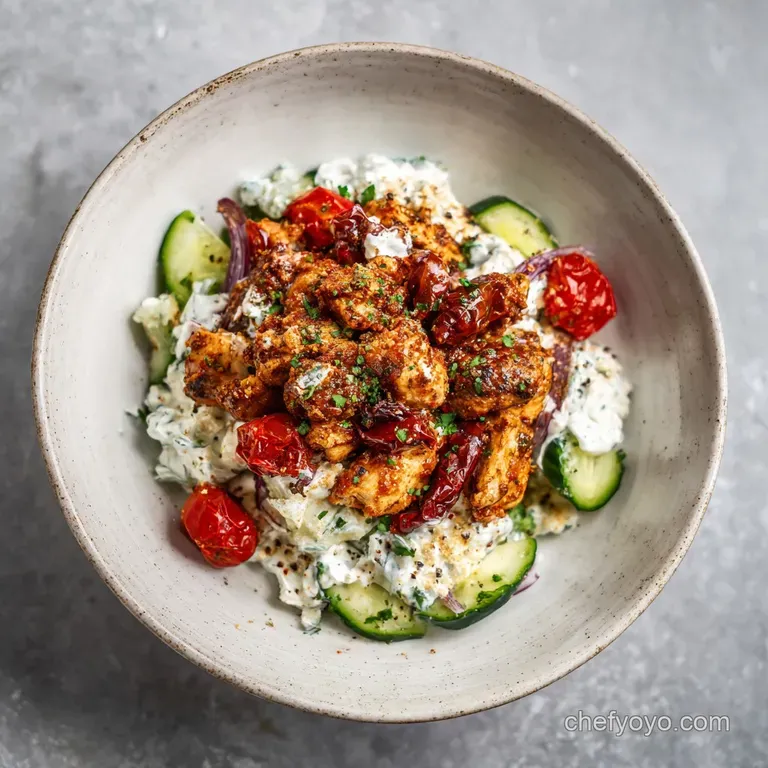
Why Your Chicken Lacks Color
If your chicken looks grey and sad rather than mahogany and charred, you likely overcrowded the pan. When too many pieces are squeezed together, they release moisture that can't evaporate, effectively steaming the meat instead of searing it.
Why Your Tzatziki Is Runny
This is almost always due to the cucumber. Even English cucumbers hold a surprising amount of water. If you don't squeeze them until they are practically a dry pulp, that water will leak out into the yogurt over time, turning your velvety sauce into a thin soup.
| Problem | Root Cause | Solution |
|---|---|---|
| Dry Chicken | High heat for too long | Pull the meat at 160°F (71°C) and let carryover heat do the rest |
| Bland Rice | Lack of seasoning during cooking | Salt the water generously and add the zest while the rice is steaming |
| Bitter Sauce | Raw garlic chunks | Grate the garlic into a paste so it emulsifies into the yogurt fats |
Common Mistakes Checklist
- ✓ Pat the chicken dry with paper towels if it looks overly wet before searing.
- ✓ Never skip the 20 minute marinating window; the acid needs time to work.
- ✓ Use full fat yogurt; the non fat versions lack the body to stand up to the lemon.
- ✓ Slice the red onions paper thin to avoid overwhelming the other flavors.
- ✓ Let the chicken rest for 3 minutes before bowl assembly to keep it succulent.
Artisanal Variations and Smart Ingredient Substitution Ideas
If you find yourself missing an ingredient or wanting to change the profile, this dish is incredibly forgiving. The key is to maintain the balance of something warm, something cold, and something acidic.
If you want a low carb alternative, swap the rice for a bed of massaged kale or cauliflower rice. If you are short on time, you can use a high-quality store-bought tzatziki, but make sure to "doctor it up" with fresh dill and a squeeze of lemon to bring back that artisanal feel.
For a crowd, you can actually roast the chicken in the oven, which we'll compare in a moment.
- For a Low Carb Alternative: Use 3 cups of cauliflower rice sautéed with garlic.
- To Save 30 Minutes on Weeknights: Use a rotisserie chicken tossed in the marinade spices and warmed briefly.
- For Extra Crunch: Add 1/4 cup of toasted pine nuts or slivered almonds at the very end.
Proper Storage and Reheating for Fresh Flavors
When it comes to the stovetop vs. oven debate, the stovetop wins for flavor while the oven wins for convenience. In a skillet, you get that Maillard reaction the browning of sugars and proteins that creates those deep, rustic notes.
| Method | Time | Texture | Best For |
|---|---|---|---|
| Stovetop Skillet | 10-15 mins | Crispy, charred edges | Maximum flavor and crust |
| Oven Roast (400°F/200°C) | 18-22 mins | Evenly tender, less char | Large batches and meal prep |
Debunking Mediterranean Cooking Myths
One common myth is that marinating chicken for 24 hours makes it better. In reality, the high acid content in this marinade (lemon and vinegar) will eventually start to "cook" the meat, turning the exterior mushy if left too long. Aim for 2 to 4 hours for the best structural integrity.
Another misconception is that you need a lot of oil to sear the chicken. If your pan is properly preheated, the oil in the marinade itself is often enough to prevent sticking and provide a beautiful crust. Adding too much extra oil to the pan just leads to splashing and greasy chicken.
Proper Storage and Reheating for Fresh Flavors
Storage Guidelines: Store the components separately for the best experience. The chicken and rice will stay fresh in the fridge for up to 4 days. The tzatziki is best within 3 days, as the cucumber will eventually release more moisture.
I don't recommend freezing the assembled bowls, as the fresh vegetables will turn to mush upon thawing. However, you can freeze the marinated, uncooked chicken for up to 2 months.
Zero Waste Tips: Don't toss those parsley and dill stems! Finely chop them and add them to your rice water for extra aromatics. If you have leftover feta brine, use it to marinate your next batch of chicken it’s a salt and acid powerhouse.
Any leftover red onion can be quickly pickled in the remaining red wine vinegar and a pinch of sugar for a bright topping on tomorrow's lunch.
Traditional Sides and Pairings for a Feast
To truly round out this meal, I love serving it with warm, charred pita bread that has been brushed with olive oil and a sprinkle of sea salt. The bread acts as a vehicle for the extra tzatziki and the stray bits of feta that fall to the bottom of the bowl.
- 1. Deep Crimson
- The halved cherry tomatoes provide a sweet, juicy pop.
- 2. Verdant Green
- A final flourish of fresh dill and parsley.
- 3. Chalky White
- Large, rustic crumbles of feta that haven't been stirred in yet.
If you are looking for more Mediterranean inspiration, I highly recommend checking out The Greek Lemon recipe for a different take on the marinade. This dish is all about the harmony of simple ingredients treated with respect. Enjoy the crunch, the zing, and the warmth!
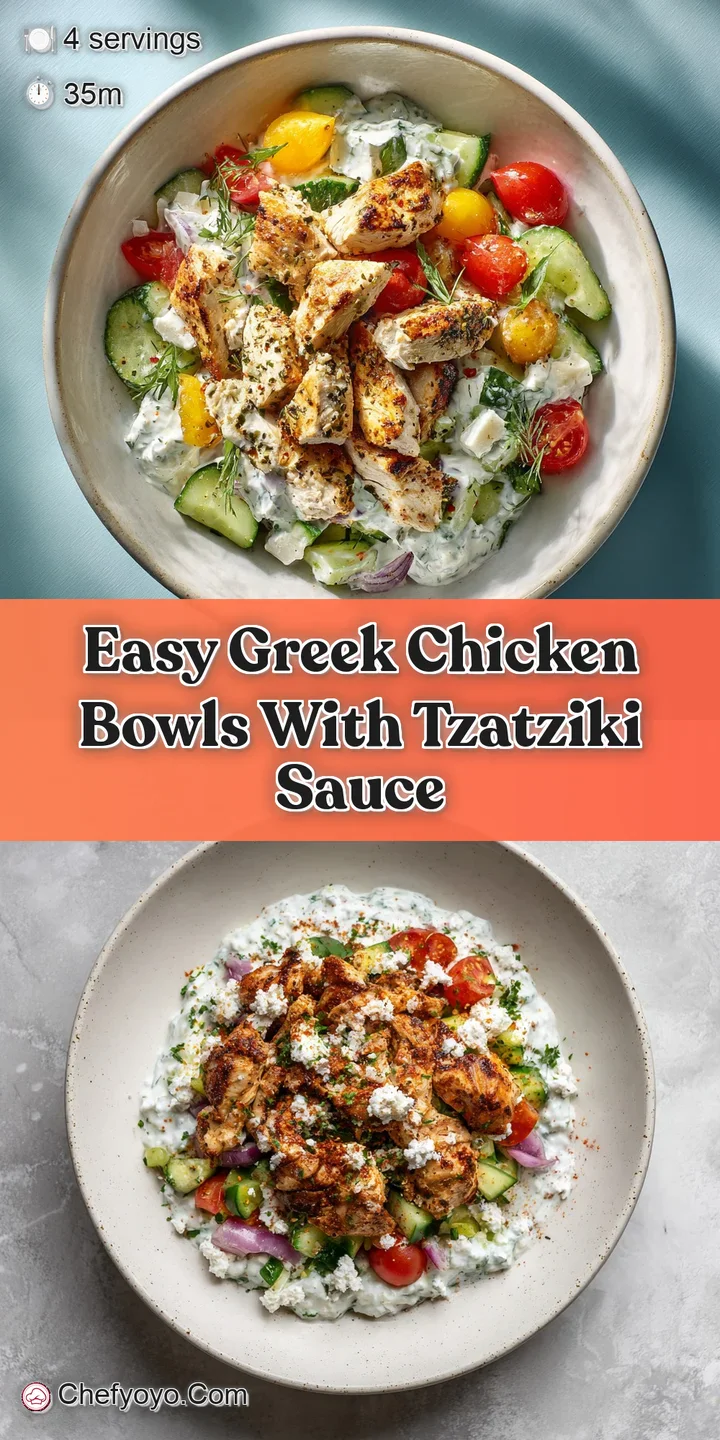
High in Sodium
985 mg mg of sodium per serving (43% % of daily value)
The American Heart Association recommends limiting sodium intake to about 2,300mg per day for overall cardiovascular health.
Easy Tips to Reduce Sodium in Your Chicken and Rice Bowl
-
Reduce or Omit Feta Cheese-20%
Feta cheese is a significant source of sodium. Reduce the amount used or omit it entirely to significantly lower the overall sodium content. Consider using a lower sodium cheese or nutritional yeast as an alternative.
-
Reduce Added Salt-25%
The recipe calls for 1 teaspoon of kosher salt. Reduce this amount by half or eliminate it altogether. Taste the dish after cooking and add salt only if needed. Remember that other ingredients also contribute sodium.
-
Limit Kalamata Olives-15%
Kalamata olives are cured in brine, making them high in sodium. Reduce the quantity or use a smaller number of olives. You can also rinse them before adding to help remove some of the excess salt.
-
Boost Flavor with Herbs and Spices
Instead of relying on salt for flavor, experiment with a wider variety of fresh and dried herbs and spices. Increase the oregano, parsley, and dill in this recipe to enhance the taste without adding sodium. Consider adding paprika or onion powder.
-
Enhance Lemon Flavor-10%
Increase the amount of lemon juice and zest used in the chicken and the sauce. The acidity will help to brighten the dish and reduce the need for salt. Adding a little bit of sugar or honey can also boost the flavors of the dish.
-
Make Greek Yogurt Sauce from Scratch-10%
When buying yogurt, check the sodium content on the nutrition label. You can also easily make it from scratch using a starter culture and milk, ensuring no added sodium.
Recipe FAQs
What goes in Greek chicken bowls?
Marinated, seasoned chicken, rice, fresh vegetables, and tzatziki sauce. The core components are protein (lemon/oregano marinated chicken), a warm starch base (like basmati rice), crisp items (cucumber, tomato, onion), and a cooling yogurt sauce.
What sauce is best on a Greek bowl?
Tzatziki sauce is the definitive pairing. This sauce, made from full fat Greek yogurt, grated cucumber, garlic, and fresh dill, provides the necessary creamy, cooling contrast to the warm, charred chicken.
Are Greek bowls healthy?
Yes, they are generally very healthy, provided you manage the fat content. They are high in lean protein and fresh vegetables, making them nutrient dense; just ensure you use less oil in the marinade and choose full fat yogurt for better satiety.
What are the ingredients in a Mediterranean chicken bowl?
Key ingredients include lemon oregano chicken, rice, feta, olives, and fresh herbs. This style emphasizes robust flavors derived from quality olive oil and vinegars; if you mastered the flavor balance here, you'll appreciate the sweet tart contrast in our Restaurant Style Fajitas recipe.
How to get the chicken charred but still juicy?
Sear the chicken quickly in a very hot, heavy skillet over medium high heat. The high initial heat creates a crust quickly, locking in the juices; pull the meat when it hits 160°F internally, allowing carryover cooking to finish the process.
How long should I marinate the chicken?
Marinate the chicken for at least 20 minutes, but no more than 4 hours. The acid from the lemon and vinegar breaks down muscle fibers, but leaving it longer than 4 hours can actually degrade the texture, making the meat spongy.
Can I skip squeezing the cucumber for the tzatziki?
No, do not skip squeezing the cucumber, or your sauce will be thin. Grate the cucumber and squeeze it vigorously in a clean kitchen towel until almost dry; excess moisture dilutes the yogurt, ruining the rich mouthfeel.
Greek Chicken Bowls Recipe
Ingredients:
Instructions:
Nutrition Facts:
| Calories | 552 calories |
|---|---|
| Protein | 51 g |
| Fat | 23.5 g |
| Carbs | 33 g |
| Fiber | 3.2 g |
| Sugar | 5.8 g |
| Sodium | 985 mg |
