January Roasted Chicken: Flavor Fusion
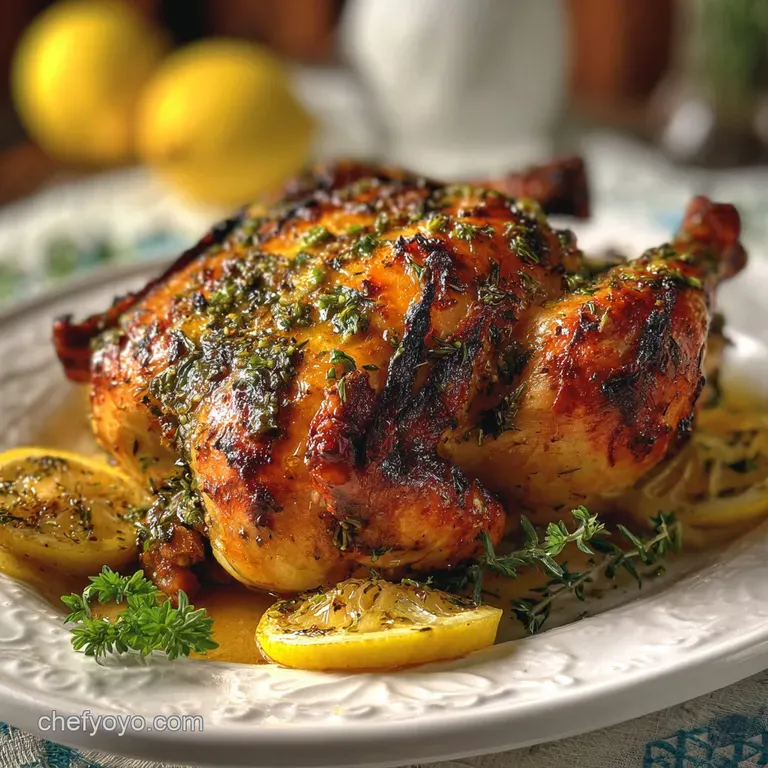
- Time: Active 20 minutes, Passive 1 hours 15 mins, Total 1 hours 35 mins
- Flavor/Texture Hook: Shatter crisp skin meets a velvety, garlic infused interior
- Perfect for: Cozy January Sunday dinners or meal prepping for a busy week
- Savor This Standout Recipe We Cant Wait To Make January with Roasted Chicken
- Understanding the Flavor Science Behind a January Roast
- Component Analysis for the Best Golden Bird
- Necessary Tools for the Best Roasting Results
- Mastering the Technique for Perfect Golden Skin
- Avoiding the Common Mistakes of Home Roasting
- Creative Ways to Swap Ingredients and Flavors
- Debunking Roast Chicken Myths
- Managing Your Leftovers and Future Meal Prep
- Side Dishes That Make Your Roast Shine
- High in Sodium
- Recipe FAQs
- 📝 Recipe Card
Savor This Standout Recipe We Cant Wait To Make January with Roasted Chicken
You know that sound? The one where you pull a roasting pan out of the oven and the skin is still bubbling and whispering to you? That crackle is the soundtrack of my kitchen every Sunday in January.
There's something about the way the house smells when garlic and rosemary hit the heat - it’s like a warm hug for your senses while the frost sits thick on the windows outside.
This January, savor our standout roasted chicken recipe we can't wait to make. I used to be terrified of roasting a whole bird, thinking I’d end up with a dry mess or, worse, something undercooked in the middle.
But after a few trials and some very honest feedback from my family, I realized it’s all about the prep. We’re going to layer flavors so they penetrate deep into the meat, not just sit on top.
Trust me, this isn't just another boring roast. We’re talking about a bird that’s been pampered with softened butter, brightened with lemon, and rested on a bed of aromatics that turn into the most incredible natural jus.
It's the kind of meal that makes you feel like a pro chef, even if you’re still in your pajamas.
Understanding the Flavor Science Behind a January Roast
To get that restaurant quality finish at home, we have to look at how heat and fat interact with the protein. It’s not just about turning the oven on, it’s about managing moisture and surface tension. When you understand these few rules, you’ll never have a "meh" chicken again.
- Maillard Reaction: High initial heat triggers a chemical reaction between amino acids and reducing sugars, giving us that deep amber color and savory aroma.
- Aromatic Steam Chamber: Placing the lemon and garlic inside the cavity creates a pressurized steam environment that flavors the meat from the inside out.
- Fat Rendering: The combination of olive oil and unsalted butter ensures the skin fries in its own fat, resulting in a texture that shatters when sliced.
- Carryover Cooking: Heat continues to travel toward the bone even after the bird is out of the oven, which is why resting is non negotiable for juicy results.
| Thickness | Internal Temp | Rest Time | Visual Cue |
|---|---|---|---|
| 1.5 inches (Breast) | 165°F | 15 minutes | Juices run clear, not pink |
| 2.5 inches (Thigh) | 175°F | 15 minutes | Joint moves freely when wiggled |
| Bone in Drumstick | 175°F | 15 minutes | Meat starts to pull away from bone |
Before you even touch the oven dial, you need to make sure your bird is ready for the heat. Cold meat is the enemy of an even cook. I always take the chicken out of the fridge at least 30 minutes before I plan to season it.
This allows the fibers to relax, which means less moisture loss when the temperature spikes.
Component Analysis for the Best Golden Bird
Using the right elements in the right order is what separates a good roast from one you'll want to make every week. Every ingredient in this list serves a specific purpose for texture or depth.
| Ingredient | Science Role | Pro Secret |
|---|---|---|
| Kosher Salt | Moisture Retention | Apply 24 hours early for a "dry brine" effect if time permits |
| Dry White Wine | Solvent & Steam | Use a crisp Sauvignon Blanc to deglaze the brown bits for sauce |
| Unsalted Butter | Browning Agent | Soften it completely so it bonds with the skin like a second layer |
| Fresh Rosemary | Volatile Oil Release | Bruise the leaves before adding to wake up the aromatic oils |
What You'll Need
- 1.9 kg (4.2 lbs) whole roasting chicken: This is the sweet spot for a bird that stays juicy while the skin crisps up.
- 30g unsalted butter, softened: Why this? Provides the fat needed for the Maillard reaction without burning too quickly. (Substitute: Ghee for a higher smoke point)
- 15 ml extra virgin olive oil: Helps the salt and pepper stick and adds a fruity undertone. (Substitute: Avocado oil)
- 10g kosher salt: Essential for breaking down protein structures. (Substitute: Sea salt)
- 5g cracked black pepper: Provides a subtle heat and textural crust. (Substitute: White pepper for less visual impact)
- 1 large lemon, halved: Acts as a natural tenderizer and brightens the heavy fats. (Substitute: Small orange)
- 1 head garlic, sliced crosswise: Releases a mellow, sweet flavor as it roasts in the pan juices. (Substitute: 2 shallots, halved)
- 5 sprigs fresh rosemary and thyme: The classic January comfort food roasted chicken profile. (Substitute: Dried herbs, but use only 1/3 of the amount)
- 2 large carrots, chopped into thick rounds: These act as a natural roasting rack for the bird. (Substitute: Parsnips)
- 1 yellow onion, quartered: Provides sweetness and bulk to the pan sauce. (Substitute: Red onion)
- 120 ml dry white wine: The liquid gold that prevents the vegetables from burning. (Substitute: Chicken stock with a splash of apple cider vinegar)
Necessary Tools for the Best Roasting Results
You don't need a high tech kitchen, but a few specific pieces of gear make this much easier. A heavy bottomed roasting pan or a large cast iron skillet is your best friend here. The goal is even heat distribution so the carrots at the edge don't burn while the onion in the middle is still raw.
If you’re looking for a faster way to get juicy results on a weeknight, you might want to try an Air Fryer Chicken recipe for individual pieces. But for the full Sunday experience, a roasting pan is the way to go.
Chef's Tip: If you don't have a roasting rack, don't worry. The carrots and onions in this recipe create a "flavor rack" that keeps the chicken from sitting in its own grease, ensuring the bottom skin doesn't get soggy.
Mastering the Technique for Perfect Golden Skin
1. Preparation and Seasoning
Pat the 1.9 kg chicken completely dry with paper towels. Note: Any moisture on the skin will turn to steam and prevent the skin from getting crispy. Rub the 30g softened butter and 15 ml olive oil all over the bird, getting into every nook and cranny.
Generously sprinkle the 10g kosher salt and 5g pepper over every inch.
2. Stuffing the Cavity
Place the 1 lemon halves and half of the garlic head inside the chicken. Note: This flavors the meat from the inside and keeps the breast meat moist. Tuck 3 sprigs of the herbs in there as well.
3. Setting the Pan Base
Scatter the 2 large carrots, 1 yellow onion, and the remaining garlic in the bottom of your roasting pan. Pour the 120 ml white wine over the vegetables. Place the chicken directly on top of the veg.
4. The Searing Roast
Preheat your oven to 425°F (220°C). Roast the chicken for 15 minutes at this high heat. Look for the skin to start shimmering and turning a light gold.
5. The Finishing Glow
Reduce the oven temp to 350°F (175°C). Continue roasting for about 1 hour until the skin is deep brown and the legs move easily in their sockets.
6. The Essential Rest
Remove the pan from the oven. Transfer the chicken to a warm plate and tent loosely with foil. Let it rest for 15 minutes until the juices have redistributed into the muscle fibers. If you cut it too soon, all that flavor will just run out onto the cutting board!
Avoiding the Common Mistakes of Home Roasting
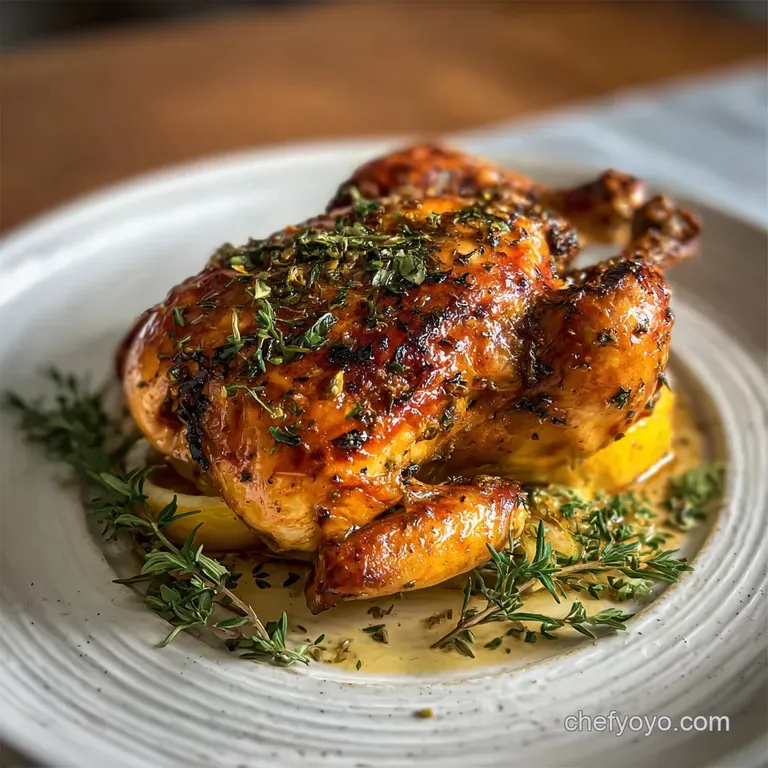
One of the biggest heartbreaks is a chicken that looks beautiful on the outside but is dry or flavorless on the inside. Most of the time, this comes down to simple errors in temperature management or seasoning.
Why Your Chicken Skin Stays Rubbery
If your skin isn't crisping, it's usually because there was too much moisture in the pan or the oven temperature was too low. The white wine should provide steam, but if you add too much liquid, you're essentially poaching the bottom of the bird.
| Problem | Root Cause | Solution |
|---|---|---|
| Dry Breast Meat | Overcooking or high heat too long | Use a meat thermometer and pull at 160°F |
| Burnt Vegetables | Not enough liquid in the pan | Add a splash of water or stock halfway through |
| Pale Skin | Not enough fat/butter on the surface | Ensure a thick, even layer of butter before roasting |
It's similar to the technique used in our Broccoli Casserole recipe where texture balance is everything.
Common Mistakes Checklist ✓ Never wash the chicken; it spreads bacteria and makes the skin soggy. ✓ Don't skip the butter rub; it's the key to that contemporary golden finish. ✓ Avoid opening the oven door constantly; you lose about 25 degrees every time.
✓ Ensure your roasting pan isn't too large, or the juices will evaporate and burn. ✓ Always let the bird rest; it’s the difference between "okay" and "extraordinary."
Creative Ways to Swap Ingredients and Flavors
This recipe is a canvas. While I love the classic January flavors of rosemary and lemon, you can easily shift the profile to match whatever you have in the pantry.
- The Pioneer Woman Twist: Add a tablespoon of brown sugar to the butter rub and use lots of fresh parsley. It creates a sweeter, darker crust.
- The Mediterranean Shift: Swap the butter for more olive oil, use oregano instead of rosemary, and add kalamata olives to the pan base.
- Spicy Fusion: Rub the skin with smoked paprika and a pinch of cayenne before roasting for a contemporary heat.
If you find yourself with extra meat, there are plenty of Simple leftover chicken recipes you can throw together on a Monday night.
| Servings | Ingredient Adjustments | Pan Size | Cook Time |
|---|---|---|---|
| 2 People | Use a 1kg chicken, half the butter | 9 inch Skillet | 55 minutes |
| 5 People (Standard) | 1.9kg chicken, full recipe | 13 inch Pan | 1 hours 15 mins |
| 8 People | Two 1.5kg chickens, 1.5x veg | Large Roaster | 1 hours 30 mins |
When scaling up, remember that two chickens in one oven will produce more steam. You might need to increase the temperature by 15 degrees or roast them slightly longer to get that same shatter crisp skin. If you're scaling down, don't reduce the herbs too much you still want that massive aromatic hit!
Debunking Roast Chicken Myths
A common misconception is that you need to baste the chicken every ten minutes. Honestly, don't bother. Every time you open the oven to baste, you're letting out the dry heat that makes the skin crispy. You end up with a soggy bird and a longer cook time.
The butter we put under and over the skin handles the basting for you from the inside out.
Another myth is that you must "seal the juices" by searing the meat first. Searing adds flavor through the Maillard reaction, but it doesn't actually create a moisture barrier. The real secret to juiciness is simply not overcooking the meat and letting it rest properly.
Managing Your Leftovers and Future Meal Prep
Storage Guidelines You can keep the roasted chicken in the fridge for up to 4 days. Store it in an airtight container to keep the meat from picking up "fridge smells." If you want to freeze it, I recommend shredding the meat first.
It stays much better in the freezer for up to 3 months when packed tightly in freezer bags.
Zero Waste Tips Never, ever throw away the carcass! That bone frame is basically free money. Throw it in a pot with the leftover roasted carrots and onions, cover with water, and simmer for 4 hours. You’ll have a rich, golden stock that beats anything in a carton.
For a quick lunch the next day, try making Leftover rotisserie chicken skillet recipes by tossing the shredded meat with a Garlic Parmesan Sauce recipe and some pasta. It’s a 10 minute meal that feels like a total indulgence.
Side Dishes That Make Your Roast Shine
Since the oven is already on, I love to throw in a tray of potatoes during the last 45 minutes of the chicken's cook time. They soak up any extra heat and pair perfectly with the pan drippings.
If you're looking for something a bit more festive, this chicken is the perfect partner for our Broccoli Casserole recipe. The creamy texture of the casserole cuts through the saltiness of the roast beautifully.
If you want a lighter option, a simple arugula salad with a heavy lemon dressing mirrors the citrus inside the bird. It’s all about balance rich, savory meat paired with something bright or creamy.
Whatever you choose, make sure you have plenty of bread to soak up that white wine and garlic sauce at the bottom of the pan!

High in Sodium
845 mg mg of sodium per serving (37% of daily value)
The American Heart Association recommends limiting sodium intake to about 2,300mg per day for optimal health.
Tips to Reduce Sodium in Your Roasted Chicken
-
Reduce Added Salt-25%
Kosher salt is a significant contributor to the sodium content. Reduce the amount of salt from 10g to 5g, or even less, and taste as you go. You can always add more later, but you can't take it away. This can significantly reduce the sodium without sacrificing flavor.
-
Lemon Power-10%
Enhance the flavor of your chicken with more lemon juice and zest. The acidity from the lemon brightens the dish and allows you to use less salt. Squeeze the lemon over the chicken and vegetables before roasting, and zest some of the peel as well.
-
Herb Infusion
Create a flavorful rub using dried or fresh herbs like thyme, rosemary, and sage. These herbs add depth and complexity to the dish, allowing you to reduce the amount of salt needed. Make sure they are fresh for the best flavor!
-
Onion & Garlic Boost-5%
Increase the amount of garlic and onion used in the recipe. Roasting these vegetables intensifies their sweetness and savory flavors, providing a delicious alternative to relying on salt for taste.
Recipe FAQs
What can you make with roasted chicken?
Plenty of dishes! Roasted chicken is incredibly versatile, perfect for main courses, salads, sandwiches, soups, and even casseroles. You can shred it for tacos or use the carcass to make a flavorful stock.
What meals can you make with leftover roast chicken?
Endless possibilities! Leftovers are great in chicken salad sandwiches, creamy chicken noodle soup, quick pasta dishes, or even a quesadilla. Try tossing shredded chicken with a Garlic Parmesan Sauce recipe for a speedy weeknight meal.
What's the best seasoning for roast chicken?
Salt, pepper, and aromatics are key. Kosher salt and cracked black pepper form the essential crust, while fresh herbs like rosemary and thyme, along with garlic and lemon, add depth. For a richer flavor, consider using butter or a herb butter under the skin.
Can you eat rotisserie chicken after 7 days?
No, it's not recommended. For food safety, cooked chicken should typically be consumed within 3 to 4 days when stored properly in the refrigerator. After 7 days, the risk of bacterial growth increases significantly.
How do I prevent my roast chicken skin from being rubbery?
Ensure skin is bone dry and roast at high initial heat. Pat the chicken thoroughly with paper towels before seasoning and applying fat like butter or oil. Starting at a higher temperature, around 425°F (220°C), helps render the fat and crisp the skin.
What is the secret to a juicy roast chicken?
Don't overcook it and let it rest. Use a meat thermometer to ensure the thickest part of the thigh reaches around 175°F (80°C) and the breast reaches 165°F (74°C). Allowing the chicken to rest for at least 15 minutes after roasting is crucial for the juices to redistribute.
How do I make a good pan sauce from roasted chicken drippings?
Deglaze with liquid and scrape up browned bits. After removing the chicken, pour off excess fat from the pan. Add about 1 cup of dry white wine or chicken stock to the pan and scrape up all the delicious browned bits from the bottom. Simmer until reduced, then whisk in a knob of butter for richness. This technique is also fundamental for building flavor in dishes like Gumbo: Classic Dark Roux Chicken and Sausage Recipe.
January Roasted Chicken Recipe
Ingredients:
Instructions:
Nutrition Facts:
| Calories | 472 kcal |
|---|---|
| Protein | 43.8 g |
| Fat | 29.4 g |
| Carbs | 5.6 g |
| Fiber | 1.2 g |
| Sugar | 1.8 g |
| Sodium | 845 mg |
