Lemon Herb Grilled Chicken: Tender and Succulent
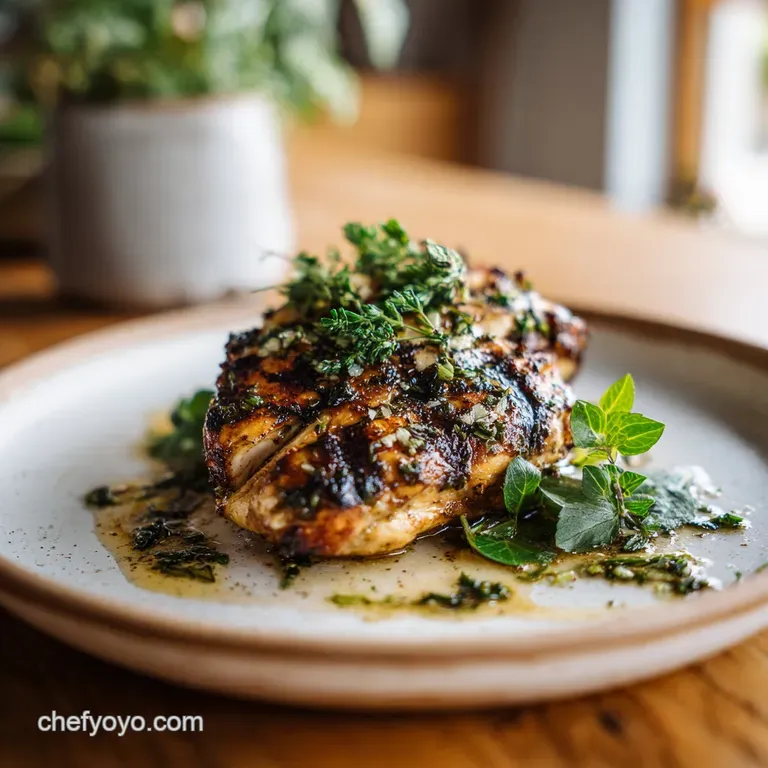
- Time: Active 10 minutes, Passive 10 minutes, Total 20 minutes
- Flavor/Texture Hook: Zesty herb crust with a citrus charred finish
- Perfect for: Busy weeknights, healthy meal prep, or beginner outdoor grilling
Low Calorie Recipe with Grilled Chicken
The first time I tried making a healthy grilled dinner, I ended up with something that tasted more like a yoga mat than a meal. It was dry, bland, and frankly depressing. I realized that when you're stripping away heavy sauces and mountains of butter, your technique has to be flawless.
That is where the herbs and the heat come into play. When those fresh rosemary needles hit a screaming hot cast iron surface, they don't just sit there. They release oils that perfume the entire kitchen and create a crust that makes you forget you're eating something low calorie.
This article shares one delicious Low Calorie Recipe with Grilled Chicken and Herbs.
The magic in this specific dish isn't found in a bottle of store-bought marinade. It is all about the lemon zest. Most people reach for the juice first, but that is a mistake I made for years. Acid actually "cooks" the outside of the chicken if it sits too long, turning the texture chalky.
The zest, however, gives you all that bright, sunshine flavor through its essential oils without messing with the protein structure. It stays vibrant, floral, and works perfectly with the earthy thyme.
We've all been there, standing over a grill and wondering if the middle is done while the outside starts to look like charcoal. This recipe solves that by using a simple physical trick: the pound.
By leveling the playing field literally every square inch of that chicken breast cooks at the exact same rate. You get that beautiful, dark golden sear on the outside while the inside stays velvety and moist. It’s a total game changer for anyone who thinks chicken breast is inherently boring.
Essential Specs for Success
How the Heat Stays Even: Pounding the meat to 3/4 inch ensures the thermal energy travels through the protein at a consistent rate, preventing "tough edge" syndrome. This simple mechanical change is what separates a rubbery breast from a tender one.
The Short Brine Effect: Salt mixed with olive oil and herbs creates a concentrated surface treatment. In just 10 minutes, the salt begins to break down the outermost protein filaments, allowing them to retain more moisture once they hit the heat.
Caramelized Citrus Finish: Grilling the lemon halves face down transforms the sharp, puckering juice into a mellow, slightly sweet nectar. The heat breaks down the sugars in the lemon, providing a sophisticated acidity that brightens the savory herbs.
| Thickness | Internal Temp | Rest Time | Visual Cue |
|---|---|---|---|
| 3/4 inch | 160°F | 5 minutes | Opaque center, clear juices |
| 1/2 inch | 160°F | 3 minutes | Firm to touch, golden crust |
| 1 inch | 160°F | 7 minutes | No pink, deep sear marks |
Choosing the right thickness is the most important decision you'll make before the heat even comes into play. If you go too thin, you lose the juicy center. If you go too thick, you'll burn the herbs before the middle is safe to eat. Stick to that 3/4 inch sweet spot for the best results every single time.
Deep Dive Into Ingredients
To truly master this Low Calorie Recipe with Grilled Chicken, we need to look at what each component brings to the table. We aren't just tossing things in a bowl; we are building layers of flavor that compensate for the lack of heavy fats.
The garlic provides that deep, savory base note that lingers, while the rosemary adds a woody, balsamic like top note.
| Ingredient | Science Role | Pro Secret |
|---|---|---|
| Lemon Zest | Essential Oils | Grate only the yellow part; the white pith is bitter and ruins the fragrance. |
| Fresh Rosemary | Heat stable aromatics | Bruise the needles with the side of your knife before chopping to release the oils. |
| Sea Salt | Protein denaturant | Use coarse salt to create a slight "crust" that helps with the browning process. |
| Extra Virgin Olive Oil | Heat conductor | A tiny amount is all you need to bridge the gap between the pan and the meat. |
Fresh herbs are non negotiable here. Dried herbs can often taste dusty or hay like when subjected to the high heat of a grill. If you're looking for other ways to use up that fresh poultry blend, you might enjoy my Poached Chicken recipe which uses a similar herb profile but in a gentle liquid environment.
Tools for Professional Results
You don't need a thousand dollar setup to make this work, but a few specific items will make your life much easier. I always reach for my heavy cast iron grill pan when I'm cooking indoors. It holds heat like nothing else, which is vital when you drop cold meat onto the surface.
If the pan temperature drops too much, the chicken will steam rather than sear, and you'll lose that beautiful color.
A meat thermometer is your best friend in a Low Calorie Recipe with Grilled Chicken. I used to try the "finger poke" test to check for doneness, but honestly, it’s a guessing game.
Taking the meat off at exactly 160°F ensures it reaches the safe 165°F during the rest period without ever becoming overcooked. It’s the difference between a dinner people politely eat and a dinner people ask for the recipe for.
- Meat Mallet: For even thickness (a rolling pin also works in a pinch).
- Plastic Wrap: To keep things clean while pounding the chicken.
- Heavy Skillet: Cast iron or stainless steel is preferred over non stick for better searing.
- Microplane: For getting that fine, fluffy lemon zest without the bitter pith.
- Meat Thermometer: The only way to guarantee a juicy result.
Prep and Cooking Steps
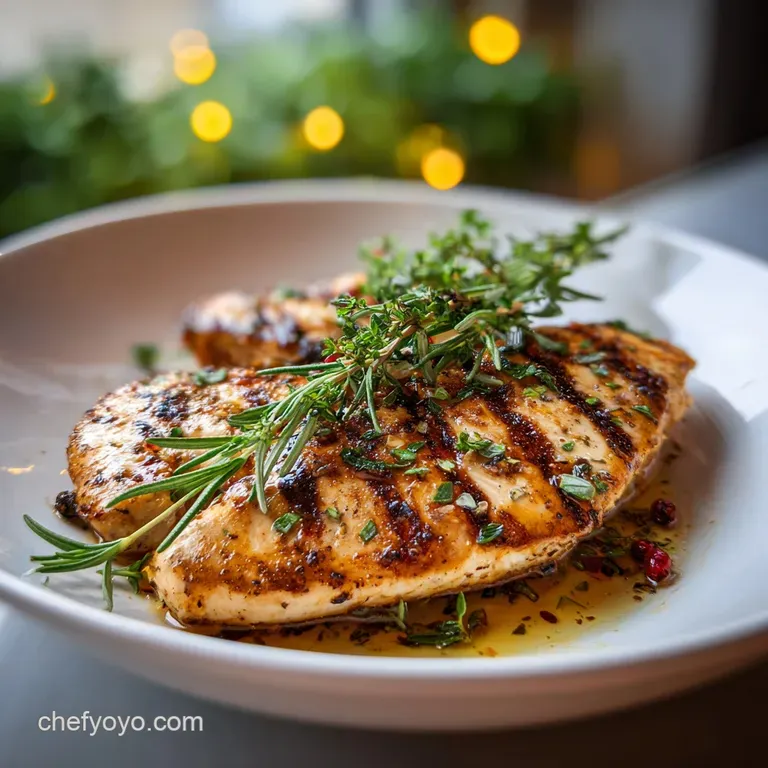
- Level the protein. Place the 1.5 lb boneless skinless chicken breasts between two sheets of plastic wrap. Use a meat mallet to pound the thickest part until the entire piece is a uniform 3/4 inch thickness. Note: This ensures the edges don't dry out while the center cooks.
- Create the aromatics. In a small bowl, combine 1 tbsp extra virgin olive oil, 2 cloves minced garlic, 1 tbsp chopped rosemary, 1 tbsp thyme, and the zest of one lemon.
- Apply the rub. Rub the herb mixture vigorously over all sides of the chicken breasts. Note: Massaging the oil and salt into the fibers helps the flavor penetrate deeper.
- Allow the rest. Let the chicken sit for at least 10 minutes at room temperature. Note: This brief dry brine allows the salt to draw moisture back into the cells.
- Preheat the surface. Heat your heavy skillet or grill over medium high heat until a drop of water flicked onto it sizzles and evaporates instantly.
- Start the sear. Place the chicken and the lemon halves (cut side down) onto the hot surface. Listen for a loud, aggressive sizzle.
- Monitor the flip. Cook for 4-5 minutes on the first side. Flip only when the meat releases easily from the pan.
- Check the temp. Cook for another 4-5 minutes on the second side. Remove from heat when the internal temperature hits 160°F.
- The final rest. Transfer to a plate and tent loosely with foil for 5 minutes. Note: Carryover cooking will bring it to the final 165°F.
- Finish with citrus. Squeeze the charred, caramelized lemon juice over the chicken right before serving.
Fixing Common Cooking Problems
Why Your Grilled Chicken Sticks
There is nothing more frustrating than leaving half of that beautiful herb crust stuck to the bottom of the pan. Usually, this happens for one of two reasons: the pan wasn't hot enough, or you tried to flip the meat too early.
Protein bonds to the metal surface initially, but as it sears and forms a crust, it naturally "releases" itself. If you feel resistance when you try to slide a spatula under the breast, give it another 60 seconds. It will tell you when it’s ready to move.
Handling Burnt Garlic and Herbs
Garlic and fresh herbs are delicate. If your pan is screaming hot (like for a steak), they will turn into bitter black charcoal before the chicken is done. The key is finding that "medium high" sweet spot where the oil is shimmering but not billowing smoke.
If you notice the garlic turning dark brown too quickly, turn the heat down slightly. You want a deep golden color, not a charred black mess.
| Problem | Root Cause | Solution |
|---|---|---|
| Dry/Tough Meat | Overcooking or uneven thickness | Pound to 3/4 inch and use a thermometer to pull at 160°F. |
| Gray/Boiled Look | Pan was too cold or overcrowded | Preheat for 3 mins and leave space between the breasts. |
| Bitter Aftertaste | Burnt garlic or lemon pith | Only zest the yellow skin and keep heat at medium high. |
Another issue people face is a "gray" appearance rather than a golden sear. This usually happens if the chicken is wet when it hits the pan. Moisture creates steam, and steam prevents browning. Even with the oil rub, I like to make sure my chicken is relatively dry before applying the herbs.
If you're struggling with getting a good crust, try using a cast iron pan which retains heat better than thinner aluminum pans.
Common Mistakes Checklist
- ✓ Pat the chicken dry before adding the oil and herbs to ensure a better sear.
- ✓ Never skip the pounding step; it is the only way to get a uniform 3/4 inch thickness.
- ✓ Preheat your skillet for at least 3 full minutes before adding the protein.
- ✓ Use a meat thermometer to pull the chicken at 160°F to account for carryover cooking.
- ✓ Let the meat rest for 5 minutes to allow the internal juices to redistribute.
Fresh Flavor Variations
While the rosemary and thyme combo is a classic for a Low Calorie Recipe with Grilled Chicken, you can easily pivot based on what is in your garden or fridge. If you want something with a bit more of a kick, try adding a teaspoon of red pepper flakes to the oil rub.
The heat from the pepper balances beautifully with the bright lemon.
For a more Mediterranean vibe, swap the rosemary for dried oregano and add a teaspoon of onion powder. This version pairs incredibly well with a fresh salad. If you have leftovers, they make the base for a fantastic lunch. I often use the remaining herb chicken to create a Chicken Salad Sandwich the next day, though you might want to skip the mayo to keep it in the low calorie zone.
- Spicy Lemon Herb: Add 0.5 tsp cayenne pepper and 1 tsp smoked paprika to the rub.
- Garlic Lover's: Double the minced garlic and add 0.5 tsp of garlic powder for an extra punch.
- Cilantro Lime: Swap lemon for lime zest and rosemary for fresh cilantro (add cilantro at the very end).
Storage and Zero Waste
Storing this Low Calorie Recipe with Grilled Chicken is straightforward. Place the cooled breasts in an airtight container in the fridge for up to 4 days. When reheating, be very careful! Chicken breast is notorious for drying out in the microwave.
I recommend slicing it thinly and warming it in a pan with a splash of water or chicken broth over low heat to maintain that moisture.
If you have extra lemon halves that you didn't grill, don't throw them away. You can toss them into a freezer bag. Frozen lemon halves are great for dropping into a water pitcher or even rubbing on your cutting board to help sanitize and deodorize it after working with garlic.
The woody stems from the rosemary and thyme shouldn't go in the bin either; if you have a compost pile, they are great additions, or you can throw them onto the charcoal of an outdoor grill to add a smoky herb aroma to whatever else you're cooking.
For long term storage, you can freeze the grilled breasts for up to 3 months. I suggest wrapping each one individually in parchment paper before placing them in a freezer bag. This prevents them from sticking together and makes it easy to grab just one for a quick salad or wrap later in the week.
Serving and Pairing Ideas
Since this is a Low Calorie Recipe with Grilled Chicken, you want sides that reflect that same light, fresh energy. A big pile of roasted asparagus or some sautéed zoodles (zucchini noodles) works perfectly.
The charred lemon juice from the chicken acts as a built in dressing for whatever greens you put on the plate.
If you are looking for a more substantial vegetable side that still feels like a treat, this chicken goes beautifully with a Grilled Vegetable Platter. The smoky notes from the grilled peppers and onions mirror the char on the chicken perfectly. You can even use the same herb rub on the vegetables to tie the whole meal together.
| Stovetop Method | Oven Method | Result Difference |
|---|---|---|
| High Heat Skillet | 400°F Roast | Skillet provides a better crust and "grill" flavor. |
| 10 minutes total | 18-22 minutes | Oven is more hands off but can dry out the edges faster. |
| Better for 1-2 people | Better for large batches | Stovetop offers more control over the sear. |
If you want a deeper flavor, do a longer rest. While 10 minutes is the minimum for the dry brine, letting the chicken sit with the herb rub for 2 hours in the fridge will allow the garlic and rosemary to penetrate much deeper into the meat.
Just make sure to take it out 15 minutes before cooking so it isn't ice cold when it hits the pan.
If you want a crunchier exterior, use a heavier press. Using a "brick" or a second heavy pan on top of the chicken while it's in the skillet (the spatchcock method) increases the surface contact with the heat. This results in an even more impressive crust without needing more oil.
If you want to meal prep, slice before storing. Slicing the chicken into strips before putting it in the fridge makes it much easier to toss into salads or wraps later. It also helps the meat reheat more evenly if you choose to use the microwave.
There is a common myth that you should only flip chicken once. In reality, flipping more frequently can actually help the meat cook more evenly and prevent the surface from burning before the center is done. However, for those iconic grill marks, leave it alone for the first 4 minutes.
The Maillard reaction needs time and steady contact to create those deep brown flavors we love. Trust the process, watch your temperatures, and you'll have a healthy dinner that feels like a total indulgence.

Recipe FAQs
Is it true I must cook the chicken to 165°F on the grill?
No, this is a common misconception. You should remove the chicken from the heat when it hits 160°F; the residual heat during the 5-minute resting period will safely carry it to 165°F without overcooking the meat.
How to ensure the chicken breasts cook evenly without drying out?
Pound the thickest parts of the breast to a uniform 3/4 inch thickness before cooking. This ensures every part of the meat reaches the target internal temperature at the same time, preventing the thin edges from becoming tough and rubbery.
Is it necessary to use a marinade to get flavor into the chicken?
No, you can achieve intense flavor by using a rub and the dry brine method. Vigorous rubbing of the olive oil, herbs, and seasonings into the meat, followed by a 10-minute rest, allows the salt to penetrate the fibers and keeps the chicken juicy.
How to reheat leftovers so the breast doesn't turn rubbery?
Slice the chicken thinly and warm it in a skillet over low heat with a splash of water. If you enjoyed mastering this gentle reheating technique, you can apply similar heat control principles when preparing our classic ratatouille stew to keep the vegetables perfectly textured.
How to get the best sear on the chicken?
Preheat your skillet or grill pan over medium high heat before adding the meat. A hot surface is essential to achieve a flavorful, golden brown crust without leaving the chicken on the heat for too long.
Should I grill the lemon halves along with the chicken?
Yes, grilling the lemon halves cut-side down creates a smoky, caramelized juice. Squeezing this charred juice over the chicken right before serving adds a brightness that cuts through the savory herbs.
How long can I keep the cooked chicken in the refrigerator?
Store your chicken in an airtight container for up to 4 days. Keeping it in a sealed environment is the best way to prevent it from absorbing other flavors and drying out while in the fridge.
Lemon Herb Grilled Chicken
Ingredients:
Instructions:
Nutrition Facts:
| Calories | 242 calories |
|---|---|
| Protein | 37 g |
| Fat | 8.5 g |
| Carbs | 2.2 g |
| Fiber | 0.8 g |
| Sugar | 0.4 g |
| Sodium | 610 mg |
