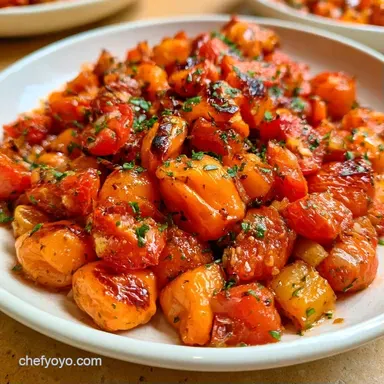
Roasted Mexican Habanero Salsa Recipe
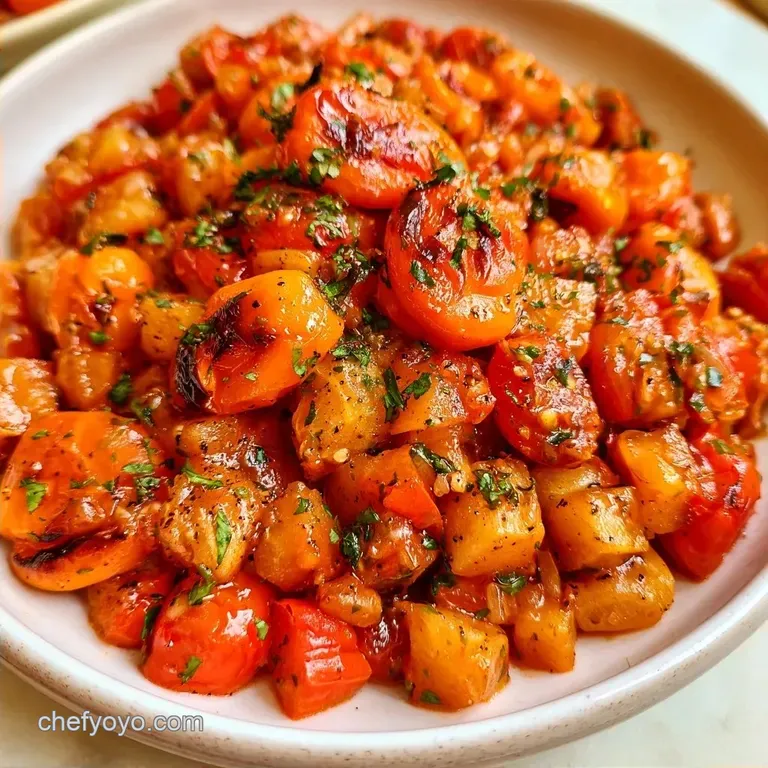
- Time: 5 minutes prep + 15 minutes on heat
- Profile: Bold, smoky, and zesty
- Perfect for: Taco night, spicy starters, or weekly meal prep
- Why This Mexican Habanero Salsa Recipe Works
- Comparing Salsa Prep Methods
- What Each Ingredient Does
- Ingredients and Smart Swaps
- Essential Gear for Your Salsa
- How to Make the Salsa
- Troubleshooting the Heat and Texture
- Best Ways to Serve This
- Keeping It Fresh
- Dietary Adaptations
- Common Salsa Myths
- Recipe FAQs
- 📝 Recipe Card
The aroma of charred peppers reaches you well before the salsa does. Throughout Mexican street markets, these brilliant, orange red condiments simmer in pots, their fragrance mingling with toasted corn and zesty lime.
This taste captures the essence of the region, based on a legacy of pairing intense heat with a hint of natural sugar.
I once viewed spice simply as a challenge, but this recipe is all about luminosity. The scent of tomato skins blistering under the broiler gives this version its distinctive edge. Rather than being merely "hot," it possesses a vivid, multilayered depth.
Expect a powerful kick that complements rather than masks your main dish. This Mexican Habanero Salsa Recipe delivers that authentic, charred taqueria vibe that makes every bite feel more intense.
Why This Mexican Habanero Salsa Recipe Works
Charring the skins: High heat breaks down the raw, aggressive bite of the habanero. This turns the pepper's heat into something fruitier and smokier.
The Acid Balance: Mixing lime juice and white vinegar creates two layers of tartness. One is fresh and bright, while the other provides a sharp, clean finish that cuts through the roasted garlic.
Comparing Salsa Prep Methods
| Method | Time | Texture | Best For |
|---|---|---|---|
| Broiled | 20 mins | Smooth/Blended | Tacos & Dipping |
| Raw | 10 mins | Chunky/Fresh | Light Snacks |
| Stovetop | 25 mins | Deeply charred | Heavy Meats |
What Each Ingredient Does
The habaneros provide the fire and a subtle floral note. Roma tomatoes add the necessary bulk and a slight sweetness once roasted. White onion and garlic create the aromatic base, which becomes mellow and savory after they hit the heat.
Lime juice and white vinegar act as the stabilizers, keeping the colors vibrant and the flavor sharp. Cumin adds an earthy undertone that anchors the spice, while fresh cilantro provides a cool, herbal contrast at the very end.
Ingredients and Smart Swaps
- 4-6 habanero peppers, stems removed (approx. 55g) Why this? High heat with fruity notes
- 3 Roma tomatoes, halved (approx. 225g) Why this? Low moisture content keeps the salsa from becoming runny
- 1/2 white onion, cut into thick wedges (approx. 115g) Why this? A sharp flavor that mellows during roasting
- 4 garlic cloves, peeled (approx. 15g) Why this? Savory depth and punch
- 1 tbsp vegetable oil Why this? Ensures a better char by conducting heat
- 1/4 cup fresh lime juice Why this? Essential for bright acidity
- 1 tbsp distilled white vinegar Why this? Adds a sharp tang and helps with preservation
- 1/4 cup fresh cilantro, chopped Why this? Provides herbal freshness
- 1 tsp sea salt Why this? Balances and lifts every flavor
- 1/2 tsp cumin Why this? Earthy and smoky warmth
Substitution Guide
| Original Ingredient | Substitute | Why It Works |
|---|---|---|
| Habanero Peppers | Scotch Bonnet | Very similar fruitiness and heat. Note: Slightly sweeter |
| White Vinegar | Apple Cider Vinegar | Provides the required acidity. Note: Adds a hint of apple sweetness |
| Fresh Cilantro | Flat Leaf Parsley | Preserves the green color. Note: Lacks the citrusy punch of cilantro |
Essential Gear for Your Salsa
A broiler is essential for this recipe. A cast iron skillet or a baking sheet is ideal since they can withstand intense heat without warping.
For blending, a food processor or standard blender will work perfectly. You can also use an immersion blender, though a tall container is recommended to avoid any splatters.
How to Make the Salsa
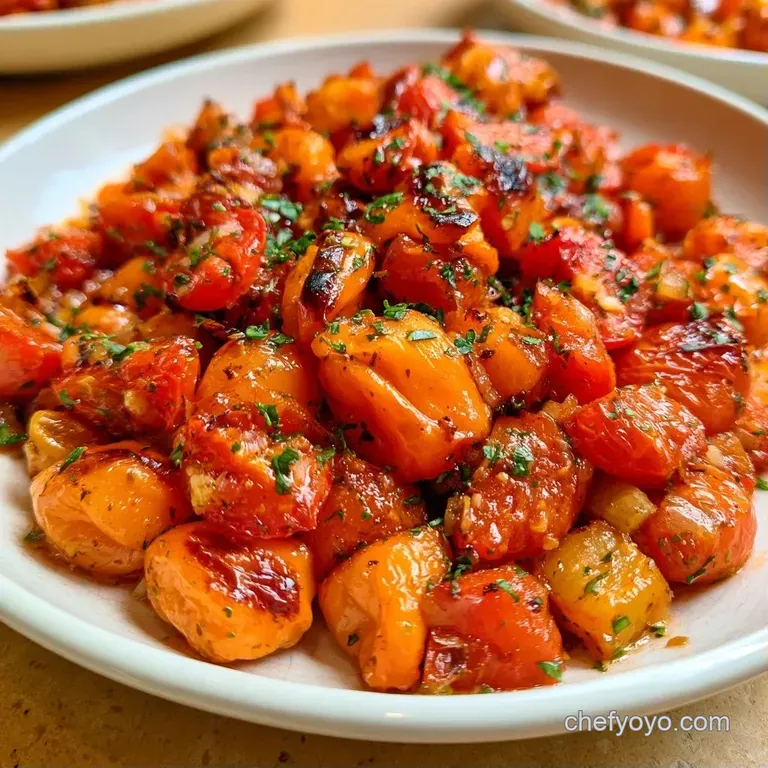
- Preheat your broiler to high. Toss the halved tomatoes, onion wedges, garlic cloves, and whole habaneros in the vegetable oil and spread them on a baking sheet or skillet.
- Broil for 5–8 minutes, flipping once, until the skins are blistered and mahogany colored and the garlic is soft and golden.
- Transfer the roasted vegetables and any released juices into a blender.
- Add the lime juice, white vinegar, salt, and cumin.
- Pulse on low for 10 seconds.
- Increase to high for 30 seconds until the texture is velvety.
- Switch to a low pulse setting.
- Add the fresh cilantro and blend for only 5 seconds until finely integrated.
Chef's Tip: Put your lime in the microwave for 10 seconds before squeezing. It softens the membranes and lets you get every last drop of juice.
Troubleshooting the Heat and Texture
If your salsa comes out too aggressive, don't panic. Adding more salt won't help. Instead, stir in a teaspoon of honey or agave. The sugar binds to the capsaicin, which helps "cool" the fire without ruining the flavor.
When the salsa feels too thin, it's usually because the tomatoes were too watery. You can pulse in a few pieces of roasted onion that you set aside, or simply let it sit in the fridge for an hour to thicken.
Reducing the Heat
Add a bit of sweetness or fat to neutralize the sting.
Fixing Runny Salsa
Avoid over blending and use low moisture tomatoes.
Taming Bitter Garlic
Ensure the garlic is golden, not black, when roasting.
| Problem | Fix |
|---|---|
| Too Spicy | Stir in 1 tbsp honey or agave |
| Too Runny | Blend in extra roasted onion |
| Bitter Taste | Remove any burnt garlic bits |
Best Ways to Serve This
This Mexican Habanero Salsa Recipe is a powerhouse on a platter of warm corn chips. It also works as a marinade for grilled shrimp or chicken. For a real treat, use it as a base for some Homemade Chilaquiles on a Sunday morning.
To make the presentation pop, I use a few specific color accents. I stir in a pinch of smoked paprika for a deeper red hue, add a few slices of fresh radish for a white and pink contrast, and top it with a sprig of bright green cilantro just before serving.
Keeping It Fresh
Store this salsa in a glass jar in your refrigerator, where it will stay fresh for 5 to 7 days. Thanks to the vinegar, it lasts longer than a standard raw salsa.
Avoid freezing this recipe. The water content in the lime juice and tomatoes separates during thawing, which creates a grainy texture.
To reduce waste, save the onion skins and habanero stems. Keep them frozen with your other vegetable trimmings to create a spicy homemade stock later.
Dietary Adaptations
For a low sodium version, swap the sea salt for a squeeze of extra lime and a pinch of garlic powder. The acidity mimics the "hit" of salt without the sodium.
If you want something more indulgent, you can blend in a quarter of a ripe avocado. This creates a creamy habanero salsa that's great for dipping. If you're looking for a fruitier twist, try my Mango Habanero Shrimp Cocktail for a similar flavor profile in a different format.
| Premium Ingredient | Budget Alternative | Impact | Savings |
|---|---|---|---|
| Fresh Limes | Bottled Lime Juice | Less brightness | $1.00 |
| Sea Salt | Table Salt | Negligible | $0.50 |
For those who find the heat too intense, you can remove the seeds from the habaneros before roasting. This reduces the fire by about 40% while keeping the flavor.
Common Salsa Myths
Some believe that adding sugar is "cheating" when making an authentic Mexican Habanero Salsa. It isn't. Many regional variations use honey or fruit to balance the capsaicin.
Another common myth is that you must boil peppers to reduce the heat. Boiling actually strips away the flavor. Roasting is the better approach because it mellows the spice while concentrating the natural sugars.
Now you're all set. Just remember to wear gloves while chopping those habaneros, otherwise you'll be in pain the next time you touch your eyes. Trust me on this. This homemade Mexican Habanero Salsa delivers that bold, street market energy. Enjoy the heat!
Recipe FAQs
How do you make Mexican style habanero sauce?
Broil tomatoes, onion, garlic, and habaneros at high heat for 5-8 minutes. Blend the charred vegetables with lime juice, vinegar, salt, and cumin until velvety, then pulse in fresh cilantro for 5 seconds.
What is authentic Mexican salsa made of?
Fresh produce and acidic balancers. This recipe utilizes Roma tomatoes, white onion, garlic, and habaneros, sharpened with distilled white vinegar and lime juice.
Why does Mexican restaurant salsa taste so good?
They use charred vegetables to add smokiness. Broiling the ingredients until they are mahogany colored creates a savory depth that distinguishes it from raw salsas.
Which ingredients define a Yucatán style habanero salsa?
Habaneros and high acidity are the primary drivers. Combining the intense heat of the peppers with white vinegar and lime juice creates that characteristic bright, piercing profile.
Is it true that roasting the vegetables is unnecessary for flavor?
False. Charring the tomatoes and onions adds a complex, caramelized base that balances the aggressive heat of the habaneros.
Do I have to remove all the seeds to keep the heat manageable?
That's a myth. Most of the capsaicin is in the pith, and retaining the seeds helps preserve the authentic texture and pungent flavor.
Is it a mistake to use white vinegar in a fresh salsa?
Surprisingly, no. Vinegar acts as a critical preservative and provides a sharp contrast to the roasted garlic and oil.
What can I do if my salsa is too thin?
Stir in extra roasted onion or let it chill. If you enjoyed balancing these flavors here, see how we use similar acid balancing techniques in our zesty shrimp ceviche.
Mexican Habanero Salsa