Philly Cheesesteak Pizza: Velvety Garlic Base
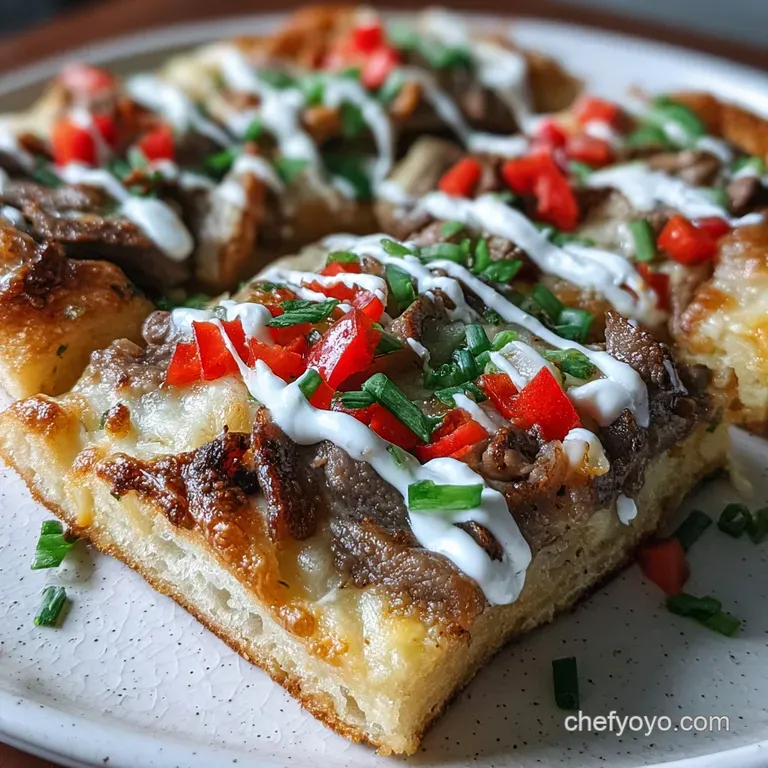
- Time: Active 15 minutes, Passive 12 minutes, Total 27 minutes
- Flavor/Texture Hook: Unctuous ribeye style beef paired with a sharp, creamy provolone finish.
- Perfect for: High energy game nights or a sophisticated twist on Friday pizza traditions.
- Create the Ultimate Fusion Philly Cheesesteak Pizza
- Quantities and Timings for Cooking Success
- Essential Components for Maximum Flavor Impact
- Tools Required for a Professional Finish
- Building Layers of Texture and Taste
- Detailed Steps for Pizza Perfection
- Avoiding Mistakes for a Better Crust
- Modifying Your Pizza for Dietary Needs
- Why "Searing" Doesn't Seal Juices
- Keeping Leftovers Fresh and Crispy
- Flavorful Sides to Pair with Pizza
- High in Sodium
- Recipe FAQs
- 📝 Recipe Card
Create the Ultimate Fusion Philly Cheesesteak Pizza
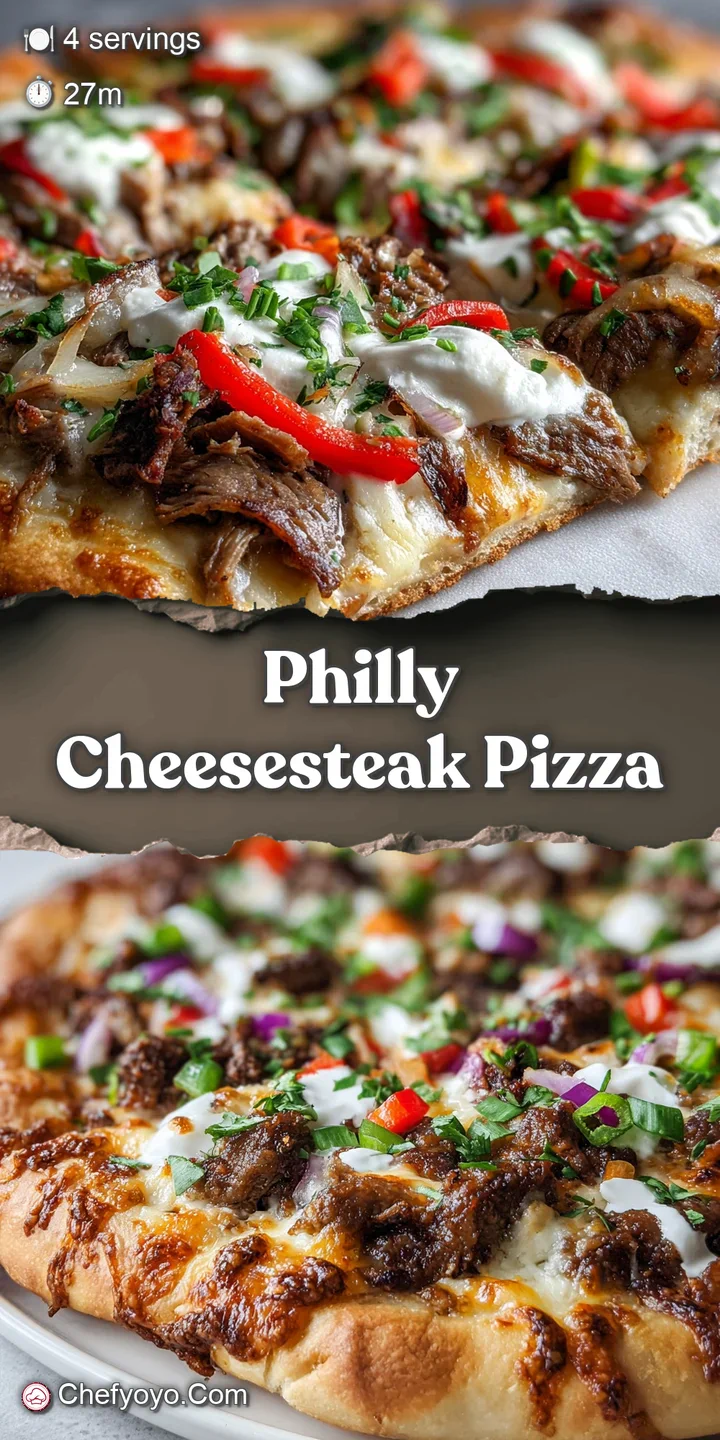
Imagine the sizzle of thinly sliced sirloin hitting a hot pan, the aroma of garlic blooming in bubbling butter, and that first bite where the crust provides a distinct shatter before yielding to a velvety sauce. That is exactly what we are chasing today.
I used to think putting steak on a pizza would just result in chewy, grey meat, but I realized the secret isn't just in the toppings it's in the thermal management of those toppings before they even touch the dough.
We aren't just making a "meat pizza" here; we are building layers of flavor that honor the South Philly tradition while respecting the chemistry of a good bake. I remember the first time I tried this, I dumped raw peppers on top and the whole thing turned into a soggy mess. Never again.
We're going to sauté those vegetables to remove excess moisture and par cook the beef so it stays succulent, not rubbery.
Trust me, once you see how that sharp provolone melts into the house made garlic cream sauce, you'll never go back to red sauce for this specific pie. It’s rich, it’s savory, and it’s exactly what happens when contemporary culinary techniques meet pure comfort.
Let's get into the details so you can nail this on your first try.
Quantities and Timings for Cooking Success
Success in the kitchen often comes down to timing and temperature. When you're working with a high protein dish like this, you need to understand how the heat interacts with the beef versus the dough.
We're looking for that sweet spot where the cheese is bubbling and charred in spots, but the steak hasn't turned into leather.
The Science of Why it Works: Starch gelatinization occurs as the flour and milk simmer, creating a stable, velvety sauce that won't separate under high heat. The Maillard reaction on the sirloin creates hundreds of new flavor compounds that raw meat simply cannot provide.
| Method | Time | Texture Outcome | Best For |
|---|---|---|---|
| Standard Oven | 12 minutes | Evenly browned, chewy crust | Family weeknight dinners |
| Pizza Stone/Steel | 8 minutes | Shatter crisp, blistered bottom | Enthusiasts seeking "brick oven" style |
| Cast Iron Skillet | 10 minutes | Deep dish style, fried bottom | Maximum crust crunch and oil infusion |
The heat source matters because of how it transfers energy. A pizza stone provides conductive heat, which hits the dough immediately, causing rapid steam expansion. This is what gives you those beautiful air pockets.
If you're using a standard baking sheet, you'll get a more uniform, soft chewy result which is still quite pleasant.
Essential Components for Maximum Flavor Impact
The "Component Analysis" of this dish reveals why it stands apart from a standard takeout order. Each ingredient serves a structural or chemical purpose. We aren't just adding mushrooms for bulk; we're adding them for their high glutamate content, which mimics the savory depth of the beef.
| Ingredient | Science Role | Pro Secret |
|---|---|---|
| Top Sirloin | Primary Protein | Freeze for 20 mins before slicing to get paper thin strips. |
| Sharp Provolone | Acidic Balance | Use aged "Piccante" provolone to cut through the heavy fat. |
| Garlic | Aromatic Base | Sauté in butter just until fragrant to avoid bitter notes. |
I've found that the 2% milk provides enough fat for a silky sauce without the cloying heaviness of heavy cream. It allows the beef flavor to remain the star of the show. If you use a lower fat milk, the sauce might feel thin or "watery" once it hits the hot dough. Stick to the 2% for the best structural integrity.
Tools Required for a Professional Finish
You don't need a professional kitchen, but a few specific tools will make your life much easier. A heavy bottomed skillet ideally cast iron is non negotiable for the steak. It retains heat so well that the meat sears instantly instead of steaming in its own juices.
This is how you avoid that "grey meat" look.
1. The Baking Vessel
A pizza stone or a perforated pizza pan is your best friend here. If you use a regular cookie sheet, make sure to preheat it in the oven. Dropping the cold dough onto a screaming hot surface is the only way to get a crust that doesn't sag under the weight of the toppings.
2. The Slicing Tool
Don't use a dull knife for the sirloin. A sharp chef's knife or even a serrated blade can help you get those translucent slices. The thinner the meat, the faster it cooks and the more "tender" it feels in the mouth. This texture reminds me of the Philly Cheesesteak Meat recipe we talked about last week.
Building Layers of Texture and Taste
Now, let's talk about the actual build. This isn't just about throwing things together; it’s about the order of operations. We start with a cool dough and build upward with the heaviest, most moisture stable ingredients first.
- 1 tbsp Unsalted butter: Used to create the roux for the white sauce.
- 1 tbsp All purpose flour: The thickening agent that provides structure.
- 3/4 cup 2% Milk: The liquid base for our garlic cream.
- 3 cloves Garlic, minced: For that sharp, aromatic punch. Why this? Fresh garlic is essential; the pre minced jarred stuff lacks the necessary pungent oils.
- 1/2 lb Top Sirloin: Sliced paper thin. Why this? Sirloin is lean enough for pizza but has enough flavor to stand up to the cheese.
- 1/2 Green bell pepper & White onion: Thinly sliced for a classic Philly profile.
- 1 cup Cremini mushrooms: Sliced thin for umami depth.
- 1 lb Pizza dough: Room temperature is best for stretching.
- 1.5 cups Mozzarella: Low moisture is key to avoid a soggy middle.
- 4 slices Sharp Provolone: Torn into pieces for uneven, flavor bursting bites.
| Original Ingredient | Substitute | Why It Works |
|---|---|---|
| Top Sirloin | Flank Steak | Very lean, but must be sliced across the grain for tenderness. |
| 2% Milk | Whole Milk | Richer mouthfeel; slightly more calories but very velvety. |
| Sharp Provolone | White American | Traditional Philly choice; melts perfectly but lacks the sharp bite. |
If you choose to use the White American cheese substitute, be aware that it melts very quickly. You might want to add it halfway through the bake to prevent it from browning too early. It provides that classic "creamy" Philly finish that some people swear by.
Detailed Steps for Pizza Perfection
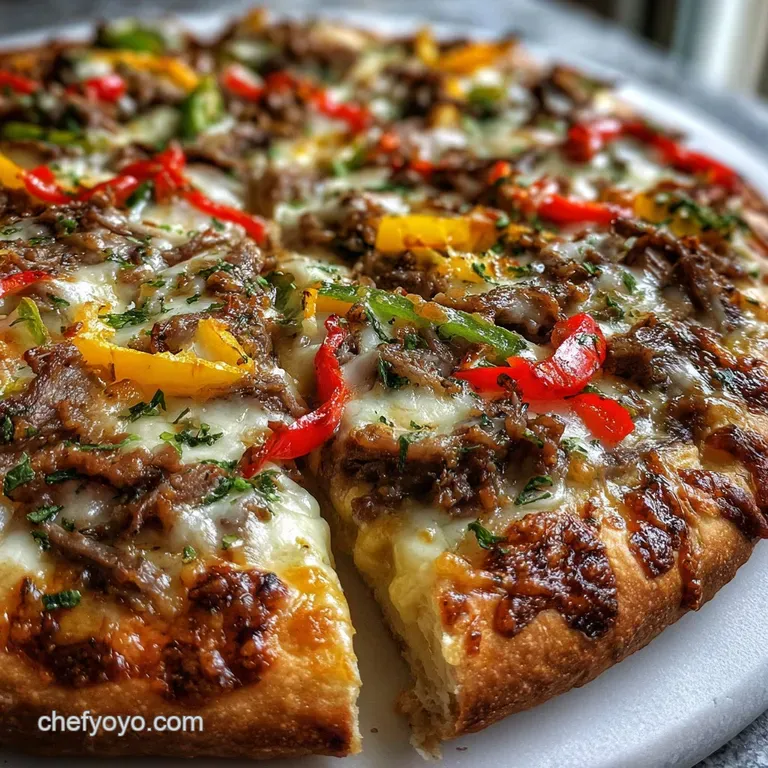
- Preheat the oven to 475°F. Note: If using a pizza stone, put it in now so it absorbs heat for at least 30 minutes.
- Sauté the vegetables. Heat 1 tsp olive oil in a skillet over medium high heat. Add the peppers, onions, and mushrooms. Cook for 5 minutes until the edges are charred and the onions are translucent. Set aside.
- Flash sear the steak. In the same skillet, add the thinly sliced sirloin in a single layer. Cook for 1 minute until the meat just loses its pink color. Don't overcook it; it will finish in the oven.
- Make the garlic sauce. Melt 1 tbsp butter in a small saucepan. Whisk in 1 tbsp flour and cook for 1 minute. Slowly whisk in 3/4 cup milk, minced garlic, salt, and pepper.
- Thicken the sauce. Simmer the sauce for 3 minutes until it coats the back of a spoon. Let it cool slightly before spreading.
- Prepare the dough. Stretch the 1 lb pizza dough into a 12 inch circle on a piece of parchment paper or a floured surface.
- Apply the base. Spread the garlic cream sauce evenly over the dough, leaving a 1 inch border for the crust.
- Layer the cheese. Sprinkle 1 cup of the mozzarella over the sauce. This acts as a "glue" for the toppings.
- Distribute the toppings. Evenly spread the steak and sautéed vegetables over the cheese. Top with the remaining mozzarella and the torn provolone slices.
- Bake the pizza. Slide the pizza into the oven. Bake for 10-12 minutes until the crust is golden brown and the cheese is bubbling and spotted with brown.
Chef's Tip: Freeze your butter for 10 minutes before making the sauce roux, then grate it in. It melts more evenly and helps prevent lumps in your flour mixture.
Also, adding a tiny splash of Worcestershire sauce to the steak while searing adds a deep, salty complexity that mimics aged beef.
Avoiding Mistakes for a Better Crust
The biggest heartbreak in the pizza world is the "soggy middle." This usually happens when the vegetables release their water directly onto the dough. By sautéing them first, we’ve already mitigated most of that risk, but there are other pitfalls to watch for.
1. Why Your Steak is Chewy
If your steak feels like rubber, it’s usually because it was sliced too thick or with the grain. Always slice against the grain. If you see long fibers running down your slice of meat, turn it 90 degrees and cut across them. This breaks up the muscle fibers, making the meat "melt" in your mouth.
2. The Sauce is Too Runny
If you didn't let the roux (butter and flour) cook long enough, or if you added the milk too fast, the sauce might stay thin. It should be the consistency of a thick gravy. If it's too wet, it will soak into the dough and prevent it from crisping up properly.
| Problem | Root Cause | Solution |
|---|---|---|
| Soggy Crust | Too much moisture in toppings | Sauté veggies longer to evaporate water before adding to pizza. |
| Bland Flavor | Under seasoned beef | Salt the steak immediately after it hits the pan to draw out flavor. |
| Burnt Cheese | Oven rack too high | Move the pizza to the middle or lower third of the oven. |
Common Mistakes Checklist: ✓ Pat the steak completely dry with paper towels before searing (prevents steaming). ✓ Let the dough sit at room temperature for 30 minutes before stretching (prevents "snap back").
✓ Don't overcrowd the pan when searing the steak; work in batches if necessary. ✓ Use low moisture mozzarella; fresh "wet" mozzarella will release too much water. ✓ Make sure the oven is fully preheated don't trust the "beep," give it an extra 10 minutes.
Modifying Your Pizza for Dietary Needs
Adjusting this recipe for different needs is easier than you might think. Since we're making the sauce from scratch, we have total control over the ingredients.
- Scaling Down: For a personal sized pizza, use 1/4 lb of dough and divide all other ingredients by four. Reduce bake time by about 2-3 minutes as the smaller surface area heats up faster.
- Scaling Up: If you're feeding a crowd, double everything. However, do not double the salt and pepper in the sauce right away start with 1.5x and adjust to taste. Work in batches for the steak to ensure a proper sear.
- Baking Multiple: If baking two pizzas at once, rotate their positions halfway through the bake to ensure even browning.
If you're looking for a more traditional sandwich experience after trying this, you should definitely look at My Favorite Authentic recipe. It uses similar flavor profiles but in a classic hoagie format.
| Item | Modification | Resulting Texture |
|---|---|---|
| gluten-free | GF Pizza Crust + GF Flour in sauce | Cracker like crust; sauce remains velvety. |
| Keto/Low Carb | Chicken Crust or "Meatzza" | Very savory; focus shifts entirely to the toppings. |
| Vegetarian | Double Mushrooms + Smoked Tofu | High umami; mushrooms provide the "meaty" bite. |
Why "Searing" Doesn't Seal Juices
There is a long standing myth that searing meat "seals in the juices." Science tells us this is false. Searing actually causes the meat to lose moisture because the heat tightens the muscle fibers.
However, we sear the steak for the Maillard reaction that beautiful brown crust that provides the savory flavor we crave. The "juiciness" comes from not overcooking the meat inside.
Another myth is that you must use Ribeye for it to be "authentic." While Ribeye is the gold standard for sandwiches because of its fat content, Top Sirloin is often better for pizza.
It’s leaner, meaning you won't end up with a puddle of grease on top of your cheese, yet it still packs a punch in the flavor department.
Keeping Leftovers Fresh and Crispy
If you happen to have leftovers which is rare in my house do not use the microwave. The microwave turns the crust into a rubber tire and makes the steak tough.
Storage: Keep leftovers in an airtight container in the fridge for up to 3 days. I don't recommend freezing the fully cooked pizza, as the cream sauce can become grainy when thawed.
The Reheating Secret: Use a dry cast iron skillet over medium heat. Place the cold pizza slice in the pan and cover it with a lid or foil. The pan crisps the bottom of the crust while the lid traps enough heat to melt the cheese and warm the steak without drying it out.
About 3-4 minutes is all it takes to get that "fresh out of the oven" shatter.
Zero Waste Tip: If you have leftover steak and peppers, they make a fantastic omelet filling the next morning. You can even use any leftover garlic sauce as a base for a quick pasta dish just toss it with some fettuccine and a splash of pasta water.
Flavorful Sides to Pair with Pizza
To cut through the richness of the beef and cheese, you need something bright. A zesty arugula salad with a lemon vinaigrette is my go to. The peppery bite of the arugula complements the sharp provolone perfectly.
If you want to keep with the "fusion" theme, try serving this with a side of spicy pickled peppers or even a light, vinegar based coleslaw. For something more indulgent, these Chicken Alfredo Pizza recipe flavors also work well if you're doing a "pizza night" with multiple styles.
The key to a great Philly Cheesesteak Pizza is balance. You have the heavy, savory steak and the creamy sauce, so you need that crunch from the crust and the snap of the peppers to keep every bite interesting.
It’s a contemporary take on a classic that hits every sensory note: the sizzle of the pan, the aroma of the garlic, and the visual beauty of browned, bubbling cheese. Let me know how yours turns out!
High in Sodium
1125 mg mg of sodium per serving (49% % of daily value)
The American Heart Association recommends limiting sodium intake to about 2,300mg per day for overall cardiovascular health.
Tips to Reduce Sodium in Your Pizza
-
Lower Sodium Cheese-15%
Replace the part skim Mozzarella and Sharp Provolone with low-sodium versions of mozzarella and provolone, or opt for ricotta cheese, which is naturally lower in sodium. This simple swap can significantly cut down on the sodium content.
-
Reduce Added Salt-25%
Omit the added 1/4 tsp of salt entirely. Taste the pizza before adding any extra salt at the table. Other flavors from garlic, pepper and vegetables will compensate for the loss.
-
Unprocessed Meat-10%
Ensure the top sirloin is fresh and not pre-seasoned or processed, as these often contain hidden sodium. Ask your butcher to slice it thin for you if needed.
-
Homemade Dough-10%
Prepare the pizza dough from scratch to better control the ingredients, including the amount of salt added. Many store-bought pizza doughs are surprisingly high in sodium.
-
Spice It Up!
Experiment with sodium free herbs and spices like oregano, basil, red pepper flakes, or a garlic and herb blend to enhance the flavor of your pizza without adding sodium.
Recipe FAQs
What is on a Philly cheesesteak pizza?
Typically, it features classic cheesesteak ingredients on a pizza crust. This includes thinly sliced steak, sautéed onions and peppers, and melted cheese like provolone and mozzarella, often on a garlic cream sauce base instead of traditional marinara.
What is on a Philly cheesesteak pizza from Domino's?
Domino's Philly Cheesesteak pizza features steak, onions, green peppers, and provolone cheese. It's usually served on their traditional pizza sauce and crust, offering a familiar pizza base with those iconic cheesesteak flavors.
Does Papa John's have a Philly cheesesteak pizza?
Yes, Papa John's often offers a Philly Cheesesteak pizza. It typically includes seasoned steak, onions, green peppers, and a blend of mozzarella and provolone cheese, served on their signature sauce and crust.
Does Little Caesars have a Philly cheesesteak pizza?
Little Caesars has featured a Philly Cheesesteak pizza, though availability can vary seasonally. It usually includes steak, onions, green peppers, and a blend of mozzarella and provolone cheeses on their classic pizza base.
Can I make a Philly cheesesteak pizza at home?
Absolutely, making a Philly cheesesteak pizza at home is straightforward and rewarding. You'll need pizza dough, thinly sliced steak, onions, peppers, and your favorite melting cheeses, often on a garlic cream base for that authentic flavor. If you enjoy mastering foundational flavors, see how the same principle of building savory depth applies in our The Best Homemade Pizza Night: Your Easy Italian Feast!
What is the best way to reheat leftover Philly cheesesteak pizza?
The best way to reheat is in a dry skillet on the stovetop to revive the crust's crispness. Place a slice in a covered skillet over medium heat for a few minutes until the cheese is melted and the crust is re-crisped; avoid the microwave, which makes it soggy.
What kind of cheese is traditionally on a Philly cheesesteak pizza?
Provolone cheese is the traditional choice, often combined with mozzarella. Provolone offers a sharp, tangy flavor that cuts through the richness of the steak and onions, while mozzarella provides that essential melty texture.
Philly Cheesesteak Pizza
Ingredients:
Instructions:
Nutrition Facts:
| Calories | 653 kcal |
|---|---|
| Protein | 38.2 g |
| Fat | 24.2 g |
| Carbs | 67.4 g |
| Fiber | 3.6 g |
| Sugar | 4.8 g |
| Sodium | 1125 mg |
