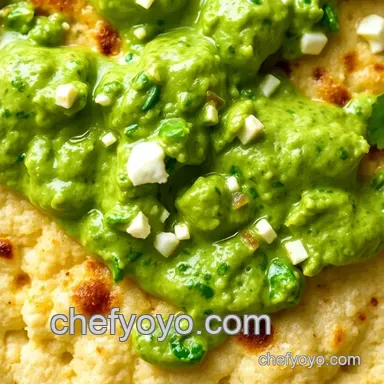
Quick Arepas with Zesty Cilantro Sauce in 25 Minutes
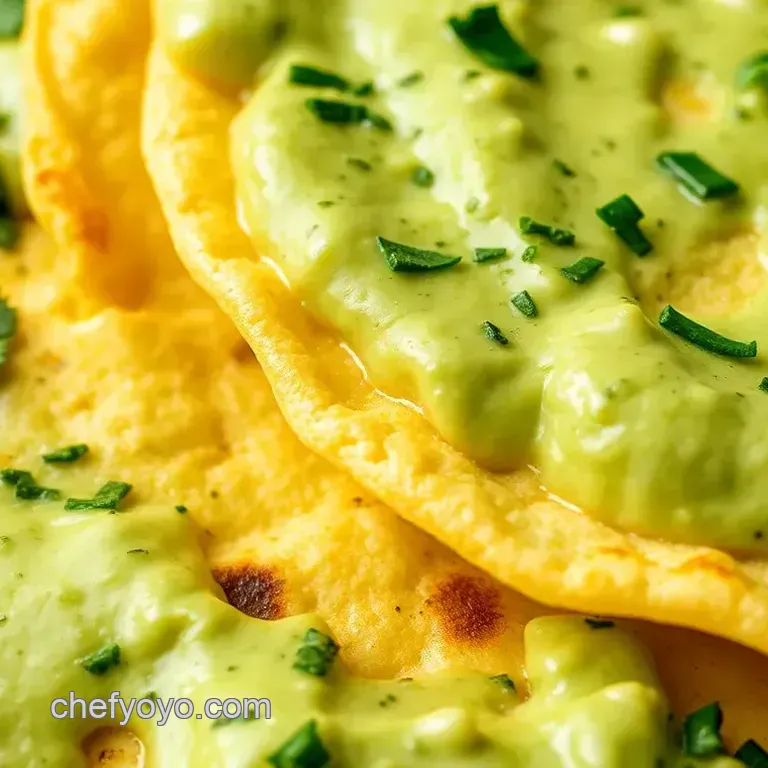
- Time: 10 minutes prep + 15 minutes on the heat
- Key Highlight: Charred corn crust and a zingy, lime-heavy sauce
- Perfect for: Lazy weekend breakfasts or a speedy gluten-free meal
Hearing that corn masa sizzle against a hot pan is an absolute highlight. I love preparing these for Sunday get-togethers. It creates a lively, colorful spread, particularly when the table is loaded with bowls of avocado, black beans, and salty crumbled cheese.
You don't need professional skills to master this. Many find their dough becomes too sandy or breaks apart, but the secret lies in the water's heat. You want a consistency similar to pliable modeling clay rather than dry crumbs.
After achieving those characteristic golden brown sear marks, the vivid green sauce provides the perfect finish. This Quick Arepas with Zesty Cilantro Sauce pairing is perfectly balanced bringing together salty, tangy, and earthy elements.
Quick Arepas with Zesty Cilantro Sauce
For the best results, keep your eye on these three precision checkpoints: 1. Mix the dough for exactly 2 minutes to ensure full hydration. 2. Shape your discs to 3/4 inch thickness so they cook through without burning. 3.
Sear each side for 5-7 minutes until you see toasted brown spots.
What Makes This Work
Warm Water: Heat helps the cornmeal grains absorb liquid faster. This prevents a grainy texture and binds the dough quickly.
Acid Oil Balance: The lime and vinegar cut through the olive oil. This creates a stable, bright emulsion that doesn't separate on the plate. If you like things even spicier, you can swirl in some Green Habanero Hot Sauce for an extra kick.
| Method | Time | Texture | Best For |
|---|---|---|---|
| Stovetop | 15 min | Crisp edges, soft middle | Small batches, maximum char |
| Oven | 20 min | Uniform gold, drier crust | Large crowds, hands off |
The Building Blocks
Using pre-cooked cornmeal for the cakes eliminates the need for a lengthy soaking period. Salt is essential here to prevent the corn from tasting bland. I prefer olive oil for searing since it stays stable at medium high heat without smoking prematurely.
Fresh cilantro and lime are the foundation of the sauce. Dried herbs aren't a viable substitute; you'd lose both the bright green hue and the zesty kick. The apple cider vinegar introduces a fermented complexity that lime alone lacks.
For the Quick Arepas
- 2 cups (250g) Pre cooked cornmeal Why this? Quick absorption and authentic taste
- 2 cups (475ml) Warm water Why this? Speeds up the softening process
- 1/2 tsp (3g) Salt Why this? Highlights the corn's natural sweetness
- 1 tbsp (15ml) Olive oil Why this? Ensures a good char and stops sticking
For the Zesty Cilantro Sauce
- 1 cup (30g) Fresh cilantro, packed Why this? Creates the colorful base
- 1/4 cup (60ml) Extra virgin olive oil Why this? Adds a rich, smooth body
- 2 tbsp (30ml) Fresh lime juice Why this? Offers a sharp, acidic brightness
- 1 tbsp (15ml) Apple cider vinegar Why this? Adds a deeper tang
- 2 cloves (6g) Garlic, minced Why this? Gives a pungent, savory edge
- 1/4 tsp (1g) Salt Why this? Offsets the acidity
- 1/4 tsp (1g) Black pepper Why this? Provides a touch of warmth
Substitution Options:
| Original Ingredient | Substitute | Why It Works |
|---|---|---|
| Pre cooked Cornmeal | Masa Harina | Comparable flavor. Note: May require a bit more water |
| Apple Cider Vinegar | White Vinegar | Comparable acidity. Note: Misses the fruity depth |
| Olive Oil | Avocado Oil | Better heat stability. Note: Neutral taste |
Equipment Needed
Use a spacious mixing bowl for kneading the dough. If the bowl is too small, you'll likely end up with dry cornmeal clumps scattering across your counter.
For the cooking process, a heavy bottomed skillet is the best choice. Cast iron is particularly effective because its heat retention ensures those toasted spots develop quickly. To prepare the sauce, a small blender or an immersion blender is ideal.
A food processor also works, although you may find yourself scraping the sides more frequently.
Key Cooking Steps
1. Hydrating the Dough
In a large bowl, combine the salt and warm water. Gradually stir in the cornmeal. Mix for 2 minutes by hand or with a spoon until the dough is smooth. Note: It should have a soft play dough consistency. If it sticks to your hands, add a pinch more cornmeal.
2. Shaping the Arepas
Divide the dough into 8 equal balls. Press each one into a disc about 3/4 inch thick using your palms. Note: Keep the edges smooth to prevent cracking during the sear.
3. Searing the Cakes
Warm a skillet over medium high heat and add olive oil. Add the discs to the pan. Cook for 5-7 minutes per side until golden brown toasted spots appear.
4. Blending the Sauce
While the arepas cook, add the cilantro, extra virgin olive oil, lime juice, apple cider vinegar, minced garlic, salt, and pepper to the blender.
5. Finishing the Sauce
Pulse on high until the sauce is a bright green and completely smooth. Taste the results; if it seems too heavy, stir in an extra teaspoon of lime juice.
6. Plating
Remove the arepas from the heat and let them rest for 1 minute. This lets the steam settle so the interiors remain moist and the outside stays crisp.
What Makes This Work
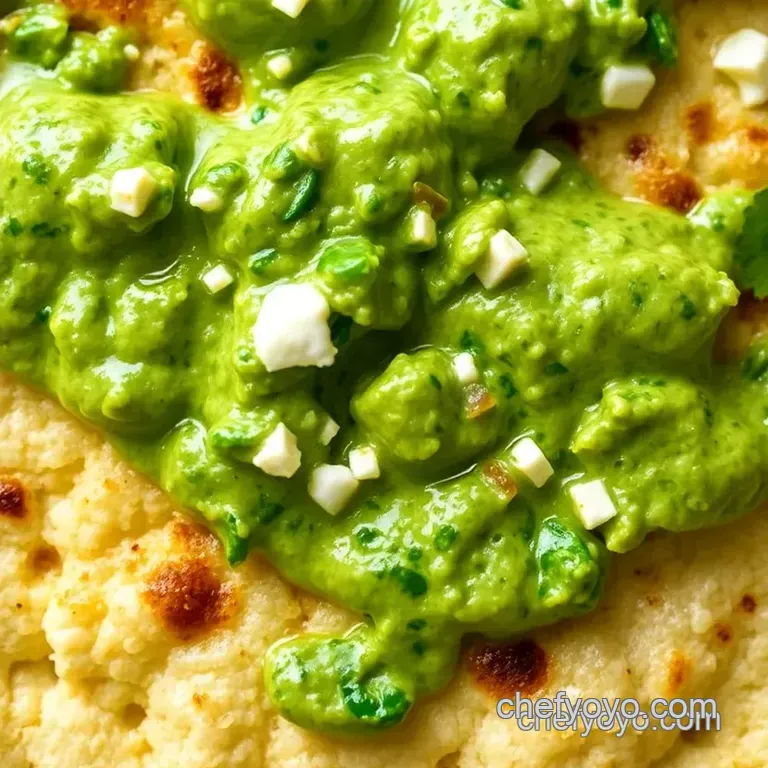
The secret is the ratio of water to cornmeal. By using warm water, we ensure the starch gelatinizes slightly, which gives the Quick Arepas with Zesty Cilantro Sauce their characteristic chew rather than a crumbly, biscuit like texture.
The sauce works because it's a cold emulsion. The high speed of the blender forces the oil and lime juice to bond, creating a glossy, pourable consistency that clings to the corn cakes without sliding off.
Fixing Common Issues
Sometimes the dough behaves badly. If you see cracks forming on the edges of your discs, it usually means the cornmeal absorbed too much water or the room is too dry. Simply dip your fingers in water and smooth the edges right before they hit the pan.
Another issue is the sauce. If you blend the cilantro for too long, the friction from the blades can heat up the greens, making the sauce taste "cooked" or slightly bitter. Keep your pulses short and sharp.
Edges are Cracking
The dough is too dry for the heat. Use wet hands to patch the edges.
Sauce Tastes Bitter
The cilantro was over processed. Add a tiny pinch of sugar or more lime juice to balance it.
Cakes are Raw Inside
The heat was too high, searing the outside before the middle cooked. Lower the flame and cook longer per side.
| Problem | Fix |
|---|---|
| Cracking Edges | Smooth with wet fingers |
| Bitter Sauce | Add lime juice or sugar |
| Raw Center | Lower heat, increase cook time |
Scaling the Batch
To make a smaller batch of 4 arepas, simply halve the ingredients. Use a smaller skillet to ensure the oil doesn't spread too thin, which prevents dry spots from forming on the cakes.
When scaling up for a party, avoid doubling the salt and garlic exactly. Start with 1.5x the original amount, then taste and adjust. Cornmeal can be temperamental, and over salting can give the dough a metallic flavor.
If you are preparing 16 or more, work in batches. Avoid overloading the pan, or the temperature will drop and the arepas will steam instead of sear, leaving them pale and soggy.
Decision Shortcut
- For a softer center: flatten discs to 1/2 inch.
- For a crunchier crust: add 1 extra tbsp of oil to the pan.
- For a thicker sauce: reduce lime juice by 1 tbsp.
Arepa Myths
Some people think you need to fry arepas in deep oil to get them crispy. That's not true. A simple sear in a tablespoon of olive oil gives you a clean, toasted flavor without the grease.
Another myth is that you must let the dough rest for an hour. While resting helps a bit, using warm water accelerates the hydration process. You can go from bowl to pan in 10 minutes without any loss in quality.
Storage and Waste
Keep leftovers in a sealed container in the fridge for 3 days. The sauce stays bright for about 48 hours, after which the lime juice starts to dull the green color.
To reheat, don't use a microwave - it makes them rubbery. Toss them back in a dry skillet over medium heat for 2 minutes per side. This brings back the crispness.
For zero waste, don't toss the cilantro stems. They actually hold more flavor than the leaves. Throw them into the blender with the sauce; the blades will pulverize them, adding extra depth to your Zesty Cilantro Sauce.
Fun Flavor Twists
If you want to change the vibe, try stuffing the arepas. Slice them open like a pita and fill them with shredded chicken, black beans, or salty white cheese. For a different heat profile, swap the cilantro sauce for a Habanero Jerk Sauce to bring in some Caribbean flair.
You can also mix seeds into the dough. Adding a tablespoon of chia or flax seeds gives the cakes a nuttier flavor and a bit more texture.
Diet Swaps
- For Vegan: This recipe is already vegan!
- For Low Sodium: Swap salt for a squeeze of extra lime in the dough.
Serving and Plating
The way you present these makes a huge difference. Since the colors are so bold, I like to play with the contrast between the gold cakes and the bright green sauce.
Simple: Pile 3 arepas on a plate with a dollop of sauce on top. Great for a quick lunch.
Polished: Lay the arepas on a wooden board. Place small bowls of the sauce, diced red onion, and crumbled feta around them for a shared appetizer.
Restaurant: Use a small ring mold to stack two arepas. Pipe three dots of the cilantro sauce around the base and garnish with a single cilantro leaf on top.
| Level | Base | Garnish | Vibe |
|---|---|---|---|
| Simple | Ceramic Plate | Sauce dollop | Casual |
| Polished | Wooden Board | Red onion, Feta | Social |
| Restaurant | Plated Stack | Micro greens | Fancy |
Recipe FAQs
What is the green sauce usually served with arepas?
It is typically Guasacaca or a zesty cilantro based sauce. This bright, acidic condiment cuts through the cornmeal's density. If you enjoy the emulsification process here, you can apply the same technique to this roasted habanero sauce.
How to prepare the cilantro sauce?
Pulse cilantro, extra virgin olive oil, lime juice, apple cider vinegar, garlic, salt, and pepper in a blender. Process on high until the texture is smooth and the color is bright green.
Is it true that reheating arepas in the microwave is the best method?
No, and here's why. Microwaving makes the dough rubbery; instead, toss them in a dry skillet over medium heat for 15 minutes per side to restore crispness.
Which steps make arepas quickly?
Mix cornmeal into warm salted water for 2 minutes until smooth. Form into 3/4 inch discs and sear in olive oil over medium high heat for 5 7 minutes per side.
Quick Arepas With Zesty Cilantro Sauce