Rice with Pigeon Peas: Fluffy Puerto Rican Feast
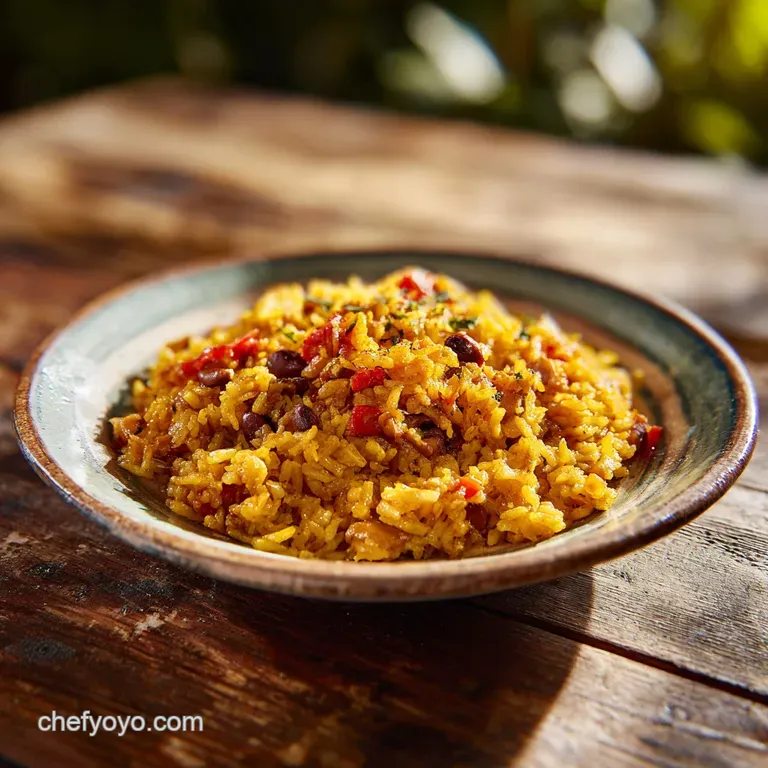
- Time: Active 20 minutes, Passive 40 minutes, Total 60 minutes
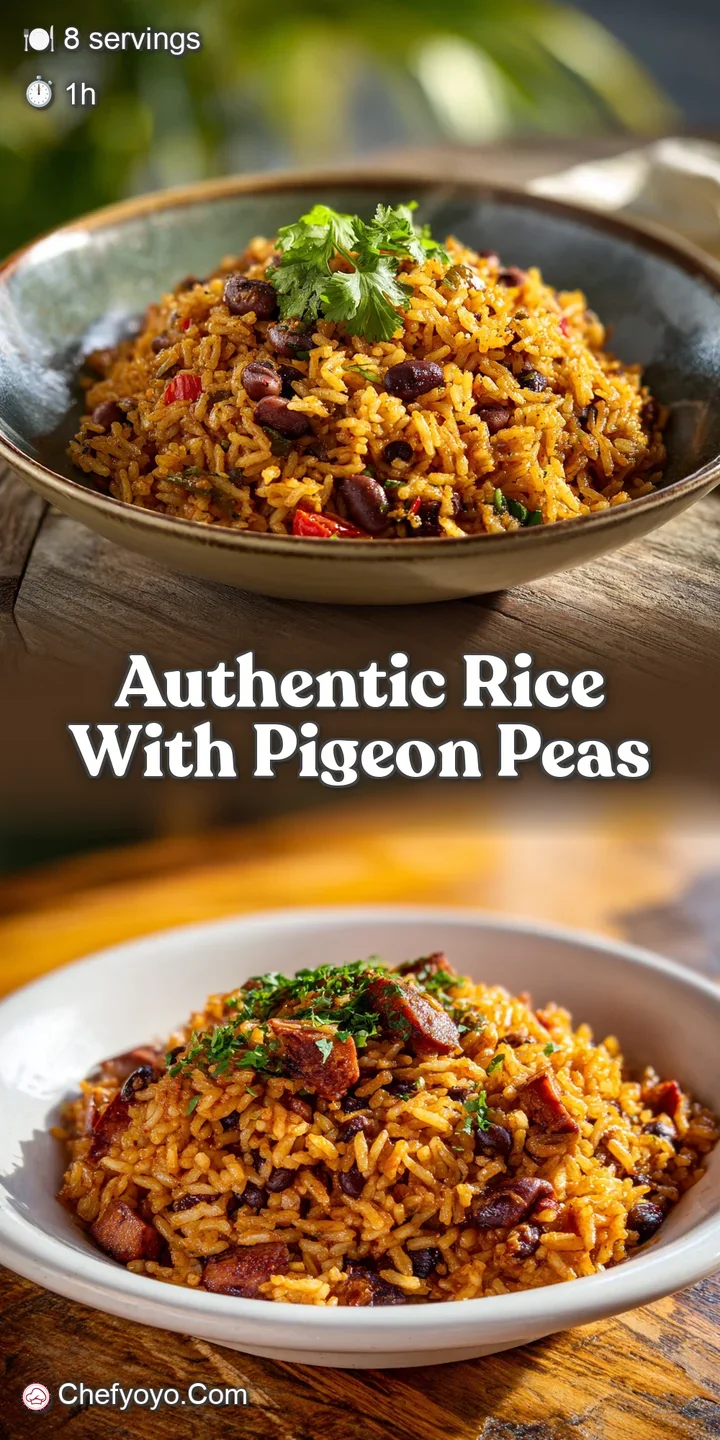
- Flavor/Texture Hook: Earthy, nutty pigeon peas paired with fluffy, herb scented rice and a crispy, golden bottom crust.
- Perfect for: Festive holiday gatherings, Sunday family dinners, or whenever you crave bold Caribbean soul food.
- The Culinary Soul of Puerto Rico: Mastering Rice with Pigeon Peas
- The Science of the Perfect Grain and Crust
- Component Analysis for Maximum Flavor Depth
- The Vibrant Pantry Checklist for Authentic Boricua Flavor
- Standard Tools for the Perfectly Crispy Pegao Crust
- The Rhythmic Dance of Sautéing and Steaming Grains
- Fixing Texture and Seasoning for Flawless Rice Results
- Evolving the Classic Pot with Creative Ingredient Swaps
- Preserving the Fragrance and Texture for Next Day Meals
- Complete Your Feast with Bold and Colorful Sides
- Myths About Puerto Rican Rice
- High in Sodium
- Recipe FAQs
- 📝 Recipe Card
The Culinary Soul of Puerto Rico: Mastering Rice with Pigeon Peas
The kitchen transforms the second that salt pork hits the hot bottom of the caldero. It starts with a rhythmic sizzle, followed quickly by the heavy, sweet aroma of rendering fat that coats the air like a warm blanket. But the real magic happens when the sofrito goes in.
That vibrant green paste of cilantro, peppers, and garlic hits the oil and releases a pungent, herbal cloud that honestly smells better than any expensive candle ever could. It’s the scent of a Puerto Rican Sunday, a signal to everyone in the house that something spectacular is happening on the stove.
I remember the first time I tried to make this without my grandmother watching over my shoulder. I was so worried about the rice being too dry that I added extra water, and I ended up with a mushy mess that looked more like porridge than the legendary Rice with Pigeon Peas I grew up eating.
I learned the hard way that this dish is a lesson in patience and precision. You can't rush the steam, and you definitely can't skip the step where you toast the rice. That's how you get those individual grains that stay firm yet tender, soaking up all that golden Sazón color without falling apart.
This recipe isn't just about feeding people, it’s about that specific, shattering crunch of the pegao—the caramelized rice at the bottom of the pot that everyone fights over.
We are going to walk through how to build those layers of flavor, from the smoky base of the ham to the earthy pop of the gandules. Whether you’re pairing this with a slow roasted pork shoulder or just eating a bowl of it standing up in the kitchen (guilty!), you're about to make the most aromatic pot of rice of your life.
Trust me, once that lid comes off and the steam hits your face, you’ll know exactly why this dish is the heart of Boricua cooking.
The Science of the Perfect Grain and Crust
Maillard Reaction & Fat Infusion: Sautéing the ham and sofrito creates complex flavor compounds while the fat coats each rice grain, preventing excess starch from leaching and sticking.
Starch Retrogradation Control: Using long grain white rice provides the ideal amylose to amylopectin ratio, ensuring the grains remain distinct rather than clumping into a sticky mass.
The Physics of the Pegao: As the water evaporates, the oil settles at the bottom of the pot, essentially "frying" the bottom layer of rice against the metal to create a crispy, golden crust.
Thermal Steam Circulation: Tight sealing lids or foil liners trap steam, using latent heat to cook the rice evenly without the need for constant stirring, which would break the grains.
| Method | Time | Texture | Best For |
|---|---|---|---|
| Traditional Caldero | 60 minutes | Fluffy with crispy bottom | Authentic flavor and the perfect pegao crust |
| Standard Pot | 55 minutes | Uniformly soft and fluffy | Beginners who don't own a heavy cast aluminum pot |
| Rice Cooker | 45 minutes | Very soft and consistent | Busy weeknights when you need a hands off approach |
Choosing the right method depends on how much you value that crispy bottom layer. While a rice cooker is convenient, it rarely reaches the temperature necessary to achieve the "shatter crisp" texture of a true Puerto Rican Rice with Pigeon Peas.
If you are looking for that classic experience, the caldero is your best friend because its rounded bottom and thick walls distribute heat in a way that standard pans just can't mimic.
Component Analysis for Maximum Flavor Depth
| Ingredient | Science Role | Pro Secret |
|---|---|---|
| Puerto Rican Sofrito | Aromatic Foundation | Sauté until the water evaporates and only the fragrant oil remains |
| Long Grain Rice | Structural Base | Rinse until water runs clear to remove surface starch and prevent mushiness |
| Pigeon Peas (Gandules) | Protein & Texture | Use the canning liquid if you want an even deeper, earthier bean flavor |
| Salt Pork or Ham | Fat & Umami | Render the fat slowly on medium low to build a smoky, savory base layer |
The Vibrant Pantry Checklist for Authentic Boricua Flavor
To make a truly Authentic Arroz con Gandules, you need the right players in the pot. Every ingredient here serves a purpose, from the color to the "pop" of the peas. While we're aiming for that classic taste, I've included some swaps in case your local market is missing a few items.
- 3 cups long grain white rice, rinsed: The backbone of the dish.
- Substitute: Medium grain rice (note: will be slightly stickier).
- Why this? Long grain stays separate and fluffy during the long steaming process.
- 15 oz green pigeon peas (gandules), drained and rinsed: These provide an earthy, nutty flavor.
- Substitute: Green peas or chickpeas (flavor will shift significantly).
- Why this? Gandules are non negotiable for the specific nutty profile of this regional classic.
- 1/2 cup Puerto Rican sofrito: A blend of peppers, onions, garlic, and culantro.
- Substitute: Finely minced bell peppers, onions, and lots of garlic.
- Why this? It's the "DNA" of the dish, providing the essential aromatic base.
- 2 tbsp olive oil: Helps in rendering the meat and coating the rice.
- Substitute: Vegetable oil or lard.
- Why this? Olive oil adds a subtle fruity note that complements the olives and capers.
- 4 oz diced ham or salt pork: Adds smoky depth and essential fat.
- Substitute: Smoked turkey or bacon bits.
- Why this? The rendered animal fat is what creates the legendary crispy bottom crust.
- 1/2 cup tomato sauce: Adds acidity and helps with the golden color.
- Substitute: 1 tbsp tomato paste thinned with water.
- Why this? It provides a slight sweetness to balance the salty olives and capers.
- 1/4 cup Spanish olives (alcaparrado) with brine: Provides a salty, briny punch.
- Substitute: Green olives and a splash of vinegar.
- Why this? The brine acts as a secret seasoning that penetrates the rice grains.
- 1 tbsp capers: Tiny bursts of saltiness.
- Substitute: Chopped pickles (in a pinch).
- Why this? They add a sharp contrast to the earthy pigeon peas.
- 1 packet Sazón with Culantro and Achote: For that iconic orange gold color.
- Substitute: 1/2 tsp turmeric and 1/2 tsp ground cumin.
- Why this? Annatto (achote) gives the rice its signature festive look and mild earthy flavor.
- 1 tbsp Adobo seasoning: An all purpose garlic and salt seasoning.
- Substitute: Salt, garlic powder, and black pepper.
- Why this? It ensures the seasoning is layered through every grain of rice.
- 1 tsp dried oregano: Adds a floral, herbal note.
- Substitute: Fresh oregano (use 1 tbsp).
- Why this? Oregano is the bridge between the sofrito and the savory meat.
- 4 cups warm water: The cooking medium.
- Substitute: Chicken or vegetable broth for extra richness.
- Why this? Using warm water prevents the pot temperature from dropping, keeping the cook time consistent.
- Fresh cilantro for garnish: A bright, fresh finish.
- Substitute: Fresh parsley.
Standard Tools for the Perfectly Crispy Pegao Crust
If you really want to do this right, you need a caldero. It's a heavy, cast aluminum pot that’s basically a staple in every Puerto Rican household. The way it holds heat is essential for developing that crust. If you don't have one, a heavy bottomed Dutch oven (like a Lodge) is your next best bet.
Avoid thin stainless steel pots if possible, as they tend to scorch the rice before it actually crisps up.
You'll also want a large mixing spoon or a fork for fluffing. But here's a secret: a "rice spoon" or a flat wooden spatula is great for scraping the bottom of the pot to release the pegao without breaking the crispy sheets into tiny crumbs. If you're looking for more rice inspiration after mastering this, you might find the technique for the The Monday Classic recipe helpful for understanding how to balance beans and grains.
The Rhythmic Dance of Sautéing and Steaming Grains
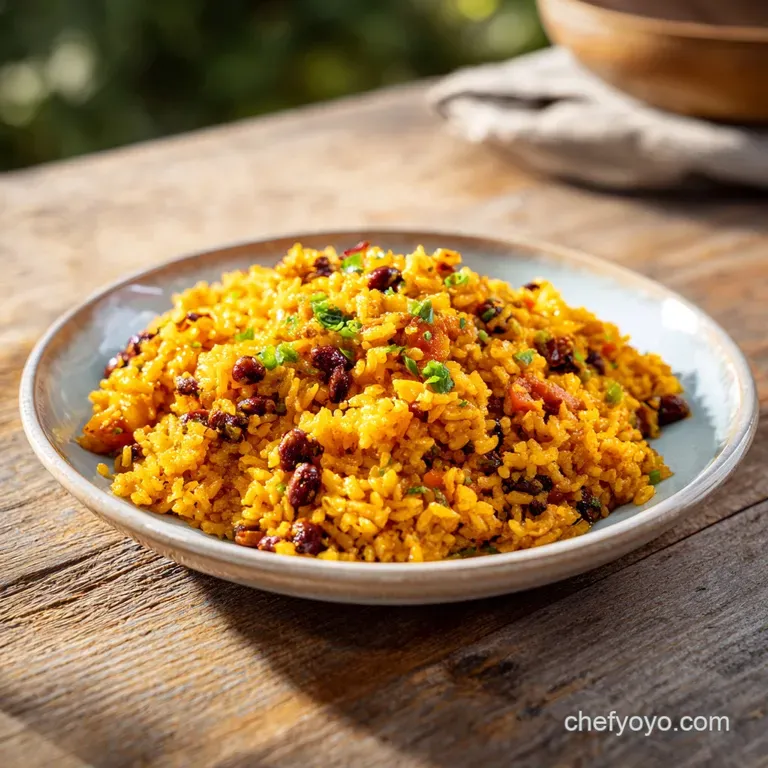
1. Build the Aromatic Base
Heat the olive oil in a large caldero or Dutch oven over medium heat. Add the diced ham or salt pork. Cook for 5 minutes until the fat renders and the edges turn golden and slightly crispy. You want that smoky aroma to fill the room before moving on.
2. The Sofrito Bloom
Stir in the 1/2 cup of sofrito. Note: This step is crucial for building the flavor foundation.Sauté for 3-4 minutes until the moisture evaporates and the scent becomes intensely pungent and herbal. You’ll smell the garlic and cilantro start to caramelize this is your first major aroma checkpoint.
3. Incorporate the Flavor Bombs
Add the tomato sauce, olives with brine, capers, Sazón, Adobo, and dried oregano. Stir well to combine. This creates a thick, dark orange paste that smells salty and savory. Sauté for another 2 minutes until the sauce begins to bubble and darken slightly.
4. The Sauté & Toast
Add the drained pigeon peas and the rinsed rice to the pot. Stir constantly for 3 minutes to coat every grain of rice with the seasoned fat. You should hear a light "crackling" sound as the rice toasts.
This ensures the Rice with Pigeon Peas stays fluffy and individual rather than clumping.
5. The Boiling Point
Pour in the 4 cups of warm water. Stir once to make sure nothing is stuck to the bottom, then taste the liquid. It should taste slightly over salted (like the ocean); if not, add a pinch more Adobo. Bring the mixture to a rolling boil over medium high heat.
6. The Reduction Phase
Keep the pot uncovered and let it boil. Cook for about 8-10 minutes until the water level drops below the surface of the rice and you see "craters" forming on top. You'll notice the aroma shifting from wet and starchy to savory and bean forward.
7. The Low & Slow Steam
Give the rice one gentle stir from the bottom to the top. Reduce the heat to the lowest possible setting. Cover the pot with a tight fitting lid. Note: If your lid isn't airtight, place a piece of aluminum foil over the pot before putting the lid on.Steam undisturbed for 20 minutes.
Resist the urge to peek!
8. The Fluff and Finish
Turn off the heat. Remove the lid and let the steam escape for a moment. Use a fork to gently fluff the rice, lifting from the bottom to bring the pigeon peas to the top. The rice should be tender, and the grains should fall away from each other easily.
9. The Pegao Reveal
Now for the best part. Use a flat spatula to scrape the bottom of the pot. You should find a layer of deep golden, crunchy rice that shatters when you press it. This is the reward for your patience.
10. Final Presentation
Transfer the rice to a large serving platter. Garnish with a handful of fresh cilantro for a pop of color. Serve immediately while the Authentic Arroz con Gandules is steaming and the crust is at its peak crunchiness. If you love the texture of perfectly handled rice, you might also enjoy learning How to Make recipe for your next taco night.
Fixing Texture and Seasoning for Flawless Rice Results
To Fix Mushy Rice
If your rice comes out gummy or mushy, it usually means there was too much water or you stirred it too much while it was boiling. You can't really "un mush" rice, but you can save the meal!
Spread the rice out on a baking sheet and pop it into a 350°F (180°C) oven for 10 minutes. This helps evaporate excess surface moisture and can firm up the grains slightly. Next time, make sure you rinse your rice thoroughly to get rid of that extra starch.
For Under Seasoned Grains
Sometimes the rice looks beautiful but tastes a bit flat. This happens if the liquid wasn't salty enough before the rice absorbed it. Do not just dump salt on top! Instead, dissolve a little bit of Adobo or salt in a tablespoon of hot water and drizzle it over the rice while you fluff it.
The steam will help distribute the seasoning more evenly.
| Problem | Root Cause | Solution |
|---|---|---|
| Rice is hard/crunchy | Not enough liquid or lid was not tight | Add 1/4 cup hot water, cover tightly with foil, and steam for 10 more mins |
| Bottom is burnt, not crispy | Heat was too high during the steaming phase | Scrape off the good rice and leave the burnt part; use a heat diffuser next time |
| Flavor is bland | Rinsed away the seasonings or skipped the sofrito sauté | Fold in more fresh cilantro and a squeeze of lime before serving |
Common Mistakes Checklist
- ✓ Rinsing the rice until the water is completely clear (prevents gummy texture).
- ✓ Sautéing the sofrito until the "raw" smell disappears.
- ✓ Using warm water instead of cold to keep the pot temperature stable.
- ✓ Never stirring the rice once the lid goes on for the final steam.
- ✓ Making sure the lid is tight (use foil if needed to seal in the steam).
- ✓ Waiting until the "craters" appear on the surface before covering.
Evolving the Classic Pot with Creative Ingredient Swaps
If you're looking for an Easy Arroz con Gandules that fits a specific diet or a quicker timeline, there are plenty of ways to pivot. For a vegan version, simply swap the ham for smoked paprika and a little extra olive oil to keep that smoky "bacon like" essence without the meat.
You can also add diced carrots or pimientos for extra color and sweetness.
If you’re feeling fancy, the Holiday Standard: Arroz con Gandules with Pernil is the ultimate pairing. The fatty, garlicky drippings from a slow roasted pork shoulder can actually be used in place of some of the olive oil in the rice for an unbelievable flavor boost. And hey, if you end up with extra rice (unlikely, I know!), it actually makes a weirdly good base for a savory version of a Rice Crispy Treats recipe style snack, though maybe keep the marshmallow away from the gandules!
Scaling the Recipe
- To Scale Down (1/2 batch): Use a smaller pot (2 quart). Reduce the water to 2 cups and the rice to 1.5 cups. The cook time remains mostly the same, but check for doneness 5 minutes earlier.
- To Scale Up (2x batch): Use a very large caldero. Double all ingredients, but only use 1.5x the salt/Adobo initially you can always add more later. You may need to extend the steaming time by 5-10 minutes because of the larger mass.
Preserving the Fragrance and Texture for Next Day Meals
Storage: Store any leftovers in an airtight container in the fridge for up to 4 days. The flavors actually meld and deepen overnight, making day two rice some of the best you'll ever have.
Freezing: This rice freezes beautifully. Let it cool completely, then portion it into freezer bags. It stays good for up to 3 months. To eat, just thaw it in the fridge overnight.
Reheating: To keep it from drying out, add a teaspoon of water per cup of rice and cover it with a damp paper towel before microwaving. If you want to revive the pegao, reheat it in a lightly oiled skillet over medium heat until the bottom gets crispy again.
Zero Waste Tip: Don't throw away the ham bones or salt pork scraps! If you didn't dice them small, save the larger pieces to flavor a pot of beans or a soup later in the week. Even the stems from the cilantro garnish can be finely minced and added to your next batch of sofrito.
Complete Your Feast with Bold and Colorful Sides
When serving Rice with Pigeon Peas, you want sides that provide contrast. Something sweet, something creamy, and something crunchy. The classic pairing is amarillos (fried sweet plantains). The sugary, caramelized edges of the plantains are the perfect foil to the salty, savory rice.
A simple avocado salad with red onions and a splash of vinegar also helps cut through the richness of the pork fat.
Chef's Note: If you're serving this for a crowd, keep the pegao on a separate small plate. It's the "cook's treat," but sharing it will make you the most popular person in the room. Just make sure to serve it while it’s still warm once it gets cold, it loses that magical shatter crisp texture.
Myths About Puerto Rican Rice
One big myth is that the "yellow color" comes from saffron. While saffron is used in Spanish paella, Puerto Rican rice gets its iconic hue from achote (annatto), usually found in Sazón packets. Achote has a much milder, more peppery flavor than the floral, expensive saffron.
Another misconception is that you need to stir the rice constantly like a risotto. In fact, stirring is the enemy here! Once you cover that pot, leave it alone. Every time you lift the lid, you let out the steam that’s doing the hard work of cooking the grains evenly.
Trust the process, trust the ratio, and your Arroz con Gandules will come out perfectly every single time.
High in Sodium
920 mg mg of sodium per serving (40% % of daily value)
The American Heart Association recommends limiting sodium intake to about 2,300mg per day.
Tips to Reduce Sodium in Your Arroz con Gandules
-
Reduce or Omit Ham/Salt Pork-25%
Ham and salt pork are significant sources of sodium. Consider using a smaller amount or replacing it with unsalted cooked chicken or pork for flavor.
-
Skip Adobo Seasoning-20%
Adobo seasoning is very high in sodium. Eliminate it completely and adjust other seasonings to taste. Consider making your own blend without salt.
-
Low-Sodium Tomato Sauce-15%
Use a low-sodium or no-salt added tomato sauce. This simple swap can significantly reduce the overall sodium content.
-
Rinse Canned Gandules Thoroughly-10%
Canned pigeon peas often contain added salt. Thoroughly rinse the gandules under running water for at least 30 seconds before adding them to the recipe.
-
Reduce or Omit Olives & Brine-10%
Spanish olives (alcaparrado) and their brine contribute sodium. Use fewer olives or opt for low-sodium olives if available, and avoid adding the brine.
-
Control Sazón Packet-5%
Sazón packets often contain MSG and sodium. Consider using half the packet and adjust other seasonings or find a low-sodium alternative.
-
Spice it Up!
Experiment with fresh herbs like cilantro, parsley, and recao to enhance flavor without adding sodium. Consider adding garlic powder or onion powder.
Recipe FAQs
What are the core ingredients for rice with pigeon peas?
Long grain white rice, pigeon peas (gandules), sofrito, ham or salt pork, tomato sauce, olives, capers, and Sazón seasoning. These components build the aromatic base, smoky depth, color, and signature salty earthy flavor profile.
What exactly are gandules (pigeon peas) in the context of this food?
Gandules are small, green pigeon peas, essential for authentic flavor. They lend an earthy, slightly nutty texture that differentiates this dish from regular white rice.
How do I fix rice with pigeon peas that has turned out hard or crunchy?
Add 1/4 cup of hot water, cover tightly with foil, and steam on the lowest setting for 10 more minutes. If the grains are still hard, the heat was too high or the liquid evaporated too fast; next time, ensure your liquid is warm before adding it.
What ingredients are necessary for Asopao de Gandules?
Asopao de Gandules requires the rice grains to be completely broken down into a thick soup base, usually including chicken broth, smoked meat, and sofrito. It focuses heavily on liquid volume for a stew like consistency, unlike dry Arroz con Gandules.
Is it true that the yellow color must come from saffron?
No, this is a common misconception. The iconic golden color in authentic Arroz con Gandules comes primarily from achiote (annatto), which is found in Sazón packets, providing color without the expensive floral notes of saffron.
How can I guarantee the rice grains stay separate and fluffy?
Rinse the rice thoroughly until the water runs clear, and sauté the dry grains in the seasoned fat before adding liquid. Rinsing removes excess starch, and the sautéing step coats the grains, preventing them from sticking together during steaming.
What is the best way to achieve the crispy bottom layer (Pegao)?
Use a heavy bottomed caldero or Dutch oven, let the liquid reduce fully, and then steam on the absolute lowest heat setting without disturbing the pot for 20 minutes. Mastering heat control in heavy pots is similar to achieving good crust development when searing meat; if you enjoy that technique, check out the principles in our Creamy Spinach Turkey recipe for flavor layering.
Rice With Pigeon Peas
Ingredients:
Instructions:
Nutrition Facts:
| Calories | 358 calories |
|---|---|
| Protein | 10.4 g |
| Fat | 6.2 g |
| Carbs | 64.5 g |
| Fiber | 3.8 g |
| Sugar | 1.9 g |
| Sodium | 920 mg |
