Roasted Bone in Chicken Thighs: Crispy Skin
- Time: 15 min active + 45 min roast
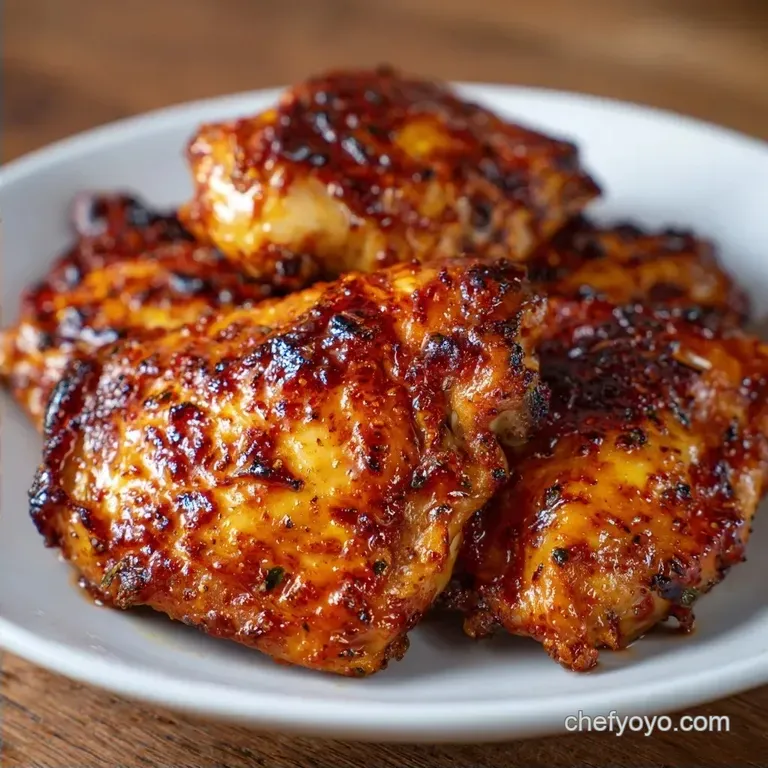
- Flavor/Texture Hook: Smoked paprika crust with shatter crisp skin
- Perfect for: Easy weeknight dinners or meal prep
- How to Nail Roasted Bone In Chicken Thighs
- The Simple Recipe Specs
- The Essential Building Blocks
- Gear for the Kitchen
- The Step-by-Step Process
- Fixing Common Roast Issues
- Troubleshooting Common Issues
- Flavor Twists to Try
- Adjusting the Batch Size
- Truths About Roasting
- Preservation and Waste Tips
- Best Sides for Chicken
- Recipe FAQs
- 📝 Recipe Card
Sizzle. That specific, aggressive sound of fat hitting a hot tray is the best part of any roast. Have you ever wondered why restaurant chicken skin feels like a thin potato chip, but at home, it often ends up feeling like wet parchment?
It usually comes down to two things: moisture and air. Most of us just toss thighs into a baking dish, but the bottom side ends up steaming in its own juices. It's a common mistake that leaves half the chicken soft and pale.
I stopped doing that once I started using a wire rack. These Roasted Bone In Chicken Thighs get hit by heat from every single side, which is the only way to get that deep gold color without overcooking the meat. It's a simple tweak, but it makes the difference between a mediocre dinner and something you actually crave.
How to Nail Roasted Bone In Chicken Thighs
Getting the skin right is the hardest part, but the secret is all in the prep. You can't just season the meat and hope for the best. I've learned that the enemy of crispiness is water. If the skin is damp, the oven spends the first twenty minutes evaporating that water instead of browning the fat.
That's why I'm obsessed with paper towels.
The heat needs to be high, too. We're going for 425°F. This temperature is the sweet spot where the skin renders out its fat and browns before the interior of the thigh dries out. Since we're using bone in meat, we have a built in safety net.
The bone conducts heat slower, keeping the meat succulent while the outside gets a hard, salty crust.
One thing to remember is the resting period. I know it's tempting to carve in immediately, but if you do, all those juices will run across the plate. Give it ten minutes. The meat relaxes, the juices redistribute, and you end up with a much more velvety texture in every bite.
The Prep Flow
To keep things from feeling chaotic, I follow a simple timeline. First, I get the oven and the rack ready. While the oven climbs to temperature, I focus on the chicken. Drying the skin happens first, then the oil, then the rub. This order ensures the spices stick without clumping.
The Cooking Flow
Once they hit the oven, it's a waiting game. But I don't just set a timer and leave. I check for the "sizzle" around the 30 minute mark. If the skin looks pale, I might move the rack to a higher shelf for the last five minutes.
The Finish Flow
The final step is the temperature check. I don't guess. I use a probe thermometer in the thickest part. Once it hits 175°F, they come out. I let them sit on the plate, skin side up, so the air keeps the crust crisp while the inside rests.
The Simple Recipe Specs
Before we get into the grit, here is why the mechanics of this roast actually work. Most people treat chicken thighs like breasts, but they are different beasts entirely. Thighs have more connective tissue and fat, which means they can handle more heat and longer times.
Airflow Efficiency: The wire rack creates a gap between the meat and the pan. This lets hot air circulate underneath, so the bottom doesn't stew in grease.
Surface Dehydration: Patting the skin dry removes the barrier of moisture. This allows the Maillard reaction to start immediately upon contact with the heat.
Collagen Breakdown: Cooking thighs to 175°F, rather than the standard 165°F for breasts, breaks down the tough connective tissue. This is what makes the meat pull away from the bone easily.
Fat Rendering: High heat melts the subcutaneous fat. This oil then "fries" the skin from the inside out, creating that shatter crisp texture.
| Method | Time | Texture | Best For |
|---|---|---|---|
| Oven (Wire Rack) | 45 min | Shatter crisp skin | Hands off dinner |
| Stovetop Sear | 30 min | Browned/Seared | Fast, over high heat meals |
| Slow Cooker | 6-8 hrs | Fall apart tender | Meal prep/Shredding |
The Essential Building Blocks
I don't use fancy ingredients here. I prefer a rub that hits the salty, smoky, and herbal notes without masking the taste of the chicken. The key is using powders rather than fresh garlic or onions, which tend to burn and turn bitter at 425°F.
Component Analysis
| Ingredient | Science Role | Pro Secret |
|---|---|---|
| Smoked Paprika | Color & Depth | Gives a "grilled" vibe without a grill |
| Sea Salt | Moisture Draw | Pulls water from skin for better browning |
| Garlic Powder | Flavor Base | Stays stable at high heat unlike fresh garlic |
| Olive Oil | Heat Conductor | Helps the rub adhere and spreads heat evenly |
Gear for the Kitchen
You don't need a professional kitchen, but a few specific tools make this easier. A rimmed baking sheet is a must, or you'll have grease dripping all over your oven floor. I always line it with parchment paper because scrubbing burnt chicken fat is a nightmare.
The wire cooling rack is the real MVP. If you don't have one, you can bunch up some aluminum foil into small balls and balance the chicken on top of those. It's a bit janky, but it provides the same airflow. Also, get a digital meat thermometer.
Guessing the doneness of a bone in thigh is a gamble you'll eventually lose.
The step-by-step Process
Now we get into the actual work. Keep your station clean and your towels handy.
- Preheat the oven to 425°F (218°C). Line a rimmed baking sheet with parchment paper and place a wire cooling rack on top.
- Use paper towels to pat the chicken thighs completely dry. Note: Focus on the skin to ensure maximum crispiness.
- In a small bowl, whisk together the sea salt, black pepper, garlic powder, smoked paprika, dried oregano, and onion powder.
- Rub the extra virgin olive oil over the chicken thighs. Note: This acts as the glue for your spices.
- Coat each piece generously with the herb rub, pressing the spices into the skin.
- Place the thighs skin side up on the wire rack.
- Roast for 35–45 minutes until the skin is deep gold and crackling.
- Use a meat thermometer to ensure the thickest part of the thigh reaches an internal temperature of 175°F (79°C).
- Transfer the chicken to a plate and let it rest for 5–10 minutes before serving.
Fixing Common Roast Issues
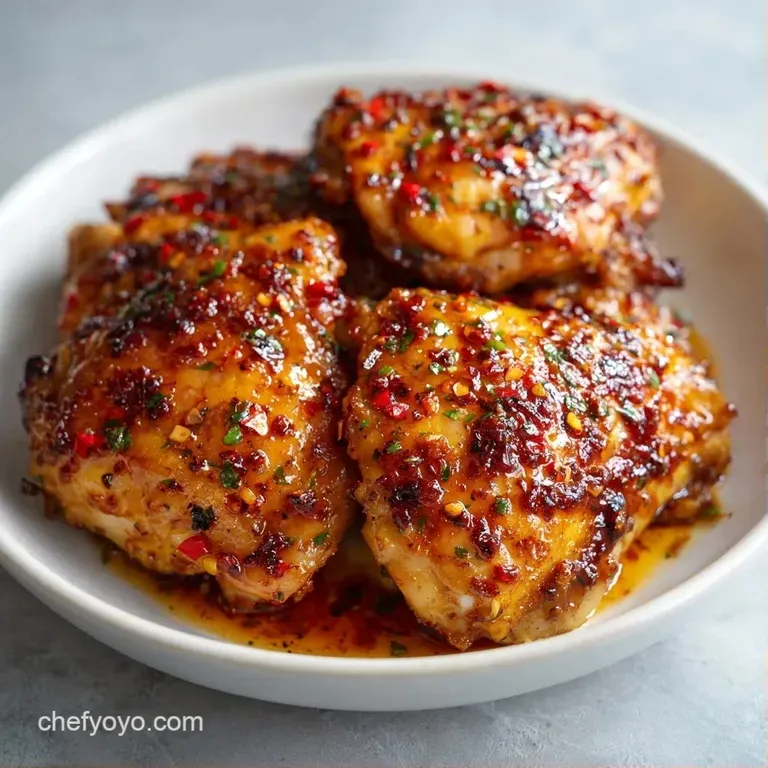
When making Roasted Bone In Chicken Thighs, things can occasionally go sideways. Usually, it's a problem with moisture or temperature. If the skin isn't crisping, you probably didn't pat it dry enough, or your oven isn't actually hitting 425°F.
Troubleshooting Common Issues
| Issue | Solution |
|---|---|
| Why Your Skin is Rubbery | This happens when steam gets trapped. If the chicken is crowded on the pan, the thighs release moisture that turns into a cloud of steam, essentially boiling the skin. |
| Why the Rub Burnt | If the spices look black rather than deep red, your oven might be running hot or the pieces are too small. |
| Why the Meat is Dry | This is rare with thighs, but it happens if you cook them to only 165°F and then over rest them, or if you use lean thighs with very little fat. |
Common Mistakes Checklist
- ✓ Did you pat the skin bone dry?
- ✓ Is there space between each thigh for airflow?
- ✓ Did you check the internal temp at the thickest point?
- ✓ Did you let the meat rest for at least 5 minutes?
- ✓ Is the oven fully preheated before the chicken goes in?
Flavor Twists to Try
Once you have the base method down, you can play with the rub. The over high heat rack method works for almost any flavor profile.
Zesty Lemon Pepper
Swap the paprika and oregano for 1 tablespoon of cracked black pepper and the zest of one lemon. Squeeze the lemon juice over the chicken after it comes out of the oven. Adding acid before roasting can sometimes break down the skin too much, preventing that shatter effect.
Mediterranean Garlic Herb
Use a mix of dried rosemary, thyme, and a pinch of cinnamon. This gives the dish a warmer, more earthy profile. I love pairing this version with a dollop of Greek yogurt or tzatziki on the side to cut through the richness.
Low Sodium Option
Replace the sea salt with a salt free lemon herb seasoning. To keep the browning, add a tiny pinch of sugar to the rub. This helps the skin caramelize even without the salt drawing out the moisture.
Adjusting the Batch Size
When adjusting your Roasted Bone In Chicken Thighs, don't just multiply everything linearly. Spices don't always scale 1:1.
Scaling Down (1-2 Thighs): Use a smaller baking sheet to keep the heat concentrated. Reduce the roasting time by about 20%, as smaller batches often cook faster due to better air circulation.
Scaling Up (8+ Thighs): Work in batches or use two separate racks. If you crowd the pan, you'll lose the crispiness. Increase the salt and paprika to about 1.5x rather than 2x, as the flavor concentrates more in larger batches.
Baking Large Quantities: If you're filling a large roasting pan, lower the temperature to 400°F and extend the time by 10-15 minutes. This prevents the outside from burning before the middle of the crowd is cooked.
Truths About Roasting
There are a few things people always say about chicken that just aren't true. Let's clear those up.
The "Seal In" Myth: You'll hear that searing meat "seals in the juices." It doesn't. Moisture loss happens regardless of how you start. The sear is purely for flavor and texture.
The Room Temp Debate: Some say you must let meat reach room temperature before cooking. While it helps with even cooking, for bone in thighs, it's not a dealbreaker. The high heat of the oven handles the temperature gradient just fine.
Preservation and Waste Tips
If you have leftover Roasted Bone In Chicken Thighs, store them in an airtight container in the fridge for 3-4 days. To reheat without losing the crunch, don't use the microwave. Put them back in the oven or an air fryer at 350°F for about 5-8 minutes.
For the freezer, these last about 3 months. I recommend freezing them without the skin if you plan to reheat them in a pan, as the skin can get a bit tacky in the freezer.
Don't throw away the bones. After you've eaten the meat, toss the bones into a pot with water, carrots, and celery to make some liquid gold bone broth. It's a waste of flavor to toss them.
Best Sides for Chicken
Since the thighs are rich and salty, you need sides that provide some acidity or freshness.
I highly recommend serving these with roasted veggies with tahini for a creamy, nutty contrast. If you want something lighter, a simple steamed garlic broccoli or a crisp cucumber salad with apple cider vinegar works wonders.
For a heartier meal, roast some halved baby potatoes and carrots on a separate tray at the same temperature. They'll finish right around the same time as the chicken, and you can toss them in the leftover pan juices for an extra punch of flavor.
My favorite way to eat these Roasted Bone In Chicken Thighs is with a side of wild rice and a squeeze of fresh lime. It's simple, comforting, and hits every taste bud. Trust me on the lime it cuts right through the fat and makes the whole dish feel lighter.
Recipe FAQs
Is it better to bake bone-in chicken thighs at 350 or 400?
Neither, 425°F (218°C) is the ideal temperature. This higher heat is necessary to render the fat and crisp the skin quickly while keeping the interior juicy.
How long does it take to roast bone-in chicken thighs?
Roast for 35 45 minutes. Always verify with a meat thermometer that the thickest part of the thigh has reached 175°F (79°C).
Can a diabetic eat baked chicken?
Yes, this is a diabetic friendly protein. The recipe relies on olive oil and dry spices rather than sugars or heavy glazes.
Do you bake bone-in chicken thighs covered or uncovered?
Always bake them uncovered. Covering the pan traps steam, which leads to rubbery skin instead of a crisp, golden finish.
How to cook bone-in chicken thighs in the oven?
Preheat the oven to 425°F and pat the chicken dry. Rub the thighs with olive oil and the herb blend, then roast skin side up on a wire rack for 35 45 minutes.
How to get the skin crispy when baking bone-in chicken thighs?
Pat the skin completely dry with paper towels before seasoning. Placing the chicken on a wire rack further ensures air circulates around the meat to prevent steaming.
What is the best way to serve roasted chicken thighs?
Serve them with a savory sauce to add richness. These thighs pair perfectly with a velvety brown gravy for a complete meal.
Roasted Bone In Chicken Thighs