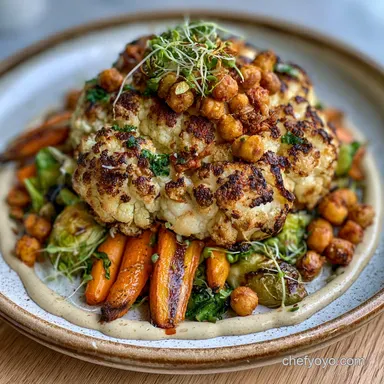
Roasted Veggies Tahini Sauce: Velvety and Charred
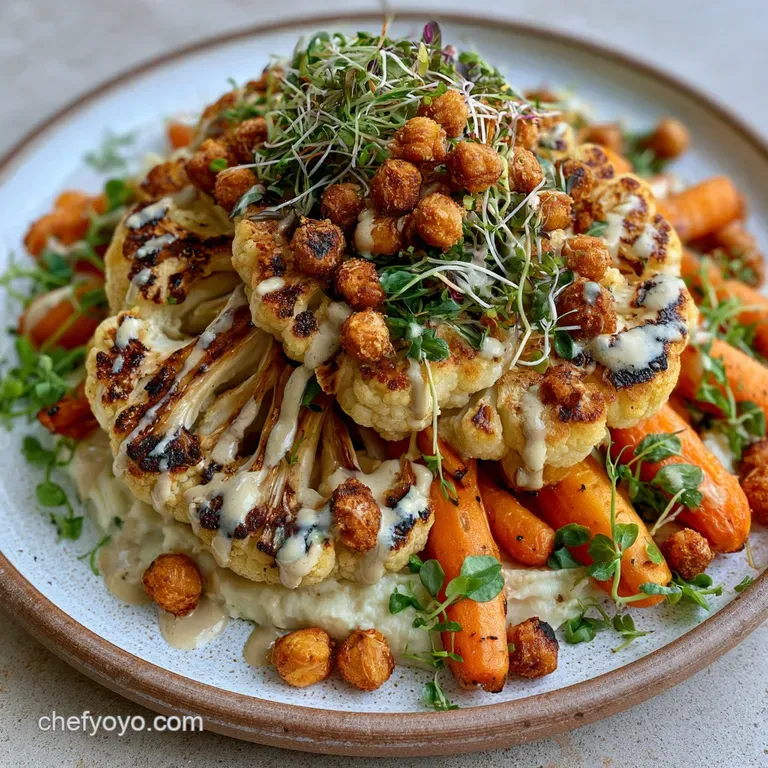
- Time: 10 min active + 30 min roasting = Total 40 mins
- Flavor/Texture Hook: Charred, nutty cauliflower with a zesty, velvety cream
- Perfect for: Wholesome weeknight dinners or healthy meal prep
Forget the idea that roasted vegetables are just a boring side dish meant to fill the gaps on a holiday platter. For too long, we've been told that the only way to make veggies "exciting" is to smother them in heavy cream or cheese.
But trust me on this, you don't need the heavy stuff when you have the right balance of acid and fat.
I remember the first time I tried making a tahini based dish for a small get together. I was convinced that the sauce needed to be blended in a high speed machine to be smooth. I spent twenty minutes fighting with a blender that kept splashing, only to realize that a simple whisk and a bit of warm water did the job better.
The real magic happened when the smell of smoked paprika hit the hot oven, and the cauliflower started to get those dark, caramelized edges.
The result was this incredible contrast - the shatter of a roasted brussels sprout meeting a sauce that feels like silk. This Roasted Veggies Tahini Sauce isn't just about the ingredients, it's about the timing and the temperature.
We're going to get those chickpeas golden and the carrots tender without turning everything into mush. Let's crack on.
Roasted Veggies Tahini Sauce Secrets
When you first look at a sheet pan of vegetables, it seems simple, but there's a lot happening under the surface. The goal here is to maximize the surface area contact between the food and the hot metal.
If you crowd the pan, the vegetables will steam instead of roast, and you'll lose that rustic, charred flavor we're after.
I've found that the key to a truly wholesome meal is the prep flow. You want your sauce whisked and ready the moment the veggies come out of the oven. There's a specific window of time where the vegetables are hot enough to slightly warm the sauce, which helps the flavors meld without breaking the emulsion.
This recipe is all about the balance. The bitterness of the tahini is cut by the brightness of the lemon, while the maple syrup adds just a hint of sweetness to mirror the natural sugars in the roasted carrots. It's a simple equation, but when it hits, it's brilliant.
The Secret to the Sizzle
Over High heat Char: Roasting at 400°F triggers a rapid breakdown of sugars in the cauliflower and carrots, creating those brown, nutty edges.
Water Tahini Dance: Adding warm water slowly allows the fat in the tahini to bond with the liquid, turning a thick paste into a pourable cream.
Acid Balance: Lemon juice breaks down the heavy feel of the sesame paste, making the sauce feel light rather than cloying.
Chickpea Crisp: Patted dry chickpeas lose their surface moisture quickly, allowing them to sizzle in the oil and become golden.
| Method | Time | Texture | Best For |
|---|---|---|---|
| Oven Roast | 30 mins | Charred & Shatter | Large batches, deep flavor |
| Stovetop | 15 mins | Soft & Sautéed | Quick meals, smaller portions |
Ingredient Deep Dive
Before we get into the pan, let's look at what these ingredients are actually doing. I don't believe in adding things "just because" - every item here has a specific job to perform in the Roasted Veggies Tahini Sauce.
| Ingredient | Science Role | Pro Secret |
|---|---|---|
| Tahini | Base Fat | Use a brand with oil on top for better flavor |
| Lemon Juice | Acid Catalyst | Roll the lemon on the counter first for more juice |
| Smoked Paprika | Flavor Depth | Bloom it in the oil briefly for a richer aroma |
| Chickpeas | Texture Contrast | Dry them with a towel to avoid steaming |
The Shopping List
When you're at the store, don't bother with the low-fat tahini or pre cut frozen veggies for this one. You want the real, rustic stuff. The natural oils in the full fat sesame paste are what give the sauce its velvety body.
The Roast Mix:
- 3 tbsp olive oilWhy this? High smoke point for roasting
- 500g cauliflower floretsWhy this? Great for absorbing sauce
- 200g carrotsWhy this? Adds natural sweetness
- 150g brussels sproutsWhy this? Adds a bitter, crispy edge
- 425g chickpeas, canned, drained and patted dryWhy this? Adds protein and crunch
- 20g garlic, smashedWhy this? Mellows out during roasting
- 1 tsp smoked paprikaWhy this? Gives a wood fired taste
- 1 tsp sea salt
- 1/2 tsp black pepper
The Sauce:
- 1/2 cup tahiniWhy this? The nutty heart of the dish
- 3 tbsp lemon juiceWhy this? Cuts through the richness
- 4 tbsp warm waterWhy this? Emulsifies the paste
- 1 tsp maple syrupWhy this? Balances the lemon acidity
- 1/2 tsp garlic powderWhy this? Consistent flavor throughout
- 1/4 tsp salt
If you can't find tahini, almond butter is a decent substitute, but it will be sweeter and less "earthy". Coconut milk can replace the water for a creamier, more tropical vibe, though it changes the profile of the Roasted Veggies Tahini Sauce significantly.
| Original Ingredient | Substitute | Why It Works |
|---|---|---|
| Tahini (1/2 cup) | Almond Butter (1/2 cup) | Similar fat content. Note: Much sweeter, less bitter than sesame |
| Maple Syrup (1 tsp) | Honey (1 tsp) | Same viscosity and sweetness. Note: Slightly more floral notes |
| Brussels Sprouts | Broccoli Florets | Similar roasting time and texture. Note: Less "nutty" than sprouts |
Right then, once you've got your ingredients prepped, the process is all about the flow. I like to get my sauce materials sitting on the counter so I'm not hunting for the lemon while the veggies are cooling.
Step by step Guide
- Preheat your oven to 400°F (200°C). Note: Make sure the rack is in the center for even airflow.
- In a large bowl, toss the cauliflower, carrots, sprouts, and chickpeas with olive oil, smoked paprika, salt, and pepper. Note: Ensure every piece is glistening with oil to prevent sticking.
- Spread the vegetables in a single layer on a large rimmed sheet pan. Ensure no overlap to maximize airflow, as this is the only way to get that shatter texture.
- Roast for 25-30 minutes. Use tongs to flip the vegetables halfway through until cauliflower has charred brown edges and chickpeas are golden.
- While the vegetables roast, combine tahini, lemon juice, maple syrup, garlic powder, and salt in a bowl.
- Whisk the sauce vigorously. Note: It might look like it's separating or "breaking" at first, but keep going.
- Slowly drizzle in warm water one tablespoon at a time.
- Continue whisking constantly until the sauce is a smooth, pale, pourable cream.
- Remove the pan from the oven and immediately drizzle the sauce over the hot vegetables or serve it on the side.
Chef's Note: If you want a deeper flavor, try adding a pinch of cumin to the roasting mix. Also, if you have a few extra minutes, roast the garlic cloves in their skins and squeeze the paste into the sauce at the end.
Fixing Common Glitches
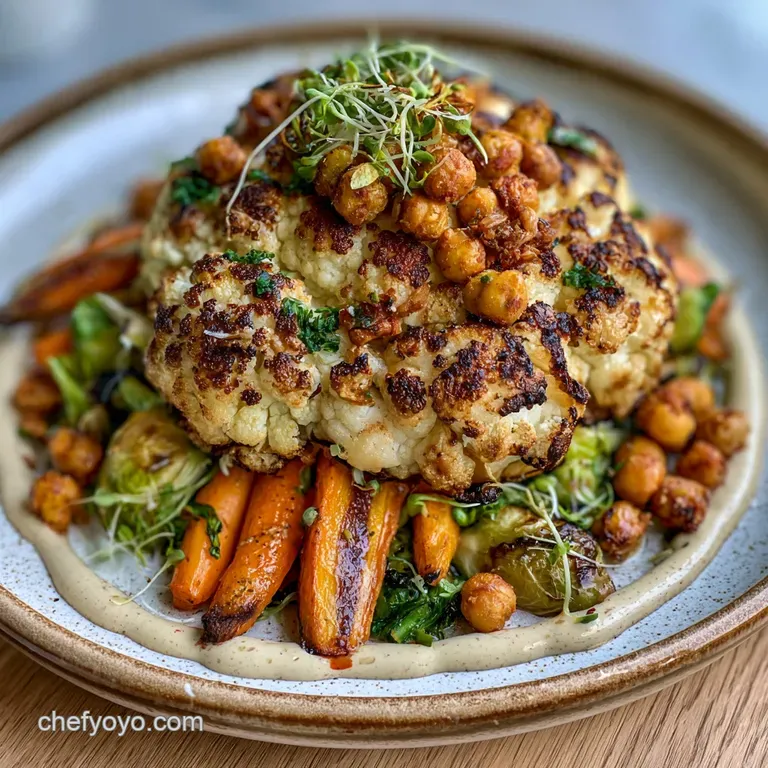
One of the biggest frustrations with this recipe is when the sauce doesn't "behave". Tahini is temperamental. If you add the water too fast, it can stay thick or become grainy. If you use cold water, the oils might not emulsify as smoothly.
Troubleshooting Common Issues
| Issue | Solution |
|---|---|
| Why Your Sauce is Too Thick | If your sauce looks more like a paste than a cream, it's usually just a lack of hydration. Tahini absorbs water differently depending on the brand. Just keep adding warm water, one teaspoon at a time, |
| Why Your Veggies are Mushy | This happens when the pan is overcrowded or the oven temperature is too low. When veggies are too close, they release steam, which boils the vegetables instead of roasting them. Use two pans if you're |
| Why the Sauce Tastes Bitter | Some tahinis are naturally more bitter than others. This is usually a sign of the sesame seeds being over roasted. The fix is simple: add an extra drizzle of maple syrup or a pinch more salt to balanc |
Common Mistakes Checklist:
- ✓ Did you pat the chickpeas completely dry?
- ✓ Is there a clear gap between vegetables on the pan?
- ✓ Did you use warm water instead of cold for the sauce?
- ✓ Did you flip the vegetables halfway through the 30 mins?
- ✓ Is the oven fully preheated before the pan goes in?
Flavor Twists to Try
Once you've nailed the base Roasted Veggies Tahini Sauce, you can start playing with the profile. I love treating this as a canvas. For example, if you're feeling a bit more adventurous, you can add a teaspoon of harissa paste to the sauce for a spicy, North African vibe.
For those who love a bit of a kick, I highly recommend pairing these veggies with my roast zucchini & peppers for a massive, colorful platter. The spicy notes of the peppers complement the nuttiness of the tahini beautifully.
For a Spicy Twist
Add a pinch of cayenne pepper to the roasting oil and stir a teaspoon of sriracha into the final sauce. This creates a heat that builds slowly, cutting through the richness of the sesame.
For a Sweet Profile
Swap the carrots for butternut squash or sweet potatoes. The extra sugars in these root vegetables caramelize deeply at 400°F, making the Roasted Veggies Tahini Sauce taste almost like a savory dessert.
For a Nut Free Version
You can use sunflower seed butter (SunButter) instead of tahini. It has a similar earthy depth and fat content, though it's slightly more pungent. Just keep the lemon juice levels high to keep it bright.
Storage and Zero Waste
The beauty of this dish is that it actually tastes better the next day, provided you store it correctly. However, I never recommend storing the vegetables already coated in sauce. The moisture in the sauce will soak into the roasted edges, and you'll lose that lovely shatter.
Store the roasted vegetables in an airtight container in the fridge for up to 4 days. Keep the sauce in a separate glass jar. When you're ready to eat, you can either drizzle the sauce cold or warm the veggies in a pan for 2-3 minutes to bring back some of the crispness.
For freezing, I'd suggest only freezing the roasted vegetables. Spread them on a tray to freeze individually before bagging them. This prevents them from turning into one giant vegetable brick. The sauce doesn't freeze well because the emulsion will break, leaving you with an oily mess.
Regarding zero waste, don't throw away those carrot tops or the cauliflower leaves! I usually toss the leaves onto the same sheet pan - they turn into salty, crispy chips that are honestly the best part of the meal. For the carrot tops, you can blend them with a bit of the tahini sauce and lemon to make a rustic pesto.
If you have a lot of vegetable scraps left over from your prep, save them in a freezer bag. You can use them to create a rich base, similar to how I make my bone broth, though a vegetable version is naturally vegan and just as hearty.
Serving Suggestions
This Roasted Veggies Tahini Sauce is versatile enough to be a main or a side. If you're serving it as a dinner, I like to lay the vegetables over a bed of fluffy quinoa or farro. The grains soak up the extra sauce, making every bite feel substantial.
Another great option is to serve it "Meze style". Put the roasted vegetables in a large bowl, dollop a generous amount of the sauce in the center, and surround it with fresh parsley, pomegranate seeds, and a few slices of warm pita bread. The pop of the pomegranate adds a tartness that wakes up the whole dish.
If you're looking for more inspiration on how to use tahini style dressings, Bon Appetit has some great ideas for incorporating miso into these kinds of sauces for an extra layer of umami.
Decision Shortcut:
- If you want a hearty meal → Serve over quinoa with feta cheese.
- If you want a light lunch → Serve over a bed of fresh baby spinach.
- If you want a party platter → Add pomegranate seeds and toasted pine nuts.
Right then, you're all set. The combination of the 400°F roast and that velvety dressing makes the Roasted Veggies Tahini Sauce a staple in my house. It's wholesome, it's rustic, and it proves that plants can be the star of the show without any fuss. Let's get roasting!
High in Sodium
810 mg 810 mg of sodium per serving (35% 35% of daily value)
The American Heart Association recommends a daily limit of 2,300mg of sodium to help manage blood pressure and reduce the risk of heart disease.
Tips to Reduce Sodium
-
Eliminate Roast Salt-25%
Remove the 1 tsp of sea salt from the vegetable mix. The smoked paprika already provides a bold flavor profile that reduces the need for salt.
-
Omit Sauce Salt-25%
Remove the 1/4 tsp of salt from the tahini dressing. The acidity from the lemon juice will naturally enhance the other flavors.
-
Swap Chickpeas-20%
Use no-salt added canned chickpeas or rinse the canned chickpeas thoroughly under cold water to remove up to 40% of the sodium from the brine.
-
Enhance with Aromatics
Add freshly minced garlic, lemon zest, or an extra pinch of black pepper to boost the taste without adding any sodium.
Recipe FAQs
How to prepare the roasted vegetables?
Toss cauliflower, carrots, sprouts, and chickpeas with olive oil, smoked paprika, salt, and pepper. Spread them in a single layer on a sheet pan and roast at 400°F (200°C) for 25-30 minutes, flipping halfway through.
How to get a smooth tahini sauce?
Whisk tahini, lemon juice, maple syrup, garlic powder, and salt. Slowly drizzle in warm water one tablespoon at a time while whisking constantly. If you nailed the stable emulsion here, use the same whisking method in our creamy horseradish sauce.
Why are my roasted vegetables mushy?
Your pan is likely overcrowded. When vegetables overlap, they release steam and boil rather than roasting. Use multiple pans to ensure they stay in a single layer for maximum airflow.
How to store the vegetables and sauce?
Place roasted vegetables in an airtight container and keep the sauce in a separate jar. This prevents the moisture from the sauce from soaking into the roasted edges and ruining the crisp texture.
Is it true that storing the vegetables already coated in sauce is the best way to keep them fresh?
No, this is a common misconception. Pre-coating the vegetables leads to soggy edges, which destroys the characteristic shatter texture of the roast.
What are some common seasonings for roasted vegetables?
Smoked paprika, sea salt, and black pepper are the primary seasonings here. These ingredients provide a smoky, savory balance that complements the creaminess of the tahini sauce.
How to meal prep this for healthy eating?
Roast the vegetables and prepare the sauce in separate containers. Store in the fridge for up to 4 days and reheat the vegetables in a pan for 2-3 minutes to restore crispness before drizzling with sauce.
Roasted Veggies Tahini Sauce