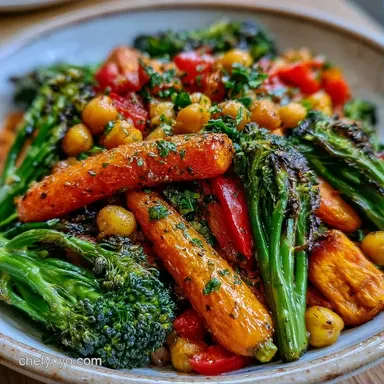
Sheet Pan Veggie Bowl: Roasted and Hearty
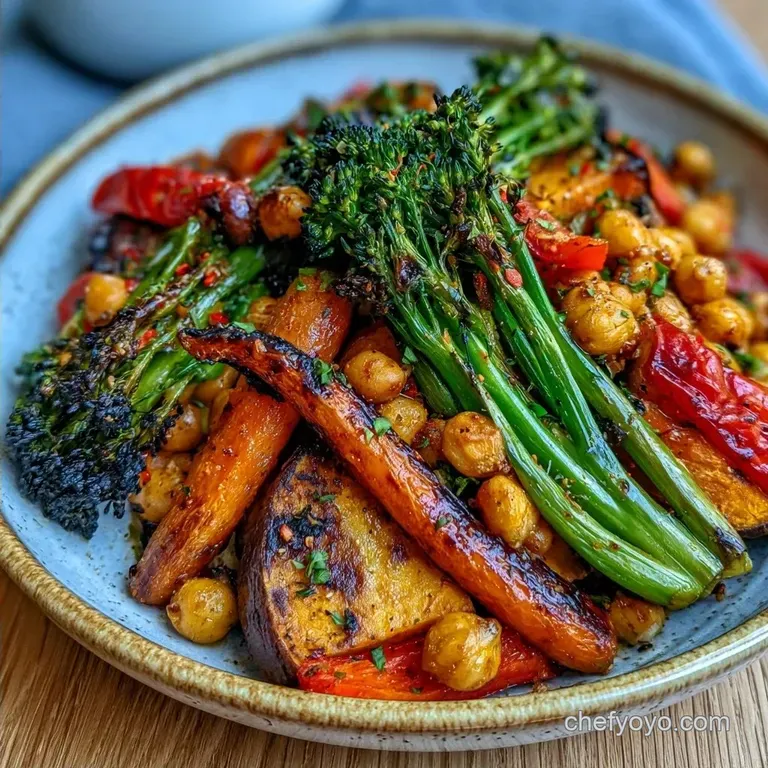
- Time: 15 min active + 40 min roasting = Total 55 min
- Flavor/Texture Hook: Charred broccoli tips paired with a nutty, creamy drizzle
- Perfect for: Weeknight meal prep or a healthy plant based dinner
- Sheet Pan Veggie Bowl
- The Secret to the Crunch
- The Full Recipe Specs
- Gathering Your Ingredients
- The Right Kitchen Tools
- Following the Cooking Flow
- Solving Common Cooking Problems
- Troubleshooting Common Issues
- Mixing Up Your Bowl
- Storing and Warming Leftovers
- Ways to Serve It
- Recipe FAQs
- 📝 Recipe Card
Sheet Pan Veggie Bowl
That smell of smoked paprika hitting a hot oven is honestly one of my favorite things. I remember one specific Tuesday last November when I was completely wiped out from work. I had a fridge full of random vegetables and zero energy to stand over a stove stirring a pot for an hour.
I just wanted something that felt like a hug in a bowl but didn't require me to do a mountain of dishes.
I tossed everything onto one tray, thinking it would all cook at the same speed. Big mistake. I ended up with burnt broccoli and raw sweet potato chunks. It was a disaster. But that's how I figured out the staggered roast.
By giving the root vegetables a head start, everything hits the finish line at the exact same time. Now, this is my go to for an Easy Sheet Pan Veggie Bowl when I need something nourishing without the stress.
You can expect a meal that hits every note. You've got the earthiness of the quinoa, the shatter crisp edges of the chickpeas, and a sauce that ties it all together. It's not about being fancy, it's just about getting the timing right so you don't end up with a soggy mess.
Let's get into how to actually make this happen.
The Secret to the Crunch
I used to wonder why my home roasted veggies never looked like the ones in magazines. Usually, they were just soft and steamed. Then I started paying attention to how moisture behaves on a tray.
The Space Rule: Overcrowding the pan creates steam, which makes vegetables mushy. Giving each piece of veg its own "breathing room" lets the dry heat blast the surfaces.
Staggered Heat: Root vegetables take way longer to break down than leafy greens. Roasting them in two stages ensures the carrots are tender and the broccolini is charred, not turned to ash.
Chickpea Drying: Water is the enemy of the crunch. Patting chickpeas bone dry before oiling them allows the skin to crisp up instead of simmering in its own liquid.
Oil Coating: A thin, even layer of fat conducts heat directly into the vegetable. This is what creates those brown, caramelized edges that taste so savory.
Taming the Tahini: Tahini is a thick paste that often "seizes" or clumps when you add acid like lemon juice. Adding warm water slowly thins it out into a velvety consistency that clings to the veggies.
| Method | Time | Texture | Best For |
|---|---|---|---|
| Oven Roast | 40 mins | Charred & Concentrated | Deep flavor and meal prep |
| Stovetop Sauté | 15 mins | Tender & Juicy | Quick bites, smaller portions |
I've found that while the stovetop is faster, it doesn't give you that concentrated, sweet flavor you get from the oven. If you love a really deep roast on your roots, check out how I handle Kumara Fries to see how high heat transforms a simple potato.
The Full Recipe Specs
When you're breaking down the components of a Pan Veggie Bowl, it's helpful to understand what each part is doing for the final bite. It's not just a pile of plants, it's a balance of fats, acids, and proteins.
| Ingredient | Science Role | Pro Secret |
|---|---|---|
| Sweet Potato | Starch Base | Cut into 1 inch cubes for even cooking |
| Chickpeas | Protein/Crunch | Roast them with the roots for maximum shatter |
| Tahini | Emulsifier | Use warm water to prevent the sauce from splitting |
| Lemon Juice | Brightener | Adds acidity to cut through the heavy tahini fat |
It is important to note that the quinoa acts as the anchor. Without a grain, the bowl feels like a side dish. With it, it becomes a full, satisfying meal. According to Serious Eats, the way you roast your vegetables can significantly change the nutrient density and flavor profile depending on the temperature used.
Gathering Your Ingredients
For this recipe, I stick to a specific list to keep the flavors balanced. Don't be afraid to swap things out, but keep the "roles" the same (one root, one green, one crunch).
The Roasted Base
- 1 lb sweet potatoes, cubedWhy this? Natural sweetness and creamy interior
- 1 lb carrots, sliced into roundsWhy this? Earthy sweetness and structural bite
- 1 head broccolini or broccoli floretsWhy this? Adds a slight bitterness and charred tips
- 1 red bell pepper, choppedWhy this? Pop of color and juicy sweetness
- 1 can (15 oz) chickpeas, drained and rinsedWhy this? Plant based protein and crispy texture
- 3 tbsp extra virgin olive oilWhy this? High smoke point for roasting
- 1 tsp garlic powderWhy this? Even distribution of flavor
- 1 tsp smoked paprikaWhy this? Adds a woody, campfire depth
- 1/2 tsp kosher saltWhy this? Enhances all natural flavors
- 1/4 tsp black pepperWhy this? Subtle heat
The Creamy Tahini Drizzle
- 1/4 cup tahiniWhy this? Rich, nutty creaminess
- 2 tbsp lemon juiceWhy this? Sharp acidity for balance
- 1 tbsp maple syrupWhy this? Mellows out the tahini bitterness
- 2 tbsp warm waterWhy this? Thins the sauce without adding fat
- 1 clove garlic, mincedWhy this? Sharp, fresh aromatic punch
The Finishers
- 2 cups cooked quinoaWhy this? Nutty, protein rich base
- 1/4 cup fresh parsley, choppedWhy this? Fresh, grassy contrast
- 1 tbsp toasted sesame seedsWhy this? Extra nuttiness and visual appeal
| Original Ingredient | Substitute | Why It Works |
|---|---|---|
| Tahini (1/4 cup) | Almond Butter (1/4 cup) | Similar fat content. Note: Sweeter and less bitter than tahini |
| Quinoa (2 cups) | Brown Rice (2 cups) | Hearty grain. Note: Chewier texture, slightly less protein |
| Broccolini (1 head) | Cauliflower (1 small head) | Roasted similarly. Note: Milder flavor than broccolini |
| Maple Syrup (1 tbsp) | Honey (1 tbsp) | Natural sweetener. Note: Slightly more floral taste |
Right then, before we move to the steps, make sure your oven is actually preheated. Putting veggies into a lukewarm oven is the fastest way to get a soggy Sheet Pan Veggie Bowl.
The Right Kitchen Tools
You don't need a professional kitchen for this, but a few specific tools make the flow much smoother. If you're using a cheap, thin baking sheet, keep an eye on the bottom of your carrots, as they can burn faster.
- Rimmed Baking Sheet: The rim is crucial so the olive oil doesn't drip onto your oven floor and cause a smoke alarm incident.
- Parchment Paper: I never roast without this. It prevents sticking and makes cleanup a 10 second job.
- Large Mixing Bowl: You need plenty of room to toss the vegetables without them flying off the counter.
- Whisk: A small whisk is better than a fork for the tahini sauce to ensure it's velvety.
- Paper Towels: Specifically for the chickpeas. Trust me, the drier they are, the better they shatter.
Chef's Note: If you have a convection oven, use the fan setting. It circulates the air better, which helps the vegetables brown more evenly without having to flip them as often.
Following the Cooking Flow
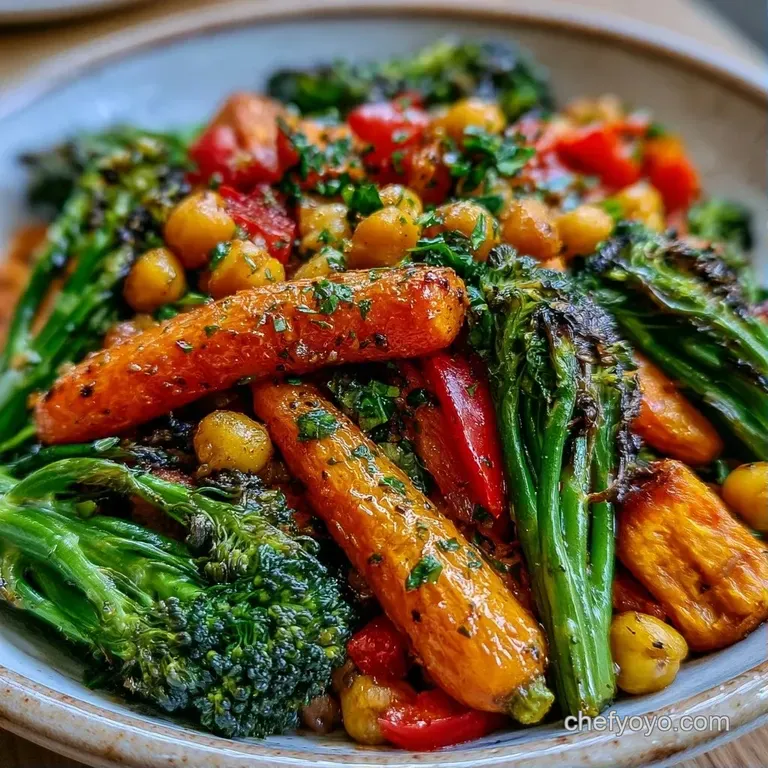
This is where the timing comes in. We're doing a two stage roast to make sure nothing gets overcooked.
1. Prepping the Produce
Preheat your oven to 400°F (200°C) and line your large rimmed baking sheet with parchment paper. Grab your chickpeas, drain them, and pat them thoroughly dry with paper towels. Wait until they feel almost tacky to the touch before moving on.
2. Seasoning the Mix
In your large bowl, combine the cubed sweet potatoes, sliced carrots, and those dried chickpeas. Drizzle with 2 tablespoons of olive oil and sprinkle in the garlic powder, smoked paprika, salt, and pepper. Toss everything well until every piece is glistening.
3. The First Roast
Spread the sweet potato, carrot, and chickpea mixture in a single layer on your prepared sheet. Roast for 20 minutes. Check for a slight golden edge on the potatoes before proceeding.
4. Adding the Quick Roast Veggies
Pull the pan out of the oven. Push the root veggies aside slightly to make room for the broccolini and chopped red bell pepper. Drizzle the remaining 1 tablespoon of olive oil over these new additions and give them a quick toss.
5. The Final Char
Return the pan to the oven for another 15-20 minutes. Cook until the broccolini tips are charred and the red peppers look slightly blistered. This is when the aroma in the kitchen becomes incredible.
6. Emulsifying the Sauce
While the veggies are finishing up, whisk the tahini, lemon juice, maple syrup, and minced garlic in a small bowl. Slowly whisk in the warm water. Continue until the sauce is velvety and pours easily. If it's too thick, add one more teaspoon of water.
7. Assembling the Bowls
Scoop your cooked quinoa into four separate bowls. Top each with a generous portion of the roasted vegetable mixture from your Sheet Pan Veggie Bowl.
8. The Finishing Touches
Drizzle the tahini sauce over the top. Garnish with the chopped parsley and toasted sesame seeds. Serve immediately while the veggies are still sizzling.
Solving Common Cooking Problems
Even with a plan, things can go sideways. Usually, it's a matter of moisture or heat distribution. If your vegetables aren't hitting the mark, it's likely one of these three things.
Troubleshooting Common Issues
| Issue | Solution |
|---|---|
| Why Your Vegetables Are Soggy | This usually happens because the pan was too crowded. |
| Why Your Sauce Split | Tahini can be temperamental. If you add the lemon juice too quickly or use ice cold water, the fat and water can separate. The key is the warm water and a steady whisking motion. |
| Why Your Garlic Burnt | If you used fresh minced garlic on the pan instead of garlic powder for the first roast, it likely burnt. Fresh garlic has a very short window before it turns bitter and black at 400°F. |
Common Mistakes Checklist
- ✓ Did you pat the chickpeas completely dry?
- ✓ Is there space between the vegetables on the tray?
- ✓ Did you roast the roots for 20 minutes before adding the greens?
- ✓ Is the oven fully preheated to 400°F?
- ✓ Did you use warm water for the tahini sauce?
Mixing Up Your Bowl
One of the best things about a Pan Veggie Bowl is that it's a template, not a strict law. Once you have the timing down, you can play with the flavors.
Shifting the Flavor Profile If you want something more Mediterranean, swap the smoked paprika for dried oregano and add some kalamata olives at the very end. For a more Asian inspired vibe, use soy sauce and ginger in the roast and swap the tahini for a peanut lime dressing.
Swapping the Protein While chickpeas are the classic choice for this Sheet Pan Veggie Bowl, you can use cubed firm tofu. Just press the tofu for 20 minutes to get the water out, cube it, and roast it along with the sweet potatoes.
Adjusting for Low Carb If you're skipping the quinoa, you can use a bed of baby spinach or massaged kale. The heat from the roasted vegetables will slightly wilt the greens, making them a great base.
Adding a Zesty Crunch For an extra layer of texture, try adding toasted pumpkin seeds or pomegranate seeds on top. The burst of sweetness from the pomegranate cuts through the richness of the tahini perfectly.
| If you want X... | ...do Y |
|---|---|
| More Protein | Add 1/2 cup of canned black beans |
| Extra Tang | Add a tablespoon of capers to the finish |
| Lower Calories | Replace quinoa with cauliflower rice |
I've found that adding a bit of feta cheese to the top of this dish makes it feel like a restaurant meal, but keep it separate if you're serving people who are vegan.
Storing and Warming Leftovers
If you're using this for meal prep, you've got a few options. The biggest challenge is keeping the textures from becoming one big mushy pile.
Fridge Storage Store the roasted vegetables and the quinoa in one airtight container, but keep the tahini sauce in a separate small jar. This prevents the vegetables from soaking up all the sauce and getting soggy. It'll stay fresh for about 4 days.
Freezing Tips You can freeze the roasted vegetables and quinoa for up to 3 months. However, don't freeze the tahini sauce, as it will separate and lose its velvety texture. Thaw in the fridge overnight before reheating.
Reheating Guidelines To bring back the sizzle, avoid the microwave if you can. Pop the vegetables back in the oven at 350°F for about 10 minutes.
If you must use a microwave, do it in short bursts and accept that the chickpeas won't be as crispy as they were on day one.
Zero Waste Hacks Don't throw away your carrot tops! I usually blend them with a bit of olive oil, lemon, and garlic to make a quick pesto. Also, if you have leftover quinoa, you can stir it into a breakfast porridge or use it to thicken a soup.
Ways to Serve It
The way you present this dish changes the whole experience. While a bowl is the standard, you can get creative depending on who you're feeding.
For a more formal dinner, instead of a bowl, arrange the roasted vegetables on a large platter and drizzle the sauce over the top in a zig zag pattern. Serve the quinoa on the side. It looks much more like a shared feast.
If you're packing this for lunch, put the quinoa at the bottom, then the vegetables, and keep the sauce in a tiny container. When you're ready to eat, shake the bowl and drizzle the sauce on. It's a great way to keep the components distinct.
For those who love a cozy, comforting vibe, this pairs beautifully with other hearty sides. While this is a full meal, if you're hosting a big group, you could serve it alongside a Broccoli Casserole recipe for a total vegetable celebration.
Right then, you've got the plan. Just remember the two main rules: don't crowd the pan and give those roots a head start. Once you master the timing of your Sheet Pan Veggie Bowl, you'll find yourself making it every single week. It's simple, comforting, and actually works. Let's get roasting!
Recipe FAQs
How to prepare the vegetables for roasting?
Preheat oven to 400°F and line a baking sheet with parchment paper. Toss cubed sweet potatoes, sliced carrots, and dried chickpeas with olive oil and seasonings before spreading them in a single layer.
Which vegetables are included in this sheet pan bowl?
This recipe uses sweet potatoes, carrots, broccolini, and red bell pepper. If you enjoy these flavors, you can apply similar roasting principles to roasted cauliflower.
Why are my roasted vegetables soggy?
You likely crowded the baking sheet. This prevents steam from escaping, so ensure the vegetables are spread in a single layer to allow for proper caramelization.
How to meal prep these veggie bowls for the week?
Store the roasted vegetables and quinoa together in one airtight container. Keep the tahini sauce in a separate jar to prevent the vegetables from becoming mushy.
Why did my tahini sauce separate or split?
The lemon juice was likely added too quickly or the water was too cold. Use warm water and a steady whisking motion to achieve a velvety consistency.
Is it true that fresh garlic can be roasted on the pan for the entire cooking time?
No, this is a common misconception. Fresh garlic burns quickly at 400°F and becomes bitter, which is why garlic powder is used for the initial roast.
How to make the tahini sauce velvety?
Whisk tahini, lemon juice, maple syrup, and minced garlic together. Slowly add warm water while whisking until the sauce reaches a pourable consistency.
Sheet Pan Veggie Bowl