Shrimp Tempura Roll: Warm Crunch & Silky Avocado
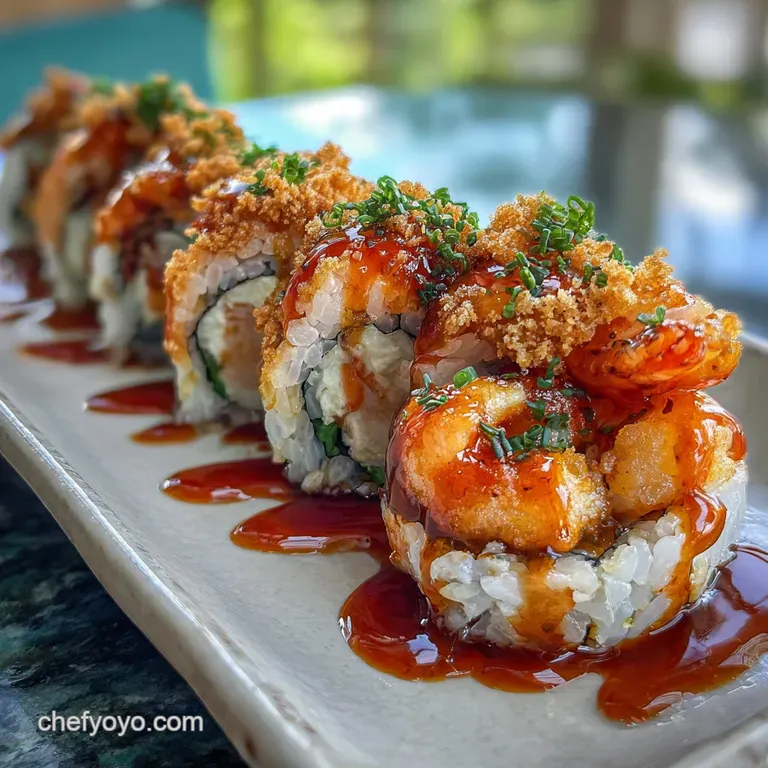
- Time: Active 30 minutes, Passive 15 minutes, Total 45 minutes
- Flavor/Texture Hook: A contrast of warm, golden crunch and silky avocado
- Perfect for: Date nights or a creative weekend culinary project
- Crafting the Crispiest Shrimp Tempura Roll
- Key Preparation Details
- Vital Elements and Ratios
- Required Kitchen Gear
- Step by Step Assembly Guide
- Resolving Common Texture Issues
- Personalizing Your Roll
- Handling Leftovers and Storage
- Beautiful Plating and Garnishes
- High in Sodium ⚠️
- Recipe FAQs
- 📝 Recipe Card
Crafting the Crispiest Shrimp Tempura Roll
The first time I tried to make a Shrimp Tempura Roll at home, it was a literal disaster. I thought I could just throw some frozen breaded shrimp into a roll with some mushy rice and call it a day. The result? A soggy, flavorless cylinder that fell apart before it even hit the soy sauce.
I realized quickly that the magic isn't just in the ingredients, it's in the temperature and the timing. When you hear that high pitched hiss as the cold batter hits the 350°F oil, you know you're on the right track for that ethereal, airy crunch.
There is something deeply satisfying about the ritual of preparing sushi. It's about the feel of the sticky Japanese short grain rice between your fingers and the way the sharp knife glides through the seaweed. You aren't just making dinner, you're building layers of texture.
I love the way the warm, fried shrimp interacts with the cold, crisp cucumber and the buttery avocado. It's a sensory loop that keeps you coming back for just one more piece.
We are going to skip the shortcuts and focus on what actually works in a home kitchen. You don't need a professional deep fryer or a sushi degree. You just need ice cold water, a decent pot of rice, and the patience to wait for that perfect golden hue.
Trust me, once you bite into a roll where the tempura is still crackling, you'll never look at those supermarket sushi trays the same way again. It's all about the contrast.
Key Preparation Details
Success in this kitchen project relies on hitting your marks. If the oil is too cool, the batter drinks it up and becomes greasy. If the rice isn't seasoned while it's hot, the vinegar won't penetrate the grain. We are aiming for precision to get that fusion of authentic flavors and contemporary presentation.
Frying Method Comparison
| Method | Time | Texture | Best For |
|---|---|---|---|
| Traditional Deep Fry | 2-3 minutes | Maximum shatter crisp | Authentic restaurant quality |
| Air Fryer (Pre cooked) | 5-6 minutes | Firm but less airy | Reheating or lower fat |
| Shallow Pan Fry | 4 minutes | Crispy but uneven | Saving on neutral oil usage |
Cooking the rice correctly is the foundation of any roll. We use 2 cups of Japanese short grain rice and 2.25 cups of water because this specific ratio ensures the grains stay distinct and toothsome rather than turning into a singular block of starch. You want to see individual grains, not a paste.
Vital Elements and Ratios
The Physics of the Shatter Crisp The secret to the coating lies in the carbon dioxide bubbles in sparkling water combined with keeping the batter ice cold to inhibit gluten development.
This prevents the coating from becoming bread like and instead creates a fragile, web like structure that shatters upon impact.
Component Analysis Table
| Ingredient | Science Role | Pro Secret |
|---|---|---|
| Cornstarch | Lowers protein content | Mix with flour to prevent heavy browning |
| Sparkling Water | Leavening agent | Use it straight from the freezer for max lift |
| Rice Vinegar | Starch modification | Season the rice while steaming hot to lock in shine |
| Baking Powder | pH balance | Adds micro bubbles for a lighter, lacy finish |
When selecting your seafood, look for 16/20 count shrimp. These are large enough to span the length of the nori sheet once straightened. If you use smaller shrimp, the ratio of rice to protein feels off. You can find similar textural success in my Crispy Jonah Crab recipe which uses a very similar batter technique.
For the Sushi Rice
- 2 cups (400g) Japanese short grain rice: Essential for the right stickiness.
- 2.25 cups (530ml) water: The precise hydration for a firm grain.
- 0.25 cup rice vinegar: Provides the signature tang. Why this? Breaks down heavy starches and adds a bright flavor profile.
- 2 tbsp granulated sugar: Balances the acidity of the vinegar.
- 1 tsp sea salt: Sharpens all the other flavors.
For the Shrimp Tempura
- 12 large shrimp (16/20 count): Peeled and deveined, tail on or off based on preference.
- 0.5 cup (60g) all purpose flour: The base of our coating.
- 0.5 cup (60g) cornstarch: Essential for that light, non greasy crunch.
- 1 tsp baking powder: Helps the batter expand in the hot oil.
- 1 large egg yolk: Adds fat and structure to the delicate crust.
- 0.75 cup (180ml) ice cold sparkling water: The bubbles are your best friend here.
- 2 cups neutral oil: High smoke point oil like canola or grapeseed.
For the Roll Assembly
- 4 sheets nori seaweed: The structural integrity of our roll.
- 1 large avocado: Provides a velvety contrast to the crunch. Why this? High fat content mimics the richness of expensive fatty tuna.
- 1 Japanese cucumber: For a refreshing, clean snap in every bite.
Ingredient Substitutions
| Original Ingredient | Substitute | Why It Works |
|---|---|---|
| Sparkling Water | Ice cold light beer | The bubbles and alcohol inhibit gluten similarly |
| Rice Vinegar | Apple cider vinegar | Similar acidity level. Note: Adds a slight fruity note |
| Japanese Cucumber | English cucumber | Similar low seed count and thin skin |
Required Kitchen Gear
You don't need a lot of gadgets, but a bamboo rolling mat (makisu) is non negotiable for getting that tight, professional shape. If you don't have one, you can use a thick kitchen towel covered in plastic wrap, but it’s much harder to control the pressure.
A sharp knife is also vital; a dull blade will tear the nori and squish your beautiful avocado.
A heavy bottomed pot or a cast iron Dutch oven is best for frying. It holds the temperature steady, which is the most important factor once you start dropping cold shrimp into the oil. I also recommend a "hangiri" (wooden bowl) for seasoning the rice, though any large glass or ceramic bowl will do in a pinch.
Avoid metal bowls for the rice, as the vinegar can sometimes react with the surface and give the rice a metallic tang.
step-by-step Assembly Guide
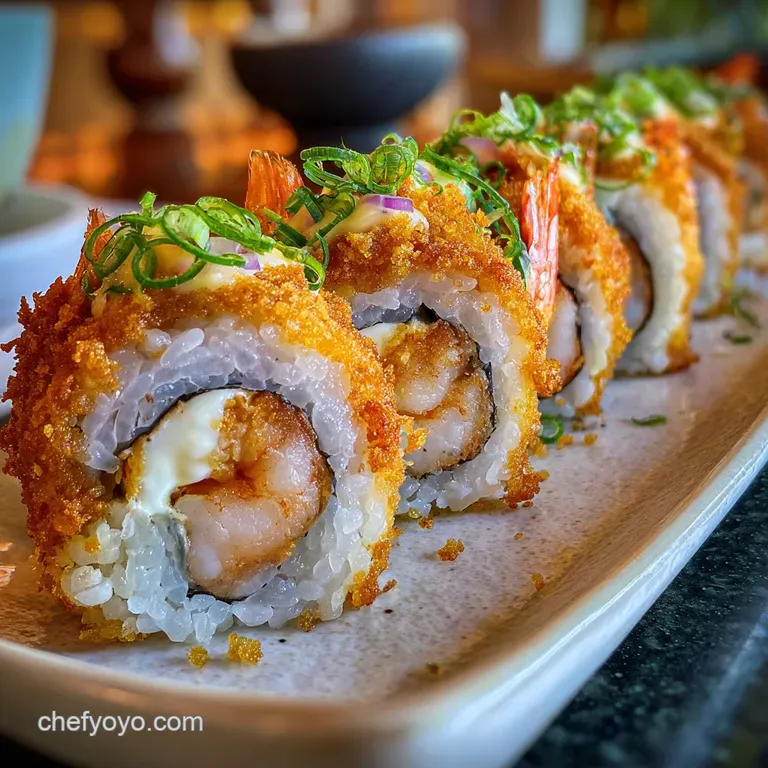
Prepping the Shrimp and Rice
- Wash the rice. Rinse the 2 cups of rice in cold water until the water runs clear, which usually takes about 4-5 rinses. Note: This removes excess surface starch that makes rice gummy.
- Cook the rice. Combine rice and 2.25 cups water in a rice cooker or pot; cook until tender and the water is fully absorbed.
- Season the grains. While the rice is hot, fold in the vinegar, sugar, and salt gently with a wooden paddle. Note: Use a slicing motion to avoid crushing the grains.
- Straighten the shrimp. Make 3-4 small nicks on the underside of each shrimp and press down until you feel the "pop" of the tendon. until the shrimp stays flat and long.
Frying to Golden Perfection
- Heat the oil. Bring 2 cups of neutral oil to 350°F (175°C) in a deep pot.
- Mix the batter. Whisk the egg yolk and sparkling water, then quickly stir in the flour, cornstarch, and baking powder. Note: Leave a few lumps; over mixing creates a tough, bready crust.
- Fry the shrimp. Dip the straightened shrimp into the batter and drop into the oil. until they are light golden and floating (about 2 minutes).
- Drain the tempura. Place the fried shrimp on a wire rack or paper towels. until the excess oil has dripped away.
Final Roll Construction
- Spread the rice. Place a sheet of nori on the mat and spread a thin layer of rice over the surface, leaving a 1 inch border at the top.
- Layer the fillings. Place 3 shrimp, cucumber spears, and avocado slices in the center of the rice. until the fillings are evenly distributed.
- Roll and seal. Lift the mat and roll over the fillings, applying firm but gentle pressure. until the roll is a tight cylinder.
- Slice the roll. Use a wet, sharp knife to cut the roll into 8 even pieces. until the blade passes through the nori cleanly.
Chef's Tip: To keep the rice from sticking to your hands, keep a small bowl of water mixed with a splash of rice vinegar (tezu) nearby. Dip your fingers in before handling the rice every single time.
Resolving Common Texture Issues
The biggest challenge with any fried roll is the transition from the kitchen to the plate. Steam is the enemy of crunch. If you roll the shrimp while it is still steaming hot and immediately wrap it in nori, the moisture will migrate into the crust and the seaweed, making everything rubbery.
Fixing Soft Tempura
If your tempura isn't shattering when you bite into it, your oil temperature likely dropped too low. Always fry in small batches of 3 or 4 shrimp. If you overcrowd the pot, the temperature plummets, and the shrimp will boil in the oil rather than crisping.
Correcting Loose Rolls
A loose roll usually happens because there is too much filling or the rice wasn't spread all the way to the edges of the nori. Make sure your "anchor" (the strip of nori at the top) is slightly damp so it sticks to itself when you complete the rotation.
Quick Fix Troubleshooting Table
| Problem | Root Cause | Solution |
|---|---|---|
| Rice is mushy | Too much water or over stirring | Use a 1:1.1 rice to water ratio and "slice" when seasoning |
| Nori is chewy | Moisture from hot rice | Let rice cool to slightly above room temp before spreading |
| Tempura falls off | Shrimp was too wet | Pat shrimp dry and dredge in a little dry flour before battering |
Common Mistakes Checklist
- ✓ Never use warm water for the batter; it must be ice cold to prevent gluten.
- ✓ Don't skip the shrimp straightening step or they will curl and ruin the roll's shape.
- ✓ Ensure your knife is freshly sharpened and wet it between every single cut.
- ✓ Don't over season the rice; the flavors should be subtle to let the shrimp shine.
- ✓ Avoid using old oil, which can impart a heavy, fishy taste to the delicate batter.
Personalizing Your Roll
While the classic cucumber and avocado combo is a staple, you can easily shift the flavor profile. If you want a more "Cajun fusion" vibe, you might draw inspiration from the spice levels in an Authentic Shrimp Etouffee recipe by adding a dash of cayenne to the tempura flour. It gives it a beautiful orange hue and a back of-the throat kick that works surprisingly well with soy sauce.
Adding Spicy Elements
For those who love heat, a drizzle of spicy mayo (Sriracha and Kewpie mayo) is the standard. However, you can also add thin slices of fresh jalapeño inside the roll for a crisp, green heat that cuts through the fat of the avocado.
Vegetarian Texture Swaps
If you have friends who don't eat seafood, you can use the exact same batter for sweet potato spears or asparagus. The key is to par cook the sweet potato slightly so it’s tender inside while the outside stays crunchy.
Serving Size Calculator
| Servings | Shrimp Count | Rice Amount | Nori Sheets |
|---|---|---|---|
| 2 People | 6 Large | 1 cup (dry) | 2 Sheets |
| 4 People | 12 Large | 2 cups (dry) | 4 Sheets |
| 8 People | 24 Large | 4 cups (dry) | 8 Sheets |
Handling Leftovers and Storage
Sushi is always best eaten within minutes of being made, especially when it involves fried elements. However, if you have leftovers, store the uncut rolls tightly wrapped in plastic in the fridge for up to 1 day. The tempura will lose its crunch, but the flavor will still be decent.
Zero Waste Tip: If you have leftover tempura batter, don't throw it out! Drop spoonfuls into the hot oil to make "tenkasu" (crunchy bits). These are amazing toppers for udon noodles or even sprinkled on top of a salad for a bit of texture.
To reheat the tempura part of a leftover roll, you can briefly pop the slices into an air fryer at 350°F for 2 minutes. This won't save the nori, but it will bring some of the life back to the shrimp. For a completely different shrimp experience that handles storage a bit better, you might try My Go To Recipe for steamed shrimp.
Beautiful Plating and Garnishes
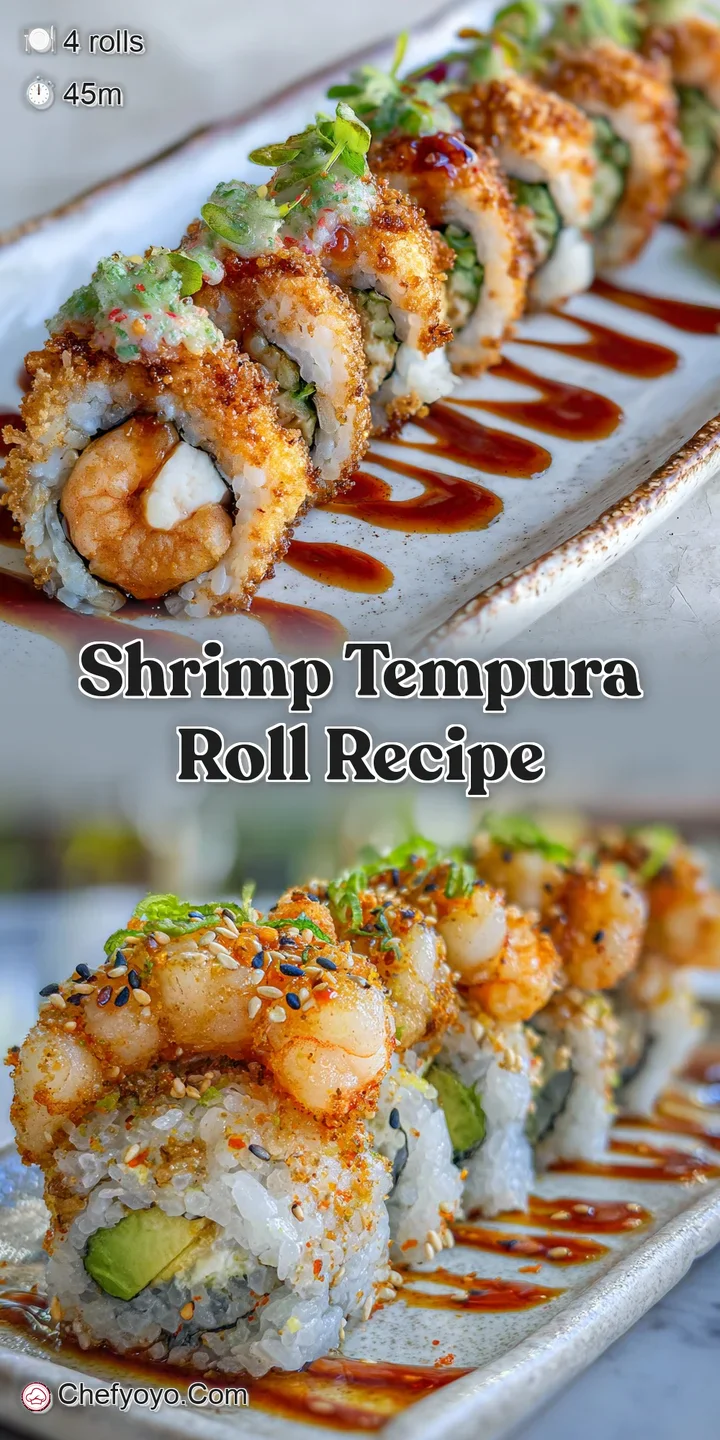
Presentation is half the fun with a Shrimp Tempura Roll. Since we are going for a contemporary look, try plating the slices in a gentle curve or a staggered line rather than a tight block. Drizzle your sauces in thin, zig zag lines across the entire plate for that restaurant feel.
Top the roll with toasted sesame seeds for a nutty aroma or some micro greens for a pop of fresh color. If you want to get really fancy, a few dots of eel sauce (unagi tare) provide a sweet, smoky finish that complements the saltiness of the soy.
The contrast of the dark nori, white rice, green avocado, and golden shrimp is naturally beautiful, so don't overcomplicate it.
If you want maximum crunch, do this: Dredge the shrimp in panko breadcrumbs after the batter for a "Crunchy Roll" variation. Sprinkle tenkasu (the fried batter bits) over the top of the finished roll.
Serve the soy sauce on the side so you can dip just the corner, keeping the rest of the tempura dry.
Remember that the best part of home cooking is the mistakes. My rolls still aren't always perfectly circular, and sometimes I accidentally put too much wasabi inside. But that's the charm. Every time you make this, you'll get a little faster at the rolling and a little better at gauging the oil temperature.
Just keep the water cold and the oil hot, and you'll be fine.
Common Myths Debunked "You must use a wooden hangiri to season sushi rice." While wood helps absorb excess moisture, a glass bowl works perfectly fine for home use as long as you fan the rice while mixing. "Tempura batter needs to be perfectly smooth." Actually, lumps are your friend.
Over mixing develops gluten, which makes the batter tough and chewy instead of light and crispy. "Sushi rice should be served cold." Cold rice is hard and flavorless. Authentic sushi rice should be served at roughly body temperature to maintain its soft, vinegared texture.
High in Sodium ⚠️
812 mg mg of sodium per serving (35% of daily value)
The American Heart Association recommends limiting sodium intake to about 2,300mg per day for overall health.
Tips to Reduce Sodium in Your Sushi
-
Reduce Added Salt-25%
The recipe calls for 1 tsp of sea salt in the rice vinegar mixture. Reduce the amount to 1/2 tsp or omit it entirely and adjust to taste. The vinegar and sugar will still provide flavor. Reduction up to 25%.
-
Low Sodium Rice Vinegar-15%
Consider using a low-sodium rice vinegar or reducing the amount of rice vinegar used in the recipe to decrease the sodium content.
-
Sodium Free Sparkling Water-10%
Ensure the sparkling water used for the tempura batter is sodium free to minimize sodium addition from an unexpected source. Many brands contain sodium.
-
Unseasoned Shrimp-10%
Ensure the shrimp is unseasoned before cooking. Check labels to verify that no salt or sodium based additives were used during processing. Reduction up to 10%.
-
Flavor with Herbs and Spices
Enhance the flavor of your sushi with fresh herbs and spices like ginger, wasabi (use sparingly as it can be high in sodium), or a sprinkle of sesame seeds. This will add flavor without increasing sodium.
Recipe FAQs
What does a shrimp tempura roll have in it?
Typically, it contains cooked, battered, and deep fried shrimp tempura, sushi rice, and often avocado and cucumber. These core ingredients are wrapped tightly in nori seaweed. Some variations might also include a drizzle of spicy mayo or eel sauce.
What is the difference between California roll and shrimp tempura?
The primary difference is the protein: California rolls use imitation crab (surimi), while shrimp tempura rolls use cooked, battered shrimp. California rolls are usually served cold and use raw vegetables, whereas the tempura version incorporates a hot, fried element, creating a textural contrast.
Is shrimp tempura roll raw or cooked?
The shrimp inside is always cooked. The shrimp is coated in batter and deep fried until fully cooked before being assembled into the roll. The other components, like the rice and vegetables, are served at room temperature or slightly chilled.
Is a shrimp tempura roll healthy to eat?
No, it is higher in fat and calories than traditional sushi due to the deep fried component. While it offers lean protein from the shrimp and fiber from the vegetables, the added oil from the tempura batter makes it less healthy than rolls featuring raw fish or vegetables alone.
How can I make the tempura crust extra crispy and not greasy?
Ensure your batter is ice cold and use sparkling water for maximum lift. The key is frying at a constant, high oil temperature (around 350°F) so the batter sets instantly, preventing oil absorption. If you enjoyed mastering this frying technique, see how the same principle of quick cooking temperature stability applies in our Classic Shrimp Cocktail Recipe.
Can I substitute the shrimp with another fried seafood item?
Yes, you can substitute the shrimp with other seafood items using the same cold batter technique. For example, thinly sliced scallops or pieces of eel work very well when fried this way. A similar success in achieving a delicate fried texture can be found when preparing ingredients for dishes like the Crispy Jonah Crab recipe.
What is the best way to keep the roll from falling apart during assembly?
Use slightly cooled sushi rice and apply firm, even pressure when rolling with the bamboo mat. Make sure the edge of the nori sheet you use to seal the roll is lightly moistened with water to create a strong adhesive bond.
Shrimp Tempura Roll Recipe
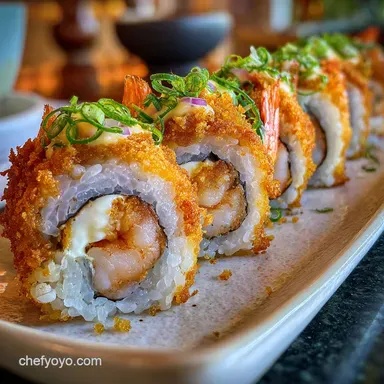
Ingredients:
Instructions:
Nutrition Facts:
| Calories | 746 kcal |
|---|---|
| Protein | 29.2 g |
| Fat | 16.5 g |
| Carbs | 113.5 g |
| Fiber | 3.7 g |
| Sugar | 6.3 g |
| Sodium | 812 mg |
