The Ultimate Silky Smooth Creamy Mashed Potatoes a Chefs Classic
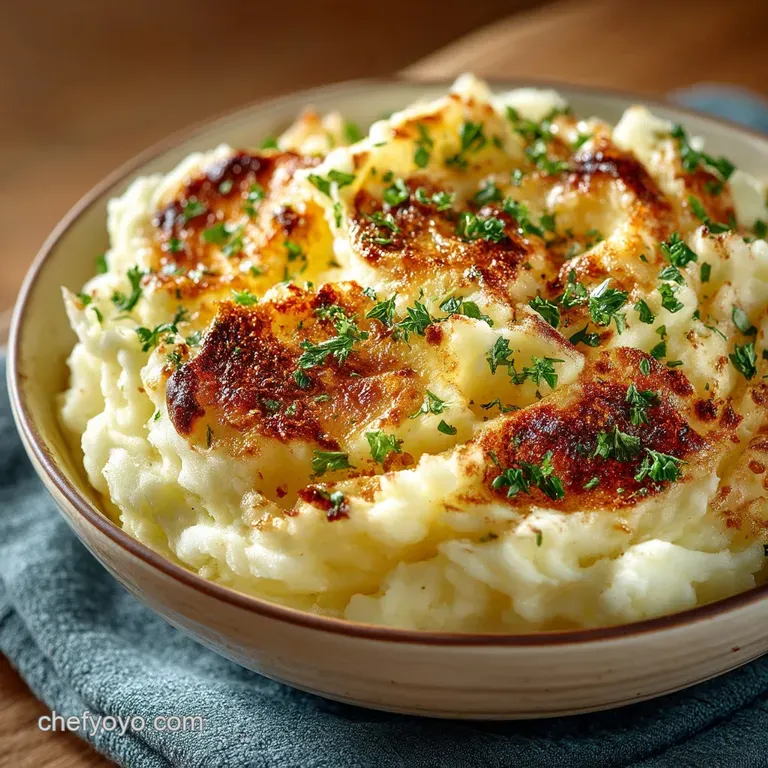
- Achieving the Velvety Texture: Mastering the Art of the Mash
- Elevating Your Side Dish: The Secret to Truly Creamy Mashed Potatoes
- Precision Components: The Building Blocks of Perfect Mash
- Preparing Your Base: Selecting and Handling the Potatoes
- The Method: Step-by-Step Guide to Silky Smooth Results
- Troubleshooting and FAQ: Maintaining Perfect Texture
- Flavor Variations and Dietary Swaps for Creamy Mashed Potatoes
- Recipe FAQs
- 📝 Recipe Card
Achieving the Velvety Texture: Mastering the Art of the Mash
The difference between mediocre, lumpy spuds and truly magnificent Creamy Mashed Potatoes lies in technique, not just ingredients. This classic side dish is deceptively simple; however, mastering the process moving beyond simply boiling and smashing unlocks a world of velvety texture and deep, satisfying flavour.
Our goal here is mash so silky and light that it stands proudly next to the finest cuts of meat, setting a new standard for comfort food excellence. We must treat the potatoes gently, respecting the delicate balance of heat and starch to ensure a final product that is neither heavy, dense, nor, heaven forbid, gluey.
Elevating Your Side Dish: The Secret to Truly Creamy Mashed Potatoes
To transition from a basic mash to The Perfect Mashed Potatoes , we must understand the raw material and how heat interacts with its cellular structure. This is where precision and patience become vital, distinguishing a hurried weeknight mash from a holiday centerpiece.
The Science of Starch: Why Russets Reign Supreme
The success of any great mash hinges on potato selection. We utilize high starch varieties, such as Russet or Idaho (or King Edward/Maris Piper if you are in the UK). Starchy potatoes are high in amylose, which causes their cells to separate cleanly when cooked.
This breakdown results in dry, airy flakes that easily absorb the rich fats and dairy we introduce later, producing a light and fluffy consistency. Attempting this process with waxy potatoes (like new potatoes) will inevitably lead to a dense, gummy texture, which is why a dedicated Mashed Russet Potatoes Recipe always yields superior results.
From Lumps to Luxury: Defining 'Chef's Classic' Texture
The desired texture is ultra smooth, light, and almost pourable. When we speak of a "Chef's Classic" texture, we mean a mash that has zero visible lumps and melts instantly on the tongue.
This level of luxury is achieved by carefully controlling moisture content and ensuring the starches are fully broken down before any dairy is incorporated.
Essential Equipment Check: Skip the Hand Mixer
For serious mash aficionados, specialized equipment is paramount. While a standard handheld masher is adequate for a rustic finish, it relies on compression, which can stretch the starch molecules and release undesirable stickiness.
Crucially, never use a hand mixer or food processor for this recipe, as the high speed will guarantee a gluey disaster.
The Importance of Ricing Over Mashing
The cornerstone of achieving a silky texture is the potato ricer or food mill. This piece of equipment gently forces the cooked potatoes through small holes, separating the cells without overworking them.
Passing the potatoes through a ricer immediately upon draining ensures the resulting flakes are light, uniform, and perfectly prepared to absorb the generous amounts of warm butter and cream that follow.
Precision Components: The Building Blocks of Perfect Mash
Creating the ideal creamy mashed potatoes recipe requires an emphasis on quality and quantity. For 6 generous servings, our foundation is 2.5 lbs (1.1 kg) of prepared starchy potatoes.
The richness comes from 6 oz (170g) of unsalted butter and 4 fl oz (120 ml) of whole milk, half and-half, or heavy cream.
Related Recipes Worth Trying
- Creamy Louisiana Red Beans and Rice Recipe The Monday Tradition — This authentic Southern Red Beans and Rice Recipe delivers deep smoky flavour and the ultimate creamy texture without fuss Pure New Orleans comfort food...
- Proper Creamy Tuna Noodle Casserole No Cans From Scratch — The ultimate creamy Tuna Noodle Casserole without soup Ditch the cans for our luscious scratchmade Mornay sauce Velvety rich and topped with a crispy Panko...
- The Best Creamy Homemade Tuna Casserole Recipe No Soup — Ditch the canned soup Our luxurious Homemade Tuna Macaroni Casserole uses a rich béchamel and Gruyère cheese finished with a crunchy Panko topping Pure...
Preparing Your Base: Selecting and Handling the Potatoes
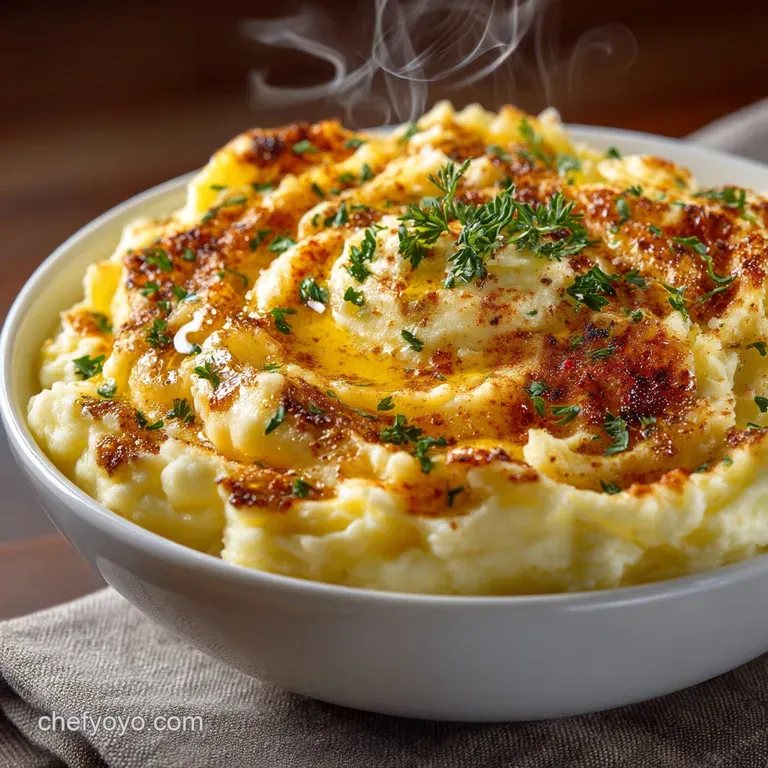
Proper preparation starts long before the pot hits the stove. Uniform cutting and strategic seasoning are the two main factors that dictate the final texture and flavour profile.
Detailed Shopping List for Creamy Mashed Potatoes
Ensure your basket includes 2.5 lbs of Russet or Idaho potatoes, 6 oz of unsalted butter, and 4 fl oz of whole milk or cream. You will also need coarse sea salt for the boiling water and fine sea salt, plus freshly ground black pepper, for final adjustment.
The Dairy Debate: Butter, Cream, or Crème Fraîche?
While whole milk provides a rich hydration base, substituting some or all of the liquid with heavy cream will maximize richness and silkiness. We recommend using unsalted butter so you can perfectly control the salinity of the final dish.
Crème fraîche is an excellent substitution for a portion of the milk if you desire a slight, luxurious tang in your finished mash.
Salt Strategy: Seasoning Potatoes at the Start vs. End
This is a non-negotiable step for flavour. Potatoes must be seasoned while they boil; they cannot absorb adequate salt once they are mashed. Add 2 tablespoons of coarse sea salt to the water, ensuring the water tastes significantly salty, similar to seawater.
This seasons the potato right through to the center, creating a robust internal flavour base, which we then perfect with fine salt at the end.
Temperature Matters: Why Dairy Must Be Hot
To prevent the starch molecules from seizing and thickening, the dairy mixture must be warmed before being introduced to the hot potatoes. Gently melt the butter (6 oz) and warm the milk/cream (4 fl oz) in a small saucepan until steaming do not boil.
Introducing cold liquid to hot, fluffy potato starch is a common mistake that immediately cools the potato down, leading to a gluey, dense result.
The Method: step-by-step Guide to Silky Smooth Results
This process adheres to the classic Mashed Potatoes Recipe Stovetop method, focusing on temperature and moisture control at every stage to ensure a perfect emulsion.
Cooking Uniformly: Cutting and Boiling the Spuds
After peeling the potatoes thoroughly, cut them into uniform 1.5 inch (4 cm) pieces. This uniformity is vital for simultaneous cooking. Place them in a large pot, cover with cold water (by about 1 inch), and add the coarse salt. Bring to a rapid boil, then reduce heat to a gentle simmer.
Cook for 15 to 20 minutes, or until the potatoes easily crumble when tested with a fork.
Evaporating Moisture: The Crucial Post Boil Drying Phase
Once cooked, drain the potatoes immediately and thoroughly in a colander. This next step is perhaps the most critical difference between good and outstanding mash: return the drained potatoes to the empty, hot pot. Place the pot back over low heat for 1– 2 minutes, shaking constantly.
This rapid drying process cooks off residual moisture and excess water vapour, concentrating the starch and guaranteeing the mash is fluffy and ready to absorb the fats, rather than becoming watery.
Folding In the Fats: Mixing Technique for Zero Glue
Remove the pot from the heat. Pass the potatoes through the ricer directly into the empty, dried saucepan while they are still piping hot. Add half of the warmed milk/butter mixture. Using a rubber spatula or wooden spoon, gently fold the mixture together until just incorporated.
Gradually fold in the remaining warm dairy until the desired silky consistency is achieved. The here is fold —aggressive stirring or whipping releases too much starch, leading to the dreaded "potato glue."
Tasting and Adjusting Final Seasoning
Once the dairy is fully incorporated and the mash is silky smooth, taste the mixture. This is the stage to finish the seasoning with fine sea salt and freshly ground black pepper. Because the potatoes were heavily salted during the boil, you will likely need less finishing salt than expected.
Serving Suggestions: What Pairs Best with the King of Sides
These refined Creamy Mashed Potatoes deserve equally elevated pairings. They are the non-negotiable partner for a slow roasted prime rib and a dark, rich Red Wine Jus or Gravy.
They also serve as the essential, velvety topping for any Shepherd’s or Cottage Pie, or alongside perfectly caramelized sausages for a gourmet take on "Sausage and Mash."
Troubleshooting and FAQ: Maintaining Perfect Texture
Even experienced cooks encounter technical difficulties with starch based dishes. Knowing how to mitigate these issues is key to confident cooking.
Help! Why Are My Mashed Potatoes Gluey?
Gluey mash results from starch molecules stretching and binding together. This is almost always caused by overworking the mixture (whipping, using a hand mixer, or stirring too vigorously) or by introducing cold dairy.
Ensure you only fold the mash gently, stop mixing as soon as the liquid is incorporated, and always use warm dairy.
Reheating Leftovers Without Drying Them Out
Mashed potatoes tend to dry out significantly upon cooling and reheating. To restore their luxurious texture, reheat gently over low heat on the stovetop, covered. Gradually fold in a small amount of extra warm whole milk or heavy cream until the mash returns to its original creamy consistency.
Alternatively, reheat in a covered dish in a low oven or microwave, adding liquid as necessary.
Storage Solutions: Freezing and Refrigerating Safely
Store leftover mash in an airtight container in the refrigerator for up to four days. While they can be frozen, the high fat content sometimes causes the thawed texture to become slightly grainy. If freezing, thaw overnight in the fridge and reheat slowly, stirring in extra cream to counteract any separation.
Going Vegan: Achieving Creaminess Without Dairy
It is entirely possible to create magnificent creamy mashed potatoes without dairy . Substitute the unsalted butter with high-quality vegan butter sticks and replace the whole milk with a rich, unsweetened oat milk or, for a superior result, prepared cashew cream.
A teaspoon of nutritional yeast can also be stirred in for a depth of flavour often provided by cheese.
Nutritional Breakdown (Per Serving Estimate)
Based on 6 generous servings using whole milk and unsalted butter, this rich recipe provides an estimated 380 to 410 kcal per serving. The macronutrient breakdown averages around 25g of total fat, 35g of carbohydrates, and 5g of protein.
Time Saving Hacks for Holiday Prep
For large gatherings, potatoes can be peeled and chopped up to 24 hours in advance and stored submerged in cold water in the refrigerator. The finished mash can be held warm for over an hour by placing it in a slow cooker set to the "Keep Warm" setting, with a small amount of extra liquid folded in to prevent surface drying.
Flavor Variations and Dietary Swaps for Creamy Mashed Potatoes
This base creamy mashed potatoes recipe is a perfect canvas for innovative additions and dietary swaps, allowing you to tailor the dish for any occasion.
For added richness and a subtle tang, you can incorporate a small amount of cheese during the folding stage. Using 2 oz of cream cheese, or adding a tablespoon of light cream cheese if you desire a slightly reduced fat option, results in incredibly luxurious and stable creamy mashed potatoes with cream cheese .
Similarly, substituting half of the whole milk with full fat sour cream provides a wonderful sharpness, resulting in robust creamy mashed potatoes with sour cream .
For an elegant upgrade, stir in 1 to 2 teaspoons of white or black truffle oil right before serving. Alternatively, fold in finely chopped fresh herbs like chives and thyme, along with two cloves of roasted garlic purée, for an aromatic finish.
For those avoiding dairy completely, remember the successful substitution of vegan butter and oat milk, ensuring a rich, palatable dish suitable for any table.
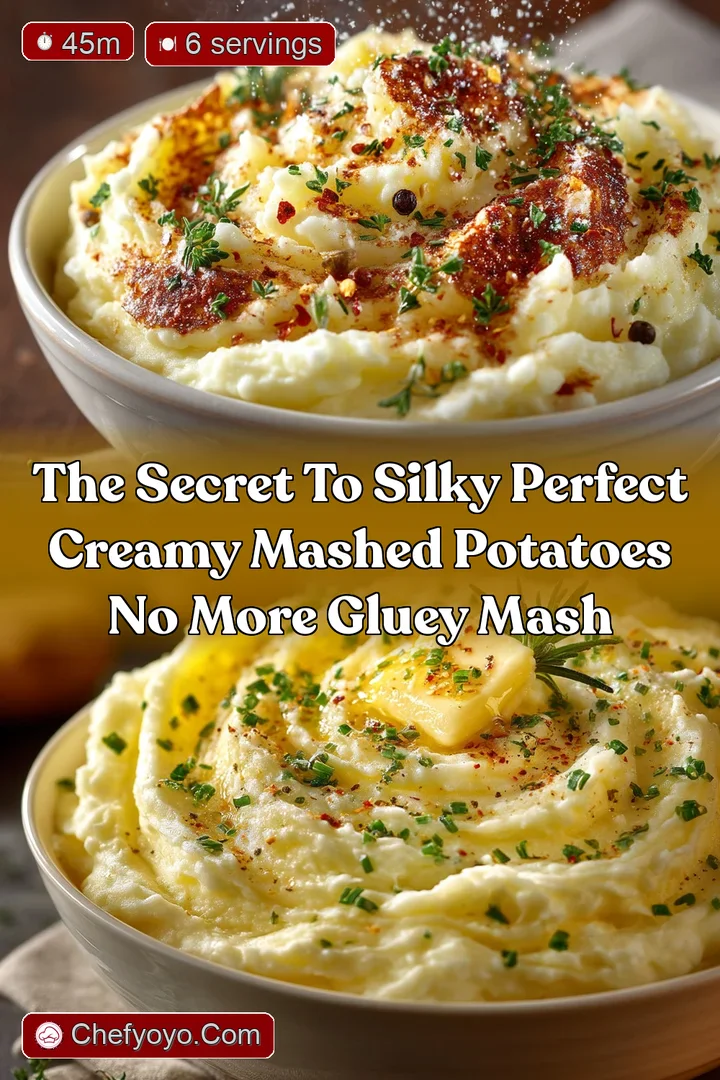
Recipe FAQs
Why are my "Creamy Mashed Potatoes" turning out like wallpaper paste instead of silky smooth?
Ah, the dreaded 'potato glue'! This happens when you overwork the starch. If you mash or whisk too vigorously, especially using an electric mixer or food processor, you break down the starch cells, releasing polymers that create that horrible gummy texture.
Always use a potato ricer or food mill for the smoothest result, and gently fold in the warm liquid with a rubber spatula stop the moment it’s combined.
My local shop only has new potatoes; can I still make a brilliant mash, or should I stick to the recipe's starchy spuds?
For a truly silky, absorbant mash, starchy potatoes (like Maris Piper or Russet) are absolutely non-negotiable, old chap. Waxy potatoes, such as new or salad varieties, hold their shape too well when cooked, preventing them from fully breaking down, and they tend to yield a gummy, dense mash.
Save the waxy ones for your potato salad and wait for a proper floury variety for this recipe.
Can I get this sorted the night before Sunday lunch, or must I make the mash fresh on the day?
Mash is always at its best served straight from the pot, but you can certainly do the heavy lifting ahead of time. You can boil, drain, and rice (or mill) the potatoes up to 12 hours ahead, then cover the fluffy potato base and chill it.
When ready to serve, gently heat the riced potato in a double boiler or very low oven, gradually folding in the piping hot butter and milk mixture until smooth never add cold dairy!
How can I jazz up this traditional recipe beyond just butter and cream? Any cheeky additions for a special occasion?
Absolutely! If you want a bit of extra flavour oomph, try stirring in 1 2 teaspoons of truffle oil right at the end for proper posh nosh, or fold in a handful of finely chopped chives and roasted garlic purée.
Another cracking option is to use brown butter (Nutty and caramelised) instead of melted butter it adds incredible depth and complexity to the finished mash.
I used a hand masher and now I have a few annoying lumps what’s the quick fix for a smooth finish?
If you have a few rogue lumps, the main thing is to avoid the temptation to keep mashing, as that will instantly turn your spuds gluey. For a quick fix, try pushing the entire batch through a sturdy, fine mesh sieve using a flexible spatula.
If that seems too much bother, just stir in an extra splash of hot milk or melted butter very gently, which can sometimes soften the lumps enough to blend seamlessly without releasing more starch.
Silky Smooth Creamy Mashed Potatoes
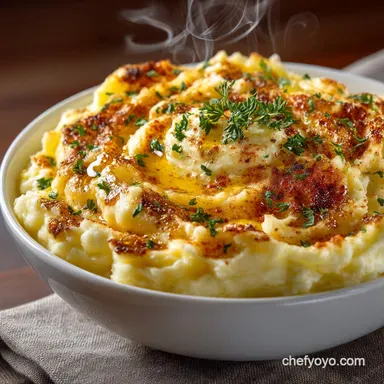
Ingredients:
Instructions:
Nutrition Facts:
| Calories | 239 kcal |
|---|---|
| Protein | 5.8 g |
| Fat | 17.9 g |
| Carbs | 11.7 g |
| Fiber | 4.5 g |
| Sodium | 6812 mg |
