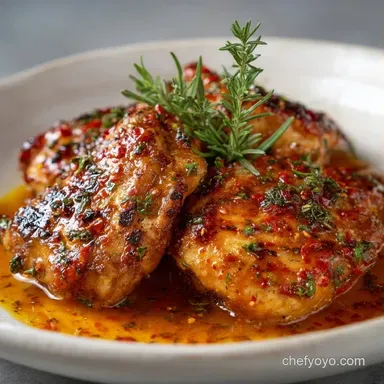
Spicy Red Pepper Chicken: Smoky and Creamy
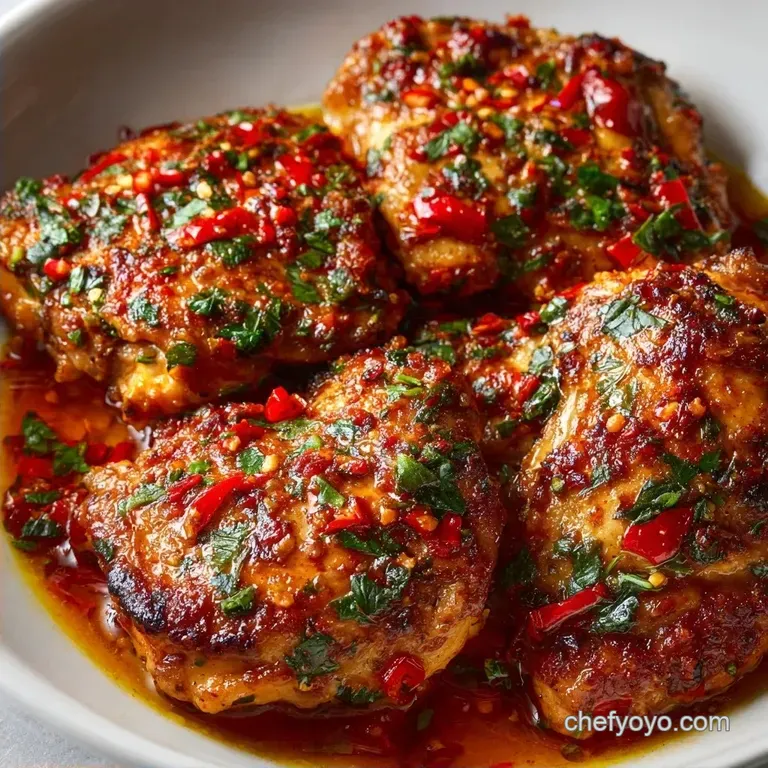
- Time: 15 min active + 25 min cooking
- Flavor/Texture Hook: Velvety, smoky sauce with a shatter crisp sear on the chicken
- Perfect for: Mid week dinner that needs a punch of flavor
That first scent of smoked paprika hitting shimmering olive oil is where the magic starts. It's a deep, woody aroma that fills the kitchen and immediately tells you that something bold is happening.
I remember the first time I tried to make a pepper based sauce; I just tossed in some chopped peppers and hoped for the best, but the texture was clumpy and the flavor felt disjointed.
Then I discovered the secret: blending the roasted peppers into a smooth puree first. It changes everything. The sauce becomes this luxurious, vibrant orange red blanket that wraps around the chicken, turning a simple protein into something that feels like it came from a high end bistro.
You can expect a dish that hits every note. You've got the char from the sear, the creaminess of the Parmesan, and a slow building heat from the red pepper flakes. This Spicy Red Pepper Chicken is exactly what you want when you're tired of the same old rotation but only have about 40 minutes to get dinner on the table.
Spicy Red Pepper Chicken Secrets
Before we get into the pots and pans, it's worth talking about how we're actually cooking this. Most people just simmer everything together, but the magic is in the two stage process: the hard sear and the gentle glaze.
If you have the choice, using a skillet that can go from the stove to the oven is a huge win, though this version is optimized for the stovetop to keep it fast. The goal is to get that deep brown crust on the thighs, which gives us those flavorful browned bits, or "fond," that we'll deglaze into the sauce.
But what if you're not in the mood for the stovetop? Some people prefer the oven for less active monitoring. Here is how the two methods stack up for this specific dish.
| Method | Time | Texture | Best For |
|---|---|---|---|
| Stovetop | 40 mins | Shatter crisp sear, concentrated sauce | Maximum flavor depth |
| Oven | 55 mins | Evenly tender, lighter sauce | Low effort cooking |
Actually, if you want the best results, stick to the pan. The direct heat allows the sugars in the peppers to caramelize slightly when they hit the pan, which you just don't get with the ambient heat of an oven.
The Flavor Logic
I'm not a chemist, but I've spent enough time ruining dinners to know why certain things work. This recipe isn't just about mixing ingredients; it's about how they react to heat and fat.
The Fat Bond: Heavy cream and Parmesan act as stabilizers, binding the water based pepper puree into a smooth, velvety sauce that doesn't separate.
Acid Balance: The lemon juice cuts through the heavy fats of the chicken thighs and cream, brightening the whole dish so it doesn't feel too "heavy" on the palate.
Smoky Layering: Smoked paprika provides a base note of "fire roasted" flavor that complements the sweetness of the red peppers, making the dish taste like it spent hours over charcoal.
The Fond Effect: Searing the chicken first creates a layer of caramelized proteins on the pan; when we add the pepper puree, those bits dissolve back into the sauce, adding a savory depth you can't get from a slow simmer.
To really understand the core of this meal, let's look at the heavy hitters.
| Ingredient | Science Role | Pro Secret |
|---|---|---|
| Roasted Peppers | Flavor Base | Blend with lemon first for a brighter color |
| Chicken Thighs | Protein/Fat | Pat bone dry to ensure a gold crust |
| Heavy Cream | Emulsifier | Stir in at the end to prevent curdling |
| Parmesan | Salt/Thickener | Use freshly grated for a smoother melt |
The Shopping List
I've found that using the right versions of these ingredients makes a world of difference. For example, don't even bother with "shredded" Parmesan from a green can; it has anti clumping agents that will make your sauce grainy. Get the wedge and grate it yourself.
- 1.5 lbs boneless, skinless chicken thighs Why this? Higher fat content keeps the meat juicy during the sear
- 2 tbsp olive oil Why this? High smoke point for browning
- 1 tsp smoked paprika Why this? Adds a deep, woody aroma
- ½ tsp kosher salt Why this? Coarser grains for better control
- ½ tsp black pepper Why this? Freshly cracked is always bolder
- 12 oz roasted red peppers, drained Why this? Jarred is convenient and consistently sweet
- 3 cloves garlic, minced Why this? Fresh garlic is non negotiable here
- ½ small yellow onion, finely diced Why this? Provides a subtle sweet base
- 1 tsp red pepper flakes Why this? Adds the "spicy" to the chicken
- 1 tbsp lemon juice Why this? Cuts the richness of the cream
- ½ cup heavy cream Why this? Creates that velvety texture
- ¼ cup grated Parmesan cheese Why this? Adds umami and thickness
- 1 tbsp fresh parsley, chopped Why this? Adds a pop of color and freshness
If you're missing something, don't panic. Most of these have easy swaps that won't ruin the vibe.
| Original Ingredient | Substitute | Why It Works |
|---|---|---|
| Heavy Cream (½ cup) | Full fat Coconut Milk (½ cup) | Similar fat content. Note: Adds a subtle coconut nuttiness |
| Smoked Paprika (1 tsp) | Sweet Paprika + Pinch of Cumin | Mimics the earthiness. Note: Lacks the intense "smoke" |
| Parmesan (¼ cup) | Pecorino Romano (¼ cup) | Similar salty, hard cheese. Note: Slightly saltier and tangier |
| Chicken Thighs | Chicken Breast (sliced thin) | Leaner protein. Note: Cook 30% less time to avoid drying out |
Tools for the Job
You don't need a professional kitchen for this, but a few specific tools make the process a lot smoother.
First, a blender or food processor is a must. If you try to chop the peppers by hand, you'll never get that silky, restaurant style sauce. A simple immersion blender works too if you put the peppers and lemon juice in a tall jar.
Second, a 12 inch oven safe skillet. Cast iron is my go to here because it holds heat so well, which is crucial for getting that "shatter" crust on the chicken. If you use a thin non stick pan, the chicken tends to steam rather than sear.
Finally, a fish spatula or tongs. You want something that can get under the chicken thighs without tearing the crust off. There's nothing sadder than a perfectly browned piece of meat that loses its skin to a clumsy fork.
Bringing It Together
Now, let's get to the fun part. Keep an eye on the smells and colors - those are your real guides here.
Preparing the Pepper Puree
Start by tossing your drained roasted red peppers and the lemon juice into the blender. Process them until they are completely smooth. You're looking for a vibrant, thick liquid with no visible chunks. Set this aside; it's the heart of your Spicy Red Pepper Chicken.
Browning the Protein
Pat your chicken thighs dry with paper towels. This is a step most people skip, but moisture is the enemy of a good sear. If the meat is damp, it will boil in the pan instead of browning. Rub them generously with the smoked paprika, salt, and black pepper.
Heat your olive oil in the skillet over medium high heat. Wait until the oil is shimmering - almost like it's about to smoke. Add the chicken and sear for 5 to 7 minutes per side. You want to see a deep golden brown crust before you move them to a plate. According to Serious Eats, achieving a proper sear is all about temperature and patience - don't flip the meat too early!
Simmering the Sauce
In the same pan (don't wash it!), toss in the diced onion. Sauté until they're translucent and soft. Now, add the minced garlic and red pepper flakes. Cook these for just 60 seconds. The moment you smell that pungent, toasted garlic aroma, it's time to move.
Pour in your blended pepper puree. Bring it to a simmer for about 5 minutes. As it bubbles, use a wooden spoon to scrape all those brown bits off the bottom of the pan. That's where the concentrated flavor lives.
Combining and Glazing
Lower the heat slightly and stir in the heavy cream and grated Parmesan. Whisk it constantly until the sauce is uniform, bubbling, and looks like liquid gold.
Return the seared chicken and any juices that collected on the plate back into the pan. Simmer for another 5 minutes. The sauce should thicken and glaze the chicken, clinging to the meat rather than running off it.
Finish everything with a sprinkle of chopped fresh parsley. The bright green against the deep red is a beautiful contrast.
Solving Common Issues
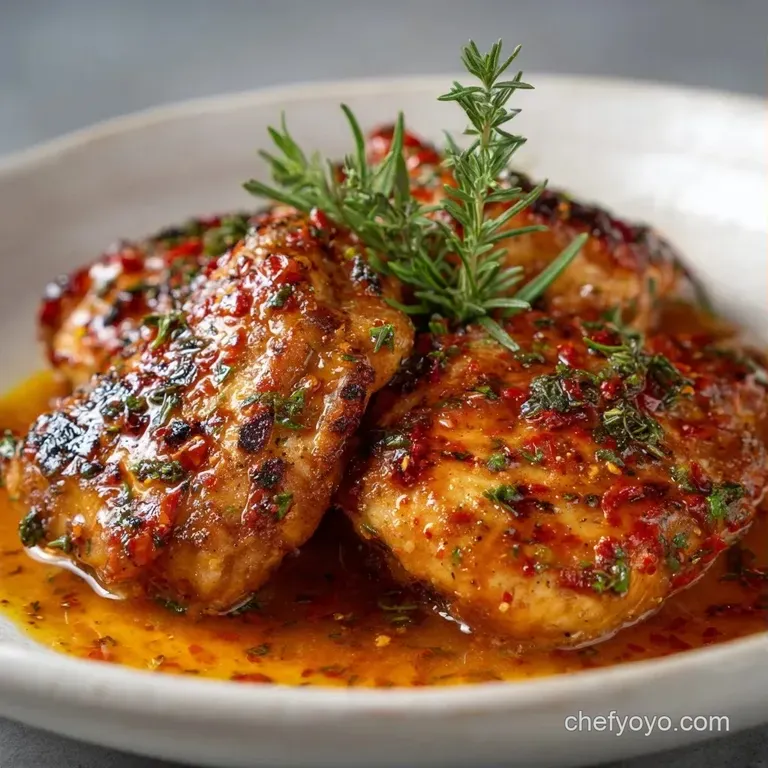
Even the best of us hit a snag now and then. Most problems with this dish come down to heat management or moisture.
Troubleshooting Common Issues
| Issue | Solution |
|---|---|
| Why Your Sauce is Grainy | This usually happens if the Parmesan wasn't finely grated or if the sauce boiled too aggressively after the cream was added. |
| Why Your Chicken is Rubbery | If you crowd the pan with too many thighs at once, the temperature drops, and the chicken releases its juices. Instead of searing, the meat poaches in its own liquid. |
| Why the Sauce is Too Tart | Too much lemon juice or a very acidic brand of jarred peppers can throw off the balance. A tiny pinch of sugar or an extra tablespoon of cream usually fixes this instantly. |
- ✓ Dry the meat: Use paper towels to remove all surface moisture.
- ✓ Heat the oil: Ensure the oil shimmers before adding chicken.
- ✓ Scrape the fond: Don't leave those brown bits behind; they are flavor gold.
- ✓ Fresh cheese: Grate your own Parmesan for a silky texture.
- ✓ Low simmer: Once cream is in, keep the heat gentle to avoid splitting.
Adjusting the Batch
If you're cooking for a crowd or just for yourself, you can't always just double everything. Some ingredients don't scale linearly.
Cutting the recipe in half: Use a smaller 8 inch skillet. Since there's less liquid, reduce the simmer time for the puree by about 20% to prevent it from becoming too thick. If the recipe calls for an egg (in a different variation), beat one and use half.
Doubling or Tripling: Do not double the red pepper flakes or salt immediately. Start with 1.5x the spices and taste as you go; heat can intensify in larger volumes. Most importantly, sear the chicken in batches.
If you put 3 lbs of chicken in one pan, you'll lose the sear and end up with grey, steamed meat.
For the liquids, you can reduce the cream by about 10% when doubling, as there's less surface area for evaporation relative to the volume.
If you're looking for more high protein options, you might enjoy my Roasted Bowl with Sauce, which follows a similar flavor profile but with a different presentation.
Kitchen Myths Debunked
There are a few things people tell you about chicken and sauces that are just plain wrong. Let's set the record straight.
Myth: Searing "locks in" the juices. This is the biggest lie in the kitchen. Searing doesn't create a waterproof seal. In fact, searing actually causes a small amount of moisture loss. We do it for the flavor - the browning process creates complex taste molecules that a simmer simply can't match.
Myth: You must use chicken breasts for a "healthy" version. While breasts are leaner, thighs are far more forgiving. Because of the fat content, thighs stay juicy even if you overcook them by a few minutes. According to USDA FoodData, thighs provide essential fats that carry the flavor of the paprika and garlic more effectively.
Myth: Jarred peppers are "cheating." Not at all. Roasted peppers from a jar are often processed at very high temperatures to maintain their vibrancy. As long as you drain them well, they provide a consistent base that is often better than a home roasted pepper that might be too charred or too raw.
Keeping and Saving
This Spicy Red Pepper Chicken actually tastes better the next day because the flavors have time to marry.
Fridge Storage: Store in an airtight container for up to 4 days. The sauce may thicken in the fridge; just add a splash of water or milk when reheating to loosen it up.
Freezing: You can freeze the cooked chicken in the sauce for up to 3 months. However, be aware that the cream can sometimes separate during the freezing process. When you thaw it, whisk it over low heat to bring the emulsion back together.
- - Pepper Jar Liquid
- Don't pour the liquid from the roasted pepper jar down the drain! It's basically seasoned vinegar. Use it as a base for a quick vinaigrette or toss it into a pot of rice for extra flavor.
- - Parsley Stems
- Don't toss the stems. Finely chop them and sauté them with the onions at the beginning for an extra layer of herbal depth.
- - Leftover Sauce
- If you have extra sauce but no chicken, toss it with some penne or rigatoni. This is a great way to create a Sauce for 4 Servings recipe for lunch the next day.
Best Side Pairings
Because this dish is so bold and creamy, you want sides that can either soak up the sauce or provide a sharp contrast to the richness.
For something to mop up that gold sauce, go with a fluffy basmati rice or a crusty piece of sourdough bread. The acidity of the sauce makes it a great partner for something neutral.
If you want to balance the meal, go for something bright and tangy. A side of Pickled Red Onion Recipe on top of the chicken adds a crunch and a vinegary pop that cuts right through the heavy cream. Steamed broccolini or roasted asparagus also work beautifully here, as their slight bitterness complements the sweetness of the red peppers.
Trust me on this: don't serve this with another creamy side. Avoid mashed potatoes or creamy polenta; you'll get "palate fatigue" from too much richness. Stick to greens, grains, or something pickled to keep the meal feeling balanced and vibrant.
Recipe FAQs
What is the best way to cook skinless chicken thighs?
Sear them in an oven safe skillet over medium high heat. Pat the meat dry and rub with smoked paprika, salt, and pepper to ensure a deep golden brown crust.
Do you have an easy chicken recipe?
Yes, this Spicy Red Pepper Chicken is perfect for beginners. It requires only one pan and takes about 40 minutes from prep to plate.
How can chicken dishes be made less spicy?
Reduce the amount of red pepper flakes. You can omit them entirely while still enjoying the mild heat from the smoked paprika.
What is the best spice to cook chicken with for a spicy result?
Combine smoked paprika and red pepper flakes. This pairing provides both a rich, smoky depth and a sharp kick.
Why is the chicken rubbery?
You likely crowded the pan. Adding too many thighs at once drops the temperature, causing the meat to poach in its own juices instead of searing.
Why is the red pepper sauce grainy?
The Parmesan may not have been finely grated or the sauce boiled too aggressively. If you loved the velvety finish of this sauce, the same simmering technique is used in our easy Alfredo sauce.
Is it true that crowding the pan helps the chicken cook faster?
No, this is a common misconception. Crowding the pan prevents a proper sear and results in rubbery chicken.
Spicy Red Pepper Chicken