Stanley New Year Recipe with Roasted Vegetables
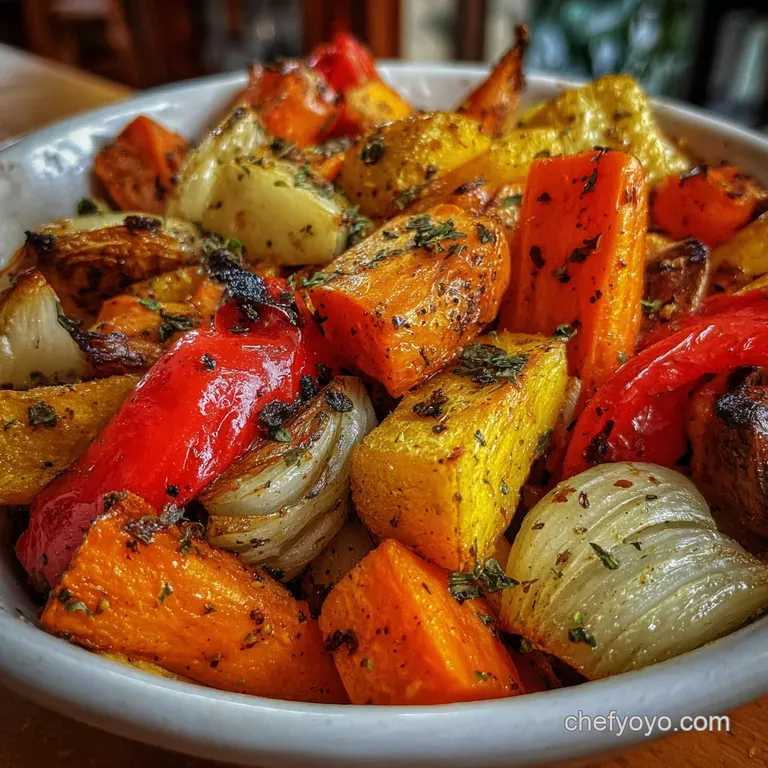
- Time: Active 20 minutes, Passive 35 minutes, Total 55 minutes
- Flavor/Texture Hook: Shatter crisp edges with velvety, honey glazed centers and a bright pomegranate pop.
- Perfect for: Festive January dinner parties, healthy New Year meal prep, or a contemporary winter side dish.
- Refining the Stanley New Year Recipe with Roasted
- The Physics of Thermal Conductivity
- Component Analysis for Peak Flavor
- Sourcing Your Elements
- Essential Tools for Even Roasting Success
- Step-By-Step Guide to Caramelized Perfection
- Common Roasting Pitfalls and Quick Solutions
- Flexible Swaps for Every Dietary Need
- Roasting Myths Debunked
- Smart Storage and Sustainability Tips
- Creative Ways to Serve
- Stanley New Year Recipe with Roasted FAQs
- 📝 Recipe Card
Refining the Stanley New Year Recipe with Roasted
The first time I pulled a tray of these from the oven, the sizzle was almost musical. It’s that high pitched crackle of honey and balsamic vinegar meeting a hot sheet pan, creating those dark, sticky edges we all fight over.
I remember the kitchen smelled like a mix of earthy thyme and sweet caramelization, a scent that instantly made the cold January air outside feel a lot more bearable. This Stanley New Year recipe with roasted vegetables offers a simple, delicious dish perfect for January.
We’ve all been there tossing a bag of frozen veg onto a tray and hoping for the best, only to end up with a pile of mush. This isn't that. We're talking about a contemporary approach to roasting where we layer flavors like a chef.
We start with the dense, earthy sweetness of butternut squash and parsnips, then introduce the sharp bite of red onion and the herbal punch of fresh thyme. It’s a creative way to celebrate the New Year without feeling like you’re "dieting."
I used to make the mistake of overcrowding my pan because I was in a hurry. Trust me, give these vegetables some breathing room. When they’re cramped, they steam instead of roasting, and you lose that glorious texture contrast.
We want the Brussels sprouts to have leaves that shatter when you bite them, and the carrots to be tender enough to yield to a fork but still hold their shape. Let’s get into how we actually make that happen.
The Physics of Thermal Conductivity
Maillard Reaction Acceleration: The sugars in the raw honey and balsamic vinegar react with the vegetable proteins at 300°F (150°C), creating deep brown pigments and complex savory sweet flavors.
Evaporative Concentration: Slicing vegetables into 1 inch diagonals increases surface area, allowing moisture to escape quickly so the natural sugars can concentrate and caramelize.
Lipid Heat Transfer: The extra virgin olive oil acts as a medium, conducting heat evenly from the pan surface into the cellular structure of the dense root vegetables.
| Method | Time | Texture | Best For |
|---|---|---|---|
| over High heat Roast | 35 minutes | Crispy edges, tender centers | Maximum flavor development |
| Slow Roast | 55 minutes | Silky, uniform softness | Deeply sweet, less texture |
| Air Fryer | 22 minutes | Extra crunchy exterior | Small batches or quick lunches |
When choosing your method, consider the texture you're after. The classic over high heat roast in this Year Recipe with Roasted Vegetables for January is my go to because it provides the most contrast. If you’re pairing this with a heavy main, like a rich Beef Wellington Recipe, that crispy texture is exactly what you need to cut through the pastry and meat.
Component Analysis for Peak Flavor
| Ingredient | Science Role | Pro Secret |
|---|---|---|
| Balsamic Vinegar | Acidic Brightener | Use aged balsamic for a syrupy consistency without extra reduction time. |
| Butternut Squash | Starch Base | Cube into uniform 1 inch pieces to ensure the center finishes at the same time as the exterior. |
| Fresh Thyme | Aromatic Infusion | Strip leaves right before roasting to release volatile oils for a more intense fragrance. |
| Pomegranate Arils | Texture Contrast | Add these at the very end to provide a cold, acidic burst against the warm, earthy veg. |
Using the right fat is non negotiable here. While butter adds flavor, the smoke point is too low for the 400°F heat we need for this New Year Recipe with Roasted Vegetables for January.
Extra virgin olive oil provides the stability required to get those parsnips golden without the oil breaking down and turning bitter.
Sourcing Your Elements
For this dish, we are using a specific blend of winter produce to achieve that "Stanley" style depth.
- 1 lb Brussels sprouts, halved: Why this? Halving exposes the core for better caramelization. (Substitute: Broccoli florets)
- 3 large carrots, sliced into 1 inch diagonals: Why this? Diagonals increase surface area for glazing. (Substitute: Sweet potatoes)
- 2 medium parsnips, sliced into 1 inch diagonals: Why this? Adds an earthy, peppery sweetness. (Substitute: Turnips)
- 1 small butternut squash (~2 lbs), cubed: Why this? Provides the creamy, velvety base. (Substitute: Pumpkin)
- 1 red onion, thick wedges: Why this? Becomes sweet and jammy when roasted. (Substitute: Shallots)
- 3 tbsp extra virgin olive oil: Why this? High smoke point and clean flavor. (Substitute: Avocado oil)
- 2 tbsp aged balsamic vinegar: Why this? Adds acidity and deep color. (Substitute: Apple cider vinegar with a pinch of sugar)
- 1 tbsp raw honey: Why this? Promotes rapid browning and stickiness. (Substitute: Maple syrup)
- 1 tsp kosher salt & 1/2 tsp black pepper: Why this? Essential for flavor balance.
- 4 sprigs fresh thyme: Why this? Classic winter herb profile. (Substitute: Fresh rosemary)
- 1/3 cup toasted pecan halves: Why this? Adds a necessary buttery crunch. (Substitute: Walnuts)
- 1/4 cup fresh pomegranate arils: Why this? Visual pop and acidic finish. (Substitute: Dried cranberries)
Essential Tools for Even Roasting Success
You don't need a professional kitchen, but a heavy duty rimmed baking sheet is the "Stanley" secret. Thin sheets warp under high heat, which causes your oil and honey to pool in one corner, leaving half your vegetables dry and the other half soggy.
I prefer a half sheet pan made of heavy gauge aluminum for the most consistent results.
Chef Tip: Place your empty baking sheet in the oven while it preheats. When you toss the vegetables onto that screaming hot metal, they start searing the moment they touch down. It’s a total game changer for getting that crispy bottom.
A sharp chef's knife is also vital for the butternut squash. Those things can be slippery and tough. If you're struggling, slice a tiny sliver off the bottom of the squash first to create a flat, stable base. It makes the cubing process much safer and more precise.
step-by-step Guide to Caramelized Perfection
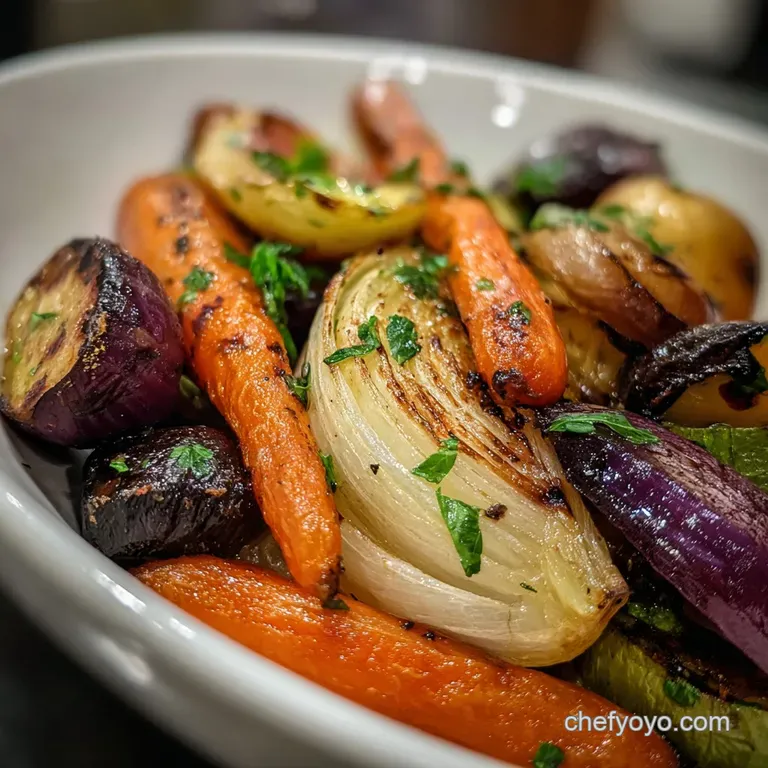
- Heat the oven. Set your rack to the center position and preheat to 400°F. Note: This temperature is high enough for roasting but low enough to prevent the honey from burning.
- Prep the vegetables. Clean and cut your Brussels sprouts, carrots, parsnips, squash, and onion according to the sizes listed.
- Whisk the infusion. In a small bowl, combine the olive oil, balsamic vinegar, raw honey, salt, and pepper.
- Emulsify the glaze. Whisk vigorously until the oil and vinegar are fully incorporated and no longer separated.
- Coat the produce. Place all vegetables (except pecans and pomegranate) in a large bowl and pour the glaze over them.
- Toss for coverage. Use your hands to massage the glaze into every nook and cranny of the vegetables. Note: Using hands ensures even distribution better than a spoon.
- Spread on the pan. Transfer the mix to your preheated baking sheet, ensuring nothing is overlapping.
- Roast the base. Bake for 20 minutes, then remove and toss the vegetables with a spatula.
- Add the crunch. Sprinkle the toasted pecans and thyme leaves over the tray.
- Finish the roast. Return to the oven for 15 minutes until vegetables are tender and edges are deeply browned.
- Garnish and serve. Sprinkle the pomegranate arils over the hot vegetables just before bringing to the table.
Common Roasting Pitfalls and Quick Solutions
One of the biggest issues people face with this recipe with roasted vegetables for January is the vegetables coming out soft rather than crispy. This usually happens because of moisture. If you wash your Brussels sprouts and don't dry them completely, that water turns to steam in the oven.
Fixing the Soggy Vegetable Syndrome
When vegetables are soft and pale, it’s usually because they were too wet or the oven temperature dropped. Make sure your oven is actually at 400°F using an external thermometer if possible. If the tray looks "soupy" halfway through, drain any excess liquid and turn the heat up by 25 degrees.
| Problem | Root Cause | Solution |
|---|---|---|
| Burnt Honey/Balsamic | Sugar scorched before veg cooked | Move tray to a lower rack and tent with foil. |
| Uneven Cooking | Vegetable sizes vary too much | Recut larger pieces mid way or remove smaller ones early. |
| Bitter Sprouts | Over roasting or lack of salt | Increase honey by a teaspoon to balance the bitterness. |
Preventive Roasting Checklist
- ✓ Pat every vegetable bone dry with a paper towel after washing.
- ✓ Use two baking sheets if the vegetables look crowded on one.
- ✓ Ensure the butternut squash skin is completely removed (the green layer under the skin is tough).
- ✓ Check the roast at the 25 minute mark; every oven has different hot spots.
- ✓ Don't add the pomegranate too early, or they will lose their jewel like color and burst.
Flexible Swaps for Every Dietary Need
If you want to scale this recipe down for a quiet night, it's quite simple. For 2-3 people, just halve the ingredients and use a smaller pan. The cook time usually stays the same because you still need that 35 minute window for the starch in the squash to break down and the sugars to caramelize.
If you're doubling it for a big party, use two separate ovens if possible, or swap the trays halfway through to ensure even airflow.
Scaling for Large Gatherings
When doubling this Stanley New Year Recipe with Roasted, increase the vegetables linearly, but only increase the salt and spices to 1.5x the original amount. For some reason, saltiness can become overwhelming in large batches of roasted produce.
Also, keep the liquid glaze at about 1.8x the original volume to prevent the pan from becoming too wet.
For a different flavor profile, you can easily adapt this. If you’ve already mastered this, maybe try serving it alongside Beef Enchiladas with recipe for a fusion style dinner. The sweetness of the roasted squash actually pairs beautifully with a spicy red chili sauce.
| Original Ingredient | Substitute | Why It Works |
|---|---|---|
| Raw Honey | Maple Syrup (Grade A) | Similar sugar content. Note: Adds a woodsy flavor typical of New England. |
| Parsnips | Celery Root (Celeriac) | Earthy and dense. Note: Less sweet than parsnips, so add an extra tsp of honey. |
Roasting Myths Debunked
Many people believe that "more oil equals more crispy," but that's a total myth. If you drench your vegetables in oil, they essentially deep fry at a low temperature, which leads to a greasy, heavy mouthfeel rather than a light, crisp one. You only need enough to create a thin, shimmering coat.
Another common misconception is that you must peel carrots. In reality, the skin of organic carrots contains a lot of flavor and nutrients. As long as you scrub them well, leaving the skin on provides a more authentic, "Stanley" style rustic look and a slightly different texture that stands up better to high heat.
Smart Storage and Sustainability Tips
These vegetables are best served immediately, but they do keep in the fridge for up to 4 days. To reheat, avoid the microwave at all costs it will turn your beautiful roast into a sad, soggy mess.
Instead, toss them back onto a baking sheet and roast at 350°F for about 10 minutes until they sizzle again.
Zero Waste Tip: Don't throw away the butternut squash seeds! You can rinse them, toss them with a little olive oil and salt, and roast them alongside the vegetables for the last 15 minutes. They make a fantastic crunchy snack or an extra garnish for the dish.
Also, the ends of the carrots and parsnips can be tossed into a freezer bag for your next homemade vegetable stock.
Creative Ways to Serve
This with Roasted Vegetables for January is incredibly versatile. While it’s a standard side dish, you can turn it into a main event by serving it over a bed of warm quinoa or farro. The balsamic glaze acts as a built in dressing for the grains.
- As a Salad: Toss cold leftovers with baby arugula and a squeeze of fresh lemon.
- With Protein: This is the ultimate partner for roasted chicken or a slow cooked pot roast.
- The Brunch Twist: Top a bowl of these roasted vegetables with a poached egg the runny yolk creates a rich sauce that mingles with the balsamic honey glaze perfectly.
If you're looking for another comforting side to round out your table, consider making a batch of my Broccoli Casserole recipe. The creamy texture of a casserole provides a wonderful contrast to the roasted, caramelized vegetables here. Whatever you choose, this Stanley New Year Recipe with Roasted is bound to be the star of your January table. Enjoy the process and that amazing aroma!
Stanley New Year Recipe with Roasted FAQs
What is the single ingredient you need for the crispiest roasted vegetables?
Extra virgin olive oil. It has a high smoke point, essential for achieving that perfect sear without burning, and helps conduct heat evenly to create crisp exteriors. Make sure it's a good quality one for the best flavor.
What is a popular veggie served on New Year's Day?
Root vegetables like parsnips and squash are often popular. They symbolize prosperity and a sweet new beginning in many traditions. They also roast beautifully, becoming tender and caramelized.
What is the secret to roasting vegetables?
Don't overcrowd the pan. Giving vegetables space ensures they roast rather than steam, leading to better caramelization and crispier edges. If you're enjoyed controlling texture here, see how the same principle of adequate space applies to achieving perfect Crispy Roasted Pumpkin Seeds Every Time.
What seasoning is good for roast vegetables?
Fresh thyme and a balance of sweet and acidic. Thyme offers a classic earthy aroma that complements roasted vegetables wonderfully. A combination like balsamic vinegar and honey provides both tang and sweetness for deep flavor.
How do I prevent my roasted vegetables from becoming soggy?
Pat them completely dry before roasting. Excess moisture turns to steam, which prevents browning and leads to a mushy texture. Ensure your vegetables are thoroughly dried with paper towels after washing.
Can I use frozen vegetables for roasting?
No, it's best to use fresh for optimal results. Frozen vegetables release more water when heated, which hinders crisping and can lead to a steamed rather than roasted outcome. Fresh vegetables offer better texture and caramelization.
Why do my roasted vegetables taste bitter sometimes?
This can happen if the sugars scorch or if there's an imbalance. Over roasting, especially with honey, can lead to bitterness. Ensure your oven temperature is consistent and consider adding a touch more honey or a squeeze of lemon to rebalance flavors, much like you would when crafting a Béarnaise Sauce Recipe where balance is key.
Stanley New Year Roast
Ingredients:
Instructions:
Nutrition Facts:
| Calories | 282 kcal |
|---|---|
| Protein | 5.8 g |
| Fat | 11.5 g |
| Carbs | 43.1 g |
| Fiber | 10.1 g |
| Sugar | 16.4 g |
| Sodium | 383 mg |
