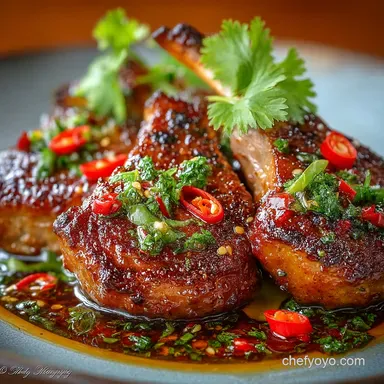
Sticky Sweet Panseared Honey Garlic Lamb Chops
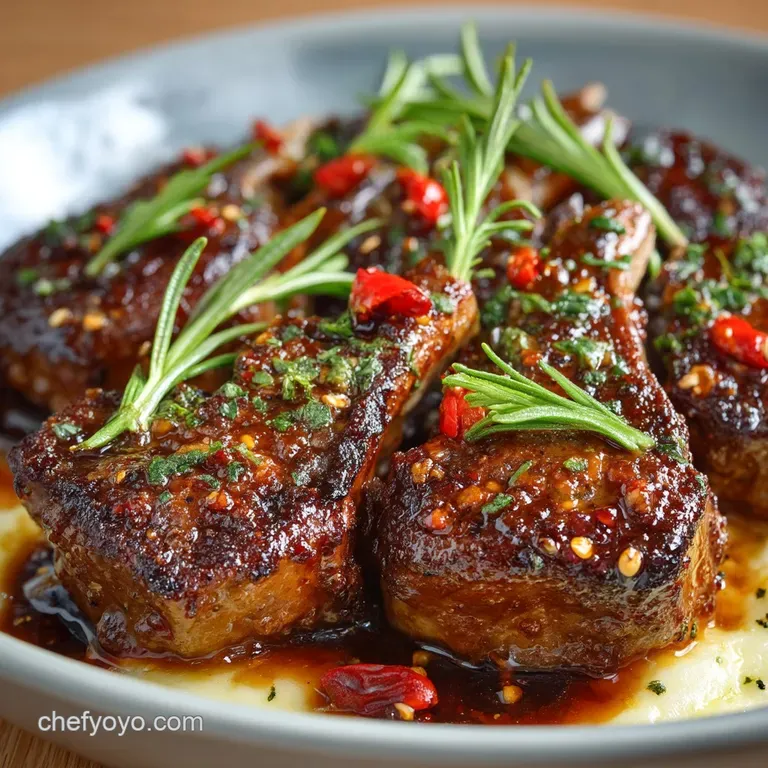
- Beyond the Ordinary: Why These Lamb Chops Are a Weeknight Triumph
- The Magic of the Glaze: Achieving Perfect Balance
- The Shopping List: Essential Components for Our Honey Garlic Lamb Chops
- Gathering Your Gear: Must-Have Tools for Pan-Seared Perfection
- Phase One: Prepping the Chops for Maximum Flavor Absorption
- The Culinary Countdown: Pan-Searing to Achieve Ideal Doneness
- The Grand Finale: Crafting and Reducing the Three-Minute Glaze
- Solving Common Snags: Troubleshooting Your Honey Garlic Lamb Chops
- Beyond Pan-Seared: Adaptation and Pairing Suggestions
- Recipe FAQs
- 📝 Recipe Card
Beyond the Ordinary: Why These Lamb Chops Are a Weeknight Triumph
We all crave that special-occasion meal that still respects our busy schedules. These Honey Garlic Lamb Chops are precisely that, a swift dive into luxury that transforms a simple cut of meat into a sticky, savoury masterpiece.
While lamb is often reserved for lengthy roasts, this approach utilizes high-heat pan-searing, ensuring a deep, flavourful crust while keeping the interior perfectly tender and juicy.
This isn't just another dinner; it’s an effortless culinary victory, delivering all the complex depth you’d expect from slow cooking in under an hour, making it the ultimate Quick Lamb Chops Dinner .
The secret lies in the beautifully balanced glaze that caramelizes perfectly onto the meat, guaranteeing an irresistible bite every single time.
The Magic of the Glaze: Achieving Perfect Balance
The distinction between a good lamb chop and an exceptional one usually comes down to the quality of the finish. For this recipe, the robust, thick glaze is the star, achieving a harmonious balance between sweetness, acidity, and umami.
Swift Luxury: Elevating Dinner in Under 20 Minutes
While preparation includes a mandatory 30-minute resting/marination period, the active cooking time for this entire dish is remarkably brief, typically only 10 to 12 minutes. By using a quick sear, we utilize the physics of heat transfer to achieve maximum flavour development rapidly.
This speed means we can deliver an indulgent, restaurant-quality meal without the time commitment usually associated with lamb dishes.
Asian-Fusion Flair: Deconstructing the Sweet and Savory Flavor Profile
The flavour profile of these Honey Garlic Lamb chops leans heavily into Asian-fusion territory. We rely on the pungent warmth of fresh garlic, which is amplified by a touch of grated ginger, to complement the natural richness of the lamb.
The sweetness provided by the honey is immediately countered by the deep, salty savouriness of the soy sauce (low sodium is recommended for better control). A crucial element is the rice wine vinegar, which provides a necessary acidic lift, preventing the final honey garlic lamb chops sauce from becoming cloyingly sweet.
Skipping the Oven: The Superior Sear of Pan-Frying
While many lamb chop recipes default to the oven, pan-frying is superior for this particular dish. High-heat searing allows for an immediate, intense Maillard reaction, developing a crust that cannot be matched by most oven methods.
Because the final step involves reducing a sugar-heavy glaze, we need that initial robust crust to protect the integrity of the lamb before the sticky reduction begins to cling to the exterior. This technique ensures maximum texture contrast, crisp exterior, juicy interior.
Ingredient Synergy: How Honey and Soy Work Together
The chemistry between honey and soy sauce is what makes this honey garlic lamb chops recipe so effective. Soy delivers essential salt and umami, seasoning the lamb deeply. Honey, beyond its sweetness, acts as a natural binder.
When reduced in the high heat of the pan, the sugars caramelize quickly, creating that beautifully sticky, viscous coating that adheres perfectly to the lamb. Without this powerful synergy, the glaze would simply run off the meat.
The Shopping List: Essential Components for Our Honey Garlic Lamb Chops
Gathering the correct components is the first step toward executing this flawless meal. For four servings, you will need eight lamb chops, ideally 1 inch (2.5 cm) thick, totalling about 900 grams. Ensure they are trimmed of excess fat.
For the dry seasoning, you require kosher salt and freshly ground black pepper. Two tablespoons (30 ml) of a high-smoke-point oil, such as canola or rice bran, will be needed for searing.
The real heart of the dish lies in the honey garlic lamb chops ingredients for the marinade and glaze. You will need a quarter cup (60 ml) of clear liquid honey and an equal measure (60 ml) of low-sodium soy sauce.
Four cloves of fresh garlic (about 20 g), finely minced, are essential, along with one tablespoon (15 ml) of rice wine vinegar and one teaspoon (5 ml) of toasted sesame oil for depth.
Do not skip the optional but highly recommended teaspoon (5 ml) of finely grated fresh ginger, which adds critical warmth to the overall profile. For garnishes, have toasted sesame seeds and fresh spring onions ready.
Gathering Your Gear: Must-Have Tools for Pan-Seared Perfection
The success of this technique hinges not just on the ingredients, but on the equipment used to manage the intense heat required for searing.
Selecting the Perfect Cut: Thickness and Bone-In Choices
Opt for bone-in lamb loin chops or rib chops, ensuring they are cut to approximately one inch (2.5 cm) thick. This thickness provides enough insulation to protect the interior of the meat during the high-heat sear, allowing you to achieve a beautiful crust without overcooking the centre.
Thinner chops are far more susceptible to drying out during the glazing phase.
Glaze Fundamentals: Choosing the Right Honey and Aromatics
For the honey marinade lamb chops , choose a runny, clear liquid honey rather than a crystallized or set variety, as it incorporates much more easily into the soy and vinegar mixture.
Use fresh aromatics exclusively; pre-minced jarred garlic simply won't deliver the necessary pungent flavor required to balance the sweetness of the glaze.
High-Heat Heroes: Choosing the Best Cooking Oil
Because we are searing the lamb over medium-high heat, you must select an oil with a high smoke point. Oils like vegetable, canola, or rice bran are excellent choices, as they can reach the necessary temperature without burning or imparting off-flavours, which is crucial for achieving that golden-brown crust.
Olive oil is best avoided here.
The Skillet Strategy: Why Cast Iron Reigns Supreme
A heavy-bottomed pan, particularly a cast iron skillet, is non-negotiable for this recipe. Cast iron retains heat incredibly well and distributes it evenly across the surface. This consistent, powerful heat delivery is what ensures the chops sear uniformly, establishing a strong, flavorful crust before we move into the delicate glazing stage.
An instant-read meat thermometer and a pair of sturdy tongs are the only other tools you will absolutely need.
Related Recipes Worth Trying
- Easy Sheet Pan Honey Garlic Sausage Sweet Potatoes — Looking for quick sausage dinners This Honey Garlic Sausage Sweet Potatoes Recipe is a sticky onepan wonder thats ready in an hour See how to get those...
- Crispy Honey Balsamic Brussels Sprouts Recipe No More Soggy Veg — Banish soggy sprouts forever This Honey Balsamic Brussels Sprouts recipe delivers crispy caramelized perfection with a simple addictive glaze Perfect for...
- The Best Traditional Shepherds Pie Recipe Rich Lamb Filling — Tired of pale imitations This easy Shepherds Pie recipe uses slowsimmered lamb and the fluffiest mash for true comfort food Get the definitive recipe
Phase One: Prepping the Chops for Maximum Flavor Absorption
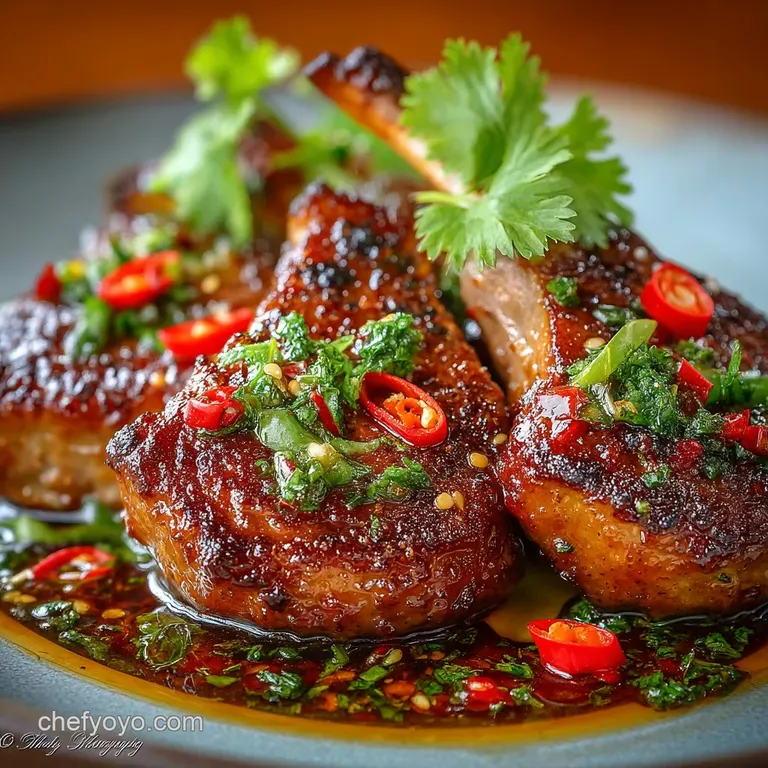
Proper preparation ensures the lamb is ready to absorb the vibrant flavours of the marinade and achieve a flawless crust. Start by patting all eight lamb chops completely dry using paper towels; moisture is the enemy of a good sear. Once dry, season generously on both sides with kosher salt and pepper.
Next, whisk together the sticky glaze and marinade components: the honey, soy sauce, minced garlic, ginger, rice wine vinegar, and sesame oil. This ensures a uniform mixture. Now, pour exactly half of this liquid mixture over the seasoned, dry lamb chops in a shallow dish, turning them to coat thoroughly.
This is your initial honey marinade lamb chops . Allow them to sit at room temperature for a minimum of 30 minutes; this resting time is vital for promoting even cooking and flavour infusion.
Crucially, reserve the remaining half of the glaze mixture, this will be added later as the final cooking and finishing sauce.
The Culinary Countdown: Pan-Searing to Achieve Ideal Doneness
The searing process is quick and decisive, designed to lock in the juices and build the foundation of flavour before the sweet glaze is introduced.
Patience Pays: Achieving the Ideal Meat Temperature Before Cooking
To avoid uneven cooking, ensure the lamb chops have rested for the full 30 minutes and are near room temperature. Trying to sear cold meat straight from the fridge often leads to a grey, overcooked exterior before the center has had a chance to warm up.
Seasoning Strategy: Ensuring Full Coverage
The initial dry seasoning with salt and pepper, applied before the liquid marinade, ensures the foundational flavour is present deep within the meat structure. Even though the glaze is savoury, this primary seasoning boosts the overall depth and complexity of the finished chop.
Temperature Check: Finding the Sweet Spot for the Perfect Crust
Heat the 30 ml of high-smoke-point oil in your skillet over medium-high heat until it shimmers and is just beginning to wispy smoke. This signals it's hot enough to form an immediate crust. Place the marinated chops carefully into the hot pan, ensuring you do not overcrowd the skillet.
If necessary, sear in two batches to allow sufficient space for the moisture to evaporate.
The Flip Maneuver: Searing Both Sides Evenly
Sear the chops undisturbed for 2–3 minutes on the first side until a deep golden-brown crust has formed. Flip them using tongs and repeat the searing process for another 2–3 minutes on the second side.
At this stage, you are solely building texture and colour; the chops should still be underdone inside.
The Grand Finale: Crafting and Reducing the Three-Minute Glaze
Once the chops are seared, the focus shifts entirely to the development of the honey garlic lamb chops sauce . This is where timing and heat control become critical.
Building the Sauce Base: Deglazing the Pan for Richness
Immediately after the searing phase, reduce the heat to medium-low. Pour the reserved half of the honey-garlic glaze directly into the pan around the chops. The liquid will hit the hot pan and begin to bubble, immediately scraping up all the caramelized brown bits (known as fond) left from the searing process.
This deglazing step incorporates immense depth and richness into the developing glaze.
Visual Cues: Knowing When the Honey Garlic Glaze is Ready
Allow the sauce to bubble gently. Due to the high sugar content from the honey, the reduction will thicken rapidly, this should take only 2–3 minutes.
As it thickens into a glossy, sticky honey garlic lamb chops sauce , use a spoon to continuously baste the chops, coating them completely. Continue cooking until the internal temperature reaches 130°F (54°C) for a perfect medium-rare, or 140°F (60°C) for medium.
Remove the chops immediately, place them on a warmed plate, cover loosely with foil, and let them rest for 5 minutes. Drizzle the resting juices and any remaining glaze over the finished chops and garnish with sesame seeds and spring onions before serving.
Solving Common Snags: Troubleshooting Your Honey Garlic Lamb Chops
Even in this relatively straightforward recipe, minor issues can arise, usually due to mismanaging heat. Knowing how to quickly address these snags ensures a perfect outcome.
The Dreaded Smoke Alarm: Managing High-Heat Cooking
Since the recipe requires an initial high-heat sear, some smoke is inevitable. However, once the honey-heavy glaze is added, the risk of burning increases significantly. If the sauce begins to blacken rather than caramelize, it means the heat is too high.
Quickly drop the temperature and, if necessary, add a teaspoon of water or stock to momentarily cool the pan and loosen the glaze. Constant basting during the final 2–3 minutes is key to preventing localized scorching.
Safe Storage and Reheating Techniques
Leftover lamb chops should be stored in an airtight container in the refrigerator and consumed within three days. To reheat without drying them out, place the chops in a low-temperature oven (300°F / 150°C) or gently warm them in a skillet over low heat with a small amount of water or stock added to rehydrate the glaze.
Reheating high-protein cuts too quickly will result in toughness.
Calorie Count Clarity: Understanding Nutritional Estimates
Due to the richness of the lamb and the use of honey, these chops are moderately calorie dense. Based on two loin chops per serving and using low-sodium soy sauce, estimates typically fall between 420–470 kcal.
They provide excellent protein (around 35 g) and moderate fat (25 g, depending on trimming), with approximately 18 g of carbohydrates, mostly derived from the honey glaze.
Beyond Pan-Seared: Adaptation and Pairing Suggestions
While pan-searing is the gold standard for quick lamb chops, sometimes volume dictates a different approach.
Oven Roasting Conversion: Adapting the Recipe for Larger Batches
If you are cooking for a crowd, adapting the honey garlic lamb chops recipe oven method is practical. Instead of fully searing the chops, give them a very quick initial sear in the pan (one minute per side) to establish some colour.
Then, transfer the skillet or move the chops to a sheet pan and finish them in a preheated 400°F (200°C) oven for about 6–8 minutes, depending on thickness. To create the glossy finish, prepare the glaze separately in a small saucepan.
Once the chops are nearly done (a minute or two from hitting the target temperature), pull them out and baste them generously with the reduced glaze before serving. This is an excellent alternative to direct Broiled Lamb Chops , which can risk burning the glaze before the interior is cooked.
This ensures the chops stay juicy and provides a reliable Lamb Chops Oven Recipe solution.
Side Dish Showcase: Perfect Companions for Rich Lamb Chops
The intense, sticky sweetness of the lamb requires sides that offer textural contrast and lightness. A creamy, plain starch, such as a smooth Smashed New Potato Mash or simple steamed Basmati rice, is ideal for soaking up any excess honey garlic lamb chops sauce .
To cut through the richness of the meat, pair it with a vibrant, peppery Rocket (Arugula) Salad dressed simply with fresh lemon juice and olive oil. For beverages, a crisp, dry Rosé or a light, hoppy Pale Ale provides the necessary acidity and effervescence to cleanse the palate after each rich, sticky bite.
Recipe FAQs
How do I make sure these chops are medium-rare and not tough as old boots?
You absolutely need an instant-read thermometer for this job, it’s the bee's knees for perfectly cooked lamb. Aim to pull the chops off the heat when they reach 130°F (54°C) for a classic medium-rare centre.
Crucially, allow that non-negotiable five-minute rest time; the temperature will climb another few degrees while resting, ensuring truly juicy results without fail.
My honey glaze keeps burning! What's the trick to getting the perfect sticky reduction?
Ah, the classic sticky sauce dilemma! Because honey is a sugar, it will seize up and burn quicker than a flash if the heat is too high. The secret is to turn the heat right down to medium-low the second you pour the reserved glaze into the pan.
Keep it bubbling gently, not fiercely, and continuously baste the chops until the sauce thickens enough to beautifully coat the back of a spoon, that’s your sign it's spot-on.
Can I use different cuts of meat for these Honey Garlic Lamb Chops?
Absolutely, you can switch things up if you don’t have loin chops handy. While the quick-cooking loin or rib chops are excellent, this sticky glaze works a treat on thick-cut pork chops or even chicken thighs.
Just remember that thicker cuts, like leg steaks or poultry, will require a slightly longer cook time to ensure they are done through (pork to 145°F / 63°C and chicken to 165°F / 74°C).
I’ve made a huge batch, how should I store leftover lamb chops?
Leftovers should be cooled quickly, stored in an airtight container, and kept in the fridge for up to three days, job done. For the best flavour, try to avoid nuking them in the microwave, as it can dry the meat out.
Instead, gently reheat them in a low oven (around 300°F / 150°C) until just warmed through, or simply slice them cold and toss them into a lunchtime salad.
The recipe mentions rice wine vinegar, is that essential, or can I skip the acid entirely?
Don’t chuck the vinegar out! That tiny bit of rice wine vinegar is crucial; it’s what gives the dish its depth and prevents the sweetness of the honey and the saltiness of the soy from tasting overwhelming or flat.
If you haven't got the specific ingredient, a dash of apple cider vinegar or a quick squeeze of fresh lime juice will do the trick nicely, it's all about providing that necessary zing to cut through the richness.
Sticky PanSeared Honey Garlic Lamb Chops Ready in 30 Mins