Succession Fancy Sushi Platter: Luxury Omakase
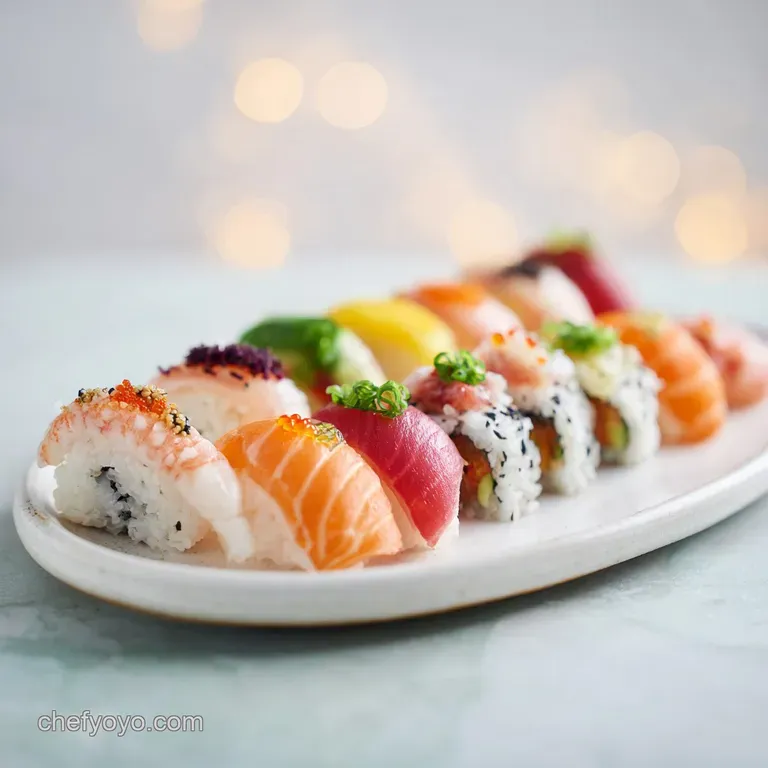
- Time: Active 45 minutes, Passive 20 minutes, Total 1 hours 5 mins
- Flavor/Texture Hook: Buttery bluefin tuna paired with the earthy, fermented tang of mahogany hued vinegared rice.
- Perfect for: Sophisticated dinner parties, "Succession" finale viewing events, or high stakes celebratory meals.
- Crafting the Ultimate Succession Fancy Sushi Platter for Luxury Dining
- The Secret to the Succession Fancy Sushi Platter Umami Balance
- Component Analysis and Ingredient Deep Dive
- Securing the Assets: Choosing Top Tier Sushi Ingredients
- The Culinary Infrastructure Required for Professional Plating
- Executing the Vision: Assembling Your Fancy Sushi Platter
- Risk Management: Solving Common High End Sushi Issues
- Customizing the Portfolio: Creative Variations and Substitutes
- Preserving the Quality: Storage and Zero Waste Strategies
- The Strategic Partnership: Drinks and Sides for Sushi
- Kitchen Myths Debunked
- Very High in Sodium
- Recipe FAQs
- 📝 Recipe Card
Crafting the Ultimate Succession Fancy Sushi Platter for Luxury Dining
The sharp, floral scent of freshly grated wasabi root is something you never forget it’s a world away from the sinus stinging green paste in a tube. I remember hosting a "Succession" finale watch party and realizing that a standard supermarket tray just wouldn't cut it for the Roy family vibe.
I wanted that specific, "old money" minimalist elegance where every single grain of rice is visible, glistening, and perfectly seasoned.
Getting this right isn't just about buying the most expensive fish you can find; it’s about the architectural integrity of the rice and the temperature of the seafood. I spent an entire weekend failing at this before I realized my mistakes: the fish was too cold, and my vinegar was too basic.
When I finally switched to Akazu—the dark, aged red wine vinegar used in Tokyo’s top tier spots the whole platter transformed from a meal into an event.
We are aiming for contemporary fusion here, combining traditional Edomae style seasoning with high end presentation. Think of this platter as a portfolio of flavor assets. You’ll want the tuna to look like velvet and the scallops to have an oceanic sweetness that lingers.
Trust me, once you see that gold leaf shimmering against the deep red of the Bluefin tuna, you'll never go back to basic rolls again.
The Secret to the Succession Fancy Sushi Platter Umami Balance
To achieve that high end restaurant finish, we have to look at the chemistry of the ingredients. It’s not just "sushi"; it’s a calculated balance of acidity, fat, and starch.
- Enzymatic Breakdown: The 1 tsp Mirin and 3 tbsp Red wine vinegar (Akazu) work together to break down surface starches on the 2 cups Koshihikari premium short grain rice, ensuring each grain stays separate and glossy rather than clumping into a sticky mess.
- Lipid Neutralization: The high acetic acid profile in the Akazu vinegar provides a necessary counterpoint to the high fat content in 200g Sashimi grade Bluefin Tuna, preventing the palate from feeling "greasy" after the first bite.
- Starch Gelatinization: Using exactly 2.5 cups Filtered water ensures the rice reaches the perfect hydration level where the grain is tender but retains a distinct "snap" or "al dente" core.
- Thermal Management: Allowing the fish to rest for 15 minutes at room temperature before serving triggers a slight fat softening, which enhances the buttery mouthfeel of the 200g Wild caught King Salmon.
| Servings | Rice Needed | Fish Total | Platter Size | Preparation Time |
|---|---|---|---|---|
| 2 People | 1 cup | 250g | 10 inch round | 40 minutes |
| 4 People | 2 cups | 550g | 14 inch slate | 1 hours 5 mins |
| 8 People | 4 cups | 1.1kg | Two large boards | 1 hours 45 mins |
Selecting the right serving size is crucial for maintaining the temperature of the raw seafood. If you're hosting a larger group, I highly recommend preparing the rice in batches to ensure the seasoning is distributed evenly throughout every grain.
Component Analysis and Ingredient Deep Dive
| Ingredient | Science Role | Pro Secret |
|---|---|---|
| Koshihikari Rice | High amylopectin starch provider | Wash until water is crystal clear to prevent gummy textures. |
| Akazu (Red Vinegar) | Acidity and depth (Umami) | Unlike white vinegar, Akazu adds a toasted, woody aroma that mimics aged sake. |
| Bluefin Tuna | Primary fat and protein source | Use the "belly" (Otoro) section for the most luxurious, melt in-mouth feel. |
| Fresh Wasabi Root | Volatile aromatic compound | Grate in a circular motion on a sharkskin grater to release the floral oils. |
Using the right rice is non negotiable for this recipe. If you're curious about the foundation of all great sushi, you should definitely check out My Foolproof Method recipe for getting that restaurant quality texture every single time. It makes a massive difference in how the fish sits on the grain.
Securing the Assets: Choosing Top Tier Sushi Ingredients
For this platter, we are using specific quantities to ensure the balance of flavors is exactly what you'd find in a high stakes executive boardroom lunch.
- 2 cups Koshihikari premium short grain rice: Substitute with regular Calrose rice if needed, but you'll lose that specific "pop" and sheen.
- 2.5 cups Filtered water: Using filtered water prevents chlorine from dulling the delicate aroma of the vinegared rice.
- 3 tbsp Red wine vinegar (Akazu): Why this? Provides a deep, fermented umami profile that white rice vinegar simply cannot replicate. (Substitute: 2 tbsp white rice vinegar + 1 tsp dark soy sauce).
- 1 tbsp Sea salt: Fine sea salt dissolves faster and more evenly into the hot rice.
- 1 tsp Mirin: Adds a subtle sweetness and a brilliant glossy finish to the rice grains.
- 200g Sashimi grade Bluefin Tuna: Substitute with high-quality Ahi tuna if Bluefin isn't available.
- 200g Wild caught King Salmon: Why this? The fat lines in King salmon are wider, providing a richer, creamier texture.
- 100g Fresh Hokkaido Scallops (U-10 size): These are the "power players" of the sea naturally sweet and incredibly tender.
- 50g Sustainably sourced Uni (Sea Urchin): This adds the "ocean butter" element that defines luxury.
- 1 Fresh Wasabi root: Substitute with high-quality prepared wasabi paste, but the flavor will be significantly more aggressive.
- 2 tbsp Pickled ginger: Used as a palate cleanser between different types of fatty fish.
- 1 sheet Edible gold leaf: For that "Succession" visual flair.
- 0.25 oz Micro shiso leaves and edible cornflowers: These provide the contemporary herbal notes that cut through the richness.
- 2 sheets Gold grade Nori: High grade nori has a distinct "shatter" when bitten.
If you find that rolling full platters is a bit much for a weeknight, you might enjoy my Salmon Avocado Sushi recipe which gives you all these flavors in a much more casual, bowl based format.
The Culinary Infrastructure Required for Professional Plating
You don't need a professional kitchen, but a few specific tools will make this process much smoother. First, a Hangiri (wooden rice tub) is a life saver because the wood absorbs excess moisture, preventing the rice from becoming soggy.
If you don't have one, a large non reactive glass bowl will work in a pinch.
Second, a Yanagiba (long, thin sushi knife) is essential for those clean, single motion slices. If you use a standard serrated knife, you’ll tear the delicate fibers of the 200g Wild caught King Salmon, and it won't have that mirror like finish.
Finally, grab a bamboo rolling mat and wrap it tightly in plastic wrap this prevents the rice from sticking and keeps your presentation surgical and clean.
Executing the Vision: Assembling Your Fancy Sushi Platter
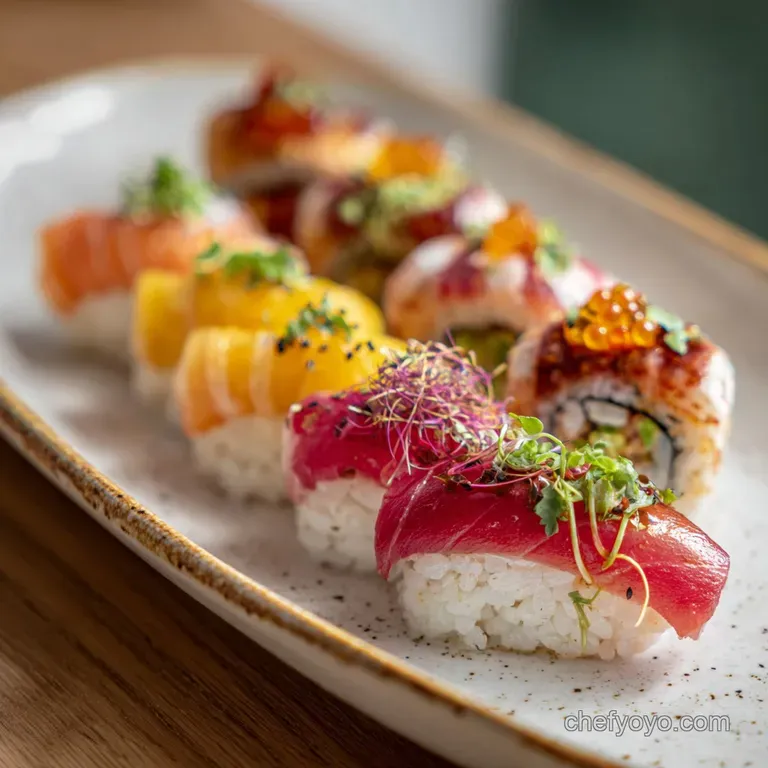
Balancing the Acetate Profile
- Rinse the rice. Place 2 cups Koshihikari premium short grain rice in a bowl and scrub gently with your fingers under cold water. Repeat 5 times until the water runs clear.Note: This removes excess surface starch that causes clumping.
- Cook the base. Combine the rinsed rice and 2.5 cups Filtered water in a rice cooker or heavy bottomed pot. Simmer for 20 minutes until the water is fully absorbed and the rice is translucent.
- Season while hot. Transfer the hot rice to a wide bowl. In a small cup, mix 3 tbsp Red wine vinegar (Akazu), 1 tbsp Sea salt, and 1 tsp Mirin. Drizzle the mixture over the rice while cutting it with a spatula in a slicing motion.Note: Do not mash the grains; you want to coat them individually.
Slicing with Surgical Precision
- Temper the fish. Remove the 200g Sashimi grade Bluefin Tuna and 200g Wild caught King Salmon from the fridge. Let them sit at room temperature for 15 minutes. Note: Cold fish numbs the taste buds; slightly tempered fish releases more flavor.
- Slice the tuna. Using a very sharp knife, cut the tuna against the grain into 1/4 inch thick slices. Aim for a single, long pulling motion rather than a sawing action.
- Prep the scallops. Take the 100g Fresh Hokkaido Scallops and slice them in half horizontally to create two thin rounds. Look for a creamy, pearlescent sheen on the inside.
Constructing the Architectural Platter
- Form the Nigiri. Wet your hands with "Tezu" (a mix of water and a splash of vinegar). Take about 20g of rice and press it into a small oblong shape. Top with a thin smear of freshly grated wasabi and a slice of fish.
- Toast the Nori. Quickly pass the 2 sheets Gold grade Nori over an open flame for 3 seconds until it smells nutty and becomes crisp.
- Final assembly. Arrange the Nigiri and sliced sashimi on a slate or wooden board. Place small dollops of 50g Sustainably sourced Uni on top of the scallops.
- Garnish for impact. Use tweezers to place 1 sheet Edible gold leaf fragments onto the tuna. Scatter 0.25 oz Micro shiso leaves and edible cornflowers across the board for a pop of color.
Chef's Tip: If you want to take the presentation even further, try the "shatter" technique. Freeze your 2 sheets Gold grade Nori for 10 minutes before slicing it into ultra thin needles (Kizami Nori). It stays crispier for much longer once it hits the moist rice.
Risk Management: Solving Common High End Sushi Issues
Why Your Sushi Rice Is Mushy
If your rice feels more like pudding than distinct grains, you likely over hydrated the starch or worked the vinegar in too aggressively. Sushi rice needs to be handled with a "cutting" motion using a wooden paddle, never stirred.
Why the Fish Tastes "Fishy"
This usually happens because moisture has sat on the surface of the fish, causing bacterial oxidation. Always pat your 200g Sashimi grade Bluefin Tuna and 200g Wild caught King Salmon dry with a paper towel immediately after taking them out of the package.
| Problem | Root Cause | Solution |
|---|---|---|
| Grains are falling apart | Not enough pressure when shaping | Use the "two finger" press technique to lock the rice base. |
| Fish looks dull/grey | Thermal oxidation (too warm) | Keep fish on a chilled plate until the exact moment of slicing. |
| Nori is chewy/rubbery | Moisture absorption from rice | Only wrap nori around the rice seconds before serving. |
Common Mistakes Checklist:
- ✓ Never use "Minute Rice" or long grain rice; it lacks the amylopectin needed to hold shape.
- ✓ Don't skip the rice rinsing the cloudy water is your enemy for a clean finish.
- ✓ Avoid over seasoning the rice; the Akazu vinegar is powerful and should complement, not mask, the fish.
- ✓ Ensure your knife is sharp enough to slice a tomato without pressure; otherwise, you'll bruise the fish.
- ✓ Keep a bowl of vinegared water (Tezu) nearby to prevent rice from sticking to your hands.
Customizing the Portfolio: Creative Variations and Substitutes
The beauty of a "Succession" themed platter is that it’s all about the "hostile takeover" of traditional flavors. If you want to mix things up, you can easily swap the protein or the rice style while keeping the luxury feel.
- The "Power Player" Swap: If you can't find Uni, try using a small dollop of Truffle infused Aioli on the scallops. It provides that same creamy, earthy depth that screams high end dining.
- The "Healthier Executive" Twist: You can use a mix of 50% cauliflower rice and 50% Koshihikari rice. Just be sure to squeeze all the moisture out of the cauliflower first, or your platter will become a puddle.
- The "Budget Negotiator" Swap: Swap Bluefin tuna for high-quality Steelhead trout. It has a similar fat content and color to salmon but is often much more accessible.
If you love the idea of these flavors but want something more fun for a party, my Alaska Sushi Roll recipe is a fantastic alternative that uses many of the same high-quality ingredients in a classic roll format.
| Premium Option | Budget Alternative | Flavor Impact | Savings |
|---|---|---|---|
| Bluefin Tuna | Ahi (Yellowfin) Tuna | Less fat, more "metallic" iron flavor | Save $15-20 |
| Fresh Wasabi | Powdered Wasabi | More heat, less floral complexity | Save $10 |
| Gold Leaf | Toasted Sesame Seeds | Nutty crunch instead of visual shimmer | Save $5 |
Preserving the Quality: Storage and Zero Waste Strategies
Sushi is always best eaten immediately, but if you have leftovers, there are ways to handle them without being wasteful. Storage: Keep the fish and rice separate if possible.
The fish will stay safe in the fridge for 24 hours if wrapped tightly in plastic wrap (touching the surface of the fish to prevent air contact). The rice should be kept at room temperature in a sealed container for no more than 12 hours; refrigerating sushi rice makes it hard and unpalatable.
Zero Waste: If you have scraps of fish left over from your "surgical" slicing, don't throw them away! Finely chop them up, mix with a little spicy mayo, and make a "hand roll" for yourself the next day. Any leftover Nori can be toasted and crumbled over a salad for an instant umami boost.
You can also use the discarded wasabi stems to infuse into a soy sauce for a spicy, floral dipping dip.
The Strategic Partnership: Drinks and Sides for Sushi
To truly round out this Succession fancy sushi platter, you need the right beverage pairings. A crisp, bone dry Junmai Daiginjo Sake is the classic choice, as its floral notes mimic the fresh wasabi.
If you're a wine lover, a high acid Champagne or a mineral heavy Riesling will cut through the fat of the Uni and Salmon beautifully.
For sides, keep it minimal. A simple Miso soup with silken tofu or a sunomono (cucumber salad) provides the necessary contrast in temperature and texture. The goal is to keep the focus on the platter itself. You want your guests to feel like they’ve just closed a billion dollar deal with every bite.
| Method | Time | Texture | Best For |
|---|---|---|---|
| Rice Cooker | 20 minutes | Consistently fluffy | Ease and reliability |
| Stovetop Pot | 25 minutes | Slightly crispier bottom | Traditional "Hearth" flavor |
| Pressure Cooker | 12 minutes | Denser, stickier grain | When you are in a rush |
Kitchen Myths Debunked
One of the biggest myths in the sushi world is that fish should be served ice cold. In reality, serving 200g Sashimi grade Bluefin Tuna straight from the fridge masks its intricate fat profile.
Top chefs actually prefer the fish to be around 55°F (12°C) so the fats can begin to emulsify on your tongue.
Another misconception is that you should submerge your sushi in soy sauce. If you’ve seasoned your rice correctly with Akazu, you barely need any soy at all. Over soaking the rice destroys the structural integrity of the Nigiri and drowns out the delicate sweetness of the 100g Fresh Hokkaido Scallops.
A light brush of soy on the fish only is the way to go.
Right then, you're ready to execute. This isn't just a recipe; it's a statement. Focus on the rice, respect the fish, and don't forget the gold leaf. Let's crack on!
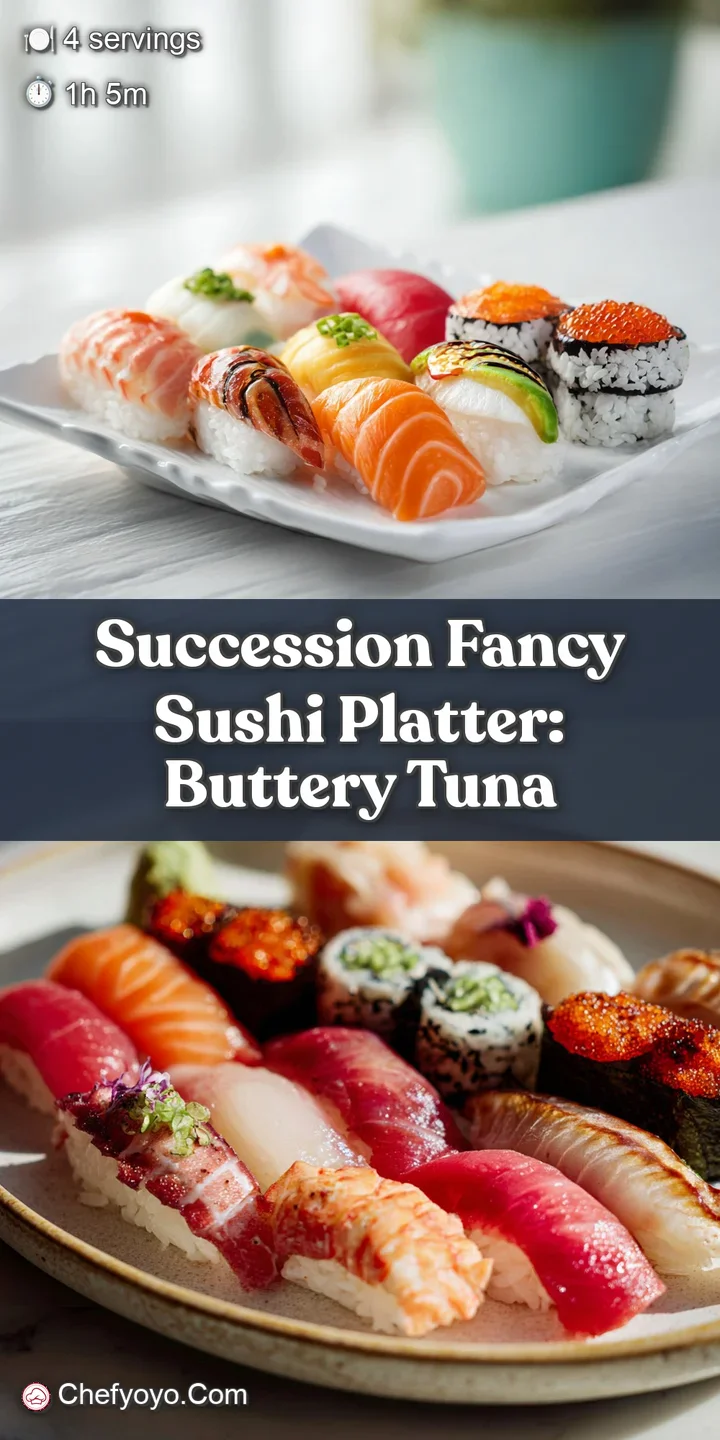
Very High in Sodium
1740 mg mg of sodium per serving (76% of daily value)
The American Heart Association recommends limiting sodium intake to about 2,300mg per day for overall health.
Simple Swaps for a Lower Sodium Sushi Experience
-
Reduce Sea Salt-25%
The sea salt contributes a significant amount of sodium. Try reducing the amount of sea salt added to the rice from 1 tbsp to 0.5 tbsp, and adjust to taste. You can also experiment with a low-sodium sea salt alternative.
-
Low Sodium Rice-10%
Ensure the Koshihikari rice is thoroughly rinsed before cooking. Rinsing helps to remove any residual sodium that may be present, leading to a slight reduction in the overall sodium content. Rinse until the water runs clear.
-
Limit Pickled Ginger-10%
Pickled ginger is often high in sodium due to the pickling process. Use it sparingly or opt for a homemade version where you can control the sodium content.
-
Enhance Flavor with Herbs
Instead of relying solely on salt for flavor, experiment with fresh herbs like finely chopped chives or a small amount of yuzu zest to complement the tuna, salmon, and scallops. Fresh wasabi is also great option.
Recipe FAQs
What is typically included in a high end succession fancy sushi platter?
Typically includes high grade sashimi, uni, and precisely seasoned rice. Expect premium cuts like Bluefin Tuna, King Salmon, and Hokkaido Scallops, all complemented by edible gold leaf and microgreens for luxury presentation.
What is a fantasy roll sushi?
This term generally refers to creative, non-traditional rolls featuring unique or complex ingredients. Fantasy rolls often involve cooked elements, sauces, or deep fried components, differing from the minimalist structure of Edomae style platters.
Does Costco have a high end sushi platter suitable for a "Succession" style event?
No, Costco platters are generally budget focused and lack the necessary quality standards. For a high end experience, you must source sashimi grade fish yourself or use a specialized vendor, as Costco typically uses lower grade cuts.
How many pieces of sushi are needed for 50 people?
Plan for 10-12 total pieces per person if serving it as the main course. This means roughly 500 to 600 total pieces; for a platter focused on tasting expensive items, aim slightly lower at 8 pieces per person.
How do I achieve the perfectly glossy, separate grains in high end sushi rice?
Cut the seasoned vinegar into the hot rice using a slicing motion, do not stir or mash. The secret is using aged red wine vinegar, similar to the acidity balancing technique used in our Pan Seared Yellowfin recipe for perfectly structured sauces.
Is it true that you must serve the fish ice cold to ensure safety?
No, this is a common misconception for tasting flavor. While safety requires proper handling, serving fish straight from the deep freeze dulls the flavor profile; aim for a slightly tempered temperature (around 55°F) to maximize buttery texture.
How should I slice the Bluefin Tuna for the perfect melt-in-your mouth texture?
Slice the tempered tuna against the grain using one long, continuous pulling motion. Avoid sawing back and forth, as this tears the muscle fibers and ruins the velvety texture of the expensive cut.
Succession Fancy Sushi Platter
Ingredients:
Instructions:
Nutrition Facts:
| Calories | 557 calories |
|---|---|
| Protein | 34g |
| Fat | 11g |
| Carbs | 78g |
| Fiber | 1g |
| Sugar | 1.5g |
| Sodium | 1740mg |
