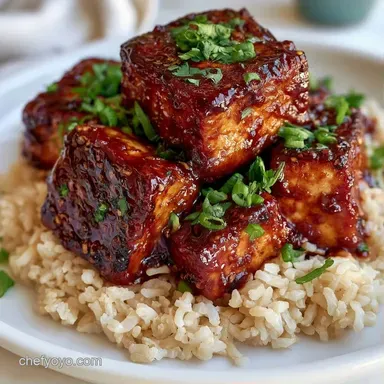
Crispy Teriyaki Tofu Brown Rice
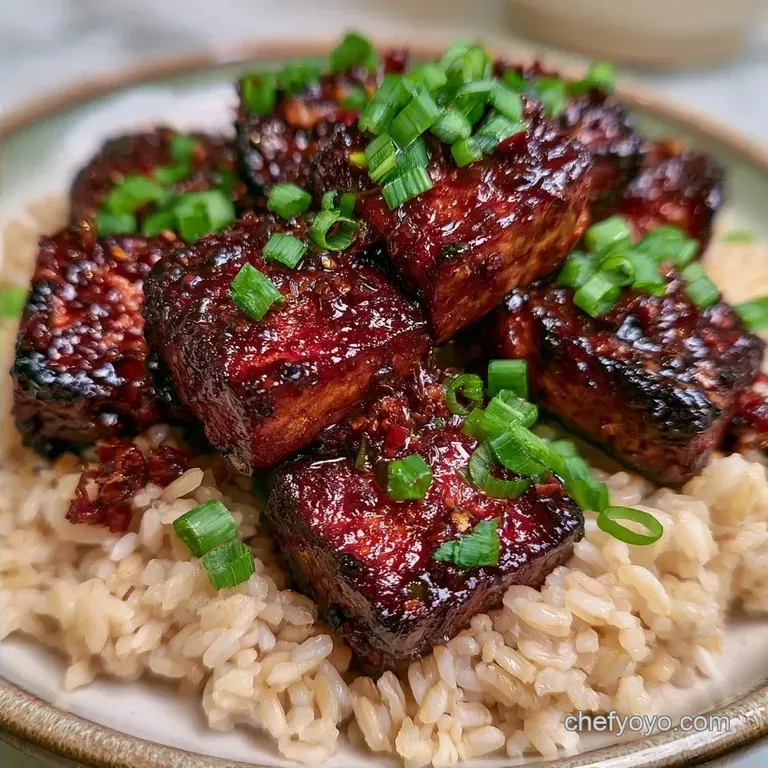
- Time: 10 min active + 30 min cooking
- Flavor/Texture Hook: Crispy tofu edges with a syrupy, clinging glaze
- Perfect for: Healthy weeknight meal prep
- Making Teriyaki Tofu Brown Rice
- Tofu Cooking Method Comparison
- The Ingredient Deep Dive
- Main Ingredients and Swaps
- Essential Cooking Tools
- Steps for Great Results
- Solving Common Cooking Problems
- Adjusting the Portion Size
- Tofu and Rice Myths
- Storage and Waste Tips
- Recommended Side Pairings
- Critical Sodium Level
- Recipe FAQs
- 📝 Recipe Card
The smell of toasted sesame and simmering ginger always hits me first. There is something about the sound of tofu hitting a hot skillet that just feels right. I remember my first attempt at this, where I forgot to press the tofu.
It didn't sear, it just steamed in its own juices, and I ended up with a soggy mess that felt more like a sponge than a meal.
Now, I've got a system that actually works. You don't need a million fancy tools, just a good skillet and some patience with the rice. This Teriyaki Tofu Brown Rice approach is all about the contrast between the chew of the brown rice and the snap of the tofu.
It's a straightforward meal, but the details matter. We're talking about a dish that feels like takeout but doesn't leave you feeling sluggish. Right then, let's get into how to make this without the stress.
Making Teriyaki Tofu Brown Rice
The logic here is simple: we want the tofu to be a vessel for the sauce. If the tofu is too wet, the sauce just slides off. By coating it in cornstarch, we create a rough surface that grips the glaze. This is the same logic used in many professional kitchens, and according to Serious Eats, a starch coating is the most reliable way to get a crisp exterior on tofu.
- Starch Coating
- Cornstarch absorbs surface moisture and creates a thin, brittle layer that browns quickly in oil.
- Brown Rice Texture
- Rinsing the rice removes excess surface starch, which prevents the grains from clumping together.
- The Slurry
- Mixing cornstarch with cold water before adding it to the heat prevents lumps and ensures the sauce thickens evenly.
If you're in a rush, you can use a homemade teriyaki sauce to save time, but making it in the pan gives you more control over the thickness.
Tofu Cooking Method Comparison
| Method | Time | Texture | Best For |
|---|---|---|---|
| Stovetop | 15 mins | Extra crispy edges | Quick weeknight meals |
| Oven Baked | 30 mins | Uniform golden brown | Large batches |
| air fried | 12 mins | Very crunchy | Minimal oil usage |
The stovetop is my go to for Teriyaki Tofu Brown Rice because it lets me see exactly when the tofu turns golden. The direct heat creates those little charred bits that taste better than a uniform oven bake.
The Ingredient Deep Dive
| Ingredient | What It Does | Best Swap |
|---|---|---|
| Extra Firm Tofu | Provides the protein base | Tempeh (adds nuttier flavor) |
| Brown Rice | Hearty, fiber rich base | Quinoa (faster cooking) |
| Maple Syrup | Adds sweetness and gloss | Brown sugar (more caramel notes) |
| Cornstarch | Creates the crust and thickens | Arrowroot powder (similar result) |
Main Ingredients and Swaps
- 1 cup long grain brown rice Why this? Holds its shape better than short grain.
- 2 cups water
- 1/2 tsp salt
- 14 oz extra firm tofu, pressed and cubed Why this? Less water means better searing.
- 2 tbsp cornstarch
- 2 tbsp neutral oil (like canola or grapeseed)
- 1/4 tsp salt
- 1/4 tsp black pepper
- 1/3 cup soy sauce Why this? Provides the salty umami base.
- 3 tbsp maple syrup
- 1 tbsp rice vinegar
- 1 tsp fresh ginger, grated
- 2 cloves garlic, minced
- 1 tsp cornstarch
- 1 tbsp cold water
- 3 cups broccoli florets
- 2 scallions, thinly sliced
- 1 tsp toasted sesame seeds
For those avoiding soy, coconut aminos work well as a substitute for soy sauce, though they are slightly sweeter. If you want a more intense flavor, you can add a teaspoon of miso paste to the sauce mix.
Essential Cooking Tools
You don't need much here. A medium pot for the rice and a large non stick or cast iron skillet are the heavy hitters. I prefer a cast iron because it holds heat better, which helps the tofu brown without having to use a ton of oil.
A fine mesh strainer is a must for rinsing the rice. If you don't have a tofu press, a couple of heavy books and some paper towels do the job just fine. Trust me, don't skip the pressing step.
Steps for Great Results
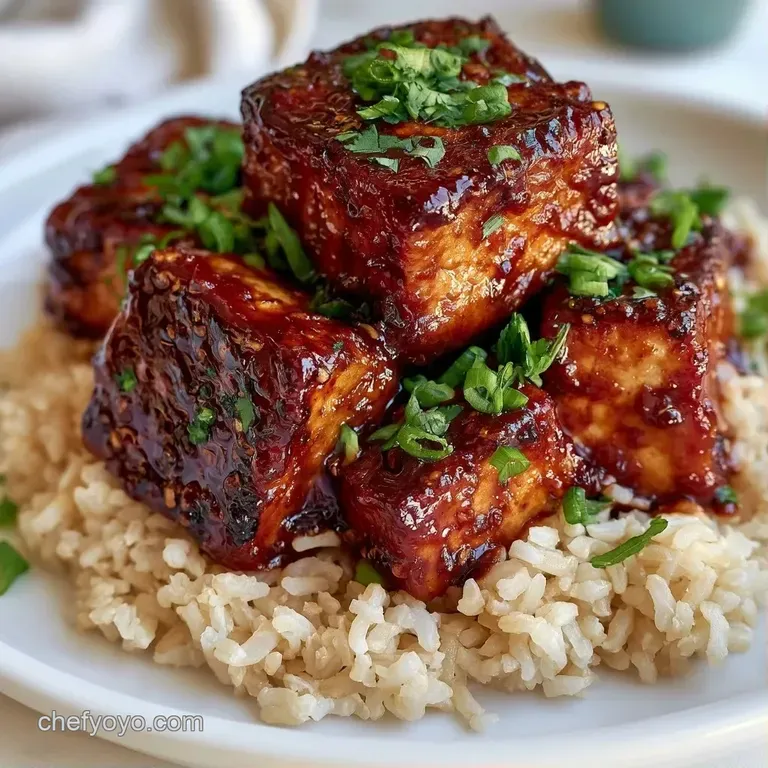
The Rice Base
- Rinse the brown rice under cold water until the water runs clear. Note: This prevents the rice from becoming gummy.
- Combine rice, water, and salt in a pot. Bring to a boil, then reduce to a low simmer.
- Cover tightly and cook for 40-45 minutes until the water is absorbed and grains are tender.
- Let it rest, covered, for 5 minutes before fluffing with a fork.
Crispy Tofu Tips
- Pat the pressed tofu cubes completely dry with a paper towel. Note: Any moisture left will steam the tofu instead of searing it.
- Toss the cubes in a bowl with cornstarch, salt, and pepper until lightly coated.
- Heat oil in the skillet over medium high heat. Add tofu in a single layer and sear for 3-5 minutes per side until the edges are golden brown and the crust feels firm.
- Remove tofu and set aside on a plate.
The Sauce Mix
- In the same pan, add the broccoli and a splash of water. Cover for 2 minutes to steam soften.
- Stir in the soy sauce, maple syrup, rice vinegar, ginger, and garlic.
- Bring to a simmer and slowly whisk in the cornstarch slurry (cornstarch dissolved in cold water).
- Continue stirring for 1-2 minutes until the sauce becomes syrupy and translucent.
- Return the crispy tofu to the pan and toss quickly to coat every piece in the glaze.
Solving Common Cooking Problems
Cooking tofu can be finicky. The biggest issue is usually texture. If your tofu is too soft, it's likely because it wasn't pressed long enough or the pan wasn't hot enough when the tofu went in.
Tofu Sogginess
If the tofu doesn't get a crust, you might have crowded the pan. When you add too many pieces at once, the pan temperature drops, and the tofu releases moisture. Work in batches if your skillet is small.
Thin Sauce Fixes
A watery sauce won't cling to the tofu. This happens if the slurry isn't cooked long enough or if you added too much water when steaming the broccoli. Keep simmering until it coats the back of a spoon.
Burnt Garlic Fixes
Garlic burns quickly over medium high heat. Add it at the same time as the soy sauce and maple syrup. The liquids protect the garlic from burning while it flavors the glaze.
| Problem | Root Cause | Solution |
|---|---|---|
| Tofu sticks to pan | Pan not hot enough | Heat oil until it shimmers before adding tofu |
| Rice is too hard | Not enough water/simmer time | Add 2 tbsp water and simmer 5 mins more |
| Sauce is too salty | Soy sauce brand is too potent | Add a squeeze of lime or extra maple syrup |
Adjusting the Portion Size
When you're making a larger batch of Teriyaki Tofu Brown Rice, don't just double everything blindly.
For a 2x batch, I recommend increasing the salt and spices to only 1.5x. Liquids usually don't need to be fully doubled because they don't evaporate as quickly in a crowded pan. I suggest reducing the liquid by about 10% to keep the sauce from becoming too thin.
If you're scaling down to a single serving, use a smaller pot for the rice to prevent the water from evaporating too fast. Reduce the cooking time by about 20% for the tofu searing, as a smaller amount of tofu won't cool the pan down as much.
Tofu and Rice Myths
Some people think you have to fry tofu in deep oil to get it crispy. That's not true. A simple cornstarch toss and a bit of neutral oil in a skillet give you plenty of crunch without the grease.
Another common myth is that pressing tofu removes all the flavor. It actually does the opposite. By removing excess water, you create more room for the sauce to penetrate the tofu, making the Teriyaki Tofu Brown Rice taste more intense.
Finally, some believe brown rice is "too healthy" to be flavorful. The key is the rinse and the rest period. Letting the rice sit for 5 minutes after cooking allows the moisture to redistribute, making the grains fluffy rather than dense.
Storage and Waste Tips
This recipe is a powerhouse for meal prep. Store the Teriyaki Tofu Brown Rice in airtight containers in the fridge for up to 4 days. The rice might firm up in the cold, but a splash of water before reheating fixes that.
For freezing, I only recommend freezing the tofu and rice separately. The broccoli loses its snap in the freezer, so it's better to add fresh greens when you reheat. The cooked tofu stays good for about 2 months in the freezer.
To reduce waste, don't toss the broccoli stalks. Peel the tough outer skin with a vegetable peeler, slice the tender inside into thin coins, and throw them in the pan with the florets. They add a great crunch and keep the nutrients in the meal.
Recommended Side Pairings
While the bowl is a full meal, a few additions can make it feel more complete. I love serving this with a side of quick pickled cucumbers or a sliced avocado to add a creamy element.
If you're looking for more plant based inspiration, this works well as a component in a vegan buddha bowl along with shredded carrots and cabbage.
For a more traditional experience, serve it with a side of miso soup or a simple steamed cabbage salad with sesame oil. The acidity of the vinegar in the glaze pairs well with something cooling and fresh.
Honestly, the best part about Teriyaki Tofu Brown Rice is how adaptable it is. You can swap the broccoli for snap peas or bok choy depending on what's in your crisper drawer. Just keep the cornstarch and the pressing technique the same, and you'll get that great result every time. Enjoy your meal!
Critical Sodium Level
1380 mg 1380 mg of sodium per serving (60% 60% of daily value)
The American Heart Association recommends a daily sodium limit of no more than 2,300 mg, with an ideal limit of 1,500 mg for most adults, especially those with hypertension.
Tips to Reduce Sodium
-
Swap the Soy Sauce-30%
Replace regular soy sauce with low-sodium soy sauce or coconut aminos to significantly reduce the primary sodium source while keeping the umami flavor.
-
Omit Rice Salt-20%
Remove the 1/2 tsp of salt from the rice cooking water. The savory sauce added later will provide ample seasoning for the rice.
-
Season Tofu without Salt-10%
Replace the 1/4 tsp of salt used for the tofu with garlic powder or smoked paprika to maintain a savory crust without the sodium.
-
Enhance Natural Aromatics
Double the amount of fresh ginger and garlic to create a bolder flavor profile that reduces the craving for added salt.
Recipe FAQs
Can I use soft tofu instead of extra firm tofu for this recipe?
No, stick with extra firm. Soft tofu contains too much moisture to sear properly and will crumble in the pan.
How to get the tofu cubes crispy without deep frying?
Pat the cubes completely dry and toss in cornstarch. Sear in a skillet over medium high heat for 3 5 minutes per side until the edges are golden brown.
How to make the brown rice tender and fluffy?
Simmer covered for 40 45 minutes. Let the pot rest for 5 minutes before fluffing with a fork to prevent the grains from clumping.
Is it true that brown rice doesn't need to be rinsed?
No, this is a common misconception. Rinsing under cold water until clear removes excess surface starch, which prevents the rice from becoming gummy.
How to store and reheat the leftovers?
Store in airtight containers in the fridge for up to 4 days. Add a splash of water to the rice before reheating to restore its original moisture.
How to thicken the teriyaki sauce if it stays watery?
Whisk in the cornstarch slurry and simmer for 1 2 minutes. Continue stirring until the liquid becomes syrupy and translucent.
Is this recipe a good option for meal prep?
Yes, it is an excellent choice. If you enjoyed the efficiency of this one-pan glaze, you can apply the same sauce thickening principle to a beef and broccoli dish.
Teriyaki Tofu Brown Rice