Tomato Zucchini Pasta Recipe
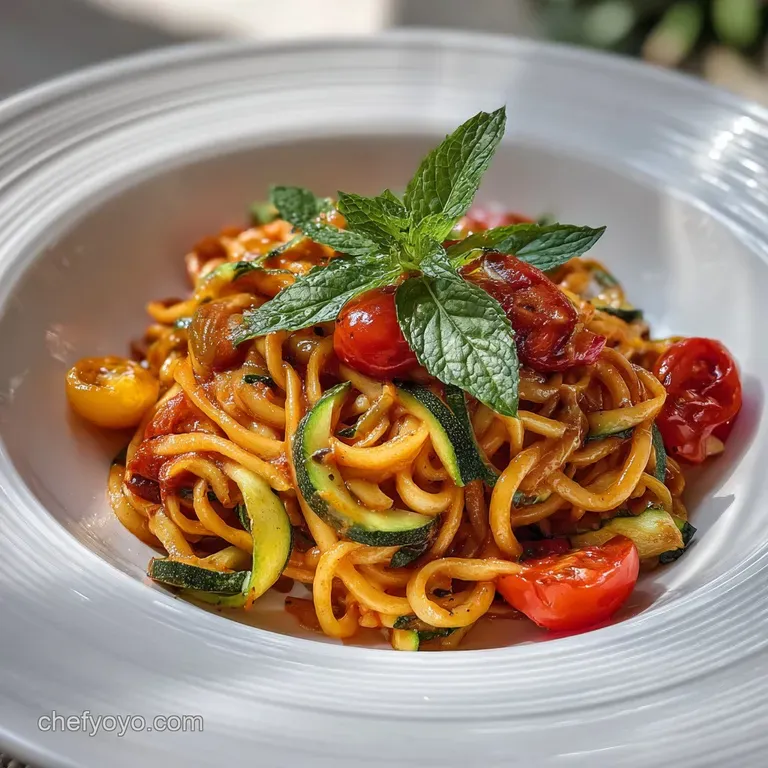
- Time: Active 10 minutes, Passive 10 minutes, Total 20 minutes
- Flavor/Texture Hook: Blistered, velvety, and garlicky
- Perfect for: Busy weeknights or alfresco summer dining
- Crafting the Perfect Tomato Zucchini Pasta Recipe
- Artisanal Techniques for Better Pasta
- Essential Specs and Yield Data
- Selecting Your Mediterranean Ingredients
- Basic Kitchen Tools Required
- Instructions for the Perfect Plate
- Resolving Common Sauce Mistakes
- Scaling Guidelines for Larger Groups
- Debunking Common Pasta Traditions
- Keeping Your Leftovers Fresh
- Personalize Your Garden Dish
- What to Serve Tonight
- Recipe FAQs
- 📝 Recipe Card
Crafting the Perfect Tomato Zucchini Pasta Recipe
The aroma of thinly shaved garlic hitting warm olive oil is a sensory trigger that instantly transports me back to a small kitchen in Tuscany. I remember the first time I attempted this tomato zucchini pasta recipe; I was so worried about the zucchini becoming mushy that I barely cooked it.
The result was crunchy and disconnected. But then I learned the secret of the over high heat sear, and everything changed. The way the zucchini edges turn golden and the cherry tomatoes literally "pop" in the pan creates a rustic symphony of flavors that no bottled sauce can ever replicate.
It's all about that moment when the pasta water meets the oil. You'll hear a sudden, violent sizzle that transforms into a creamy hum as the emulsion forms. We aren't just making a meal here; we are building layers of texture.
The "shatter" of a well seared zucchini skin against the "velvety" finish of the sauce is what makes this dish feel truly artisanal. Trust me, once you see those tomatoes blister and release their sweet nectar, you'll never go back to the heavy, over boiled versions of the past.
Right then, let's talk about why this works so well. It isn't just about throwing vegetables in a pan; it’s about a specific sequence of heat and timing. We’re aiming for a dish that feels light yet satisfying, brightened by a final hit of lemon and the peppery bite of fresh basil.
If you’ve ever felt like your vegetable pastas were a bit bland or watery, this method is your solution. We are going to treat every ingredient with the respect a Mediterranean garden deserves.
The Physics of Blistered Sauces
over High heat Pectin Release: Searing cherry tomatoes until they burst utilizes heat to break down cellular walls, releasing natural pectins that thicken the sauce instantly. This creates a glossy coating without needing heavy creams or starches.
Mastering the Starch Emulsion
Molecular Binding: Adding starchy pasta water to the olive oil creates a temporary emulsion where the water and fat bond together. This "liquid gold" ensures the sauce clings to every strand of spaghetti rather than puddling at the bottom of your bowl.
| Ingredient Choice | Texture Impact | Flavor Profile | Best For |
|---|---|---|---|
| Fresh Ingredients | Firm, snappy vegetables | Bright, acidic, sweet | Weekend artisanal meals |
| Frozen/Canned | Softer, jammy texture | Deep, concentrated, salty | Quick pantry raid nights |
Using fresh produce is always my first choice for this specific dish because of the structural integrity of the zucchini. This sautéed style reminds me of the technique used in my favorite How to Create recipe for those nights when I want deep flavor without a two hour simmer.
Artisanal Techniques for Better Pasta
| Component | Science Role | Pro Secret |
|---|---|---|
| 400g Zucchini | Provides structural "meatiness" | Sear on high heat for 2 minutes without stirring. |
| Extra Virgin Olive Oil | Flavor carrier and emulsifier | Use a cold pressed oil for the best peppery finish. |
| Garlic Cloves | Aromatic base | Shave them with a mandoline so they melt into the oil. |
The zucchini serves as more than just a vegetable; it’s the heart of the dish's texture. By slicing them into half moons, we maximize the surface area for browning. This browning, or Maillard reaction, adds a savory depth that balances the natural sweetness of the 300g of cherry tomatoes. If you find yourself wanting a different protein profile later in the week, you could even adapt this method for a Tuna Tomato Pasta recipe by folding in the fish at the very end.
One thing I’ve learned from years of making mistakes is that the thickness of your garlic matters. If you chop it into chunks, it stays bitter. If you shave it, it turns sweet and buttery.
It’s these small, artisanal touches that elevate a simple pantry pasta into something you’d find in a high end bistro.
Essential Specs and Yield Data
For this recipe, we are looking at a total time of 20 minutes, which is faster than most delivery services. You’ll spend about 10 minutes prepping your vegetables mostly slicing that zucchini and shaving the garlic and another 10 minutes at the stove.
Chef's Tip: Freeze your block of Parmesan for 10 minutes before grating. It prevents the cheese from clumping and creates those beautiful, airy "clouds" of saltiness that melt perfectly over the hot spaghetti.
When you're cooking for four people, the 1 lb of spaghetti provides the perfect ratio for the 400g of zucchini. It ensures every bite has a piece of vegetable attached. If you're using a different pasta shape, like penne, remember that the cooking time might shift by a minute or two.
Always aim for "al dente" that slight resistance to the tooth is vital for the final toss in the pan.
Selecting Your Mediterranean Ingredients
- 1 lb Spaghetti: The long strands are perfect for carrying the light, oily sauce.
- 2 tbsp Sea Salt: Specifically for the pasta water; it should taste like the ocean.
- 400g Zucchini: Half moons work best for a rustic look. Why this? Maintains texture without turning to mush during the over high heat sear.
- 300g Cherry Tomatoes: Use the smallest, sweetest ones you can find. Why this? Their thin skins pop easily to create the sauce base.
- 4 Cloves Garlic: Thinly shaved.
- 1/2 tsp Red Pepper Flakes: For a gentle, warm glow.
- 1/4 cup Extra Virgin Olive Oil: Use high-quality here; it is the "sauce" foundation.
- 50g Parmesan Cheese: Freshly grated is non negotiable.
- 15g Fresh Basil: Hand torn to prevent bruising.
- 1 tbsp Lemon Juice: Adds the final "pop" of acidity.
- Black Pepper: Freshly cracked to taste.
| Original Ingredient | Substitute | Why It Works |
|---|---|---|
| Spaghetti | Penne or Rigatoni | Holds chunky sauce well in the ridges. |
| Zucchini | Yellow Squash | Same moisture content; adds a beautiful golden color. |
| Parmesan | Pecorino Romano | Harder and saltier; adds a sharper Mediterranean bite. |
| Cherry Tomatoes | Diced Roma Tomatoes | Higher flesh to seed ratio; results in a thicker, heavier sauce. |
If you decide to swap the spaghetti for penne, make sure you don't overcook it in the water. The pasta continues to cook for a final minute in the pan while it absorbs the tomato juices.
Basic Kitchen Tools Required
You don't need a pantry full of gadgets, but a heavy bottomed skillet is your best friend here. A 12 inch stainless steel or cast iron pan allows the zucchini enough space to sear rather than steam.
If the pan is too small, the vegetables will release their moisture and boil in their own juices, which is exactly how you end up with "rubbery" zucchini.
A large pot for the pasta is also essential. Use at least 4 to 5 quarts of water. Many people use too little water, which leads to a gummy pasta texture because the starch becomes too concentrated.
Finally, keep a glass measuring cup near the stove this is for "rescuing" that precious pasta water before you drain the pot.
Instructions for the Perfect Plate
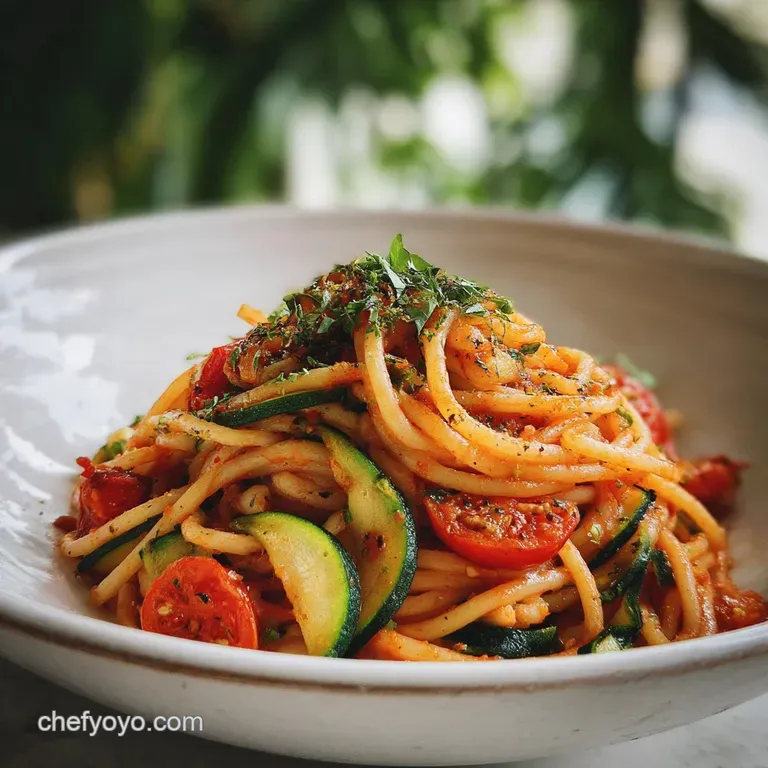
- Boil the water. Fill a large pot with water and add the 2 tbsp of sea salt. Wait until it's a rolling boil before adding the 1 lb of spaghetti.
- Prep the vegetables. While the water heats, slice the 400g of zucchini into half moons and shave the 4 garlic cloves into paper thin slices.
- Start the sear. Heat the 1/4 cup of olive oil in a large skillet over medium high heat until it shimmers and swirls easily.
- Brown the zucchini. Add the zucchini in a single layer. Cook for 2 minutes without moving them until the bottoms are deeply golden and caramelized.
- Add the aromatics. Toss in the shaved garlic and 1/2 tsp red pepper flakes. Sauté for 30 seconds until the garlic is fragrant but not browned.
- Blister the tomatoes. Stir in the 300g of cherry tomatoes. Cook for 3-4 minutes until the skins start to wrinkle and pop under slight pressure.
- Rescue the water. Before draining the pasta, scoop out 1/2 cup of the starchy water. Drain the spaghetti while it's still slightly firm.
- Marry the dish. Add the pasta and the reserved water to the skillet. Toss vigorously over medium heat until a glossy, velvety sauce coats every strand.
- Season and brighten. Turn off the heat. Stir in the 1 tbsp of lemon juice and the 50g of Parmesan cheese.
- Final garnish. Fold in the 15g of torn basil leaves and a generous crack of black pepper. Serve immediately while the aromas are at their peak.
Chef's Note: Add your color accents in stages. Add the zucchini first for the deep green, the tomatoes second for the bright red, and the basil only at the very end to keep that vibrant, fresh green from turning brown in the heat.
Resolving Common Sauce Mistakes
Fixing a Watery Base
Sometimes, despite our best efforts, the sauce looks more like soup than silk. This usually happens if the tomatoes were particularly juicy or if too much pasta water was added too quickly. To fix this, simply increase the heat to high for 60 seconds while tossing the pasta constantly.
This encourages the water to evaporate while the starch binds with the oil.
Why Your Zucchini Is Rubbery
Rubbery zucchini is almost always a result of low heat or overcrowding. If you put too much into a small pan, the temperature drops, and the vegetable steams. Always use a large pan and ensure the oil is hot enough to produce a distinct "hiss" the moment the zucchini touches it.
| Problem | Root Cause | Solution |
|---|---|---|
| Bland Flavor | Under salted pasta water | Add a pinch of sea salt directly to the finished sauce. |
| Sticky Pasta | Not enough tossing | Add another splash of pasta water and toss vigorously. |
| Burnt Garlic | Added too early | Keep the garlic moving and add tomatoes immediately after 30 seconds. |
Common Mistakes Checklist
- ✓ Don't rinse your pasta; you need that starch for the sauce to stick.
- ✓ Ensure the skillet is preheated for 3 full minutes before adding the zucchini.
- ✓ Use a mandoline for the garlic to ensure even, thin slices that melt away.
- ✓ Only add the basil at the very end to prevent it from losing its floral aroma.
- ✓ Never skip the lemon juice; it provides the necessary contrast to the fatty oil.
Scaling Guidelines for Larger Groups
Cutting the recipe in half: If you’re cooking for two, simply halve all the ingredients. You can still use a 12 inch skillet, which actually makes searing the zucchini even easier as there’s more room. Reduce the pasta water addition to 1/4 cup initially.
Doubling the recipe: When cooking for eight, I recommend working in two separate batches for the sauce or using two large skillets. If you try to cook 800g of zucchini in one pan, you will lose that beautiful sear.
For spices like red pepper flakes, only increase to 1.5x (about 3/4 tsp) to avoid overwhelming the dish with heat.
Debunking Common Pasta Traditions
Adding oil to the water: Many people do this to prevent sticking, but it actually prevents the sauce from adhering to the pasta later. The oil creates a slick coating that the tomato juices will just slide off. Skip the oil; just use plenty of water and salt.
Rinsing the pasta: This is the ultimate kitchen sin for a dish like this. Rinsing removes the surface starch which is the primary "glue" that creates our velvety emulsion. If you rinse, your sauce will always be watery and thin.
Keeping Your Leftovers Fresh
Storage: This tomato zucchini pasta recipe keeps well in an airtight container in the fridge for up to 3 days. However, the pasta will continue to absorb the sauce over time, so it might appear a bit drier the next day.
Reheating: To bring it back to life, don't just microwave it. Put it back in a skillet with a tiny splash of water or a drizzle of olive oil. Heat it gently while tossing until it’s glossy again.
I don't recommend freezing this dish, as the zucchini loses its structural integrity and becomes quite mushy upon thawing.
Zero Waste Tip: Don't throw away those zucchini ends or tomato stems! Throw them into a freezer bag for your next batch of homemade vegetable stock. Even the Parmesan rind can be tossed into a simmering soup to add a rich, umami depth.
Personalize Your Garden Dish
Adding Protein Boosts
If you want to make this heartier, seared shrimp or grilled chicken breast are wonderful additions. I like to sear the shrimp in the same pan before starting the zucchini, then set them aside and toss them back in at the very end. The residual garlic oil in the pan gives the protein an incredible flavor.
Dietary Swaps
For a vegan version, simply omit the Parmesan or use a high-quality nutritional yeast blend. If you're going gluten-free, use a corn or brown rice based spaghetti. Just be careful with the pasta water, as gluten-free starches can sometimes behave differently and might require a bit more tossing to emulsify.
The Power of Lemon
If you want an even brighter flavor, add the zest of the lemon along with the juice. The oils in the skin provide a floral note that perfectly complements the fresh basil and sweet tomatoes.
What to Serve Tonight
This dish is a star on its own, but it pairs beautifully with a simple side of crusty sourdough bread to soak up any remaining garlic oil. A crisp, chilled glass of Pinot Grigio or a light Rosé balances the acidity of the tomatoes perfectly.
If you're looking for a full Mediterranean spread, start with a simple arugula salad dressed with lemon and shavings of the same Parmesan you used in the pasta.
Ultimately, this recipe is about celebrating the simplicity of good ingredients. It’s rustic, it’s artisanal, and it’s a testament to the fact that with the right technique, a few vegetables and a box of pasta can become something truly memorable. Happy cooking!
Recipe FAQs
How do you keep zucchini from getting soggy in pasta?
Sear it on high heat. Slice zucchini into half moons and cook them in a shimmering, hot skillet with oil for about 2 minutes per side without stirring. This creates a beautiful golden brown crust and a tender crisp interior that holds its shape in the pasta.
What is Stanley Tucci's favorite pasta with zucchini?
Stanley Tucci's approach often emphasizes simplicity and fresh ingredients. While he hasn't explicitly named a single "favorite" pasta with zucchini, his recipes typically involve quickly sautéing or blistering the zucchini with garlic and tomatoes, allowing the natural flavors to shine through, much like in this Garlic Butter Zucchini: Quick, Easy & How to Cook Zucchini! recipe.
Is pasta with zucchini healthy?
Yes, it can be very healthy. Zucchini is low in calories and rich in vitamins and minerals. When paired with whole wheat pasta and plenty of fresh vegetables, it makes for a balanced and nutritious meal, similar to the vegetable focus in Brussels Sprouts Butternut Squash Pasta with Sage Brown Butter Sauce.
Can you add other vegetables to zucchini pasta?
Absolutely. This dish is incredibly versatile. Bell peppers, onions, cherry tomatoes (as in the base recipe), spinach, or even finely chopped broccoli florets work wonderfully and add extra flavor and nutrients.
What kind of pasta is best for tomato zucchini pasta?
Long, thin pastas like spaghetti or linguine are ideal. Their shape allows them to be tossed easily with the vegetables and light sauce, ensuring every strand gets coated. This technique is similar to how a light sauce clings to pasta in recipes like The Ultimate Garlic Parmesan Chicken Pasta Velvety Sauce Recipe.
How do I create a velvety sauce with tomato and zucchini?
Use starchy pasta water and high heat. After cooking your pasta, reserve about a cup of the starchy water. When you add the drained pasta to the skillet with the vegetables and a splash of this water, toss vigorously over medium high heat.
The starch from the water emulsifies with the olive oil, creating a light, silky sauce.
Can I make tomato zucchini pasta ahead of time?
It's best served fresh, but leftovers can be stored. While the texture of the zucchini is best immediately after cooking, you can store it in an airtight container in the refrigerator for up to 2 days. Reheat gently in a skillet with a little olive oil or water to refresh the sauce.
Tomato Zucchini Pasta
Ingredients:
Instructions:
Nutrition Facts:
| Calories | 601 kcal |
|---|---|
| Protein | 19.1g |
| Fat | 18.2g |
| Carbs | 87.4g |
| Fiber | 5.1g |
| Sugar | 5.2g |
| Sodium | 680mg |
