Chocolate Chip Cookies: the Ultimate Chewy Recipe
- The Quest for the Ultimate Chewy Chocolate Chip Cookie
- The Science of Texture: Why Chilling and Butter Temp Matter
- Key Components for Superior Chocolate Chip Cookies
- Mastering the Method: Step-by-Step Baking Blueprint
- Troubleshooting and Expert Secrets for Perfect Results
- Preservation Guide: Storing Dough and Baked Cookies
- Elevated Pairings: How to Serve Your Fresh Cookies
- Recipe FAQs
- 📝 Recipe Card
The Quest for the Ultimate Chewy Chocolate Chip Cookie
That smell, right? The absolute second the oven door opens and that blast of warm, vanilla laced, caramelized sugar hits you that’s pure, immediate serotonin. We are not talking about some sad, flat, cakey disks today.
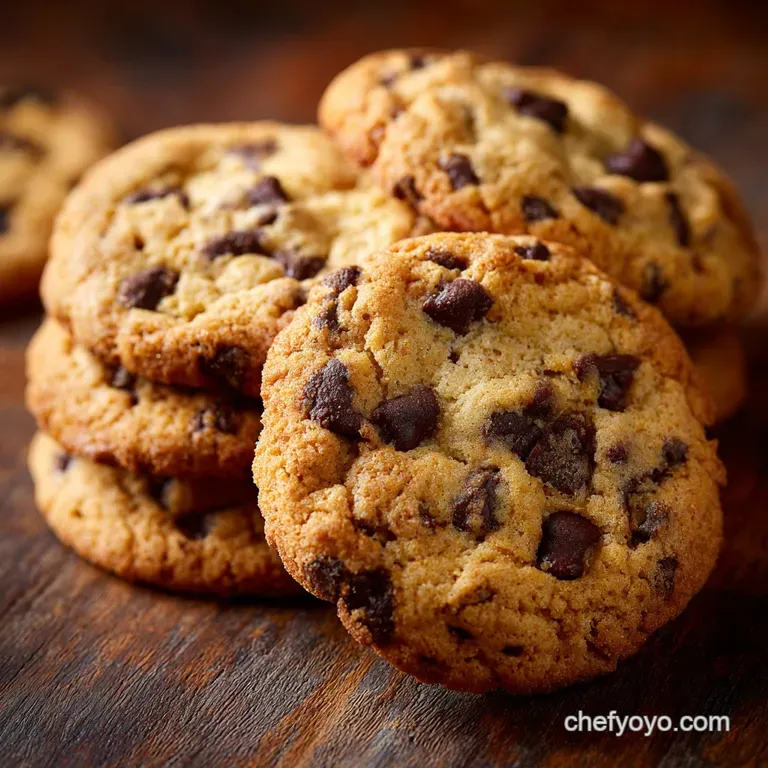
We are aiming for the ultimate, chewy, glorious Chocolate Chip Cookies . Seriously, this is the recipe that finally stopped my search.
Honestly, everyone needs a truly reliable baking blueprint in their back pocket, especially one that relies on pantry staples you probably already have. Forget stressing about complicated French pastry techniques; mastering stellar Chocolate Chip Cookies is the real sign of a good kitchen magician.
They are affordable, shockingly fast to mix up, and honestly, they save awkward weeknights.
This isn't just a basic list of steps you found on a flimsy box. I've personally messed up every way possible too cakey, too dry, spread into a giant pan-sized sheet so this blueprint is foolproof, provided you follow the golden rules.
Let’s dive into the necessary science and strategy behind creating truly transcendent, bakery quality Chocolate Chip Cookies .
The Science of Texture: Why Chilling and Butter Temp Matter
If you think baking is just mixing ingredients, you’re missing the fun part. Baking is chemistry, but it's delicious chemistry! Understanding what makes these Chocolate Chip Cookies chewy and crisp simultaneously is the key to consistency.
We control the spread, the chew, and the deep, complex flavor through three main variables: butter temperature, sugar composition, and time.
What Makes This the "Ultimate" Cookie Recipe?
It comes down to balancing moisture and fat. This recipe uses softened butter, which we aggressively cream with the sugars. This critical step incorporates air tiny bubbles that will expand in the oven giving the cookies lift and preventing them from becoming flat hockey pucks.
We also focus heavily on the ratio of brown sugar to white sugar for maximum chew. The ideal Chocolate Chip Cookies should have a slightly crispy edge that yields to a perfectly gooey, almost fudgy centre.
A Quick Look at the Difficulty: Why We Rate This Medium
While the method itself is simple, achieving the perfect structure requires accuracy. You absolutely need to measure your flour correctly (using a scale is non-negotiable here) and you must, must allow for the chilling time.
This recipe is slightly harder than just slapping ingredients together, but the payoff is incredible. If you can handle baking a batch of my [Super Soft Sugar Cookies Recipe (Cloud Nine Chewy Centres)], you can nail these.
Tools of the Trade: Essential Baking Equipment
You don't need a fancy artisanal oven, thank goodness. You do need a stand mixer (or a powerful hand mixer) fitted with a paddle attachment because creaming the butter takes serious elbow grease and consistency.
Parchment paper or silicone mats are also essential; don’t skip them, or you’ll be scraping stuck cookies off the tray, which is a tragedy. A kitchen scale is truly your best friend for making consistently delicious Chocolate Chip Cookies .
Ratio Rationale: Achieving the Perfect Crisp-to-Gooey Centre
We use a higher percentage of brown sugar than granulated sugar. Why? Brown sugar contains molasses, which is slightly acidic and retains moisture. This moisture stops the cookies from drying out during baking, leading directly to that dreamy, soft, and chewy interior.
Granulated sugar, however, helps the cookies spread correctly and provides the slight crunch on the edges. It’s a delicate dance!
The Mandatory Rest Period: Developing Deep Caramel Flavor
Listen, I know you want to eat them now. I get it. But chilling the dough for at least 24 hours is non-negotiable for the very best Chocolate Chip Cookies .
This rest period is magical; it allows the flour to fully hydrate and the flavour components (especially the vanilla and salt) to truly deepen. You are allowing the flavors to essentially caramelize before they even hit the heat.
Understanding Sugar Blends for Maximum Chew
If you use 100% white sugar, you get a crispy cookie, often brittle. If you use 100% brown sugar, you get a very thick, almost cakey cookie that doesn't spread much. By blending them, we achieve the holy grail: spread, crisp edges, and a rich, moist centre.
This ratio is what makes these the Best Chewy Chocolate Chip Cookies you’ll ever make.
Key Components for Superior Chocolate Chip Cookies
Good ingredients matter here, maybe more than any other recipe. Since there are so few elements butter, sugar, chocolate each one has to pull its weight.
Essential Ingredient List (Weight & Volume)
| Ingredient | Role | Substitution Tip |
|---|---|---|
| All-Purpose Flour | Structure | Can swap for a measure for-measure GF blend. |
| Unsalted Butter | Fat & Flavor | Use high-quality dairy-free sticks (80% fat) if needed. |
| Brown Sugar | Moisture & Chew | Use white sugar + 1 Tbsp molasses. |
| Granulated Sugar | Crispness & Spread | Caster sugar is fine if you don't have standard granulated. |
| Eggs | Binding & Leavening | For Chocolate Chip Cookies No Eggs, use flax eggs (2 Tbsp ground flax + 6 Tbsp water, let sit 5 mins). |
| Vanilla Extract | Essential Flavor | Use pure extract, ditch the artificial essence. |
Choosing Your Chocolate: Chips, Chunks, or Discs?
My preference? All of the above! For truly magnificent Chocolate Chip Cookies , mixing the chocolate is a secret weapon. Chips hold their shape better, providing little pockets of structure within the dough.
Chunks especially roughly chopped bars of 70% dark chocolate melt beautifully and form those desirable, molten "puddles" on the surface. Don’t skimp on quality; it truly makes the difference.
A Note on Flour and Leavening Agents
Please, please, stop scooping flour straight from the bag with a measuring cup! That compacts it, meaning you use 25% too much flour, resulting in a dense, dry cookie. Use the spoon and level method, or better yet, weigh it.
We use baking soda here, which reacts with the acid in the brown sugar, helping the cookie spread outwards before setting. This is crucial for texture control in these Easy Chocolate Chip Cookies Recipe steps.
Dairy Swaps and gluten-free Alternatives
If you need a dairy swap, make sure your butter alternative has a high fat content; anything too watery will make the cookies spread too much. For gluten-free baking, I’ve had great luck with Bob’s Red Mill 1:1 blend.
Just remember that gluten-free dough tends to be drier, so bake these Chocolate Chip Cookies for slightly less time or keep a keen eye on them.
Chef's Note: If you are determined to make Healthy Chocolate Chip Cookies, you can reduce the amount of chocolate by a third, but don't mess with the butter or sugar ratios if you want the correct texture. That’s where the structure lives.
Mastering the Method: step-by-step Baking Blueprint
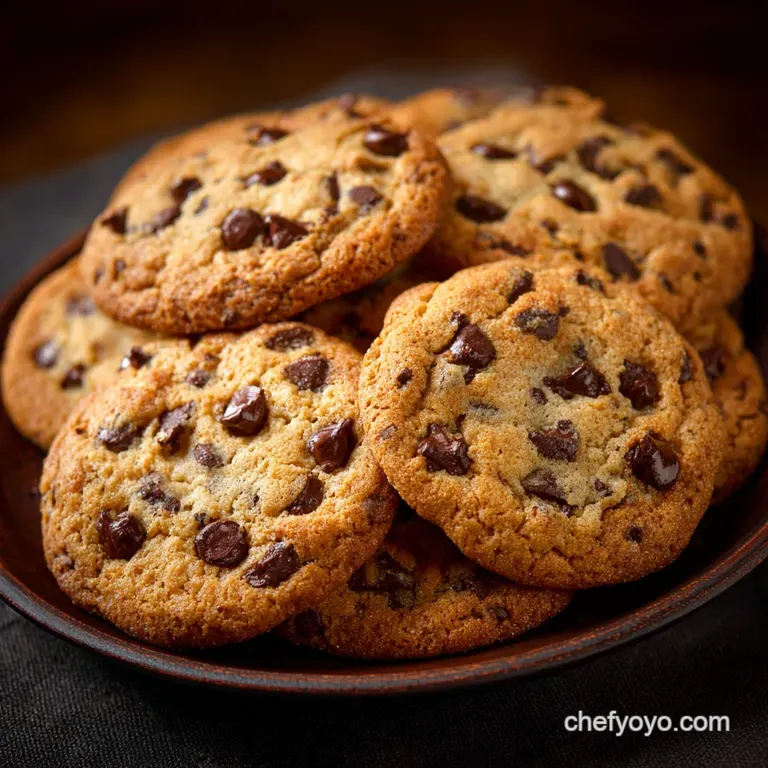
This is where precision matters. If you rush the creaming stage or overmix the flour, you sabotage your Chocolate Chip Cookies from the start.
Phase One: Creaming the Butter and Sugars Correctly
First, ensure your butter is genuinely soft. You should be able to press a finger into it easily, but it shouldn't look melted or oily. Combine the butter, brown sugar, and granulated sugar in the mixer bowl. Beat on medium speed for 5 to 7 minutes. Yes, seven minutes!
The mixture must transform from a yellowish clump into a pale, airy, fluffy cloud this process is called aeration and it is everything.
Forming the Dough: Scooping, Shaping, and Sizing
Once the wet and dry ingredients are just combined, fold in your chocolate. Use a large ice cream scoop (about 3 tablespoons) to ensure uniform sizes. Uniformity means they bake evenly. Gently roll the scoops into smooth balls. If you leave them lumpy, they tend to bake lumpy.
Placing a few extra Choc Chip Cookies chunks on top right now is a nice touch for visual appeal.
The Crucial Chill: Timing for Optimal Spread
Cover your scooped dough balls and chill them. As I said, 24 hours is the ultimate goal, but an absolute minimum of 1 hour is required. This cooling process solidifies the butter, meaning the cookies won’t spread uncontrollably when they hit the hot oven.
It also concentrates the flavors, giving you the Best Chewy Chocolate Chip Cookies possible.
Baking Time and Rack Placement Guidelines
Preheat the oven to 350°F (175°C). Place only 6 or 8 chilled dough balls per tray. Crowding a pan lowers the oven temperature and creates steam, which results in sad, pale cookies. Bake for 10 to 12 minutes. Place trays on the middle racks for even heat distribution.
They are done when the edges are visibly golden brown but the very center still looks a bit wet and shiny.
Troubleshooting and Expert Secrets for Perfect Results
My Cookies Spread Too Thin: Quick Fixes
This almost always means one of two things: your butter was too warm when you started (it was partially melted), or you didn't chill the dough long enough. Another common culprit is measuring too little flour or using too much baking soda.
If your cookies are spreading thin, put the remaining dough back in the fridge immediately and chill for another hour. Also, consider adding just 1 tablespoon of flour to the next batch before chilling if the dough feels overly sticky.
The Secret to Achieving Those Professional Chocolate "Puddles"
When the cookies come out of the oven, they look perfect, but those pools of melted chocolate need a little help. Immediately after removing the hot tray, take a few extra chocolate chunks and press them gently into the tops of the hot cookies.
This melts the chocolate instantly on the surface, creating those gorgeous, melty puddles. It’s a cheap trick, but it totally works for incredible looking Chocolate Chip Cookies .
Do Not Overbake: Signs They Are Done
This is the hardest rule to follow, but critical for truly Chewy Chocolate Chip Cookies. If you wait until the top is fully golden brown, they are already overdone. Pull them out when the edges are set and lightly golden, and the center still looks underbaked, almost raw.
They will continue to cook on the hot tray for the crucial first five minutes outside the oven. Trust the process!
Preservation Guide: Storing Dough and Baked Cookies
How to Freeze Raw Dough for Later Use
Raw dough freezes like a dream, making these the perfect last minute dessert. Scoop the dough balls onto a parchment lined tray, just as if you were going to chill them. Flash freeze them until solid (about 2 hours).
Once solid, transfer the dough balls into a heavy duty zip-top freezer bag or airtight container. Label the bag. They last perfectly for up to 3 months. When ready to bake, place the frozen dough balls on a tray and bake for 12– 15 minutes (a minute or two longer than the fresh dough) with no need to thaw!
Maximizing Freshness: Storing Baked Treats
Once fully cooled (and I mean fully cooled), store your baked Chocolate Chip Cookies in an airtight container at room temperature. They are best eaten within 3 to 4 days.
If they start to dry out slightly, toss half a slice of bread (plain sandwich bread works best) into the container with the cookies. The cookies will absorb the moisture from the bread, keeping them soft longer.
Elevated Pairings: How to Serve Your Fresh Cookies
The Ideal Beverage Complements (Milk, Coffee, Tea)
There’s nothing better than a classic pairing. Serve these decadent Chocolate Chip Cookies alongside a tall, icy glass of whole milk. The cold fat cuts through the richness beautifully. Alternatively, pair them with a robust, unsweetened espresso.
The bitterness of the coffee elevates the caramel notes in the cookie. They also go exceptionally well with my [No Bake Chocolate Cheesecake: Easy, Silky Smooth, Dark Chocolate Recipe] for a super decadent dessert platter!
Honestly, making perfect Chocolate Chip Cookies is less about talent and more about patience and understanding the ingredients. Now you have the blueprint. Go forth and bake the best batch of chewy, rich, perfectly golden Chocolate Chip Cookies of your life! Enjoy!

Recipe FAQs
Why did my cookies spread too much and turn out flat?
Excessive spread is typically caused by butter that is too warm or inaccurate measurements, particularly if you used too little flour. Ensure your butter is slightly cooled but still pliable, and adhere strictly to the mandatory dough chilling period.
Chilling is essential as it solidifies the fat, preventing the cookies from melting too quickly when they hit the hot oven.
Can I freeze the cookie dough for baking later?
Absolutely. Scoop the chilled dough balls onto a baking sheet, freeze them until solid (about two hours), and then transfer them to a freezer safe zip-top bag. They can be baked straight from the freezer; simply add an extra 3 5 minutes to the baking time to compensate for the lower starting temperature.
How do I prevent my cookies from becoming dry or cakey?
Dryness is usually a result of overbaking or accidentally adding too much flour. Always use the "scoop and sweep" method when measuring flour to avoid compaction and ensure accuracy.
Secondly, remove the cookies when the edges are golden but the centers still look soft and slightly glossy; residual heat will finish the baking process on the sheet.
What ingredient adjustments make the cookies chewier or crispier?
To maximize chewiness, increase the ratio of brown sugar to white granulated sugar, as brown sugar contains molasses which retains moisture. For crispier cookies, use all granulated white sugar and bake them slightly longer until they are fully golden brown across the top.
Why is a mandatory chilling period so important for achieving the ultimate chewy texture?
Chilling the dough serves two crucial functions: it allows the flour to fully hydrate, which improves the overall texture and depth of flavor. More importantly, it solidifies the butter, ensuring the cookie dough holds its shape longer in the oven before spreading, resulting in a taller, chewier final product.
Can I make this recipe vegan or gluten-free by substituting ingredients?
While this specific recipe relies heavily on dairy butter and all-purpose flour for structure, you can adapt it. For gluten-free, use a high-quality 1:1 gluten-free baking blend that includes xanthan gum.
For vegan, substitute the butter with a firm, high fat vegan butter stick (not margarine) and use a flax egg or commercial egg substitute, though texture may vary.
How should I store baked chocolate chip cookies to maintain freshness?
Store fully cooled cookies in an airtight container at room temperature for up to four days. To help retain moisture, culinary tradition suggests adding a half slice of white bread to the container; the cookies will absorb the moisture from the bread, keeping them softer longer.
If freezing baked cookies, wrap them tightly in plastic wrap before placing them in a sealed container.
Ultimate Chewy Chocolate Chip Cookies
Ingredients:
Instructions:
Nutrition Facts:
| Calories | 300 calories |
|---|---|
| Fat | 15 g |
| Fiber | 1 g |
