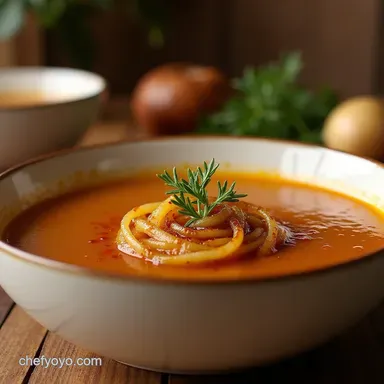
The Ultimate Caramelised Onion Soup a French Bistro Classic at Home
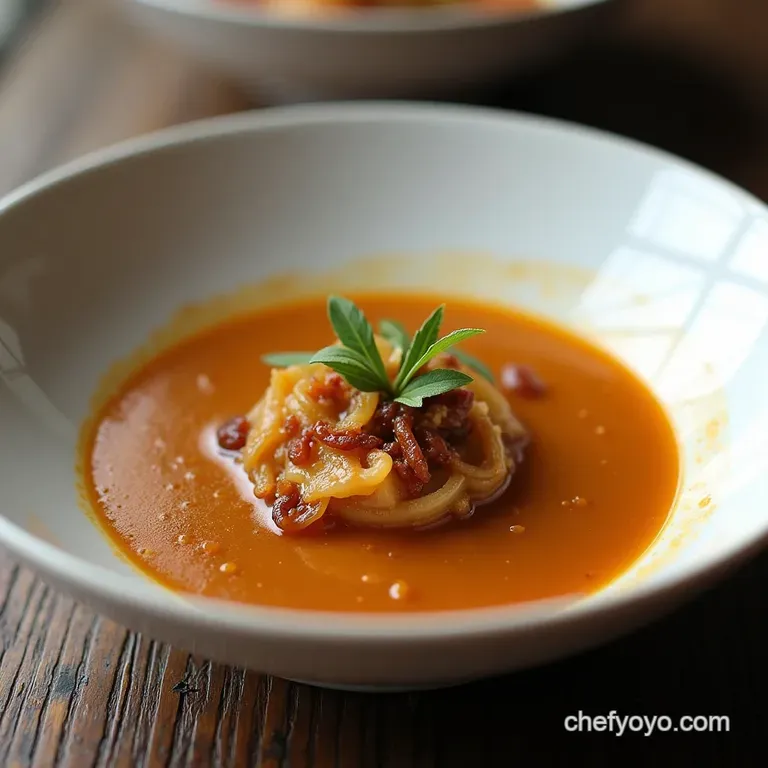
- Unlocking the Deep Soul of Authentic French Onion Soup
- Why This Recipe Simplifies Bistro Magic at Home
- Gathering the Essential Components for Richness
- Selecting the Pinnacle Ingredients for Perfect Results
- The Slow Alchemy: Mastering the Caramelisation Process
- Building the Broth: From Sauté to Simmer
- The Grand Finale: Assembling and Broiling the Classic Topping
- Expert Tweaks and Troubleshooting Your French Onion Soup
- Recipe FAQs
- 📝 Recipe Card
Unlocking the Deep Soul of Authentic French Onion Soup
There are few dishes that wrap you in a culinary hug quite like French Onion Soup . It transcends simple sustenance; it’s an experience, a slow cooked dedication to transformation. Forget those thin, watery versions you might have encountered elsewhere.
We are here to unlock the secrets to creating a genuinely Rich French Onion Soup —one that sings with the profound, earthy sweetness of perfectly caramelised onions suspended in a deeply savoury, intoxicating broth.
This French Onion Soup Recipe is destined to become a staple in your winter rotation, promising bistro quality results with careful attention to process, not complexity.
Why This Recipe Simplifies Bistro Magic at Home
Many believe that achieving that signature flavour requires hours of slaving over a stovetop and a list of obscure ingredients. While authenticity demands patience, achieving this Classic French Onion Soup at home doesn't require professional training; it requires commitment to time.
This guide demystifies the process, transforming potentially intimidating cooking steps into straightforward actions that yield incredible flavour depth. You will find that this approach makes for an Easy French Onion Soup Recipe without sacrificing the soul of the dish.
The Secret to Soulful Depth: Patience Over Pressure
The single most critical step in any great onion soup is the caramelisation. This is where the magic and the majority of the time is spent. We are aiming for deep mahogany tones, not quick browning.
This slow breakdown of the onions' natural sugars (caramelisation) provides the foundation, meaning the final product is far richer than any soup relying on quick sautéeing. Rushing this process results in a sharp, acidic flavour rather than the mellow, sweet complexity we seek.
Elevating the Humble Onion: Our Flavor Philosophy
We rely primarily on approximately three pounds of yellow onions, sliced thinly pole-to-pole. Yellow onions strike the perfect balance of sweetness and sturdiness for this long cooking period.
We start them gently in a blend of unsalted butter and a touch of olive oil, allowing them to sweat down before the real browning begins. This gentle coaxing prevents scorching while encouraging that essential depth. This foundational step is key to creating the Best French Onion Soup .
What Makes This French Onion Soup Recipe Truly Definitive
What elevates this recipe beyond the ordinary is the trifecta of flavour builders: the roux created with flour, the punch of dry sherry used for deglazing, and the use of high-quality beef broth. The small amount of flour provides just enough body to the final broth, preventing it from being watery.
The sherry lifts all those precious browned bits (the fond ) from the bottom of the pot, intensifying the umami profile that defines a truly memorable French Onion Soup .
Gathering the Essential Components for Richness
To produce four hearty servings of this luxurious comfort food, planning your ingredients is crucial. Since the cooking time is lengthy (totaling just over two hours), having everything prepped ensures a seamless flow once the onions finally reach that perfect state of readiness.
While this recipe focuses on the traditional meat based version, we will later discuss options for a Vegetarian French Onion Soup .
Selecting the Pinnacle Ingredients for Perfect Results

For the ultimate experience, quality is non-negotiable. This dish is simple in concept, which means every component must shine. Low-sodium beef broth is the base, but the cheese topping demands specific attention for that iconic melted crust.
The Core Quartet: Onions, Butter, Broth, and Beef Base
You will need about 3 lbs of yellow onions, thinly sliced. For the fat, four tablespoons of unsalted butter, cut with one tablespoon of olive oil, prevents the butter from burning too quickly. The liquid element starts with a crucial half cup of dry sherry or dry white wine for that vital deglazing step.
Finally, six cups of high-quality, low-sodium beef broth are necessary to create the liquid body. We flavour the simmer with four sprigs of fresh thyme (tied for easy removal) and a single bay leaf.
Crust Perfection: Choosing the Ideal Cheeses for the Gratinée
The crowning glory of any French Onion Soup Easy version lies in its topping. Grated Gruyère cheese, approximately six ounces for four servings, is the gold standard. Its nutty flavour and superb melting quality create that perfect, bubbly, golden brown blanket.
If Gruyère is unavailable, Emmentaler is the closest substitute, though freshly grated is absolutely required here; pre-shredded cheese contains anti caking agents that inhibit the smooth, luscious melt we are seeking.
Essential Kitchen Arsenal: Tools for Optimal Caramelisation
The single most important piece of equipment is a large, heavy bottomed Dutch oven or soup pot. This ensures heat is distributed evenly across the entire mass of onions, preventing scorching on the bottom while the rest catch up. Plus,, ensure you have oven safe ceramic soup crocks ready for the final broiling stage.
Related Recipes Worth Trying
- The Best Easy Taco Soup Recipe with Ground Beef Comfort Food — Need a speedy weeknight hug in a bowl This Easy Taco Soup Recipe uses ground beef and simple ingredients for a vibrant flavourful TexMex dinner ready in...
- The Gold Standard Decadent Yet Light Broccoli Cheddar Soup — This is the ultimate Broccoli Cheddar Soup recipecreamy comforting and surprisingly lightened up Learn the secret to smooth lumpfree cheese sauce
- Foolproof Classic French Vanilla Crème Brûlée Recipe — Learn how to master the perfect Classic French Creme Brulee with this simple traditional recipe Achieve that shatteringly crisp top over smooth custard Easy...
The Slow Alchemy: Mastering the Caramelisation Process
This phase is where the novice cook often falters. We begin by melting the butter and oil over medium heat in the Dutch oven. Add all the sliced onions and a small pinch of salt. Cook for about 15 minutes, stirring occasionally, until the onions have softened considerably and released much of their moisture.
Now, the true work begins: reduce the heat to medium low. For the next 45 to 60 minutes, you must stir regularly every five to seven minutes initially, and then every two to three minutes toward the end gently scraping up any brown residue ( fond ) forming on the bottom.
The goal is a deep, rich mahogany colour, a flavour concentration that verges on jammy sweetness.
Building the Broth: From Sauté to Simmer
Once the onions are profoundly browned, we add two tablespoons of all-purpose flour directly to the pot and stir constantly for one minute. This minimal addition creates a light roux , lending a slight, pleasing viscosity to the final soup. Immediately pour in the half cup of dry sherry or wine.
Vigorously scrape the bottom of the pot with a wooden spoon, lifting every particle of flavour into the liquid. Allow this to bubble and reduce until almost evaporated. Next, introduce the six cups of beef broth, the tied thyme bundle, and the bay leaf.
Bring this mixture to a gentle simmer, partially cover the pot, and let it cook for a further 30 to 40 minutes. This crucial simmering time allows the onion flavour to fully infuse the stock. After simmering, retrieve and discard the thyme and bay leaf.
Taste conservatively and adjust salt and pepper now that the broth has reduced slightly.
The Grand Finale: Assembling and Broiling the Classic Topping
With the flavour base perfected, assembly is swift, leading to the dramatic presentation of the cheese covered top.
Step 1: Slow Cooking the Onions to Deep Mahogany
As detailed above, this is the non-negotiable initial hour where the onions transform from pungent layers to sweet, deeply coloured morsels. Resist the urge to raise the heat; low and slow is the only way to achieve this depth of flavour for a genuinely Rich French Onion Soup .
Step 2: Deglazing and Developing the Umami Backbone
The addition of alcohol followed by vigorous scraping of the fond releases concentrated, savoury flavour compounds that instantly elevate the entire dish. This technique prevents the soup from tasting flat, providing the complexity often associated with Crock Pot French Onion Soup but achieved much faster on the stovetop.
Step 3: The Final Simmer and Seasoning Tune-Up
After adding the broth and herbs, the 30-minute simmer ensures the deep onion essence penetrates the liquid completely. This is the last moment to correct the seasoning before the final, rapid topping process.
Broiling the Crouton: Achieving That Perfect Cheesy Blanket
While the soup simmers, lightly toast slices of baguette (about half an inch thick) until they are slightly crisp, not rock hard. Ladle the piping hot soup into your oven safe crocks, ensuring each bowl receives a healthy portion of those sweet onions. Gently float one or two toasted slices atop the liquid.
Cover the bread generously and completely with your freshly grated Gruyère. Place the crocks on a sturdy baking sheet and slide them under a preheated broiler set to high. Watch constantly this takes only 3 to 5 minutes until the cheese is completely melted, bubbly, and beautifully bronzed.
Expert Tweaks and Troubleshooting Your French Onion Soup
Even with clear instructions, sometimes variables shift. Understanding how to adjust mid-process ensures success, whether you are aiming for a Crock Pot French Onion Soup Recipe adaptation or working on the stovetop.
Variations on the Theme: Wine Pairings and Herb Substitutions
While Sherry provides a classic, nutty depth, a splash of Cognac added alongside the flour can create a warmer, slightly sweeter profile. If you absolutely must omit alcohol for whatever reason, substitute the Sherry with strong black tea mixed with a teaspoon of apple cider vinegar to mimic the acidity needed for deglazing.
For herbs, Rosemary can be substituted for thyme, though use it sparingly as it is more potent.
Nutritional Snapshot: Understanding Your Comfort Food Serving
This dish is inherently rich due to the butter, beef stock, and cheese topping, often landing between 450 500 calories per hearty serving. The protein content is substantial, making it a satisfying main course.
Be mindful of sodium, as this is directly tied to the quality and saltiness of your initial beef broth choice.
Making Ahead: Freezing Techniques for Future Cravings
The soup base (onions, broth, and seasoning, before the bread and cheese) freezes exceptionally well. Allow it to cool completely, portion it into freezer safe containers, and freeze for up to three months.
When ready to serve, thaw overnight, reheat gently, and proceed directly to toasting the bread and adding the cheese for the final broil. This makes preparing for future cravings incredibly simple.
Troubleshooting Common Issues: Avoiding Bitter or Thin Broth
If your soup tastes bitter, it’s almost always because the onions were cooked too hot and scorched rather than caramelised slowly. If your broth seems too thin, ensure you used the two tablespoons of flour when instructed and allowed the full 30-minute simmer time for the slight thickening action to occur.
A thin broth usually indicates rushing the caramelisation or simmering stages. Successfully executing this Insta Pot French Onion Soup Recipe (if adapted) or stovetop version hinges entirely on the patience shown in the first hour.
Recipe FAQs
Why does my French Onion Soup taste watery and not rich enough?
That's usually down to two things: rushing the onions and weak broth. You must caramelise those onions for a solid hour until they are a deep mahogany brown that’s where 90% of the flavour comes from.
Secondly, invest in the best quality beef stock you can manage, as it forms the backbone of the final flavour.
How do I stop my onions from burning while caramelising them for this French Onion Soup recipe?
The key is low and slow heat management; don't let the temperature creep up past medium low once they start softening. If you see any bits sticking and threatening to scorch, add a tablespoon of water or broth and scrape the bottom of the pan that stuck-on goodness (the fond) is flavour you want to keep!
Can I make this soup ahead of time, and if so, how should I store leftovers?
Absolutely, the flavour deepens overnight! You can make the soup base (up to step 4) a day or two ahead and store it in the fridge. When you're ready to serve, reheat the soup thoroughly, toast your baguette slices, and then top with cheese and broil as per the instructions.
Leftovers will keep well in an airtight container for up to four days.
My Gruyère cheese isn't melting nicely on top; what’s the trick for that perfect crust?
You need to grate the Gruyère yourself from a block, no exceptions! Pre-shredded cheeses are coated in starches that prevent clumping but also stop that smooth, gorgeous melt we’re after.
Also, ensure your soup is piping hot before you put it under the broiler, and check it every minute so it browns quickly without burning.
I'm trying to keep this recipe lighter; are there any good low-fat variations?
For a lighter take, focus on the broth use a high-quality low-sodium beef bone broth to cut fat content, and perhaps skip the flour thickener, allowing the onions to do the work.
When topping, use a slightly thinner layer of Gruyère, or consider grating a bit of Parmesan into the Gruyère mix for intense flavour without piling on too much rich cheese.
Ultimate French Onion Soup