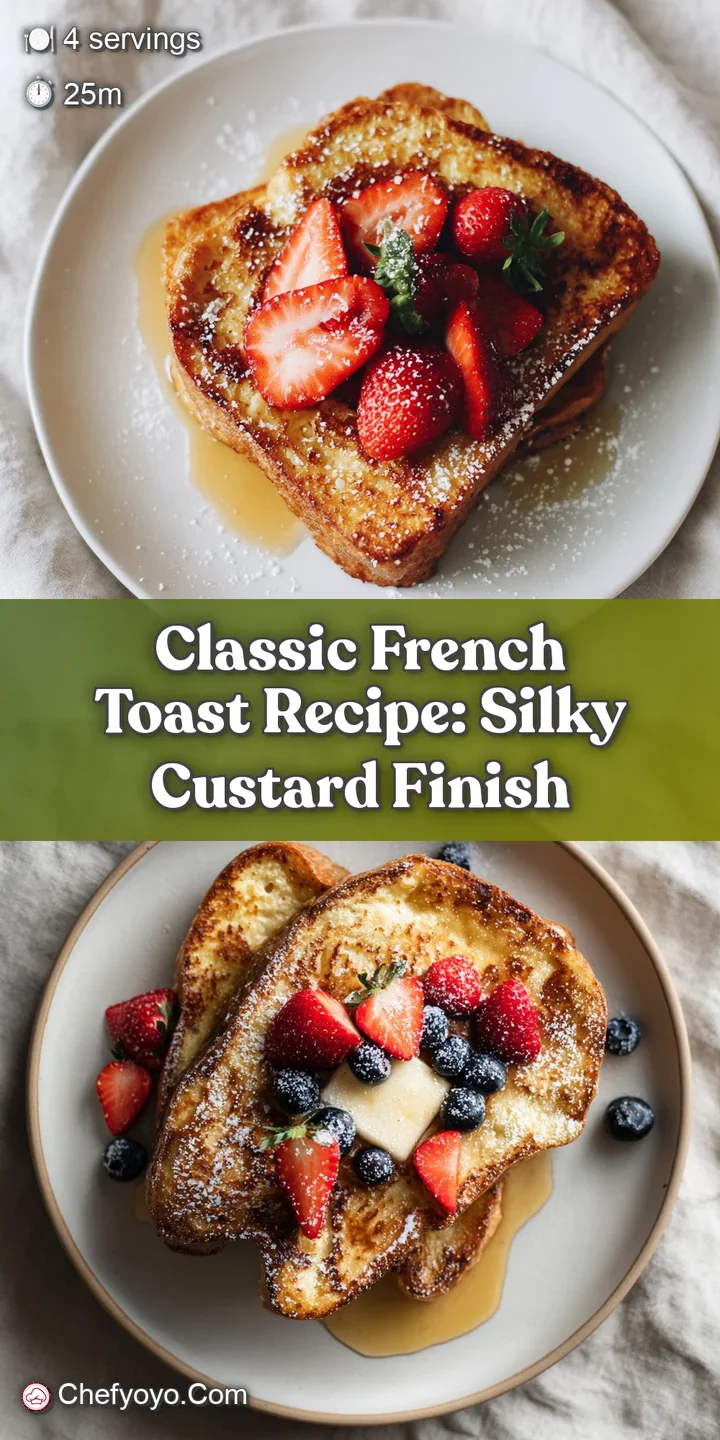
Custardy French Toast: Brioche Perfection
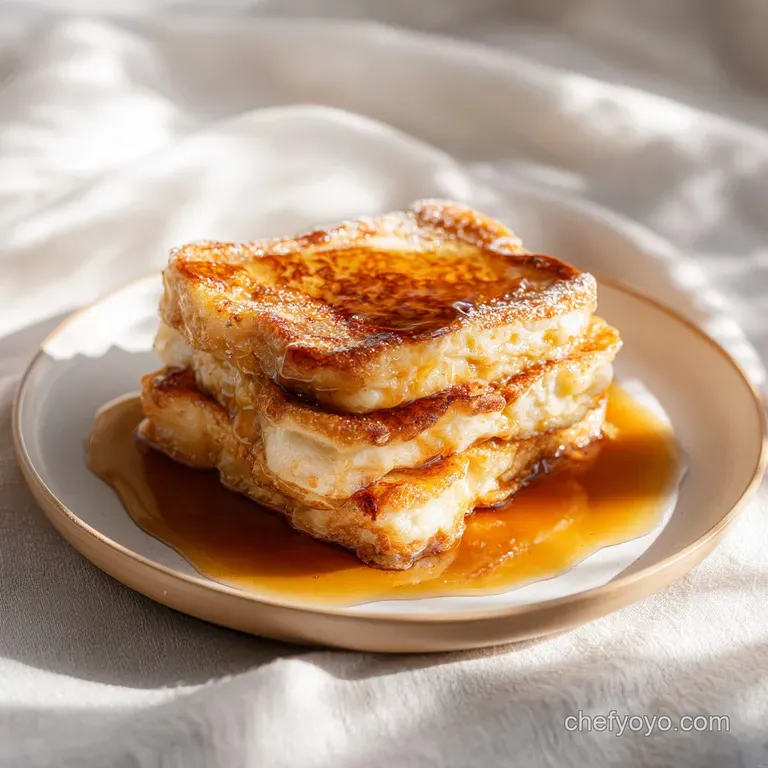
- Time: Active 10 mins, Passive 15 mins, Total 25 mins
- Flavor/Texture Hook: Silky custard center with a caramelized cinnamon finish
- Perfect for: Slow Sunday brunches or a high protein breakfast for the family
- Mastering the Most Decadent Homemade French Toast
- The Science of Golden Custard
- Selecting Premium Brioche and Dairy
- Essential Timing and Yield Data
- Must Have Tools for Searing Success
- The Journey to Golden Slices
- Solving Texture and Soggy Centers
- Creative Variations for Every Diet
- Preserving the Perfect Morning Crunch
- Scaling for a Crowd
- Breakfast Myths Debunked
- Styling and Pairing Your Breakfast
- Recipe FAQs
- 📝 Recipe Card
Mastering the Most Decadent Homemade French Toast
There is a specific sound that defines a successful breakfast: that gentle, rhythmic sizzle when a heavy cream soaked slice of brioche hits a foaming butter pool in a hot skillet. I remember the first time I actually got this right.
For years, I struggled with what I call the "bread omelet" problem pieces that were way too eggy on the outside but bone dry and sad in the middle. It was frustrating because I knew how a bistro style slice should feel: like a warm, cinnamon spiked hug that practically melts when your fork touches it.
I finally realized the trick wasn't just in the ingredients, but in the patience of the soak and the choice of the bread. You really need something that can handle a deep dive into custard without disintegrating. This recipe is the result of many soggy Saturday mornings and burnt cinnamon mishaps.
Once you nail the ratio of fat to protein in the batter, you'll never go back to the thin, watery versions of your childhood. It is about creating a contemporary fusion of texture and aroma that lingers in the kitchen long after the plates are cleared.
We are going to focus on how to make french toast that actually holds its shape and carries a deep, complex flavor. We'll talk about why brioche is the king of the griddle and how to ensure every single bite is saturated with vanilla and cinnamon.
Trust me, once you see that golden brown crust form, you'll understand why this is the only way to make french toast for people you actually like. Let's get into the specifics of why this method is so effective.
The Science of Golden Custard
The Physics of the Crust: The sugar and proteins in the heavy cream undergo the Maillard reaction at a lower temperature than bread alone, creating a complex, caramelized exterior.
Meanwhile, the saturated fats in the butter provide a thermal barrier that allows the internal custard to set without the surface scorching.
- Fat Emulsification: Using heavy cream instead of milk creates a higher fat to water ratio, which results in a velvety interior rather than a rubbery, "scrambled egg" texture.
- Starch Retrogradation: Using slightly stale bread allows the dry starch molecules to act like a sponge, pulling the custard into the very center of the slice through capillary action.
- Protein Denaturation: The eggs act as a binder, coagulating during the cook to turn the liquid soak into a solid, custard like crumb that holds its structure.
- Osmotic Balance: The salt in the batter doesn't just season; it helps break down the egg proteins so they mix more thoroughly with the cream, ensuring a smooth, streak free soak.
| Method | Time | Texture | Best For |
|---|---|---|---|
| Cast Iron Skillet | 15 mins | Extra crispy edges | Small batches for two |
| Electric Griddle | 12 mins | Even browning | Feeding a large family |
| Oven Baked | 25 mins | Bread pudding feel | Hands off meal prep |
Choosing your cooking method depends entirely on how many people are sitting at your table. If you're looking for that restaurant quality sear, the cast iron skillet is your best friend because it retains heat so well, creating a beautiful shatter crisp edge on the brioche.
If you are serving a crowd, an electric griddle set to 350°F (180°C) is the way to go so you can flip eight slices at once.
| Component | Science Role | Pro Secret |
|---|---|---|
| 4 Large Eggs | Structural Binder | Whisk until no streaks remain to prevent "egg spots" |
| 1 cup Heavy Cream | Moisture & Fat | Use full fat for the most luxurious, silky mouthfeel |
| 8 slices Brioche | Starch Foundation | Thick cut (1 inch) prevents the slice from flopping |
| 1 tsp Cinnamon | Aromatic Depth | Bloom it in the sugar first to prevent clumping |
To make french toast that truly stands out, you need to understand that each ingredient has a job beyond just flavor. The heavy cream is there to provide a rich, contemporary texture that milk simply cannot match. Much like the technique I use in my Foolproof Classic French recipe for brûlée, the custard here is the star of the show.
Selecting Premium Brioche and Dairy
To get the best results, you need to be picky about your ingredients. Don't just grab whatever is on sale; the quality of your bread is 90% of the battle here.
- 8 slices Thick cut Brioche bread: This is the gold standard. It's already enriched with butter and eggs, making it the natural partner for custard.
- Why this? Its high fat content and tight crumb structure allow for maximum custard absorption without collapsing.
- Substitute: Challah or thick cut Texas Toast. Challah is slightly less sweet but just as sturdy.
- 4 Large Eggs: These provide the "lift" and the setting power for your batter.
- Why this? Eggs act as the glue that turns liquid cream into a solid, sliceable custard.
- Substitute: 1 cup of liquid egg whites (though you'll lose some richness).
- 1 cup Heavy Cream: This is where the luxury comes from.
- Why this? The fat prevents the eggs from becoming tough and rubbery during the frying process.
- Substitute: Whole milk or coconut milk. Note: Using milk will result in a thinner, less decadent custard.
- 2 tbsp Granulated Sugar: Just enough to help the exterior caramelize.
- Why this? Sugar aids in the Maillard reaction, giving you that dark golden hue.
- Substitute: Maple syrup or honey. Note: Liquid sweeteners will make the batter slightly thinner.
- 1 tbsp Vanilla Extract: For that classic, comforting aroma.
- Why this? Vanilla bridges the gap between the savory eggs and the sweet sugar.
- Substitute: Vanilla bean paste for those beautiful black flecks.
- 1 tsp Ground Cinnamon: The essential breakfast spice.
- Why this? Cinnamon provides a warm, earthy counterpoint to the rich cream.
- Substitute: Nutmeg or Cardamom for a creative, spicy twist.
- 0.25 tsp Salt: The unsung hero.
- Why this? Salt balances the sweetness and enhances the vanilla and cinnamon notes.
- Substitute: Flaky sea salt for a finishing touch instead of mixing it in.
- 3 tbsp Unsalted Butter: For frying.
- Why this? Butter adds a nutty, toasted flavor that oil alone lacks.
- Substitute: Ghee (clarified butter). It has a higher smoke point and won't burn as easily.
- 1 tbsp Neutral Oil: Such as avocado or canola oil.
- Why this? Mixing oil with butter raises the smoke point, so your butter doesn't turn black.
- Substitute: Coconut oil for a subtle tropical scent.
Essential Timing and Yield Data
When you're planning your morning, timing is everything. You don't want to be stuck at the stove while everyone else is eating. This recipe makes 4 servings, which usually means two slices per person. It is a generous portion, especially if you're serving it alongside a fresh brew.
I always suggest starting your coffee while the bread is soaking. If you're a fan of a deep, dark roast, my French Press Coffee recipe is the perfect companion to this rich meal. The acidity of the coffee cuts through the heaviness of the cream and butter beautifully.
Must Have Tools for Searing Success
You don't need a professional kitchen, but a few specific tools will make your life much easier.
- Wide, Shallow Bowl: You need something big enough to fit at least two slices of bread at once. A pie plate works perfectly for this.
- Whisk: Don't just use a fork. A proper whisk incorporates air and breaks up the egg whites, ensuring your custard is totally smooth.
- Non Stick Skillet or Cast Iron: A 12 inch skillet is ideal. It gives you enough room to flip the slices without them sticking together.
- Thin Spatula: A fish spatula or a thin silicone turner is best for getting under the delicate, soaked bread without tearing it.
- Wire Rack: If you're making a big batch, placing the finished slices on a wire rack over a baking sheet in a warm oven (200°F/95°C) keeps them from getting soggy while you finish the rest.
The Journey to Golden Slices
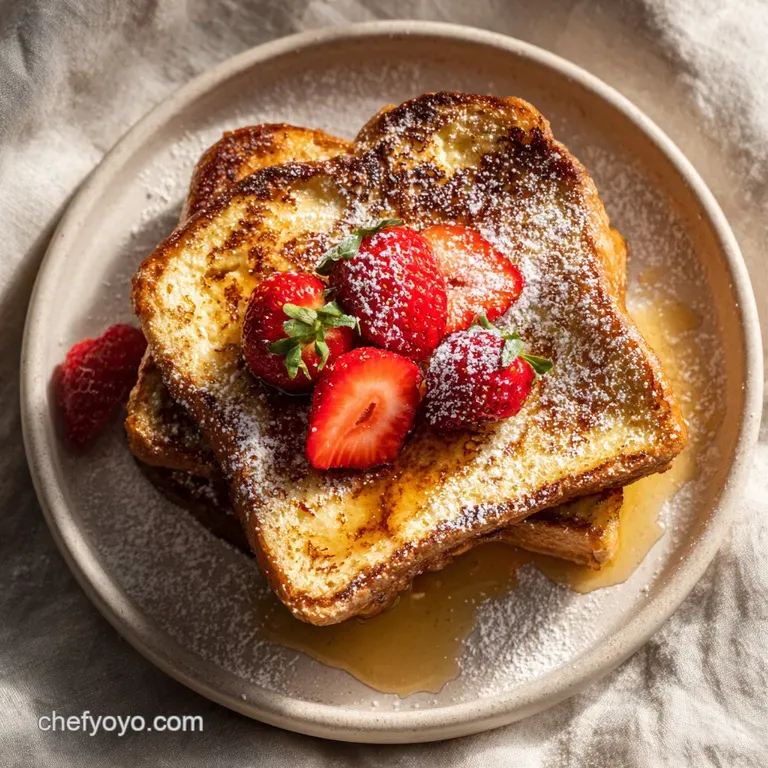
- Prep the Bread. Slice your brioche into 1 inch thick slabs. Note: If the bread is fresh, leave it on the counter for 30 mins to dry out slightly.
- Mix the Aromatics. In your shallow bowl, whisk the 2 tbsp sugar, 1 tsp cinnamon, and 0.25 tsp salt together. Note: Mixing the cinnamon with the sugar first prevents it from clumping on top of the liquid.
- Build the Custard. Add the 4 eggs, 1 cup heavy cream, and 1 tbsp vanilla extract to the sugar mixture. Whisk until the liquid is a uniform pale yellow and no streaks of egg white remain.
- Heat the Pan. Place your skillet over medium low heat and add 1 tbsp of the butter and a splash of the neutral oil. Wait until the butter stops foaming and starts to smell slightly nutty.
- The First Soak. Place 2 slices of bread into the custard. Let them sit for exactly 45 seconds per side. Note: You want the custard to penetrate halfway through the bread, leaving the center slightly firm so it doesn't fall apart.
- The Sizzle. Lift the bread, letting any excess custard drip off, and place it gently into the hot pan. You should hear a gentle sizzle immediately.
- Sear the Bottom. Cook for 3 to 4 minutes. Do not move the bread until you see the edges starting to turn a deep golden brown.
- The Flip. Carefully flip the slices. Add another half tablespoon of butter to the pan if it looks dry.
- Finish the Cook. Cook for another 3 minutes until the slice feels slightly firm and "puffy" to the touch, which indicates the eggs inside have set.
- Keep Warm. Transfer to a wire rack in a warm oven and repeat with the remaining slices, wiping the pan with a paper towel between batches to prevent burnt butter bits.
Solving Texture and Soggy Centers
If your toast is looking beautiful on the outside but feels like mush on the inside, don't panic. It's usually a heat management issue. When we make french toast, we are balancing the searing of the exterior with the "baking" of the interior custard.
Why Your Bread is Soggy
This usually happens because the pan was too hot. The outside browned before the heat could penetrate the center to cook the eggs.
| Problem | Root Cause | Solution |
|---|---|---|
| Soggy Center | Heat too high or soak too long | Lower heat to medium low; limit soak to 45 secs |
| Burnt Surface | Excess sugar or butter solids | Wipe pan between batches; use a mix of oil/butter |
| Bland Flavor | Lack of salt or low quality vanilla | Always add 0.25 tsp salt; use pure vanilla extract |
Right then, let's look at how to prevent these issues before they start. It's all about the prep and the heat.
Common Mistakes Checklist
- ✓ Use stale bread (fresh bread contains too much moisture and will always turn out soggy).
- ✓ Whisk the custard thoroughly (nobody wants a fried egg white attached to their toast).
- ✓ Preheat the pan for 3 full minutes (a cold pan leads to sticking and uneven cooking).
- ✓ Don't overcrowd (give each slice at least an inch of space so they sear, not steam).
- ✓ Wipe the skillet between batches (burnt butter from the first round will ruin the flavor of the second).
Creative Variations for Every Diet
You don't have to miss out just because you have dietary restrictions. The core of this recipe is the ratio, and that can be adapted.
To make french toast dairy-free, you can swap the heavy cream for full fat coconut milk. It provides a similar thickness and adds a lovely, contemporary tropical note. For a gluten-free version, use a sturdy gluten-free loaf, but be careful with the soak GF bread tends to be more porous and can fall apart in half the time.
If you are looking for a lighter option, you can use whole milk and skip the heavy cream, though you'll lose that velvety texture. Some people even like to add a tablespoon of orange zest to the custard for a bright, citrusy aroma that cuts through the richness. It's all about making it your own.
Preserving the Perfect Morning Crunch
If you have leftovers (lucky you!), storing them correctly is the difference between a sad microwave meal and a second day feast.
- Storage
- Keep leftover slices in an airtight container in the fridge for up to 3 days.
- Freezing
- This recipe freezes beautifully. Lay the cooked, cooled slices on a baking sheet to freeze individually, then pop them into a freezer bag for up to 2 months.
- Reheating
- Please, skip the microwave. It makes the bread rubbery. Instead, pop them in a toaster or a 350°F (180°C) oven for 5 to 8 minutes until they regain their sizzle.
Zero Waste Tip: If you have leftover custard, don't toss it! Use it to make a small bread pudding with the crusts or "heels" of the bread that nobody wanted to eat. Or, if you have extra bread but no custard, those brioche slices make the most incredible croutons for a Classic French Onion recipe.
Scaling for a Crowd
Scaling Down: If you're just cooking for one, you can easily halve the recipe. Use 2 eggs and half a cup of cream. Since you can't really use half an egg, just beat one egg and use about 2 tablespoons of it if you're going even smaller.
Scaling Up: For a big brunch, you can triple this recipe. However, don't triple the salt or cinnamon directly. Use 1.5x the spices first and taste your custard. You can always add more, but you can't take it out.
Also, remember to work in batches; trying to cram six slices into a small pan will lower the temperature too much, and you'll lose that golden shatter crust.
Breakfast Myths Debunked
One of the biggest myths is that "fresh is best." In the world of French Toast, fresh bread is actually the enemy. Fresh bread is full of moisture, which means there’s no room for the custard to soak in. Stale bread is thirsty bread.
Another misconception is that you need a lot of sugar in the batter. The sugar is mainly there for caramelization on the surface. If you want it sweeter, add the sweetness at the end with maple syrup or fresh fruit. Over sweetening the batter often leads to the bread burning before the inside is cooked.
Finally, don't believe that you have to use a lot of butter to get a crispy edge. A thin, even layer of butter and oil is much more effective than deep frying the bread. Too much fat will actually make the brioche feel greasy rather than crispy.
Styling and Pairing Your Breakfast
Presentation is where you can get really creative. I love topping mine with a dollop of mascarpone and a handful of macerated berries. The tanginess of the cheese balances the cinnamon sugar perfectly.
If you want a truly contemporary look, dust the plates with powdered sugar through a fine mesh sieve and add a sprig of fresh mint. The contrast of colors makes the golden brown toast pop. For a savory sweet fusion, serve a side of crispy thick cut bacon or even a spicy breakfast sausage.
The saltiness of the meat against the velvety custard of the brioche is a match made in heaven. Honestly, it's the kind of meal that makes you want to cancel all your plans and just stay in the kitchen. Enjoy every single bite!
Recipe FAQs
How to do French toast step-by-step?
Whisk the custard until uniform, then soak bread for 45 seconds per side. Heat a pan over medium low heat with butter and oil, cook the bread for 3-4 minutes per side until deep golden brown and slightly puffy.
What is French toast batter made of?
The base is eggs, heavy cream, sugar, vanilla, cinnamon, and salt. Heavy cream is crucial for a velvety texture, as it provides a higher fat content than milk, yielding a superior custard.
What is the most common mistake in making French toast?
Using bread that is too fresh is the most common mistake. Fresh bread absorbs the custard too quickly and often collapses into a soggy mess; slightly stale, thick cut brioche is essential for structure.
Do you need milk for French toast?
No, heavy cream is highly recommended over milk for texture. Milk results in a thinner, sometimes rubbery interior, whereas heavy cream creates a truly luxurious, sliceable custard core.
Is it true you must use medium heat to cook French toast?
No, medium low heat is the correct setting to prevent scorching. High heat will burn the sugars on the exterior before the interior egg custard has time to fully set, resulting in a crispy outside and raw inside.
How long should I soak the bread in the custard?
Soak brioche for about 45 seconds per side, gently pressing to saturate. You want the custard to penetrate about halfway through the slice; letting it soak too long, especially with thicker bread, leads to structural failure when flipping.
What can I use instead of butter to fry French toast?
Use a 50/50 mix of butter and a neutral oil like avocado oil. Mixing in oil raises the smoke point, ensuring the butter solids don't burn before the bread is perfectly cooked, similar to how oil stabilizes the sear on my Sourdough Pesto Grilled Cheese recipe.
Velvety French Toast Delight
Ingredients:
Instructions:
Nutrition Facts:
| Calories | 676 kcal |
|---|---|
| Protein | 15.5 g |
| Fat | 48.8 g |
| Carbs | 50.8 g |
| Fiber | 1.8 g |
| Sugar | 12.4 g |
| Sodium | 310 mg |
