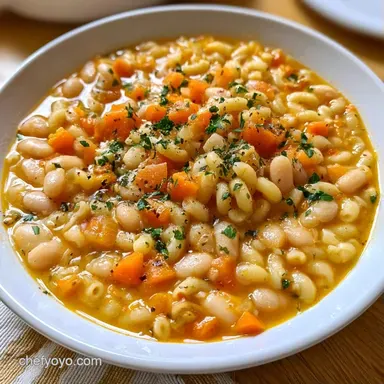
Italian White Bean Soup with Pasta
- Time: 10 min active + 30 min cook
- Flavor/Texture Hook: Zesty, savory, and thick
- Perfect for: Busy weeknight dinners
Have you ever wondered why some homemade soups feel like a cozy embrace while others just feel like a bowl of mush? I learned this the hard way. My first attempt at combining beans and pasta was a failure because I followed a "one-pot" recipe that had me boil the noodles directly in the broth.
I ended up with a gummy, thick consistency because the pasta absorbed almost all the liquid.
The key is separation and timing. When you cook the pasta independently, the broth stays clear and the noodles stay al dente. It elevates the entire dish.
I rely on this White Bean Soup with Pasta whenever it's cold outside. It’s an easy meal made from pantry staples that tastes like it’s been simmering all day, despite only taking 40 minutes from start to finish. The savory, deep base is perfectly balanced by a hit of lemon at the end that brightens every spoonful.
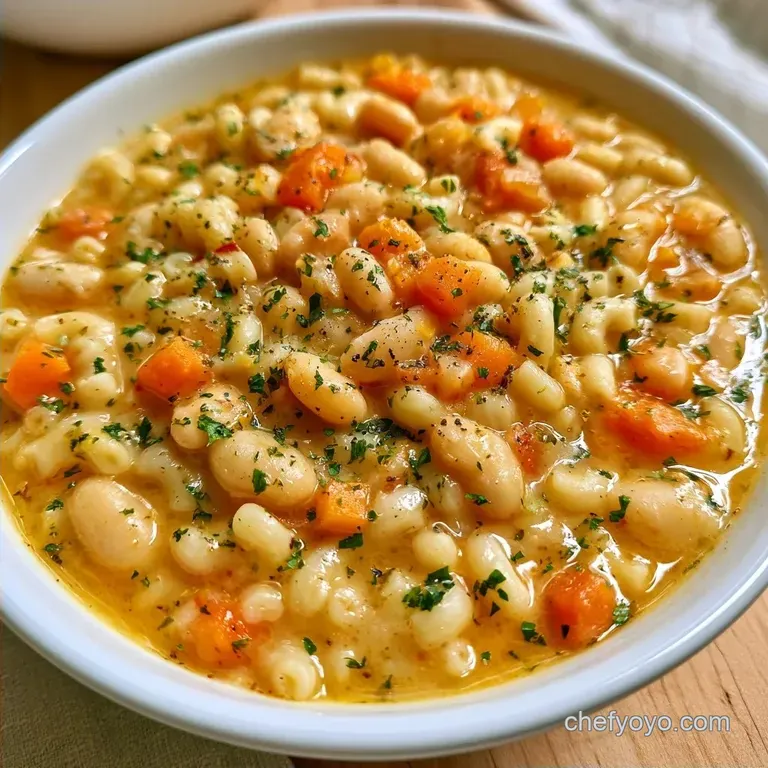
White Bean Soup with Pasta
Let's start with the fundamentals. This is a vegetable centric dish that is hearty enough to serve as a main while remaining healthy. The cannellini beans provide a natural creaminess, delivering that comforting feel without relying on dairy.
The timing is effortless. Because we are using canned beans, you can skip the overnight soak. You'll spend roughly 10 minutes prepping the vegetables, and the rest of the process happens right in the pot. It is a consistent, low-pressure meal that requires very few tools.
If you want your kitchen filled with the aroma of thyme and garlic, this is the recipe for you. It's a simple, effective way to prepare a classic Italian style meal.
Why This Method Works
The difference between a mediocre soup and a great one is usually in the starch management. Here is why we do things this way:
- Separate Pasta Boiling: Pasta releases starch that thickens liquid. Cooking it in a different pot keeps the soup from getting gummy and the noodles from overcooking.
- The Bean Mash: Crushing about 10% of the beans releases their internal starch into the broth. This creates a velvety texture without adding flour or cream.
- Tomato Paste Sauté: Cooking the paste until it turns mahogany removes the raw metallic taste. It creates a concentrated savory depth that anchors the whole pot.
| Method | Time | Texture | Best For |
|---|---|---|---|
| Stovetop | 40 min | Clear broth, firm pasta | Quick weeknight meals |
| Slow Cooker | 6 hours | Thicker, softer beans | Set and forget prep |
| Oven Dutch Oven | 2 hours | Concentrated, rich flavor | Slow weekend cooking |
But what about the thickness? Some people find bean soups too watery. That's where the mashing comes in. It's a simple move that changes the entire mouthfeel of the soup.
Shopping List Breakdown
Select the highest quality cannellini beans you can find. Their thinner skins and creamier texture make them superior to navy beans for this specific recipe.
| Ingredient | Role | If You Don't Have It |
|---|---|---|
| Cannellini Beans | Main body and creaminess | Great Northern beans (slightly grainier) |
| Tomato Paste | Umami depth and color | 2 tbsp tomato puree (will be thinner) |
| Vegetable Broth | Flavor base and liquid | Water + 2 tsp salt and veggie bouillon |
| Fresh Lemon | Acidity to balance the starch | 1 tsp apple cider vinegar |
A classic mirepoix of onion, carrot, and celery serves as the flavor base. Be sure to include the celery; it provides a salty, earthy nuance that salt alone cannot provide.
Opt for baby spinach if possible. It is more tender and wilts more rapidly than mature spinach, meaning you can skip the tedious chopping.
Ditalini is the traditional pasta here, as its tiny tubes are perfect for trapping the beans and broth. If unavailable, small shells or acini di pepe are great substitutes. Monitor the pot closely, as smaller pasta shapes tend to cook faster.
Tools For The Job
No fancy equipment is required here; a single large pot does most of the work. I suggest using a Dutch oven, as the heavy base ensures even heat distribution and keeps the garlic from burning during the sauté.
For the thickening process, a potato masher is ideal. You can also use a fork or a small immersion blender if necessary, though be careful not to over mix. The goal is to keep some beans whole for texture rather than creating a smooth puree.
Lastly, grab a colander for the pasta and a sharp chef's knife for the mirepoix. That’s all you need. A minimal tool list ensures a much faster cleanup, which is the best part of this approach.
Step by step Cooking
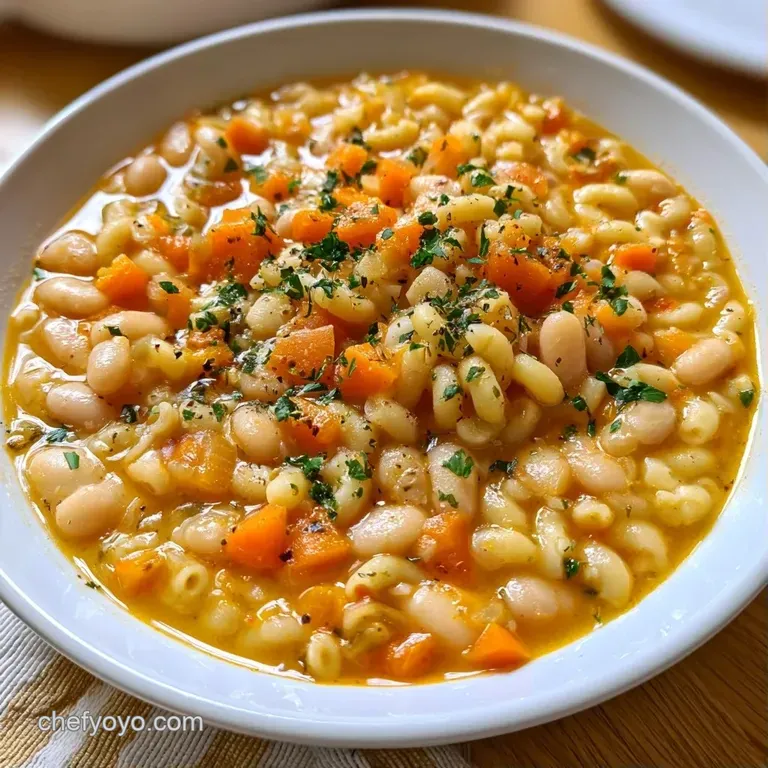
Here is how to put it all together. To keep things stress free, have your chopped vegetables prepped in bowls before you start the stove.
- Set your Dutch oven over medium heat and add 2 tbsp olive oil. Sauté the diced onion, carrots, and celery for 6-8 minutes until the onions are translucent.
- Mix in the minced garlic, oregano, and thyme. Cook for 60 seconds until you smell the garlic. Note: Avoid browning the garlic to prevent a bitter taste.
- Stir in 1 tbsp tomato paste. Keep stirring for 2 minutes until the paste turns a deep mahogany color.
- Add 6 cups of vegetable broth. Use a spoon to deglaze the bottom of the pot, scraping up the flavorful browned bits. Mix in the rinsed cannellini beans and the bay leaf.
- Stir in 1 tsp salt and 1/2 tsp black pepper. Bring the liquid to a gentle boil, then reduce the heat to low. Simmer uncovered for 15-20 minutes.
- Gently crush about 10% of the beans right in the pot using a potato masher. Stop when the broth looks slightly thickened.
- Boil 8 oz ditalini pasta in a separate pot of salted water until al dente. Drain and set aside.
- Fold the cooked pasta, 2 cups chopped baby spinach, and 1 tbsp lemon juice into the soup. Stir for 1-2 minutes until the spinach wilts.
- Take out the bay leaf. Ladle the soup into bowls and garnish with a pinch of Parmesan cheese and fresh parsley.
Cooking Tip: If the soup seems too thick after adding the pasta, just stir in a splash of warm water or broth. The pasta will continue to absorb liquid even after it's served.
Why Most Recipes Get This Wrong
Many recipes promise "one pot" simplicity, but the texture usually suffers. Boiling pasta directly in the soup results in mushy noodles and a cloudy broth. By preparing them separately, the pasta retains its perfect bite.
Another frequent error is omitting the lemon juice. Because beans and broth are earthy and heavy, the soup can taste bland without a splash of acid. The lemon isn't there to make it taste citrusy; it simply brightens the overall profile and cuts through the starch.
Lastly, avoid the temptation to just boil the canned beans. Sautéing the aromatics and tomato paste first builds essential layers of flavor. If you skip this, the soup ends up tasting like plain beans in water.
| Original Ingredient | Substitute | Why It Works |
|---|---|---|
| Ditalini Pasta | Small Shells | Similar size and starch release. Note: Check cook time. |
| Vegetable Broth | Chicken Broth | Richer flavor. Note: Use low sodium to control salt. |
| Baby Spinach | Kale | Heartier greens. Note: Add kale 5 mins earlier as it takes longer to wilt. |
For another delicious way to include legumes in your menu, my Green Bean Casserole recipe is a comforting side dish that offers a different kind of appeal.
Fixing Common Soup Issues
Even the easiest dishes can occasionally miss the mark. Usually, a quick tweak to the seasoning or consistency is all you need.
Thickening a Watery Broth
If the soup remains too thin after mashing some beans, there is an easy fix. Blend a cup of the beans and liquid until smooth, then stir them back into the pot. This creates a natural emulsion that adds body without altering the taste.
Improving Dull Flavors
When the soup lacks depth despite being salted, it often needs a touch of acidity or umami. Try adding another squeeze of lemon juice or a tiny pinch of sugar. The sugar won't make it sweet; instead, it balances the saltiness.
Preventing Overcooked Pasta
Pasta often becomes mushy if it sits in the hot broth for too long. To avoid this, always cook your pasta to slightly under al dente, allowing the residual heat of the soup to finish the process.
| Problem | Fix |
|---|---|
| Broth too thin | Blend 1/2 cup of beans and stir back in |
| Taste is flat | Add 1 tsp lemon juice or a splash of vinegar |
| Pasta too soft | Cook pasta separately and undercook by 1 minute |
Storage And Reheating Tips
Bean soups often taste even better after sitting overnight. However, there is a trick to handling the pasta.
In the cooler: Store the soup in an airtight jar for 3-4 days. If you plan to eat it over several days, keep the pasta in a separate container. If combined, the noodles will absorb the liquid like a sponge, leaving you with a thick stew by day three.
In the freezer: The bean base can be frozen for up to 3 months. Avoid freezing the cooked pasta, as it becomes mealy and strange once thawed. When you're ready to serve, thaw the base, heat it on the stove, and stir in freshly cooked pasta.
Zero Waste: Save the onion, carrot, and celery trimmings. Store them in a freezer bag; once it's full, simmer them in water for two hours to create your own homemade vegetable stock for the next batch.
Customizing Your Bowl
This recipe is a great canvas. You can easily tweak it to fit your diet or what you have in the fridge.
For Meat Lovers: I often make a version of White Bean Soup with Pasta and Sausage. Brown some sliced Italian sausage or kielbasa in the pot before adding the mirepoix. The rendered fat adds a smoky depth that pairs perfectly with the beans. If you prefer poultry, you can use a poaching method like how to boil chicken and shred the meat into the pot at the end.
The gluten-free Swap: Use a chickpea or brown rice pasta. These tend to be softer, so be very careful not to overcook them. I recommend undercooking GF pasta by 2 minutes and letting the hot soup finish the job.
Dairy-free Creamy Version: For an extra rich feel without cream, stir in a tablespoon of tahini or cashew butter. It blends in seamlessly and adds a nutty undertone that complements the white beans.
Greens Alternative: If you don't have spinach, Swiss chard or lacinato kale work well. Just remember to add them a few minutes earlier than spinach, as they have tougher fibers that need more heat to soften.
| Goal | Change |
|---|---|
| Extra zing? | Fold in 1 tsp lemon zest |
| More heat? | Add 1/4 tsp red pepper flakes with the garlic |
| More heartiness? | Add diced potatoes during the simmer phase |
Right then, a quick tip on scaling. If you're doubling the recipe for a crowd, don't double the salt. Start with 1.5x the salt and taste it at the end. Liquids reduce at different rates in larger pots, and you don't want to end up with a salt bomb.
If you're making a half batch, use a smaller pot so the broth doesn't evaporate too quickly during the simmer.
Best Sides To Serve
While this White Bean Soup with Pasta is filling on its own, a few side additions make it a complete feast.
The most classic pairing is a slice of toasted sourdough or a crusty baguette rubbed with a raw garlic clove. The crunch of the bread balances the softness of the beans. If you have some olive oil and balsamic vinegar, a simple dip for the bread is a winner.
For something fresh, a crisp green salad with a bright dressing works best. A Greek Dressing recipe provides a tangy contrast to the earthy beans. The acidity of the vinaigrette cleanses the palate between bites of the rich soup.
Finally, a sprinkle of fresh herbs is a must. Parsley is the standard, but a bit of fresh basil or a pinch of red pepper flakes can change the mood of the meal. If you're feeling fancy, a swirl of high-quality extra virgin olive oil on top just before serving adds a glossy finish and a peppery aroma.
Trust me on this the lemon juice and the fresh parsley aren't just for looks. They turn this from a "pantry meal" into something that feels like it came from a kitchen in Tuscany. Just keep it simple, don't overthink the pasta, and let those beans shine. Enjoy!
Recipe FAQs
Can pasta be added to bean soup?
Yes, but it is best to cook the ditalini in a separate pot of salted water. This prevents the pasta from absorbing all the broth and becoming mushy.
What sides complement white bean soup?
Fresh crusty bread or a crisp green salad work perfectly. These add a crunch that balances the creamy texture of the beans.
How to thicken the broth naturally?
Use a potato masher to lightly crush about 10% of the beans directly in the pot. If you enjoyed achieving a creamy texture this way, see how we create a similar velvety finish in our easy Alfredo sauce.
Is it true that pasta must cook in the broth to taste better?
No, this is a common misconception. Cooking pasta separately ensures it stays al dente and doesn't thicken the soup too much.
Does this recipe meet vegan requirements?
Yes, all the listed ingredients are plant based. Just omit the optional grated Parmesan when serving.
Why cook the tomato paste until mahogany?
Sautéing the paste for two minutes removes the raw metallic taste. This process concentrates the sugars for a deeper, richer flavor profile.
Which small pasta shapes are best?
Ditalini is the ideal choice for this soup. Its small, tubular shape fits perfectly on a spoon with the beans and diced vegetables.
How do you avoid mushy pasta in leftovers?
Store the cooked pasta in a separate container from the bean base. This stops the noodles from acting like a sponge and absorbing the liquid over time.
White Bean Soup With Pasta