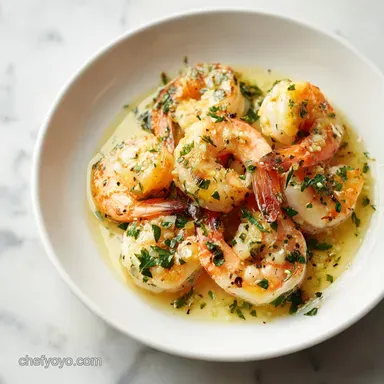
Garlic Butter Shrimp Scampi in 20 Minutes

- Total20 Mins
- Servings4
- Calories515 kcal
- Time: 10 min active + 10 min cooking
- Flavor & Texture: Vibrant, lemony, and rich
- Perfect for: Fast weeknight dinners or a date night
Garlic Butter Shrimp Scampi
The aroma of sizzling butter and toasted garlic instantly fills the air. Listen for that distinct sear as the shrimp hit the pan, transforming from translucent gray into a dark golden brown. It delivers a sophisticated dining experience in less time than it takes for a delivery driver to arrive.
Getting that professional touch with this garlic butter shrimp scampi comes down to a couple of key steps. Searing the shrimp first keeps them from poaching in the sauce, and overcooking is the most common cause of rubbery seafood.
You'll end up with a zesty, vibrant sauce that coats the pasta thoroughly rather than settling at the base of the dish. It is all about the perfect equilibrium of fat, acid, and starch.
Why the Method Works
- The Fat Blend: Mixing olive oil with butter helps keep the butter from burning too quickly at high heat. This lets you get a deep sear on the shrimp without the butter turning brown too quickly.
- The Pasta Water: Starch from the reserved water acts as a bridge between the fat and the lemon juice. It creates a silky sauce that coats the pasta perfectly.
| Approach | Time | Shrimp Texture | Best For |
|---|---|---|---|
| Fast Sear | 10 mins | Firm & Snappy | Quick dinner |
| Low Simmer | 15 mins | Softer & Poached | Stew-like feel |
The Building Blocks
| Ingredient | Role | Substitution |
|---|---|---|
| Shrimp | Core protein and natural sweetness | Scallops (tweak sear time) |
| Seafood Stock | Savory, briny depth | Vegetable broth (milder flavor) |
| Butter | Body and richness | Plant-based butter (1:1 ratio) |
| Lemon Juice | Zest and acidity | White wine vinegar (use sparingly) |
- 1 lb large shrimp, peeled and deveined
- 1/2 tsp kosher salt
- 1/4 tsp cracked black pepper
- 3 tbsp unsalted butter Why this? Gives the sauce a luxurious, velvety texture.
- 1 tbsp extra virgin olive oil
- 4 cloves garlic, minced
- 1/2 cup seafood stock with lemon juice
- 1/4 tsp red pepper flakes
- 1 tbsp fresh lemon juice
- 2 tbsp fresh parsley, chopped
- 12 oz linguine
- 1/2 cup reserved pasta water
Gear You Need
A stainless steel or cast iron pan (12 inches) works best for this dish. These materials retain heat more effectively than non-stick options, allowing the shrimp to develop those rich, caramelized brown edges. The only other tools required are a large pot for boiling the pasta and a pair of tongs for tossing.
The Cooking Process
Phase 1: The High-Heat Sear
- Get a large pot of salted water boiling, cook the linguine per package directions until al dente, reserve 1/2 cup of the cooking water, and drain.
- Dry the shrimp thoroughly with paper towels and season them with 1/2 tsp kosher salt and 1/4 tsp cracked black pepper. Note: Wet shrimp will steam instead of sear.
- In a 12-inch stainless steel or cast iron frying pan, heat 1 tbsp olive oil and 1 tbsp butter over medium-high until the butter foams.
- Place the shrimp in the skillet in one layer and brown for 1–2 minutes per side until dark golden and they register 145°F/63°C internally; transfer them immediately to a plate.

Phase 2: Building the Aromatics
- Lower the heat to medium and add the remaining 2 tbsp of butter.
- Sauté the minced garlic and red pepper flakes for 30–60 seconds until fragrant and translucent.

- Stir in the seafood stock and lemon juice, simmering for 2–3 minutes until the liquid is reduced by about a third.
Phase 3: The Emulsion and Finish
- Add the fresh lemon juice and chopped parsley.
- Return the cooked linguine and seared shrimp to the pan.
- Mix in the reserved pasta water, tossing constantly over medium heat until the sauce emulsifies into a velvety glaze that clings to the pasta.

If Something Goes Wrong
If Sauce Is Oily
This happens when the fat and liquid separate. To fix it, add a splash more pasta water and toss the noodles vigorously. The extra starch binds the butter and lemon together.
If Shrimp Are Rubbery
Overcooking is the culprit here. When making garlic butter shrimp scampi, remember that shrimp continue to cook for a minute after they leave the pan. Pull them off the heat as soon as they curl into a loose C shape.
If Garlic Burns
If the garlic turns dark brown, it becomes bitter. This usually means the pan was too hot. Wipe the pan, start with fresh butter, and keep the heat at a steady medium.
Dietary Tweaks
| Original Ingredient | Substitute | Why It Works |
|---|---|---|
| Linguine (12 oz) | Zucchini Noodles | Low carb. Note: Sauté briefly; don't boil |
| Butter (3 tbsp) | Olive Oil (3 tbsp) | dairy-free. Note: Sauce will be thinner, less creamy |
| Seafood Stock | Vegetable Broth | Allergy-friendly. Note: Lacks the deep brine of seafood stock |
Storage and Reheating
Store your garlic butter shrimp scampi in an airtight container in the fridge for 3 to 4 days. You can find more details on USDA guidelines for leftovers.
To reheat, use a skillet over low heat. Add a tablespoon of water or stock to loosen the sauce. Heat it until it reaches an internal temperature of 165°F/74°C. I don't recommend freezing this dish, as the shrimp get mushy and the pasta breaks down.
Best Side Pairings

This garlic butter shrimp scampi is rich, so you need something to cut through the butter. A crisp arugula salad with a sharp vinaigrette works well. If you want something heartier, I like serving it with a slice of toasted Homemade Bread Recipe to soak up every drop of the lemon butter sauce. Steamed asparagus or sautéed spinach also keep the meal feeling fresh and vibrant.
Frequently Asked Questions
Why did the oil and butter separate in the sauce, and how do I keep it emulsified?
This happens when the fat is not bound to the cooking liquid.
Tip: toss the linguine with reserved pasta water over medium heat to create a glossy glaze.
Can I boost the flavor if the sauce tastes bland?
Increase the amount of minced garlic, red pepper flakes, or lemon juice.
Tip: let the seafood stock reduce by about a third before finishing the sauce.
What prevents the shrimp from turning rubbery?
Sear for 1–2 minutes per side until they reach an internal temperature of 145°F/63°C.
Tip: remove the shrimp from the pan immediately once they are rich brown.
How do I keep the garlic from burning in the pan?
Reduce the heat to medium before adding the minced garlic.
Tip: cook for only 30–60 seconds until the cloves are translucent.
Garlic Butter Shrimp Scampi in 20 Mins