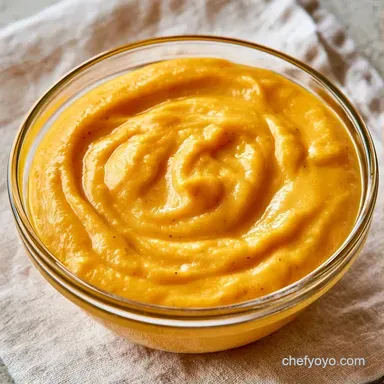
Yellow Bird Hot Sauce with Tangerine Juice
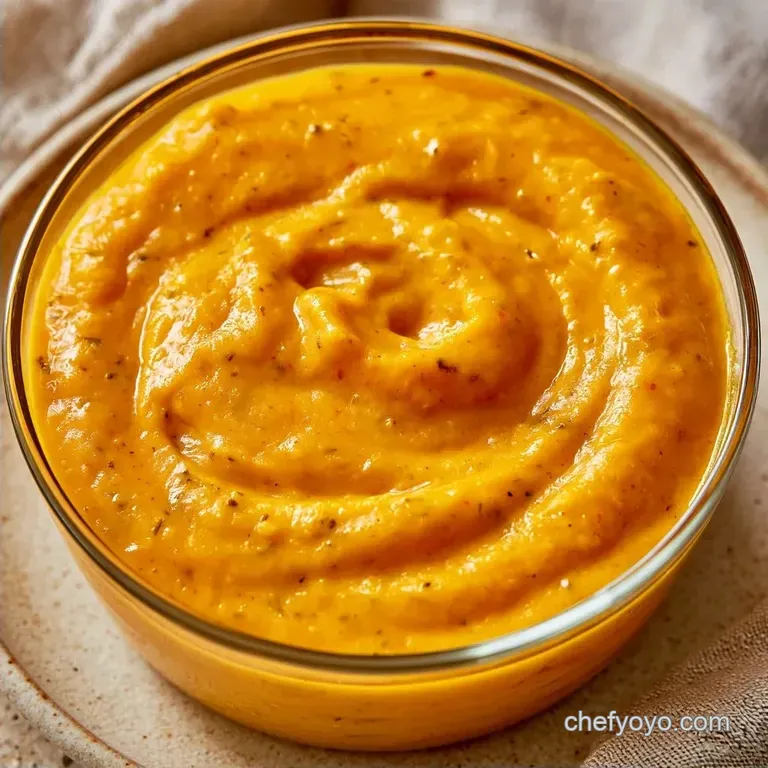
- Time: 10 minutes prep + 15 minutes simmering
- Profile: Zesty, citrusy and creamy
- Perfect for: Taco Tuesdays or breakfast eggs
The aroma of cooking habaneros fills the air as soon as the pan warms up a pungent, fruity scent that is simultaneously intimidating and inviting. Many believe a hot sauce requires an onslaught of vinegar to taste fresh, but that is a misconception.
You can achieve a clean finish by balancing citrus with the natural sweetness of root vegetables.
I first encountered a version of this at a street fair, where the sauce was a luminous, glowing orange. It wasn't merely about the spice; it had a bold, clean taste that actually highlighted the individual ingredients.
This recipe recreates that same impact. It is a silky emulsion that captures the habanero's fire while remaining balanced enough to let the flavors of your dinner shine through.
Easy Homemade Yellow Bird Hot Sauce
Here is a breakdown of the timing and yield. This recipe produces roughly two cups of sauce, providing plenty for several weeks of regular use.
| Detail | Value |
|---|---|
| Prep Time | 10 minutes |
| Cook Time | 15 minutes |
| Total Time | 25 minutes |
| Yield | 2 cups |
The Vibrant Ingredient List
The magic here is in the ratios. We're using tangerine juice instead of just lemon or lime to get that specific "Yellow Bird" fruity profile.
| Ingredient | What It Does | Best Swap |
|---|---|---|
| Habanero Peppers | Primary heat and color | Scotch Bonnet peppers |
| Carrots | Adds body and sweetness | Butternut squash |
| Tangerine Juice | Bright, fruity acidity | Orange juice |
| Apple Cider Vinegar | Tang and preservation | White distilled vinegar |
The Produce
- 60g habanero peppers, stemmed Why this? Essential for that specific searing heat.
- 130g carrots, peeled and roughly chopped Why this? Thickens the sauce and tames the fire.
- 75g white onion, diced Why this? Adds a savory base note.
- 9g garlic, smashed Why this? Pungent depth that cuts through the sugar.
The Liquids & Seasoning
- 120ml fresh tangerine juice Why this? Gives it that signature citrus glow.
- 60ml apple cider vinegar Why this? Balanced tang and keeps it shelf stable.
- 12g cane sugar Why this? Rounds out the sharp edges of the vinegar.
- 15ml fresh lime juice Why this? Final hit of brightness.
- 6g sea salt Why this? Enhances all the other flavors.
Essential Tools You Need
Professional equipment isn't necessary, but a quality blender is essential. Opting for a food processor will likely leave you with a chunky salsa rather than a velvety smooth sauce.
- Small saucepan
- High speed blender (such as a Vitamix or Ninja)
- Digital kitchen scale (for precision)
- Rubber gloves (trust me, avoid touching those habaneros with your bare hands)
Step-by-step Cooking Process
Let's crack on. Remember to keep your kitchen ventilated when cooking with these peppers.
- Combine the chopped carrots, diced onion, and smashed garlic in your saucepan.
- Pour in the tangerine juice and apple cider vinegar.
- Simmer over medium heat for 10-12 minutes until carrots are tender and the liquid bubbles. Note: Don't let it boil dry, just a gentle simmer.
- Stir in the stemmed habanero peppers and cane sugar.
- Cook for another 3-5 minutes until peppers soften and sugar disappears.
- Remove the pan from the heat immediately to keep the colors bright.
- Pour everything from the pan into the blender.
- Add the lime juice and sea salt.
- Blend on high for 60-90 seconds until the sauce is completely smooth.
- Adjust consistency with a splash of water or extra vinegar if it's too thick to pour.
Why This Blend Works
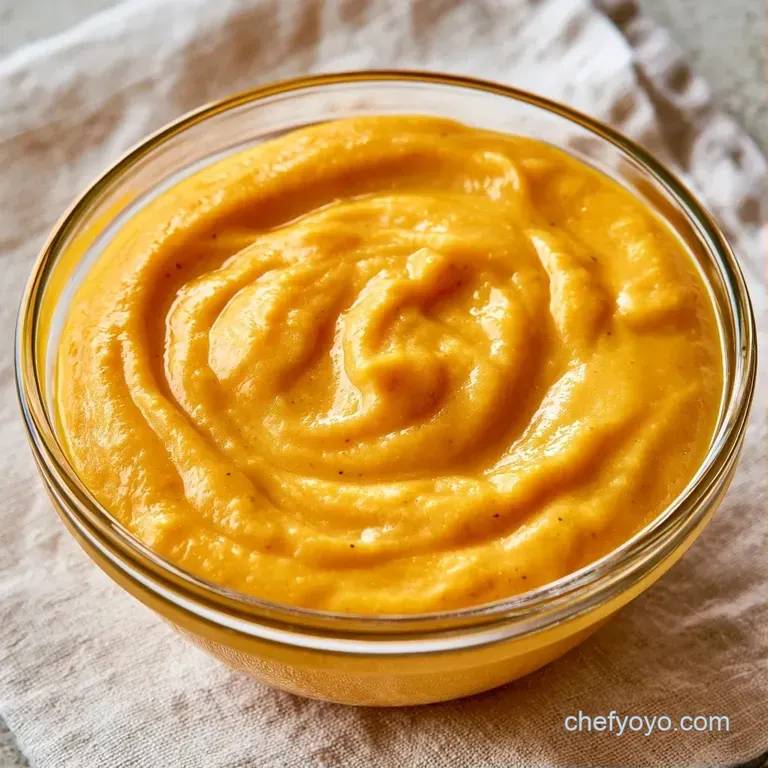
I’ve experimented with various techniques, but a stovetop simmer is essential for this specific flavor profile. For a smokier taste, check out the Sauce with Roasted Tomatoes recipe, but for this version, freshness is key.
- The Carrot Buffer: Natural sugars in carrots coat the palate, preventing the habanero’s heat from feeling too aggressive.
- Citrus Acid Bridge: A blend of lime and tangerine offers a complex tartness that captures the essence of street market sauces.
- Simmering First: Heating the aromatics before you blend them gets rid of the raw pungency of the onion and garlic.
Below is a quick breakdown of why we choose the stove over the oven for this Yellow Bird Hot Sauce.
| Feature | Stovetop Method | oven roasted Method |
|---|---|---|
| Flavor | Bright, zesty, fresh | Smoky, deep, charred |
| Color | Vibrant orange | Deep red/brown |
| Texture | Uniformly smooth | Slightly heartier |
Fixing Common Sauce Issues
Even the most straightforward recipes can occasionally yield unexpected results. This is typically due to differences in blender strength or ingredient variations.
Sauce is Too Thick
If your carrots are particularly starchy or you used less juice, the sauce may turn into a paste. It should glide smoothly off a spoon rather than plopping.
Heat is Too High
Habanero heat levels vary significantly. If you used "super" peppers, the spice may overpower the tangerine flavor.
Color Looks Dull
Overcooking the mixture or using older carrots can cause the vibrant neon orange to fade into a muddy tan.
| Problem | Root Cause | Solution |
|---|---|---|
| Too Thick | Not enough liquid or high carrot starch | Blend in 1 tbsp water at a time |
| Too Spicy | High capsaicin levels in peppers | Stir in a bit more tangerine juice |
| Dull Color | Overcooking the vegetables | Reduce simmer time by 2 minutes |
Adjusting Your Batch Size
Making a huge batch of this Yellow Bird Hot Sauce is easy, but you can't just multiply everything by four and hope for the best.
Scaling Down (Half Batch) Use a smaller saucepan so the liquid doesn't evaporate too quickly. Reduce the simmer time by about 20%, as smaller amounts of carrots soften faster.
Scaling Up (Double or Triple) When doubling, only increase the salt and sugar to 1.5x first. Taste it before adding the full amount, as these flavors can intensify in larger volumes. Work in batches if your blender can't handle the volume.
Decision Shortcut:
- More tang? → add 1 tsp lime zest
- Thicker texture? → use 150g carrots
- Lower heat? → remove habanero seeds
Storage and Zero Waste
This sauce lasts a long time because of the vinegar and salt. Store it in a sealed glass bottle in the fridge for up to 6 weeks.
If you're freezing it, use plastic containers and leave some room at the top for expansion. It stays good for 3 months, though you might need to give it a quick shake or a 10 second blend after thawing to bring the emulsion back together.
Don't toss your carrot peels or onion ends. Throw them in a freezer bag with other veggie scraps to make a stock later. Also, if you have a tiny bit of sauce left in the bottle, pour some olive oil on top to seal out the air and extend its life.
Bold Flavor Twists
Once you've got the base down, you can play with the profile. This is where you can really make it your own.
The Smoky Route Add one chipotle pepper in adobo to the blender. It keeps the orange color but adds a deep, campfire undertone that's great on grilled meats.
The Tropical Spin Swap the tangerine juice for pineapple juice. It makes the sauce a bit sweeter and gives it a vibe that's perfect for shrimp tacos.
The Garlic Bomb Double the garlic and sauté it until it's just barely golden before adding the other vegetables. This adds a nutty, savory layer to the heat.
Best Ways to Serve
This isn't just for tacos. Because of the fruitiness, it works on things you wouldn't expect.
Try it on a fried egg or a breakfast sandwich to wake up your taste buds. It's also a brilliant glaze for salmon or roasted cauliflower. If you're doing a party platter, this pairs perfectly with some Vegan Nacho Cheese Sauce for a bold, colorful spread.
For a real treat, drizzle a bit over vanilla ice cream. The contrast between the cold cream and the searing heat of the Yellow Bird Hot Sauce is actually a thing people do in some parts of the world, and it's a total trip. Trust me on this one.
Recipe FAQs
How long does homemade hot sauce last?
Keep it in a sealed glass bottle in the fridge for 6 weeks. You can also freeze it in plastic containers for up to 3 months.
Can I make it less spicy?
Use fewer habanero peppers. Reducing the quantity of peppers while keeping the other vegetables the same lowers the heat without losing flavor.
Why use tangerine juice in this sauce?
It provides a bright, citrusy sweetness that cuts through the habanero heat. This creates a more complex flavor profile than using standard vinegar alone.
How to get a smoother consistency?
Blend on high for 60-90 seconds. If it remains chunky, stir in a small amount of water or apple cider vinegar to help the blender.
Is it true that carrots must be boiled for an hour to be smooth?
No, this is a common misconception. A gentle simmer for 10-12 minutes is enough to make them tender for a high speed blender.
Why include cane sugar in the recipe?
It balances the acidity of the vinegar and the heat of the peppers. If you enjoyed this method of balancing sharp and sweet notes, see how the same principle works in our Giblet Gravy.
Yellow Bird Hot Sauce