Apple Strudel Recipe: Rustic Baked
- Time: Active 30 mins, Passive 40 mins, Total 1 hour 10 mins
- Flavor/Texture Hook: Shatteringly crisp pastry meets a warm, aromatic fruit core
- Perfect for: Holiday brunches, Sunday afternoon tea, or impressive artisanal entertaining
- Creating a Hand Stretched Authentic Apple Strudel Recipe
- Vital Specifications for Your Baking Success
- Analyzing Key Components for Better Flavor
- Standard Tools for Artisanal Pastry Work
- Step-by-Step Guidance for Rolling Pastry
- Fixing Common Strudel Baking Errors
- Alternative Fillings and Pastry Options
- Storing and Refreshing Your Leftovers
- Perfect Pairings for Warm Pastries
- Recipe FAQs
- 📝 Recipe Card
Creating a Hand Stretched Authentic Apple Strudel Recipe
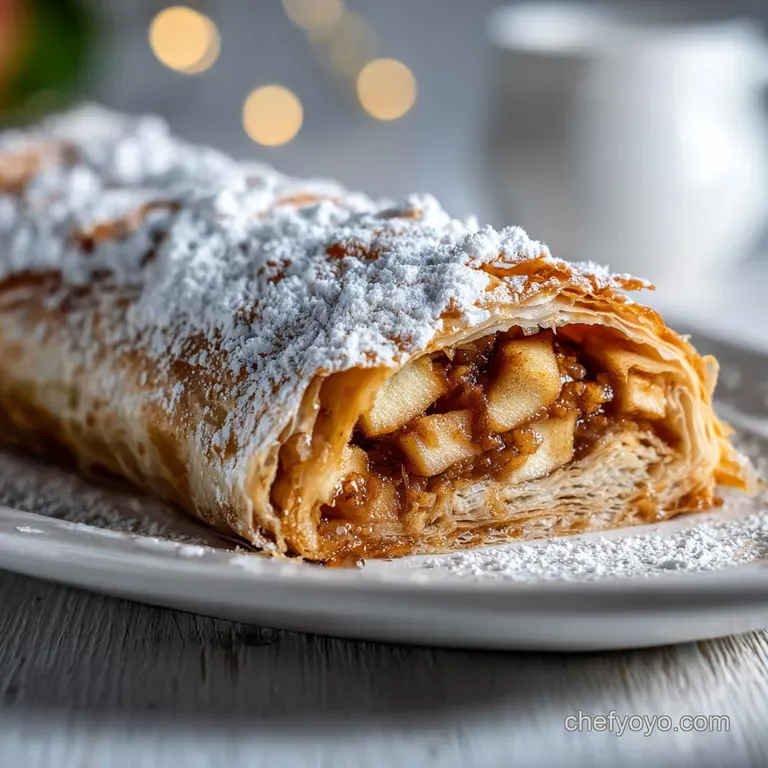
The smell of cinnamon and roasting apples drifting through the house is one of those sensory triggers that instantly makes a kitchen feel like a home. There's something deeply satisfying about the process of layering thin, translucent pastry and watching it transform in the oven into a mahogany masterpiece.
I remember the first time I tried making this; I rushed the process and ended up with a soggy bottom that was more like a wet blanket than a dessert. It was a lesson in patience and the importance of the "breadcrumb barrier."
Since then, I've spent years refining the technique to ensure every bite offers that signature shatter. We aren't just making a pie; we're crafting a rustic, artisanal experience. The secret isn't just in the apples, though their tartness is vital, but in how we treat the pastry.
We want layers so thin they're almost invisible, held together by the richness of melted unsalted butter. It sounds intimidating, but once you see how the ingredients interact, you'll realize it's more about rhythm than magic.
Right then, let's get into the details. We’re going to use a mix of Granny Smith and Honeycrisp apples to get that balance of structural integrity and sweetness. This isn't a place for "mushy" fruit.
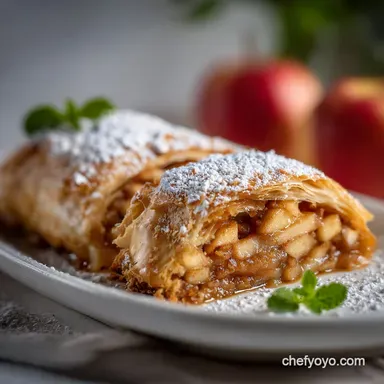
We want distinct, velvety pieces of apple nestled among golden raisins that have been plumped up with a splash of dark rum. Trust me on this: the rum adds a sophisticated depth that makes the whole dish feel much more expensive than it actually is.
Vital Specifications for Your Baking Success
Before we start peeling, let's look at the science of why this method works so well. It's not just about following steps; it's about understanding the thermodynamics of your oven and the chemistry of the fruit.
- Hygroscopic Action: The sugar pulls moisture out of the apples, which is why we macerate and drain them to prevent the pastry from steaming from the inside.
- Starch Absorption: The toasted breadcrumbs act as a moisture wick, trapping released juices before they can reach the bottom pastry layers.
- Fat Lamination: Brushing melted butter between filo sheets creates distinct micro layers, allowing heat to circulate and "fry" the dough into a crisp texture.
- Acid Stabilization: Lemon juice prevents enzymatic browning and balances the heavy sweetness of the sugar.
| Method | Resulting Texture | Flavor Profile | Best For |
|---|---|---|---|
| Traditional Oven | Shattering, crisp shell | Balanced, bright fruit | Dinner parties |
| Stovetop (Filling) | Soft, jammy fruit | Deeply caramelized | Quick assembly |
| Air Fryer (Small) | Extra crunchy exterior | Intense spice notes | Single servings |
Cooking the filling on the stovetop first can save time, but it often leads to a softer apple texture. The oven method, which we’ll use today, allows the fruit to roast slowly, intensifying the natural sugars without turning the whole thing into sauce.
This maintains that rustic, hand cut feel that defines a proper strudel.
Analyzing Key Components for Better Flavor
Every ingredient in this apple strudel recipe serves a specific functional purpose. If you’ve ever wondered why we use breadcrumbs in a dessert, or why the choice of apple matters so much, this breakdown explains the "why" behind the "what."
| Component | Science Role | Pro Secret |
|---|---|---|
| Granny Smith Apples | Structural Integrity | High pectin levels keep the fruit from collapsing into a puree during the bake. |
| Unsalted Butter | Steam Generation | The water content in butter evaporates, pushing pastry layers apart for maximum flake. |
| Golden Raisins | Flavor Concentration | Plumping them in rum prevents them from burning and adds a "pop" of moisture. |
| Filo Pastry | Multi layer Scaffolding | Each paper thin sheet adds a new level of crunch without the heaviness of puff pastry. |
Choosing the right apple is non negotiable. While I love a Gala for snacking, it has too much water and too little acid for a long bake. If you want to explore more apple textures, you might find similarities in how fruit behaves in a Classic Apple Crisp recipe, where the topping provides the crunch instead of the wrapper.
Standard Tools for Artisanal Pastry Work
You don't need a professional bakery setup to get results that look artisanal. However, a few specific tools will make the assembly of this apple strudel recipe much smoother.
- Large Cotton Tea Towel: This is your most important tool. We use it to roll the strudel tightly without tearing the delicate filo.
- Pastry Brush: A natural bristle or silicone brush is essential for even butter distribution.
- Heavy Rimmed Baking Sheet: Prevents butter leaks from hitting the bottom of your oven and causing smoke.
- Serrated Knife: This is the only way to slice through the finished crust without crushing the delicate layers.
Chef's Note: If you don't have a pastry brush, you can use the back of a small spoon, but be very gentle. The goal is to coat the entire surface of the filo sheet without soaking it, which would make the dough heavy and leathery rather than light and flaky.
step-by-step Guidance for Rolling Pastry

Let's crack on with the actual assembly. Remember, filo dries out in seconds, so keep a damp (not soaking) cloth over your unused sheets while you work.
- Macerate the fruit. Mix the 2 lbs sliced apples, 1/2 cup sugar, 1/2 cup raisins, 2 tbsp dark rum, 1 tsp cinnamon, and 1 tbsp lemon juice. Note: Let this sit for 20 minutes to draw out excess liquid.
- Toast the barrier. Sauté the 1/2 cup breadcrumbs in a teaspoon of butter until golden and smelling like toasted nuts.
- Prepare the workspace. Lay down your tea towel and place the first sheet of filo on it.
- Layer the pastry. Brush with melted butter and top with another sheet. Repeat until all sheets are stacked and glistening.
- Apply the wick. Sprinkle the toasted breadcrumbs over the top sheet, leaving a 2 inch border.
- Drain the filling. Use a slotted spoon to place the apple mixture over the breadcrumbs. Discard the excess syrup to prevent sogginess.
- Roll the strudel. Use the tea towel to lift the edge and roll the pastry over the filling, tucked tightly.
- Seal the ends. Fold the sides inward like a burrito and finish the roll until the seam is on the bottom.
- Final glaze. Brush the exterior generously with the remaining melted butter.
- Bake the masterpiece. Bake at 375°F for 40 minutes until the crust is mahogany and shatters when touched.
Fixing Common Strudel Baking Errors
Even with the best intentions, things can go sideways. But don't worry, most "failures" are still edible and easily fixed with a bit of powdered sugar or a side of cream.
Why Your Strudel Bottom is Soggy
This usually happens because the apples weren't drained well enough or the breadcrumbs were skipped. The juice from the fruit needs somewhere to go. If it’s not absorbed by the crumbs, it settles at the bottom and boils the pastry instead of crisping it.
Fixing Torn Filo Pastry
Filo is notoriously temperamental. If a sheet tears, don't panic. The beauty of this recipe is that we use multiple layers. Simply "patch" the tear with a little extra butter and a small piece of a spare sheet. Once it's rolled, no one will ever know.
| Problem | Root Cause | Solution |
|---|---|---|
| Pastry is leathery | Too little butter used | Ensure every inch of the sheet is brushed with fat. |
| Filling is too dry | Apples sliced too thin | Cut into 1/4 inch wedges to retain a "bite." |
| Strudel burst open | Rolled too tightly | Leave a little "breathing room" for the fruit to expand. |
Common Mistakes Checklist:
- ✓ Forgot to toast the breadcrumbs (they won't absorb as much liquid raw).
- ✓ Using room temperature butter (melted but cooled is best for brushing).
- ✓ Overcrowding the baking sheet (steam needs to escape).
- ✓ Slicing the strudel while screaming hot (let it set for 10 minutes first).
Alternative Fillings and Pastry Options
If you find yourself without filo or want to change the flavor profile, there are plenty of ways to adapt this recipe. The core technique of "filling + barrier + wrapper" remains the same.
| Original Ingredient | Substitute | Why It Works |
|---|---|---|
| Filo Pastry | Puff Pastry | Adds more height and buttery weight. Note: Results in a denser, less "shattering" crust. |
| Golden Raisins | Dried Cranberries | Provides a tart, bright contrast. Note: Does not require rum soaking to be flavorful. |
| Granulated Sugar | Brown Sugar | Adds a deep molasses note. Note: Creates more moisture, so add extra breadcrumbs. |
If you want a more hands off version of the fruit filling, you can use the slow cooker method found in my Crockpot Applesauce recipe, though you'll need to reduce the liquid significantly before using it as a strudel filling.
Storing and Refreshing Your Leftovers
Strudel is at its absolute peak about 20 minutes after it comes out of the oven. However, if you have leftovers, you can still enjoy them with a little care.
Storage: Store in the fridge for up to 3 days. Do not wrap it tightly in plastic wrap, as this will trap moisture and turn the pastry soft. Instead, place it in a container with a loose fitting lid or a paper bag.
Freezing: You can freeze the strudel before baking. Wrap it tightly in parchment paper and then foil. It will stay fresh for up to 2 months. Bake directly from frozen, adding about 15 minutes to the total cook time.
Reheating: Never use the microwave! It will turn the pastry into rubber. Instead, place slices in a 350°F oven for 10 minutes until the butter sizzles again and the crust regains its crunch.
Zero Waste Tip: If you have leftover apple peels and cores, simmer them with a cinnamon stick and a bit of water to make a quick "cook's treat" syrup for your morning coffee or oatmeal.
Perfect Pairings for Warm Pastries
The way you present this apple strudel recipe can change the entire vibe of the meal. Depending on the occasion, I like to use three different "levels" of plating.
| Level | Visual Element | Texture Note |
|---|---|---|
| Simple | Rustic thick slice on a wooden board | Warm, flaky, and unpretentious |
| Polished | Dusted with powdered sugar through a lace stencil | Velvety mouthfeel with a cool topping |
| Restaurant | Vertical stack with a quenelle of chantilly cream | High temperature contrast and height |
Plating Decision Shortcut: If you want a cozy Sunday feel, serve it warm with a big scoop of vanilla bean ice cream. If you want an elegant dinner finish, serve it at room temperature with a drizzle of cold crème anglaise.
If you want a modern twist, add a pinch of sea salt to the top of the butter glaze before baking.
My personal favorite is the "Restaurant" style. There’s something about the contrast between the hot, cinnamon spiced apples and a cold, silky cream that just feels like a celebration.
Whether you're making this for a holiday or just because you had an extra bag of apples, the artisanal look of a hand rolled strudel is always a winner. It's rustic, it's fragrant, and once you hear that first "crack" of the pastry under your knife, you'll know exactly why this recipe has stood the test of time.
Let's get baking!

Recipe FAQs
What is the best pastry for apple strudel?
Filo pastry is best. It's incredibly thin and layers up to create a shatteringly crisp shell when brushed generously with butter.
What is the difference between apple strudel and apple streusel?
Strudel has a thin, layered pastry wrap. Apple streusel, on the other hand, is typically a baked apple dish topped with a crumbly mixture of flour, sugar, and butter.
Why do you put breadcrumbs in apple strudel?
To absorb excess moisture. Toasted breadcrumbs act as a barrier, soaking up any juices released by the apples during baking, preventing a soggy bottom crust.
How long to bake apple strudel at 350 degrees?
Approximately 40-45 minutes at 375°F for a traditional bake. If using 350°F, you'll need to extend the time, likely to around 50-60 minutes, until the pastry is deeply golden and crisp.
Can I use puff pastry instead of filo for apple strudel?
Yes, but it changes the texture. Puff pastry will give you a richer, flakier result, but it won't achieve the distinct, delicate layers and "shatter" of traditional filo.
What kind of apples are best for apple strudel?
Firm, tart apples are ideal. Granny Smith or a mix of Granny Smith and Honeycrisp work well because they hold their shape and offer a nice tang to balance the sweetness.
How do I prevent my apple strudel from being soggy?
Drain the apples thoroughly and use toasted breadcrumbs. If you enjoyed mastering the moisture management for this strudel, see how we use the same principle to prevent watery fillings in our Classic Apple Crisp recipe.
Apple Strudel Recipe
Ingredients:
Instructions:
Nutrition Facts:
| Calories | 454 kcal |
|---|---|
| Protein | 5.6 g |
| Fat | 15.1 g |
| Carbs | 71.1 g |
| Fiber | 3.0 g |
| Sugar | 31.1 g |
| Sodium | 300 mg |
