Dinner Rolls: Artisanal and Fluffy
- Time: Active 30 minutes, Passive 110 minutes, Total 140 minutes
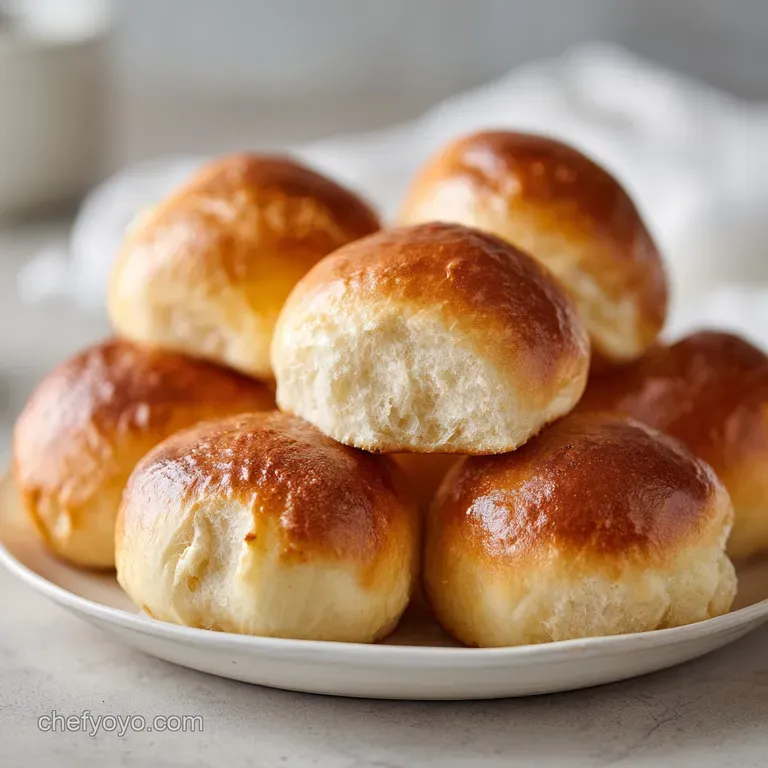
- Flavor/Texture Hook: Wholesome, buttery crumb with a velvety, pillowy interior
- Perfect for: Holiday gatherings, rustic Sunday dinners, or meal prep sandwiches
- Mastering the Most Pillowy Dinner Rolls Recipe Possible
- Essential Planning for Your Perfect Dinner Rolls Recipe
- Selecting Wholesome Ingredients for This Dinner Rolls Recipe
- The Rustic Tools Needed for This Rolls Recipe
- Bringing It Together for a Wholesome Rolls Recipe
- Avoiding Kitchen Disasters with This Dinner Rolls Recipe
- Scaling Your Wholesome Bread Production
- Flavor Variations to Try with Your Rolls Recipe
- Debunking Common Bread Myths
- Preservation Secrets and Zero Waste Tips
- Pairing Ideas for This Wholesome Dinner Rolls Recipe
- Recipe FAQs
- 📝 Recipe Card
Mastering the Most Pillowy Dinner Rolls Recipe Possible
The first thing you notice isn't the sight of the golden crust, but the aroma. It's that heady, wholesome scent of blooming yeast and melting butter that fills every corner of the kitchen, pulling everyone toward the oven.
I remember the first time I pulled a tray of these out, the steam rising as I brushed them with honey butter, and realized that bread doesn't have to be a struggle. It can be a simple, tactile joy that grounds you in the moment.
For this specific dinner rolls recipe, I’ve leaned into the magic of the Tangzhong method. If you haven't tried it, it's a total shift in how you'll view homemade bread. We’re taking a tiny bit of bread flour and whisking it with milk until it’s thick and pudding like.
This little step is the "hero" of the dish. It changes the structural integrity of the starch, allowing the dough to hold onto much more moisture without becoming sticky or difficult to handle.
We aren't looking for a factory perfect, uniform look here. We want something rustic and artisanal, where the pulls are soft and the centers are airy. You don't need a professional bakery setup to get these results, just a bit of patience and a warm spot in your kitchen. Whether you’re pairing these with a Classic Beef Stew or just eating them warm with a thick slab of salted butter, they bring a sense of comfort that store-bought bags never will.
Essential Planning for Your Perfect Dinner Rolls Recipe
To get that rustic finish and the softest possible crumb, timing and temperature are your best friends. I’ve found that rushing the rise is the quickest way to end up with a dense, disappointing roll.
We want to give the yeast plenty of space to breathe and expand, creating those tiny air pockets that make the bread feel weightless.
When you're planning your kitchen flow, think about the environment. Yeast is a living thing, and it thrives in a "Goldilocks" zone not too hot that it dies, and not too cold that it sleeps.
I usually turn my oven on for just sixty seconds, then turn it off, creating a cozy proofing box that keeps everything moving along perfectly.
| Method | Time | Texture | Best For |
|---|---|---|---|
| Standard Oven | 15 minutes | Golden crust, soft airy center | Traditional dinner service |
| Air Fryer | 10-12 minutes | Crispy exterior, slightly denser | Quick small batches |
| Reheating | 5 minutes | Refreshed and buttery | Next day leftovers |
The key to success here is consistency. Using a kitchen scale to weigh your dough pieces ensures that every roll finishes baking at exactly the same time. If some are huge and some are tiny, you’ll end up with a mix of burnt edges and raw centers.
Taking that extra five minutes to weigh them out at 55 grams each makes all the difference in the final presentation.
Selecting Wholesome Ingredients for This Dinner Rolls Recipe
The choice of flour is where most people get tripped up. For the main body of this dinner rolls recipe, I use all purpose flour because it keeps the crumb tender and easy to pull apart. However, for that secret Tangzhong starter, I specifically use bread flour.
The higher protein content in the bread flour helps create a stronger "gel" that traps moisture more effectively than all purpose could do alone.
Butter is the other non negotiable. We aren't just using it for flavor; we're using it to coat the gluten strands, which prevents them from getting too tough. This is how we get that velvety feel rather than a chewy, baguette like texture.
Use a high-quality unsalted butter so you can control the salt levels yourself nothing ruins a wholesome roll like an accidental salt bomb in the dough.
| Ingredient | Science Role | Pro Secret |
|---|---|---|
| Bread Flour (Starter) | High protein for gelation | Whisk constantly to avoid lumps |
| Whole Milk | Provides fat and natural sugars | Use 105°F to wake up yeast |
| Unsalted Butter | Softens gluten structure | Add cube by cube while kneading |
| Active Dry Yeast | Leavening agent | Ensure it's foamy before adding flour |
When it comes to the milk, whole milk is the only way to go. The fats and proteins in whole milk contribute to the browning of the crust and the richness of the interior. If you try to swap this with skim milk, you'll lose that artisanal, decadent mouthfeel that makes this rolls recipe so special.
It's all about building layers of flavor from the very first step.
The Rustic Tools Needed for This Rolls Recipe
You don't need a high tech lab to bake beautiful bread. A simple stand mixer, like a KitchenAid, makes the kneading process much easier, but you can absolutely do this by hand if you’re looking for a workout.
There’s something quite therapeutic about feeling the dough change from a shaggy, sticky mess into a smooth, elastic ball under your palms.
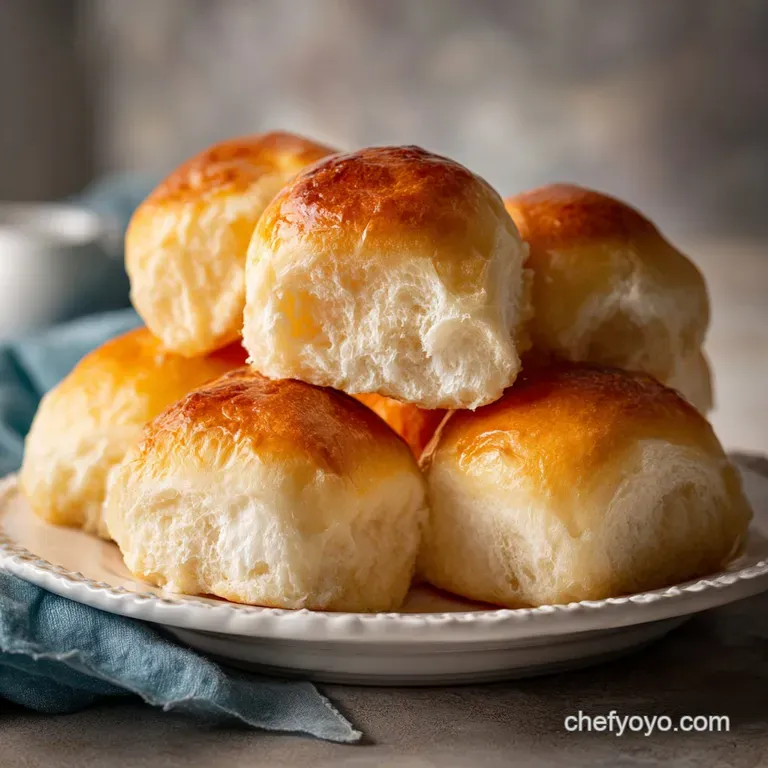
A 9x13 inch baking pan is the standard here, as it allows the 18 rolls to nestle against each other. This "shoulder to shoulder" placement is actually intentional; as the rolls rise and bake against one another, they are forced upward rather than outward, which helps them stay moist and soft on the sides.
For the Tangzhong (Starter)
- 3 tbsp bread flour: The protein rich base for our moisture trap.
- 1/2 cup whole milk: The liquid that hydrates the starch.
For the Main Dough
- 4 cups all purpose flour: The bulk of our rustic structure.
- 1/4 cup granulated sugar: Just enough to feed the yeast and add a hint of sweetness.
- 2.25 tsp active dry yeast: One standard packet for a reliable rise.
- 1 tsp fine sea salt: To tighten the gluten and enhance the buttery notes.
- 1 large egg: For a rich, golden crumb.
- 1/2 cup whole milk: The remaining liquid for the main dough.
- 6 tbsp unsalted butter: Softened and cubed for easy incorporation.
For the Signature Butter Glaze
- 3 tbsp unsalted butter: To be melted and brushed on hot.
- 1 tsp honey: For a subtle floral sweetness and shine.
- 1 tsp flaky sea salt: For that essential crunch and flavor pop.
| Original Ingredient | Substitute | Why It Works |
|---|---|---|
| Whole Milk | Oat Milk (Full Fat) | Similar creamy consistency for dairy-free needs |
| Unsalted Butter | Vegan Butter Sticks | High fat content maintains the soft crumb |
| Honey | Maple Syrup | Provides shine and sweetness with a woody note |
Bringing It Together for a Wholesome Rolls Recipe
- Make the Tangzhong: In a small saucepan, whisk 3 tbsp bread flour and 1/2 cup whole milk over medium heat until a thick, pudding like paste forms (approx. 2 minutes). Remove from heat and let cool slightly. Note: This pre gelatinizes the starch so it can hold more water.
- Activate Yeast: In a stand mixer bowl, combine the remaining 1/2 cup warm milk (105°F-110°F), sugar, and yeast. Let sit for 5-10 minutes until foamy and smelling like fresh bread.
- Mix Dough: Add the cooled Tangzhong, egg, 4 cups all purpose flour, and 1 tsp fine sea salt to the yeast mixture. Mix on low speed with a dough hook until a shaggy mass forms.
- Knead and Enrich: Gradually add 6 tbsp of softened, cubed butter. Increase speed to medium and knead for 8-10 minutes until the dough is smooth, elastic, and passes the windowpane test.
- First Rise: Place dough in a greased bowl, cover, and let rise in a warm, draft free spot for 60-90 minutes until doubled in size.
- Shape: Punch down dough and divide into 18 equal pieces (approx. 55g each). Roll into smooth balls until the surface is taut and place in a greased 9x13 inch baking pan.
- Second Rise: Cover the pan and let the rolls rise for an additional 45 minutes until they look puffy and are touching.
- Bake: Preheat oven to 350°F (175°C). Bake for 15 minutes until the tops are golden brown and reach an internal temperature of 190°F.
- Glaze: Melt the remaining 3 tbsp butter and whisk with 1 tsp honey. Brush the glaze over the hot rolls and sprinkle with flaky sea salt while still sizzling.
Chef's Tip: If your dough is still sticking to the sides of the bowl after 10 minutes of kneading, add flour one tablespoon at a time. Be careful, though too much flour makes a heavy roll!
Avoiding Kitchen Disasters with This Dinner Rolls Recipe
Bread can be temperamental, but most issues come down to temperature or patience. If your dough isn't rising, it’s usually because the milk was too hot (killing the yeast) or too cold (leaving it dormant).
I always use a digital thermometer to make sure that milk is right between 105°F and 110°F. It’s a small step that saves a lot of heartache.
Another common mistake is skipping the "windowpane test." This is when you take a small piece of dough and stretch it out. If it stretches thin enough to see light through it without tearing, the gluten is developed. If it snaps, keep kneading! Without that structure, your rolls will be crumbly instead of pillowy.
My Dough Didn't Rise
This usually happens if the yeast is expired or if the room is too cold. Yeast is a fungus that needs warmth to produce carbon dioxide. If your kitchen is chilly, move the bowl to the top of the refrigerator or inside a turned off oven with the light on.
The Rolls are Dense and Heavy
This is a classic sign of over flouring or under proofing. If you add too much flour during the kneading stage because the dough feels "sticky," you'll end up with a brick. Trust the process and the Tangzhong; the dough should feel slightly tacky but not leave a mess on your fingers.
| Problem | Root Cause | Solution |
|---|---|---|
| Flat Rolls | Under proofing in 2nd rise | Let rise until truly puffy and doubled |
| Dry Crumb | Too much flour added | Weigh flour rather than using cups |
| Pale Crust | Oven temp too low | Ensure preheat to 350°F is complete |
Common Mistakes Checklist
- ✓ Ensure yeast is fresh by checking the "best by" date and waiting for the foam.
- ✓ Use room temperature eggs so they don't chill the warm milk and slow the yeast.
- ✓ Don't skip the Tangzhong; it's the only way to get that specific artisan texture.
- ✓ Resist the urge to add extra flour; a slightly tacky dough is a happy dough.
- ✓ Let the rolls cool for at least 10 minutes before eating to let the internal steam finish the job.
Scaling Your Wholesome Bread Production
If you’re hosting a massive dinner and need to double this dinner rolls recipe, it’s quite simple. For a double batch (36 rolls), you’ll want to use two separate 9x13 pans. Don't try to cram them all into one giant tray, or the centers will never cook through.
When doubling, I find it’s best to keep the yeast and salt at 1.5x the original amount rather than a full 2x to avoid an overly "yeasty" flavor or a salty dough.
For a smaller household, you can easily halve this recipe. Since it calls for one egg, simply whisk the egg in a small bowl and use half of it (about 25g). Use an 8x8 inch square pan for 9 rolls.
The baking time usually stays the same at 15 minutes, but keep an eye on them around the 12 minute mark just in case.
| Servings | Flour Amount | Pan Size | Cook Time |
|---|---|---|---|
| 9 Rolls | 2 cups AP Flour | 8x8 inch square | 15 minutes |
| 18 Rolls | 4 cups AP Flour | 9x13 inch | 15 minutes |
| 36 Rolls | 8 cups AP Flour | Two 9x13 inch | 15-18 minutes |
Flavor Variations to Try with Your Rolls Recipe
While the classic buttery version is my personal favorite, this dough is a fantastic canvas for other wholesome flavors. You can easily turn these into a savory accompaniment for a Hearty Cabbage Roll Soup by adding herbs directly into the dough.
For a Savory Herb Twist
Fold in 2 tablespoons of chopped fresh rosemary or thyme during the final minute of kneading. The aroma as they bake is absolutely intoxicating. You can also swap the honey in the glaze for a clove of minced garlic for a more pungent, savory finish.
For a dairy-free Dinner Rolls Recipe
Use full fat oat milk and a high-quality vegan butter. Because the Tangzhong relies on the interaction between flour and liquid, the oat milk works surprisingly well. You'll still get a very soft roll, though the crust might be slightly paler due to the lack of milk sugars and proteins.
- If you want a sweeter roll, increase the sugar to 1/2 cup and add a teaspoon of vanilla.
- If you want a crustier roll, skip the butter glaze and spray the oven with water right after putting the pan in.
- If you want a richer roll, swap the whole milk for heavy cream (though it will be much heavier!).
Debunking Common Bread Myths
One of the biggest myths in baking is that you must sift your flour. While it can help with clumping, it's not strictly necessary for a rustic rolls recipe like this. What matters more is how you measure it.
If you scoop the flour directly with the measuring cup, you'll pack it down and end up with 25% more flour than you need. Always fluff the flour first, then spoon it into the cup.
Another misconception is that sugar is "required" for yeast to work. While sugar does speed up the process, yeast can actually feed on the natural sugars in the flour itself. We add sugar here primarily for flavor and to help with the browning of the crust.
If you’re watching your sugar intake, you can reduce it, though the rise might take a bit longer.
Finally, some people think that "kneading longer is always better." This isn't true! You can actually over knead dough, especially with a stand mixer. If the dough starts to feel tough or loses its shine and begins to tear, you’ve gone too far. Stop as soon as you hit that smooth, "windowpane" stage.
Preservation Secrets and Zero Waste Tips
The magic of the Tangzhong is that these rolls stay soft for much longer than standard bread. You can keep them in an airtight container at room temperature for up to 3 days. If they start to feel a little firm, just 10 seconds in the microwave will reactivate the fats and make them feel fresh baked again.
Storage and Freezing
For long term storage, these rolls freeze beautifully. I recommend freezing them after they have cooled completely but before you glaze them. Wrap them tightly in plastic wrap and then foil. They will last for up to 3 months.
When you're ready to eat, let them thaw at room temperature, then pop them into a 350°F (175°C) oven for 5 minutes before applying a fresh honey butter glaze.
Zero Waste Ideas
If you happen to have leftovers that have gone truly stale, don't throw them away! The high fat and sugar content makes them the ultimate base for a rustic bread pudding. Tear them into chunks, soak them in a custard of eggs and milk, and bake until golden.
Alternatively, you can pulse them in a food processor to make the most incredible, buttery breadcrumbs for topping a casserole. Even the crumbs of this dinner rolls recipe are too good to waste.
Pairing Ideas for This Wholesome Dinner Rolls Recipe
These rolls are the ultimate utility player in the kitchen. They are soft enough to act as a slider bun for pulled pork, but sturdy enough to sop up the dregs of a rich gravy. I love serving them alongside something with a bit of acidity to cut through the richness of the butter.
- With Soups: Perfect for dipping into a creamy tomato basil or a chunky vegetable soup.
- With Roasts: The ultimate side for a Sunday pot roast or roast chicken.
- As a Snack: Honestly, a warm roll with a bit of jam or honey is a wholesome breakfast in its own right.
The beauty of artisanal baking is that it doesn't have to be perfect to be wonderful. Each roll might have a slightly different shape, and the honey glaze might drip down the sides, but that's what makes it home cooking. Enjoy the process, breathe in the aromas, and share them with people you love.
That’s what a good dinner rolls recipe is really about.
Recipe FAQs
What's the secret to perfect dinner rolls?
The Tangzhong method is the absolute secret. By whisking 3 tbsp bread flour and 1/2 cup milk into a paste before adding it to your dough, you lock in moisture and ensure an incredibly soft, artisan texture that lasts for days.
What makes bread rolls soft and fluffy?
Proper gluten development and the correct rise times are key. You must knead the dough until it passes the windowpane test and allow for both the initial 60-90 minute rise and the final 45-minute proof to build the internal structure. If you enjoyed the precision required for this crumb, you can apply similar dough handling techniques when preparing our sausage rolls.
What is the difference between dinner rolls and buns?
Dinner rolls are typically enriched, smaller, and softer. These rolls use milk, butter, and eggs to create a tender, slightly sweet crumb, whereas standard buns are often leaner, larger, and designed specifically to hold savory sandwich ingredients.
What are the three ingredients for dinner rolls?
Flour, liquid, and yeast are the essential foundations. While this recipe specifically uses bread flour, all-purpose flour, whole milk, and active dry yeast as the primary building blocks, you also need butter, sugar, egg, and salt to achieve the proper rise and rich flavor profile.
How to ensure my rolls are not dense?
Avoid adding extra flour to the dough during the mixing stage. Even if the dough feels slightly tacky, resist the urge to add more than the 4 cups of all-purpose flour called for, as high hydration doughs produce the airiest results.
Is it true I should eat the rolls straight out of the oven?
No, this is a common misconception. You must let the rolls cool for at least 10 minutes after baking at 350°F before serving; this rest period allows internal steam to finish the crumb structure, preventing a gummy texture.
How to freeze dinner rolls for later?
Wrap the cooled, unglazed rolls tightly in plastic wrap and foil. They store perfectly for up to 3 months; simply thaw them at room temperature and reheat in a 350°F oven for 5 minutes before applying the fresh honey butter glaze.
Artisanal Soft Dinner Rolls

Ingredients:
Instructions:
Nutrition Facts:
| Calories | 182 kcal |
|---|---|
| Protein | 4 g |
| Fat | 6 g |
| Carbs | 26 g |
| Fiber | 1 g |
| Sugar | 4 g |
| Sodium | 139 mg |
