The Best Brioche French Toast Recipe
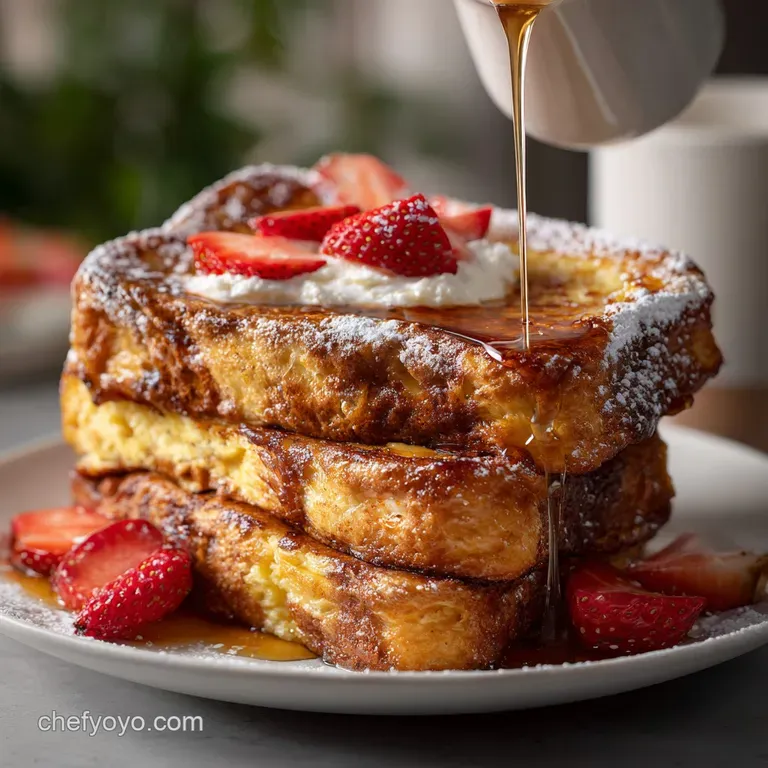
- Effort/Time: Low-effort, 20 minutes total
- Flavor Hook: Buttery, vanillic, and deeply caramelized
- Perfect for: Weekend-brunch or make-ahead weekday luxury
The Ultimate Brioche French Toast Masterclass
Why Your French Toast Is Usually Soggy
You’ve been there: the outside looks charred, but the inside is a lukewarm, uncooked sponge. Most people fail at brioche french toast because they use fresh bread and skip the structural science of the custard. Fresh bread acts like a saturated sponge that collapses under its own weight.
We need to manage the moisture migration from the custard into the starch network of the bread to ensure a velvety set rather than a structural failure.
I used to rush the soaking process, barely dipping the bread before throwing it into a lukewarm pan. The result was a dry interior and a floppy crust. Everything changed when I treated the custard like a crème brûlée base.
When you pair high-quality fats with a Lodge Cast Iron Skillet, the heat distribution ensures the sugars in the brioche french toast caramelize before the bread loses its integrity. This is the only way to achieve that restaurant quality "shatter" when your fork hits the crust.
The secret to a world class brioche french toast recipe lies in the density of the brioche itself. Because it is an enriched dough loaded with butter and eggs it can withstand a longer soak than standard white bread. We are essentially re-hydrating the crumb with a flavored fat emulsion. This breakfast pairs perfectly with a dark roast made in a Bodum French Press; if you want to master that side of the morning, check out The FullBodied Brew How to Master French Press Coffee.
Why This Works (Scientific Power Bullets)
- Capillary Action: Stale bread contains microscopic air pockets that pull the custard deep into the center through surface tension.
- Protein Denaturation: The 4 large eggs provide the structural "net" that traps liquid, turning the bread into a stable custard during the cooking process.
- Maillard Reaction: The 2 tbsp granulated sugar and 3 tbsp unsalted butter interact under high heat to create hundreds of new flavor compounds and a golden brown crust.
- Emulsification: Heavy cream and whole milk provide enough lipids to bind the water based egg whites, preventing the custard from leaking out in the pan.
The Science Behind 1 lb Brioche Bread
- What It Does
- Provides the structural foundation and primary flavor carrier for the dish.
- The Chemistry
- As an enriched dough, the high fat content inhibits long gluten strands, creating a "short" crumb that absorbs liquid without becoming elastic.
- Why This Matters
- It allows for a 1 inch thick slice that remains fluffy and aerated even after absorbing its weight in custard.
The Science Behind 4 Large Eggs
- What They Do
- Acts as the primary binding agent and structural stabilizer for the custard.
- The Chemistry
- During heating, egg proteins uncoil and bond (denature), forming a solid matrix that traps the milk and cream.
- Why This Matters
- This ensures the brioche french toast has a rich, "custardy" interior that holds its shape rather than turning into mush.
The Science Behind 1/2 cup Heavy Cream
- What It Does
- Increases the viscosity of the custard and provides a luxurious mouthfeel.
- The Chemistry
- The fat globules in the cream coat the starch molecules in the bread, slowing down the absorption of water.
- Why This Matters
- It prevents the bread from over saturating too quickly, giving you more control over the texture and preventing a "weeping" finished product.
Ingredients & Substitution Guide
| Original Ingredient | Substitute | Why It Works |
|---|---|---|
| 1 lb Brioche Bread | Challah (1 lb) | Similar egg-heavy crumb. Note: Slightly less buttery but highly absorbent. |
| 1/2 cup Heavy Cream | Full fat Coconut Milk | Matches the fat content. Note: Adds a distinct tropical flavor profile. |
| 1 tbsp Vanilla Extract | Maple Extract (1 tsp) | Provides a concentrated aromatic. Note: Very strong; use 1/3 the amount. |
| 1 tsp Cinnamon | Pumpkin Pie Spice | Contains cinnamon plus clove/ginger. Note: Adds more "warmth" and complexity. |
Chef’s Tips for Success
- Freeze the Butter: Grate your 3 tbsp unsalted butter directly into the hot Lodge Cast Iron Skillet. The increased surface area allows the butter to brown evenly without burning the milk solids, creating a nutty "beurre noisette" flavor for the crust.
- The Oven Finish: If you are making a large batch, place the seared slices on a Nordic Ware Cooling Rack over a baking sheet and bake at 350°F for 5 minutes. This ensures the very center of the 1 inch slices reaches 165°F (food safety/custard set) without burning the exterior.
- Salt Your Sugar: Always use 1/4 tsp fine sea salt. Salt suppresses bitterness and enhances the perception of sweetness and vanilla, making the flavors pop.
How to Make Brioche French Toast
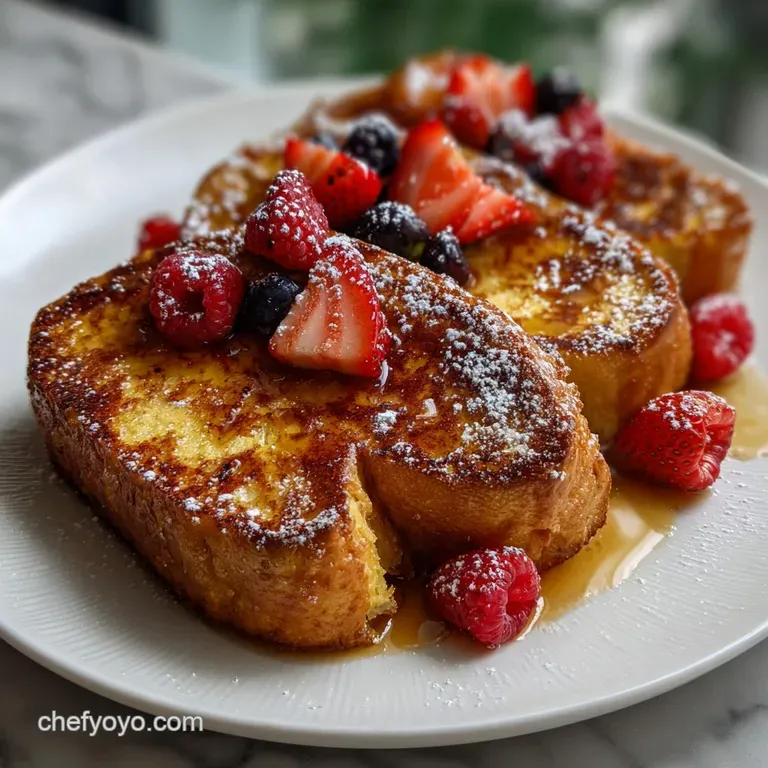
- Slice the 1 lb brioche bread into 1 inch thick slabs. Note: Thick slices are mandatory to prevent the structural collapse of the starch network when soaked.
- Whisk the 4 large eggs, 1 cup whole milk, 1/2 cup heavy cream, 2 tbsp granulated sugar, 1 tbsp pure vanilla extract, 1 tsp cinnamon, 1/4 tsp nutmeg, and 1/4 tsp sea salt in a Pyrex glass dish. Note: Emulsifying the fats and proteins ensures a streak free custard that coats the bread evenly.
- Submerge each slice for 30 seconds per side. Note: Use a KitchenAid Whisk to ensure the spices are suspended in the liquid so they don't clump on the first slice.
- Melt3 tbsp unsalted butter in a Lodge Cast Iron Skillet over medium heat until it begins to sizzle. Note: The sizzle indicates water evaporation, meaning the pan is hot enough to initiate the Maillard reaction.
- Sear the bread for 3 4 minutes per side until the edges shatter when tapped and the color is a deep golden brown. Note: Constant medium heat allows the exterior to caramelize while the interior proteins denature and set.
- Serve immediately with a dusting of powdered sugar or maple syrup. Note: The contrast between the hot, crispy crust and the velvety interior is highest immediately after cooking.
The chemistry of this custard is actually quite similar to other French classics. If you find yourself obsessed with the way eggs and cream transform under heat, you should check out my Foolproof Classic French Vanilla Crème Brûlée Recipe.
Troubleshooting & Common Mistakes
| Problem | Root Cause | The Fix | Pro Protocol |
|---|---|---|---|
| Soggy/Wet Center | Bread was too fresh or heat was too high. | Use stale bread and lower heat. | Use a ThermoPro Digital Thermometer; center must hit 165°F. |
| Burned Exterior | Sugar in custard caramelized too fast. | Wipe pan between batches. | Start with a cold pan if the butter starts smoking; regulate heat. |
| Bland Flavor | Lack of salt or low-quality vanilla. | Add 1/4 tsp fine sea salt. | Use Nielsen Massey Vanilla Paste for visible vanilla bean specks. |
Common Myths Debunked
Myth: You must use "overnight" stale bread for brioche french toast. Truth: If your bread is fresh, you can "force stale" it by placing slices in a 300°F oven for 8 minutes. This removes surface moisture without toasting the bread.
Myth: More eggs make the toast better. Truth: Too many eggs result in a "sulfuric" or rubbery texture. The 4 large eggs to 1.5 cups of dairy ratio is the "Golden Ratio" for a creamy, non-rubbery brioche french toast recipe.
Storage, Freezing, and Reheating
- Storage: Store leftovers in an airtight container in the fridge for up to 3 days. The crust will soften, but the flavor remains intact.
- Freezing: This is a fantastic make-ahead breakfast. Flash freeze cooked slices on a baking sheet for 1 hour, then transfer to a freezer bag. They stay fresh for 2 months.
- Reheating: Never use the microwave it turns the bread into rubber. Reheat in a Breville Toaster Oven at 350°F for 5 8 minutes or until the edges sizzle and regain their crispness.
Flavor Variations
- The Brunch Party Bake: Convert this into a brioche french toast casserole by cubing the bread, pouring the custard over it in a 9x13 dish, and baking at 350°F for 35 minutes.
- Citrus Zest: Add the zest of one orange to the custard. The oils in the zest cut through the richness of the heavy cream and butter.
- Savory Twist: If you have leftover brioche, omit the sugar/vanilla/cinnamon. Use the same milk/egg ratio but add Classic French Style Homemade Dijon Mustard and Gruyère cheese for a savory "Pain Perdu." You can find the mustard guide here: Classic FrenchStyle Homemade Dijon Mustard Recipe.
Mastering brioche french toast is about respecting the bread's ability to hold moisture and the pan's ability to create texture. Once you nail the 1 inch slice and the over medium heat sear, you'll never go back to basic white bread again.
This is the best french toast recipe because it relies on culinary physics rather than luck. Enjoy your brunch!

Recipe FAQs
What is the ideal thickness for brioche slices?
One inch, cut slightly thick. Thicker bread prevents the center from fully saturating before the exterior burns. This balance achieves maximum custard infusion.
Can I use thin sandwich bread?
No. Thin bread absorbs too fast and collapses. Thin slices lack the structural integrity to hold the heavy custard mixture during cooking. Try our Grated Egg Toast: Viral Fluffy Shredded Egg Recipe instead for thin applications.
Should I soak the bread completely?
No. Soak bread for 30 seconds per side only. Over soaking saturates the gluten network, leading to structural failure upon flipping. The goal is exterior moisture retention, not full submersion.
Which fat yields the crispest exterior: butter or oil?
Clarified butter yields superior crispness. Whole butter contains milk solids which lower the smoke point and promote quicker burning. Clarified butter (ghee) provides pure fat for even, high heat caramelization.
My toast is soggy in the middle; what is the fix?
Heat setting was too low, trapping moisture inside. Low heat steams the interior rather than rapidly evaporating the custard moisture, resulting in a dense, wet center.
- Increase griddle temp to 325°F
- Use high ratio custard (more yolk)
- Ensure pan is preheated 5 minutes
Is fresh nutmeg necessary?
Yes, fresh grated nutmeg is significantly better. Pre-ground nutmeg loses volatile aromatic compounds rapidly after milling, yielding a duller final flavor profile. Freshly grated spice interacts dynamically with the heat.
Can I substitute heavy cream with whole milk?
Whole milk works but reduces richness significantly. Heavy cream (36%+ fat) coats the starch molecules better, creating a richer mouthfeel similar to a creamy sauce like our How to Make Creamy Mustard Velouté: An Amazing French Classic. Milk leads to a lighter, less luxurious coating.
Best Brioche French Toast
Ingredients:
Instructions:
Nutrition Facts:
| Calories | 688 kcal |
|---|---|
| Protein | 19.1 g |
| Fat | 39.5 g |
| Carbs | 64.4 g |
| Fiber | 2.1 g |
| Sugar | 14.8 g |
| Sodium | 775 mg |
