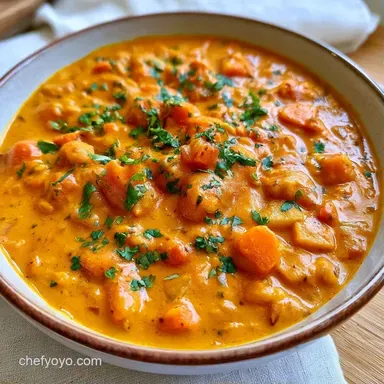
Easy Indian Vegetable Curry with Coconut Milk
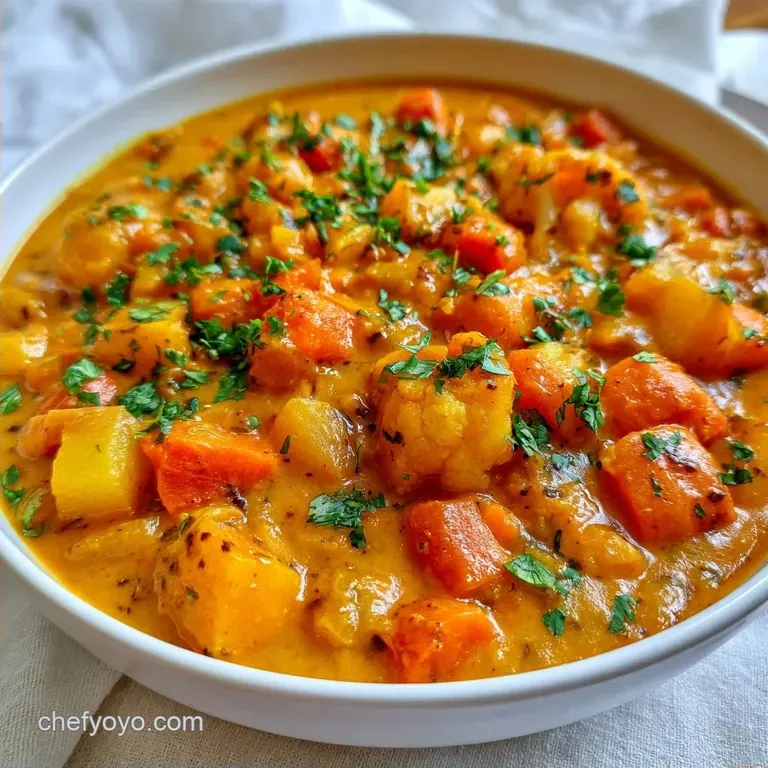
- Time: 15 min prep and 30 min simmering
- Key Profile: Creamy coconut base with tender-crisp vegetables
- Ideal for: Weeknight meals or plant-based meal prep
Easy Indian Vegetable Curry
Few things beat the aroma of garlic and cumin seeds sizzling in hot oil. In most Indian homes, the "sabzi" (vegetable dish) serves as the meal's centerpiece. It's more than just healthy eating; it's about harmonizing spices and ensuring the vegetables retain their texture while absorbing all those bold flavors.
My early attempts were more like a vegetable stew, missing the complex, vibrant profiles found in professional kitchens. I discovered my mistake was simply boiling all the ingredients together. By refining when I added the spices and vegetables, this Easy Indian Vegetable Curry became a regular favorite in my kitchen.
The result is a hearty, soothing meal that remains bright and fresh due to the cilantro and lime. Since this Easy Indian Vegetable Curry is naturally vegan and gluten-free, it's a wonderful option for guests with dietary restrictions.
Why This Curry Works
- Spice Blooming: Sautéing the curry powder and turmeric in oil wakes up the fat soluble flavors. This prevents the Easy Indian Vegetable Curry from tasting like raw powder.
- Staggered Cooking: Adding root vegetables first and softer veg later ensures the potatoes are soft while the peppers still have a snap.
The trick to the thickness here is using full fat coconut milk. USDA FoodData Central indicates that the higher fat content in full fat coconut milk provides a more stable emulsion, which gives the sauce its body.
| Method | Time | Texture | Best For |
|---|---|---|---|
| Stovetop | 45 mins | & Controlled | Weeknight meals |
| Oven | 60 mins | Deeply Caramelized | Large batches |
Gather Your Ingredients
Fresh aromatics are the secret to a fantastic Easy Indian Vegetable Curry. Try to avoid using ginger powder, as the sharp zest of fresh ginger perfectly balances the richness of the coconut milk.
For the Aromatic Base
- 2 tbsp coconut oil Why this? High smoke point and fits the flavor profile
- 1 medium yellow onion, finely diced
- 3 garlic cloves, minced
- 1 tbsp ginger root, grated
For the Spice Blend
- 2 tbsp tomato paste Why this? Adds acidity and a thick, red base
- 2 tbsp curry powder
- 1 tsp ground turmeric
- 1/2 tsp cayenne pepper
- 1 tsp salt
- 1/2 tsp black pepper
For the Hearty Vegetables
- 2 medium potatoes, peeled and diced into 1/2 inch chunks
- 2 medium carrots, sliced into rounds
- 1 cup cauliflower florets, bite sized
- 1 red bell pepper, chopped
- 1 cup frozen peas
For the Simmering Liquid
- 1 can (13.5 oz) full fat coconut milk Why this? Creates a velvety texture
- 1 cup low sodium vegetable broth
- 1 tbsp fresh lime juice
- 1/4 cup fresh cilantro, chopped
Recipe Specs
| Component | Purpose | Substitute Notes |
|---|---|---|
| Full fat Coconut Milk | Creaminess & Body | Light coconut milk: Thinner sauce, less rich |
| Tomato Paste | Umami & Color | Pureed canned tomatoes: More liquid, less concentrated |
| Potatoes | Heartiness | Sweet potatoes: Softer texture, sweeter taste |
| Curry Powder | Base Flavor | Individual spices (Cumin/Coriander): More control over taste |
Required Kitchen Tools
You don't need professional equipment to whip up this Easy Indian Vegetable Curry. A large, heavy bottomed pot is ideal here, as it distributes heat evenly and keeps your spices from scorching. I generally use a Dutch oven or a deep stainless steel pot.
To stir the spice paste, you'll need a sturdy wooden spoon or a silicone spatula, along with a keen knife for all the chopping. If you prefer using a food processor for the onion and garlic, that works well just be careful not to over process them into a puree.
Cooking Steps
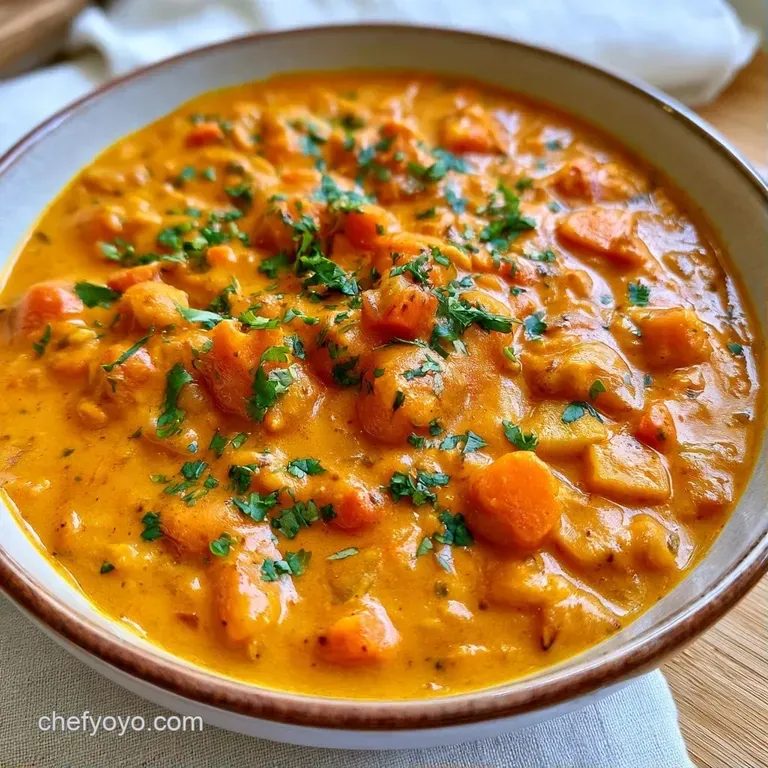
- Warm the coconut oil in a large, heavy bottomed pot over medium heat. Sauté the diced onion for 5-7 minutes until they are translucent and just beginning to brown.
- Add the grated ginger and minced garlic, cooking for 60 seconds until the aroma is warm and pungent.
- Incorporate the tomato paste, curry powder, turmeric, cayenne, salt, and pepper. Stir constantly for 2-3 minutes until the oil starts to separate from the paste. Note: This "blooming" process creates a deep flavor base.
- Mix in the sliced carrots and cubed potatoes, stirring for 2 minutes to ensure everything is well coated in the spices.
- Pour in the vegetable broth and full fat coconut milk, scraping up any brown bits from the bottom of the pot.
- Bring the Easy Indian Vegetable Curry to a gentle simmer. Cover and cook for 10-12 minutes until the root vegetables are partially tender.
- Stir in the cauliflower florets, red bell pepper, and frozen peas. Simmer uncovered for 5-7 minutes until the vegetables are al dente.
- Remove the pot from the heat. Stir in the fresh lime juice and finish with a garnish of chopped cilantro.
Solving Common Issues
If you're new to making an Easy Indian Vegetable Curry, it's easy to get a bit nervous when the spices start to sizzle. Just keep things moving. Most problems come down to heat management or the order of ingredients.
Fixing a Thin Sauce
If your sauce feels too watery, it's usually because the vegetables released too much moisture or the simmer wasn't long enough. Simmer the pot uncovered for an extra 5 minutes to let the liquid reduce.
Serious Eats suggests that reducing the liquid naturally is better than using thickeners like cornstarch, which can mask the spice flavors.
Handling Bitter Spices
Bitterness happens if the spices burn. If you see the paste turning dark brown or smelling acrid, add a splash of broth immediately to cool the pan. A pinch of extra salt or a squeeze of lime often balances out a slight bitterness.
Preventing Mushy Vegetables
This is the most common gripe with Easy Indian Vegetable Curry. The fix is the staggered start. Never add the peas or bell peppers at the same time as the potatoes.
| Problem | Fix |
|---|---|
| Sauce is too thin | Simmer uncovered for 5-10 mins |
| Spices taste raw | Sauté paste in oil for 3 mins before adding liquid |
| Veggies are mushy | Add soft vegetables in the last 7 mins |
Storage and Scraps
This Easy Indian Vegetable Curry often improves after a day. The vegetables absorb more spice and the sauce concentrates. Store it in a closed glass jar in the fridge for 4 days.
When warming it up, stir in a tablespoon of water or broth to thin the sauce, as the potatoes tend to absorb moisture. I suggest using the stovetop on low heat, though a microwave is fine if you stir it halfway through.
For long term storage, this recipe lasts 3 months in the freezer. Just omit the lime juice and fresh cilantro, adding them only after reheating.
To minimize waste, collect your carrot ends and onion skins in a freezer bag. Once the bag is packed, boil them with water and peppercorns to make a simple vegetable stock for your next Easy Indian Vegetable Curry.
How to Serve
To balance the richness of the coconut, serve this Easy Indian Vegetable Curry with a side of steamed basmati rice or warm garlic naan. The rice acts as a sponge for the sauce, while the naan is great for scooping up the chunks of potato and cauliflower.
For a cooling contrast, a dollop of plain Greek yogurt or a side of cucumber raita works wonders. If you want a drink to go with it, a mango lassi recipe provides a sweet, creamy balance to the spice of the curry.
If you're serving this for a cozy dinner, a cup of homemade chai is the best way to round out the meal. The warmth of the tea complements the ginger and turmeric in the curry.
Twists and Swaps
Depending on what you have in your crisper drawer, you can easily change the vegetables in this Easy Indian Vegetable Curry. Spinach or kale can be stirred in at the very end until just wilted. For more protein, chickpeas or cubed tofu work great; just add them at the same time as the cauliflower.
If you want a South Indian vibe, swap the curry powder for a mix of mustard seeds and curry leaves sautéed in the oil. You can also replace the vegetable broth with a bit of tamarind paste diluted in water for a tangier, more acidic profile.
| Goal | What to change |
|---|---|
| More Protein | Add 1 can of chickpeas |
| Extra Heat | Increase cayenne to 1 tsp |
| Lower Fat | Use light coconut milk |
Common Curry Beliefs
Some people think you need to simmer a curry for hours to get deep flavor. That's not true for an Easy Indian Vegetable Curry. By blooming the spices and using concentrated tomato paste, you get that depth in under an hour.
Another common idea is that you must use a specific brand of "curry powder" to be authentic. In reality, curry powder is a British invention. Most Indian home cooks use a blend of turmeric, coriander, cumin, and chili. If you have those individual spices, you can mix your own.
Adjusting Serving Sizes
If you're cooking for a smaller crowd, you can easily halve this Easy Indian Vegetable Curry. Use a smaller pot to prevent the coconut milk from evaporating too quickly. Reduce the simmering time by about 20% since there's less mass in the pot.
For a party, doubling the recipe is simple, but don't just double the salt and cayenne. I find that spices don't always scale linearly. Increase the salt and heat to 1.5x first, then taste and adjust at the end. Work in batches if your pot isn't large enough to allow the vegetables to move freely.
Right then, you're all set. This Easy Indian Vegetable Curry is a reliable, comforting meal that proves you don't need a long list of ingredients or a whole day of cooking to get something vibrant on the table. Trust me on this one, it's a winner.
Recipe FAQs
Where does the deep flavor in this curry come from?
Sautéing the spices in oil before adding liquids toasts the flavors.
Tip: Stir constantly for 2-3 minutes until the oil separates slightly.
Which vegetables work best in this curry?
This version uses potatoes, carrots, cauliflower, red bell pepper, and frozen peas.
Tip: Cut potatoes into 1/2 inch cubes so they cook evenly with the carrots.
How to simplify the preparation process?
Dice all your vegetables and mince the aromatics before starting the heat.
Tip: Pre-measuring the curry powder and turmeric saves time during the fast toasting phase.
Is it true you must simmer the curry for hours to get deep flavor?
No, this is a common misconception. This recipe achieves a rich taste in just 30 minutes of cooking.
Tip: Using full fat coconut milk provides the creaminess usually associated with longer simmer times.
Do I need a specialized clay pot for authentic results?
That's a myth. A large heavy bottomed pot works perfectly for heat distribution.
Tip: Keep the heat on medium to prevent the garlic and ginger from burning.
Why is my curry sauce too thin?
Simmer the mixture uncovered for the final 5-7 minutes to reduce the liquid.
Tip: If you enjoyed mastering this reduction here, see how the same principle works in our butter chicken.
What technique prevents leftovers from becoming mushy?
Heat on the stovetop over low heat with a tablespoon of broth.
Tip: Add the fresh cilantro and lime juice after reheating to keep the flavors bright.
When should the frozen peas be added?
Stir them in during the final 5-7 minutes of simmering.
Tip: Adding them late prevents the peas from overcooking and losing their bright green color.
Easy Indian Vegetable Curry