Irish Coffee
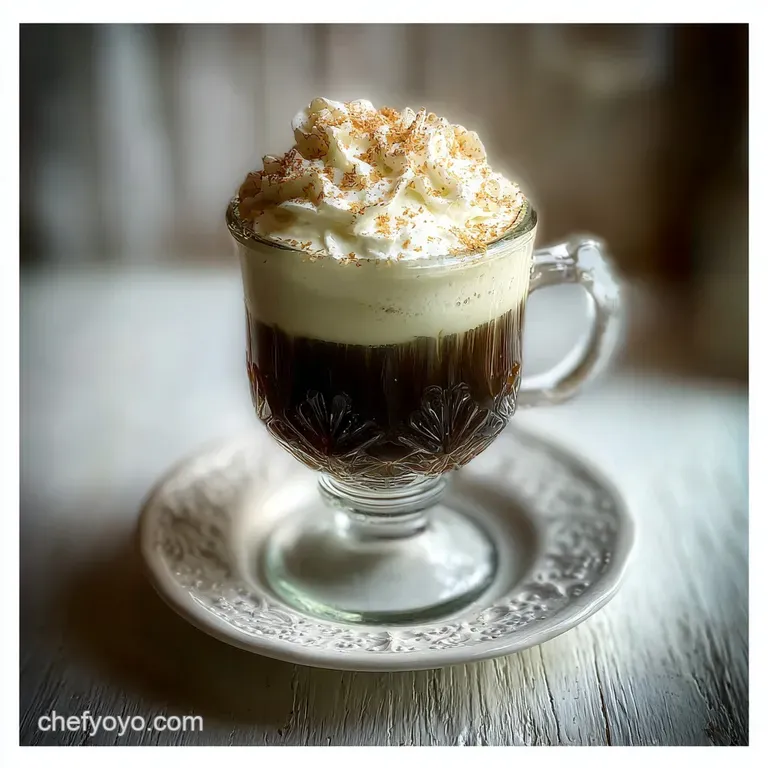
- Time: Active 5 minutes, Passive 5 minutes, Total 10 minutes
- Flavor/Texture Hook: Velvety cream floating over bitter sweet warmth
- Perfect for: Cold winter nights or a post dinner treat
- Why This Classic Irish Coffee Hits the Spot
- Recipe Specs and Total Timing
- Essential Ingredients for the Velvet Float
- Tools Needed for Professional Results
- Bringing the Layers Together Perfectly
- Troubleshooting Your Presentation and Texture
- Adaptations for Different Dietary Needs
- Storage Rules and Zero Waste
- Creative Pairings and Serving Ideas
- Kitchen Myths Debunked
- Irish Coffee FAQs
- 📝 Recipe Card
You know that feeling when you walk into a house and the smell of fresh coffee hits the scent of something oaky and warm? That’s exactly what we’re chasing here. I used to think a great Irish Coffee was just throwing a shot of whiskey into a mug of Folgers and topping it with a mountain of canned whipped cream.
I was so wrong. The first time I had a real one, where the cream was barely thickened and cold, it changed everything.
The secret isn't just in the booze; it’s in the physics of the pour. You want to sip that hot, spiked coffee through a cool, liquid silk layer of cream. It’s a sensory experience that relies on temperature and density working together.
If your cream is too stiff, it’s just a dessert; if it’s too thin, it vanishes into the black abyss of the coffee. We’re aiming for that middle ground where it sits proudly on top like a soft white cloud.
Trust me, once you nail the technique of the "back of the spoon," you'll feel like a total pro. We're going to use real maple syrup for a woodsy sweetness and a pinch of nutmeg to wake up the nose.
It’s contemporary, it’s authentic, and it’s honestly one of the most comforting things you can hold in two hands. Let's get the kettle on and make something spectacular.
Why This Classic Irish Coffee Hits the Spot
The success of this drink relies on Specific Gravity. By dissolving sugar (the maple syrup) into the coffee, you increase its density, making it "heavier" than the lightly aerated cream so it stays at the bottom.
The second key is Surface Tension. When you pour the cream over the back of a warm spoon, you break its fall, allowing it to spread across the surface rather than plunging through the coffee's top layer.
The Science of Why it Works Lipid stabilization occurs when you shake the cream, creating a loose network of fat globules that trap just enough air to float. This density gradient ensures the layers remain distinct until the very last sip.
- Thermal Mass: Pre heating the glass prevents the coffee from cooling too fast and stops the glass from cracking when the boiling liquid hits.
- Emulsification: Shaking the heavy cream by hand creates a pourable, velvety texture that "clings" to the glass rim without merging.
- Molecular Extraction: Using 120 ml (4 oz) of strong brewed coffee ensures the bitter tannins balance the fatty lipids in the cream.
- Volatile Aromatics: The pinch of nutmeg releases oils that bridge the gap between the oaky whiskey and the roasted coffee beans.
Chef's Note: If you want to experience another level of coffee mastery, this drink pairs beautifully with a slice of my Wakey Wakey Coffee recipe — the cinnamon notes in the cake really play off the whiskey's spice.
| Ingredient | Science Role | Pro Secret |
|---|---|---|
| Irish Whiskey (45 ml) | Ethanol Solvency | Use a smooth, triple distilled blend to avoid a harsh alcohol "burn" |
| Maple Syrup (1 tsp) | Density Modifier | Dark syrup adds minerals and weight that keep the coffee below the cream |
| Heavy Cream (45 ml) | Fat Emulsion | Needs 36% fat content to hold its structure without being fully whipped |
| Nutmeg (1 pinch) | Aromatic Bridge | Grate it fresh over the glass to release essential oils instantly |
Recipe Specs and Total Timing
Making this drink is a lesson in patience and precision. While the prep only takes 5 minutes, those 5 minutes are intense you're shaking cream, brewing coffee, and tempering glass all at once.
The result is a fusion of classic Irish roots and contemporary presentation that looks as good as it tastes.
- Prep time: 5 minutes
- Cook time: 5 minutes
- Total time: 10 minutes
- Yield: 1 serving
- Serving size: 1 heat proof glass
| Method | Speed | Texture Outcome |
|---|---|---|
| Classic Shaken | 10 minutes | Perfect distinct layers; velvety, pourable cream |
| Fast (Electric Mixer) | 6 minutes | Denser cream; often too stiff to sip through |
| Instant (Aerosol) | 2 minutes | Cream dissolves instantly; loses the temperature contrast |
The classic method is always the winner here. It allows the cream to stay in a liquid state that still possesses enough "body" to float. When you use the fast method, you often over incorporate air, leading to a stiff foam that sits on top like a hat rather than a blanket.
Essential Ingredients for the Velvet Float
- 120 ml Strong brewed coffee: Go for something with chocolatey or nutty notes. Why this? Provides the structural backbone and bitterness needed to cut through the heavy cream.
- 45 ml Irish whiskey: I prefer a smooth, triple distilled Jameson for that authentic finish. Why this? Its mild, fruity notes complement the maple syrup without overpowering the coffee.
- 5 ml (1 tsp) Maple syrup: Use Grade A or B dark syrup. Why this? Dissolves faster than granulated sugar and adds a complex, earthy sweetness.
- 45 ml Heavy cream: Ensure it has at least 36% fat content. Why this? High fat is non negotiable for achieving that specific pourable yet-thick consistency.
- 1 pinch Freshly grated nutmeg: Do not use the pre ground dust. Why this? Freshly grated spice contains volatile oils that provide a sharp, woody aroma.
| Original Ingredient | Substitute | Why It Works |
|---|---|---|
| Maple Syrup (1 tsp) | Brown Sugar (1 tsp) | Adds a similar molasses depth. Note: Must be stirred until fully dissolved to ensure density. |
| Irish Whiskey (45 ml) | Bourbon (45 ml) | Sweeter, oaky notes. Note: Changes the profile from Irish to a "Kentucky Coffee." |
| Heavy Cream (45 ml) | Coconut Cream (Full fat) | High fat content allows for a similar float. Note: Adds a distinct tropical flavor. |
Tools Needed for Professional Results
You don't need a full bar setup, but a few specific tools make the layering process much easier. A traditional Irish Coffee glass is great, but any heat proof glass with a handle or a glass mug will work perfectly so you can see those gorgeous layers.
The most important "tool" is actually a standard teaspoon. You'll also need a small mason jar or a protein shaker. Using a jar to shake the cream is far superior to using a whisk because it allows you to feel the change in viscosity. You can hear when the cream goes from "sloshy" to "thick and quiet."
If you’re feeling extra creative, a microplane is essential for that nutmeg. The fine teeth of a microplane create a snow like texture that sits delicately on the cream. This attention to detail is what turns a simple beverage into a contemporary masterpiece.
Bringing the Layers Together Perfectly
1. Tempering the Vessel
Fill your heat proof glass with boiling water and let it sit for 60 seconds. Note: This prevents the glass from shattering and keeps the drink hot while you prep the cream.
2. Emulsifying the Cream
Pour 45 ml of cold heavy cream into a small jar. Shake vigorously for about 30 to 45 seconds until it reaches the consistency of melted ice cream.
3. The Sweetened Spirit Base
Empty the hot water from your glass. Pour in 120 ml of hot coffee, 45 ml of whiskey, and 5 ml of maple syrup. Note: Stir well until the syrup is completely integrated into the liquid.
4. The "Back of the Spoon" Technique
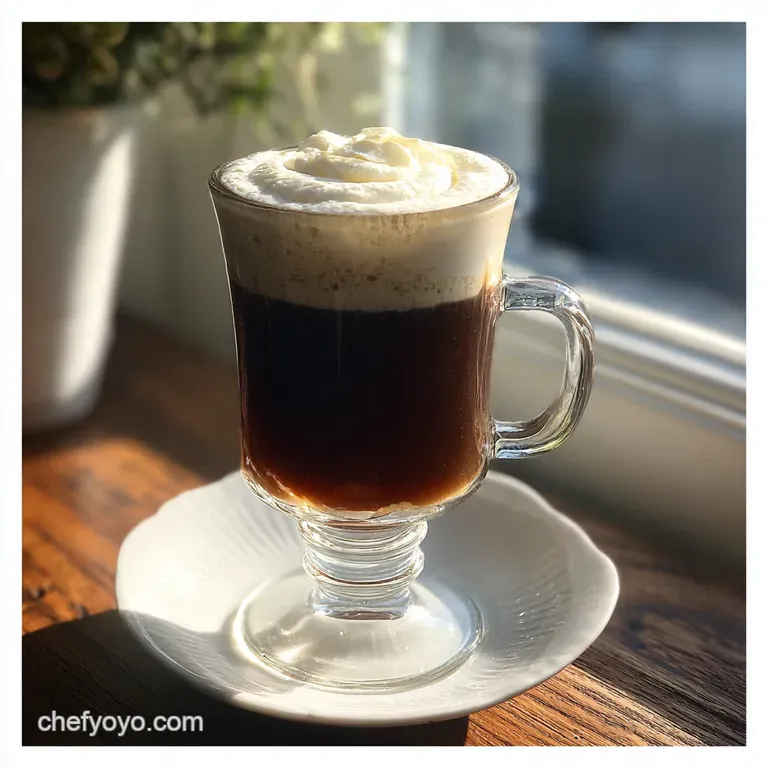
Hold a teaspoon upside down so the tip just touches the surface of the coffee. Slowly pour the thickened cream over the back of the spoon. Note: This diffuses the force of the cream, allowing it to rest on the surface tension.
5. Final Aromatic Touch
Grate a pinch of fresh nutmeg directly over the white surface. Note: The heat from the coffee will cause the nutmeg oils to bloom instantly.
6. Checking the Separation
Look at the glass from the side. You should see a sharp, clean line where the black coffee meets the white cream. until the layers look like a perfectly poured pint of stout.
7. Sensory Check
Hold the glass to your nose. You should smell the spicy nutmeg and oaky whiskey first, followed by the deep roast of the beans.
8. Serving Immediate
Serve immediately while the contrast between the cold cream and the hot coffee is at its peak.
Troubleshooting Your Presentation and Texture
Why the cream sank
This is the most common frustration. Usually, it's a density issue. If your coffee isn't sweet enough, it isn't dense enough to hold the cream. Or, you might have poured the cream too fast.
The cream is too thick
If you shook the cream until it reached "soft peaks," it won't integrate with the coffee as you sip. It will sit there like a lump of butter. You want it pourable, like a heavy sauce.
The flavors are muddy
This usually happens if you use a low quality, bitter coffee or a harsh whiskey. The goal is a fusion where the ingredients support each other. If it tastes "burnt," try a medium roast bean next time.
| Problem | Root Cause | Solution |
|---|---|---|
| Cream mixes instantly | Coffee lacks sugar/density | Add another half teaspoon of syrup and stir well |
| Glass cracked | Thermal shock | Always pre heat with warm water before adding boiling coffee |
| Drink is lukewarm | Cold whiskey or cream | Use very hot coffee (90°C) to compensate for cold additions |
Adaptations for Different Dietary Needs
If you're looking for a lower glycemic option, you can swap the maple syrup for a liquid stevia or monk fruit sweetener. However, keep in mind that these don't provide the same density as sugar.
To help the cream float in a sugar-free version, you’ll need to shake the cream slightly longer to incorporate more air.
For a dairy-free adaptation, full fat coconut milk (the kind from the can) is your best friend. Chill the can overnight, scoop out the solid white fat, and whisk it with a splash of the coconut water until it’s pourable. It won't have the exact same flavor as dairy, but it provides that velvety mouthfeel we love.
If you’re a fan of a more decadent finish, some people enjoy the "Double Irish" where they add a splash of cream liqueur. While not traditional, it adds a contemporary sweetness that many find irresistible. Just be careful with the layering, as the liqueur is quite dense!
- If you want a stronger kick, increase the whiskey to 60 ml, but reduce the coffee slightly to maintain the volume.
- If you want a dessert style, whisk the cream to soft peaks and pipe it on top.
- If you want a mocktail, use a non alcoholic whiskey alternative or a dash of rum extract in extra strong coffee.
Storage Rules and Zero Waste
Irish Coffee is meant to be enjoyed the second it’s made. You can’t really store the assembled drink because the cream will eventually succumb to gravity and the coffee will go cold. However, you can prep the components.
The thickened cream will stay good in a sealed jar in the fridge for about 24 hours. Just give it a quick shake before using.
To avoid waste, use any leftover coffee to make coffee ice cubes for your next iced brew. If you have extra heavy cream, don't toss it! It’s the perfect addition to a batch of scones or can be used to thicken a pan sauce for dinner.
Even the whiskey soaked maple syrup dregs in the bottom of a bottle can be used to glaze bacon or roasted carrots.
Creative Pairings and Serving Ideas
This drink is the ultimate companion to a cozy afternoon. I love serving it alongside something with a bit of spice or a deep chocolate flavor. If you're hosting a brunch, it goes beautifully with a Heavenly Cinnamon Coffee recipe. The warmth of the cinnamon mirrors the spice in the whiskey perfectly.
For a more contemporary twist, try serving these in small glass espresso cups as a "mini" version for a party. It’s a creative way to give everyone a taste without committing to a full glass.
You can even set up a "toppings bar" with orange zest, chocolate shavings, and different spices, though I’ll always argue that the classic nutmeg is the best choice.
Kitchen Myths Debunked
Many people believe that searing meat seals in juices, which we know isn't true similarly, there's a myth that you need "special" Irish Coffee beans. In reality, any high-quality, medium to dark roast will work. The "special" part is the brewing strength, not the label on the bag.
Another myth is that the whiskey must be boiling hot. Actually, adding room temperature whiskey to hot coffee is preferred. If you boil the whiskey, you'll cook off the alcohol and destroy the subtle floral notes that make Irish whiskey so unique. The coffee is hot enough to carry the temperature of the entire drink.
Finally, don't believe that you have to use a specific brand of whiskey to be "authentic." While Jameson is the standard, any triple distilled Irish whiskey will provide that smooth, non smoky profile required for the perfect balance. Just avoid peated Scotch, as the smoke can clash with the coffee's bitterness.
Chef's Tip: Freeze your nutmeg whole and only grate what you need. It keeps the oils locked inside the nut for much longer than storing it at room temperature.
I hope you love this recipe as much as I do. It's all about that first sip the cold, the hot, the sweet, and the sharp. Let me know how your layers turn out! If you’re looking for another comforting classic to warm your soul, you absolutely have to try my Hearty Irish Lamb Stew recipe. It's like a hug in a bowl, just like this coffee is a hug in a glass. Right then, let's get brewing!
Irish Coffee FAQs
What are the ingredients in Irish coffee?
Hot brewed coffee, Irish whiskey, sugar (often maple syrup), and heavy cream. A pinch of nutmeg is typically added as a garnish. The key is the quality of each component for balanced flavor and texture.
What four ingredients make up an Irish coffee?
Hot brewed coffee, Irish whiskey, sugar (or sweetener), and heavy cream. These are the fundamental elements that create the classic flavor and layered texture.
How to make Irish coffee with Baileys?
Pour hot coffee and Baileys Irish Cream into a pre-warmed glass. Stir gently, then top with lightly whipped cream. This creates a richer, sweeter version of the classic, similar to our Espresso Kick Baileys Martini Creamy Decadent.
What is the best alcohol for Irish coffee?
Smooth, triple distilled Irish whiskey. Brands like Jameson, Bushmills, or Tullamore Dew are ideal because their mild, fruity notes complement the coffee without overwhelming it, unlike peatier Scotch whiskies.
Can I use regular sugar instead of maple syrup in Irish coffee?
Yes, but maple syrup offers a richer depth. If using granulated sugar, ensure it's fully dissolved in the hot coffee to achieve the correct density for layering. If you enjoyed mastering the sweet tart balance here, see how we use a similar principle in our French Press Coffee Preparation Foolproof Guide for Rich Brew by focusing on extraction.
Why does my cream sink in my Irish coffee?
Your coffee likely isn't dense enough, or the cream is too thin. Ensure you've dissolved sugar or syrup thoroughly in the coffee, increasing its specific gravity. Shake your cream until it's pourable but has enough body to float, not become stiff peaks.
What's the trick to getting the cream to float perfectly?
Use the "back of the spoon" technique and properly prepared cream. Gently pour the thickened (but still pourable) cream over the upside down back of a warm spoon held just above the coffee's surface.
This breaks the fall and allows it to rest on the coffee's surface tension, similar to how we control texture in other beverages.
Irish Coffee Recipe

Ingredients:
Instructions:
Nutrition Facts:
| Calories | 279 kcal |
|---|---|
| Protein | 1.3 g |
| Fat | 16.2 g |
| Carbs | 5.7 g |
| Fiber | 0 g |
| Sugar | 4.6 g |
| Sodium | 18 mg |
