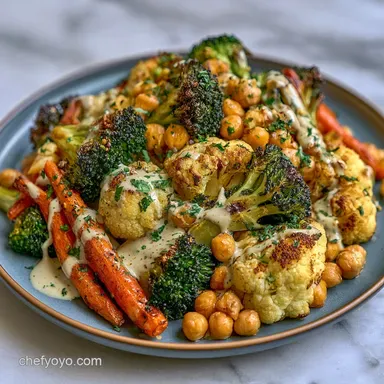
Maple Tahini Veggie Bowl: Roasted and Nutty
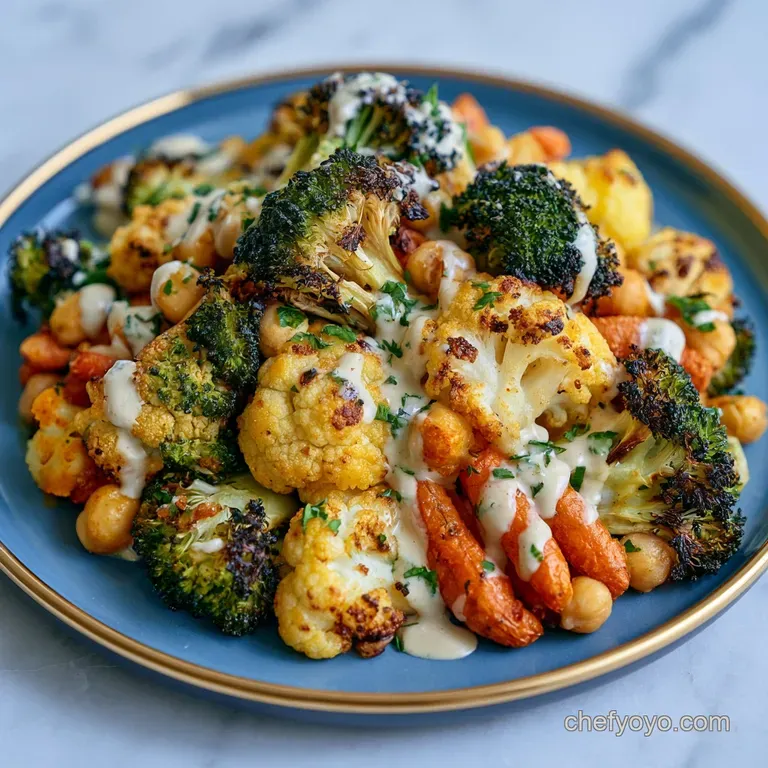
- Time: 15 min active + 30 min roasting = Total 45 minutes
- Flavor/Texture Hook: Charred edges with a silky, nutty finish
- Perfect for: Healthy weeknight dinners or plant based meal prep
- Maple Tahini Veggie Bowl
- Why These Flavors Actually Work
- Component Analysis
- The Essential Tool Kit
- The Ingredient List
- Step By Step Guide
- Fixing Common Bowl Issues
- Troubleshooting Common Issues
- New Ways to Bowl
- Adjusting Your Batch Size
- Truth About Veggie Roasting
- Storage and Zero Waste
- Perfect Side Pairings
- High in Sodium
- Recipe FAQs
- 📝 Recipe Card
Maple Tahini Veggie Bowl
That first scent hits you the second you open the oven door - a mix of toasted sesame and the deep, woody aroma of smoked paprika. I remember the first time I threw this together on a chaotic Tuesday.
My fridge was basically a graveyard of half used carrots and a lonely head of broccoli, and I was honestly too tired to do anything complex. I just wanted something that felt like a hug but tasted like something from a trendy downtown cafe.
I leaned heavily on the tahini, which is the absolute hero here. While some people find it too bitter or "heavy," when you pair it with the brightness of lemon and the woody sweetness of maple, it transforms into this luxurious gold.
This Maple Tahini Veggie Bowl isn't just a healthy choice, it's a lesson in how to make vegetables actually exciting.
You can expect a dish where the cauliflower gets those crispy, brown edges and the chickpeas turn into little salty pops of texture. It's all about the layers - the crunch of the roast, the silkiness of the sauce, and the punch of Dijon.
Trust me, once you see how the dressing clings to the charred broccoli, you'll never go back to basic steamed greens.
Why These Flavors Actually Work
Sugar Browning: The maple syrup in the dressing doesn't just add sweetness, it helps the edges of the roasted vegetables caramelize faster. This gives you those deep, charred bits that taste like they've been cooking for hours.
Fat Balance: Tahini is packed with healthy fats that carry the flavor of the lemon and garlic powder across your palate. It prevents the vegetables from tasting "dry" without needing a heavy amount of oil.
Acid Punch: The lemon juice and Dijon mustard cut right through the richness of the sesame paste. This prevents the bowl from feeling too heavy and keeps the tastes vibrant and fresh.
Texture Contrast: Roasting the chickpeas alongside the veggies creates a "shatter" effect. You get the soft give of a roasted carrot followed by the crisp snap of a chickpea.
| Method | Time | Texture | Best For |
|---|---|---|---|
| Oven Roast | 30 mins | Charred & Crisp | Maximum flavor depth |
| Stovetop | 15 mins | Tender & Sautéed | Quick weeknight rush |
| Air Fryer | 12 mins | Extra Crunchy | Small batches/Single servings |
Component Analysis
| Ingredient | Science Role | Pro Secret |
|---|---|---|
| Tahini | Base Emulsifier | Stir the jar well; the oil on top is where the flavor lives |
| Maple Syrup | Flavor Bridge | Use Grade A Dark for a more "toasted" sugar profile |
| Chickpeas | Protein Crunch | Pat them bone dry with a towel to ensure they actually crisp up |
| Dijon Mustard | Stability Agent | Adds a sharp tang that keeps the sauce from tasting "flat" |
The Essential Tool Kit
You don't need a professional kitchen for this, but a few things make it way easier. First, a large rimmed baking sheet is a must. If you use a small pan and crowd the vegetables, they'll steam instead of roast, and you'll lose those charred edges.
I usually line mine with parchment paper because scrubbing charred cauliflower off a pan is a nightmare I wouldn't wish on anyone.
A good whisk is your best friend for the sauce. You want that tahini and maple syrup to fully integrate without any clumps. If you're feeling lazy, a small blender works, but whisking by hand allows you to control the thickness as you add the warm water.
Finally,, a large mixing bowl for the initial tossing. You want every single floret and carrot coin to be glistening with oil and spices before they hit the heat. This ensures the seasoning doesn't just sit on top but actually penetrates the vegetables.
The Ingredient List
- 1 lb cauliflower florets, bite sized Why this? Holds the sauce perfectly in its nooks
- 3 medium carrots, sliced into coins Why this? Adds natural sweetness when roasted
- 1 head broccoli, cut into florets Why this? Provides a deep, earthy contrast
- 1 medium red onion, wedged Why this? Becomes jammy and sweet at 400°F
- 1 can (15 oz) chickpeas, drained and patted dry Why this? Adds essential plant based protein
- 3 tbsp extra virgin olive oil Why this? High smoke point for roasting
- 1 tsp garlic powder Why this? Distributes flavor more evenly than fresh
- 1/2 tsp smoked paprika Why this? Gives a "grilled" taste without a grill
- 1 tsp sea salt
- 1/2 tsp cracked black pepper
- 1/2 cup creamy tahini Why this? The velvety heart of the bowl
- 3 tbsp maple syrup Why this? Balances the tahini's natural bitterness
- 2 tbsp Dijon mustard Why this? Adds a sophisticated, sharp zip
- 3 tbsp fresh lemon juice Why this? Brightens the entire flavor profile
- 4 tbsp warm water Why this? Thins the sauce without breaking it
- 1/4 tsp salt
| Original Ingredient | Substitute | Why It Works |
|---|---|---|
| Tahini (1/2 cup) | Sunflower Butter (1/2 cup) | Similar creaminess. Note: Tastes nuttier and slightly sweeter |
| Maple Syrup (3 tbsp) | Honey (3 tbsp) | Similar viscosity. Note: More floral, less woody than maple |
| Cauliflower (1 lb) | Brussels Sprouts (1 lb) | Great roasting properties. Note: More bitter, pairs well with maple |
| Chickpeas (15 oz) | Edamame (15 oz) | High protein. Note: Softer texture, won't "crisp" as much |
For those looking to keep things super healthy, according to USDA FoodData, chickpeas are a fantastic source of fiber and plant based protein, which makes this bowl feel satisfying rather than just a side of veggies.
Step by step Guide
Phase 1: The over High heat Seasoning
Preheat your oven to 400°F (200°C). This temperature is the sweet spot where the outside of the vegetables browns before the insides turn to mush.
In a large bowl, toss the cauliflower, carrots, broccoli, red onion, and chickpeas with olive oil, garlic powder, smoked paprika, salt, and pepper. Mix until everything is evenly coated. Note: Make sure the chickpeas are fully coated so they don't dry out in the oven.
Phase 2: The Single Pan Roast
Spread the seasoned vegetables and chickpeas across a parchment lined baking sheet. Ensure they are not overcrowded; give them room to breathe so the hot air can circulate.
Roast for 25–30 minutes, tossing halfway through. You're looking for the edges to be charred and the chickpeas to be slightly crisp. Watch for the broccoli tips to turn a deep brown - that's where the most flavor is.
Phase 3: Whisking the Maple Tahini Dressing
While the vegetables roast, whisk together the tahini, maple syrup, Dijon mustard, and lemon juice in a bowl. It will likely look thick and a bit separated at first - don't panic.
Gradually whisk in warm water one tablespoon at a time. Keep whisking until the dressing reaches a velvety, smooth consistency. It should be thick enough to coat a spoon but thin enough to drizzle.
Phase 4: The Final Assembly
Divide the roasted vegetable mix among four bowls. You can serve this as is, or scoop it over a bed of quinoa or brown rice if you want extra bulk.
Drizzle the dressing generously over the top. The heat from the vegetables will warm the sauce slightly, making the aroma of the tahini and maple even more vibrant.
Chef's Note: If you want an extra punch, add a pinch of red pepper flakes to the dressing. The heat cuts through the maple sweetness and wakes up the whole dish.
Fixing Common Bowl Issues
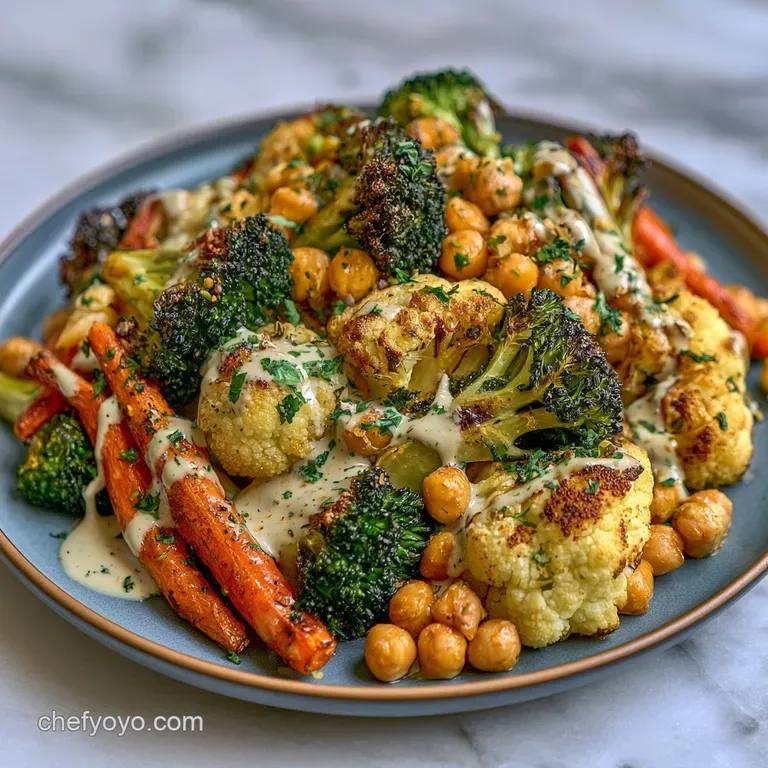
Troubleshooting Common Issues
| Issue | Solution |
|---|---|
| Why Your Dressing Seized | If your sauce suddenly turns thick and grainy, it's likely because the tahini reacted to the lemon juice. This happens often. Just keep whisking in warm water one tablespoon at a time. The heat and mo |
| Why Your Veggies Are Soft | Soggy vegetables usually happen because the pan was too crowded. When the veggies are touching, they release steam, and you're essentially boiling them in the oven. Always use two pans if you're doubl |
| Why The Taste Is Flat | If the bowl tastes "blah," you're probably missing acid. Tahini is very rich and can mute other flavors. Add an extra squeeze of fresh lemon juice or a tiny drop of apple cider vinegar right before se |
The "No Fail" Checklist:
- ✓ Vegetables are spread in a single layer (no overlapping).
- ✓ Chickpeas were patted dry with a paper towel.
- ✓ Dressing was whisked with warm water, not cold.
- ✓ Oven was fully preheated before the pan went in.
- ✓ Tossed the veggies at the 15 minute mark.
New Ways to Bowl
If you're feeling adventurous, you can easily swap the base or the roast. For a more fusion vibe, try adding cubed sweet potatoes and a pinch of cumin to the roast. This adds a creamy, starchy element that plays beautifully with the Maple Tahini Veggie Bowl's sauce.
For those who love a bit of a kick, try a "Spicy Maple" version. Stir a teaspoon of sriracha or gochujang into the dressing. The fermented heat of the paste blends with the maple syrup to create a savory sweet glaze that is absolutely addictive.
If you want to lean into the "Buddha Bowl" style, add fresh elements to the top. Sliced avocado, shredded purple cabbage, or a handful of pomegranate seeds provide a fresh, cold contrast to the warm roasted vegetables. For another way to use a similar sauce, you might love my Roasted Veggies Tahini Sauce which works great on grilled tofu too.
Adjusting Your Batch Size
Scaling Down (½ Batch): Use a smaller baking sheet (like a quarter sheet pan) to keep the density right. You can reduce the roasting time by about 5 minutes, but keep an eye on the broccoli. Since you're using less volume, the heat hits the vegetables more directly.
Scaling Up (2x-4x Batch): This is where most people mess up. Do NOT just use a bigger pan and pile the veggies high. Work in batches or use three separate baking sheets.
Keep the salt and smoked paprika to about 1.5x instead of 2x to avoid over seasoning, but keep the olive oil consistent so nothing sticks.
For the dressing, you can simply double all ingredients. However, add the warm water slowly. Sometimes a larger volume of tahini requires slightly less water proportionally to maintain that velvety thickness.
Truth About Veggie Roasting
You might have heard that you need to sear vegetables in a pan before putting them in the oven to "lock in the flavor." Honestly, that's just extra dishes. over High heat roasting at 400°F does the same job.
The direct heat of the oven creates the char and caramelization you need without the stovetop hassle.
Another common thought is that you should roast different vegetables on different pans because they cook at different speeds. While carrots take longer than broccoli, cutting them into thin coins and the cauliflower into small florets evens out the cooking time. It's much more efficient to do it all on one pan.
Storage and Zero Waste
Storage Guidelines: Store the roasted vegetables and the dressing separately. Put the veggies in an airtight glass container in the fridge for up to 4 days. The dressing stays good for about 7 days.
When you're ready to eat, you can either eat the veggies cold (which is actually great for a lunch salad) or pop them in a toaster oven for 5 minutes to bring back the crisp.
Freezing Tips: I don't recommend freezing the assembled bowl, but you can freeze the roasted vegetables. Spread them on a tray to freeze individually first, then bag them. To reheat, toss them straight from the freezer into a 400°F oven for 10 minutes.
Zero Waste Hacks: Don't throw away those carrot tops! Blend them with a bit of the Maple Tahini dressing and some olive oil to make a vibrant green pesto. Also, if you have leftover red onion skins, toss them into a freezer bag with other veggie scraps to make a homemade stock later.
Even the leftover dressing is gold - use it as a dip for raw cucumbers or a spread for a wrap.
Perfect Side Pairings
Since this bowl is quite hearty, you want pairings that add a different texture or a bright, acidic contrast. A simple side of quinoa or farro provides a nutty base that absorbs the excess dressing beautifully.
If you're serving this as part of a larger spread, it pairs wonderfully with something a bit more indulgent. I've found that the earthiness of the roasted vegetables balances out the richness of Broccoli and Cheese Twice Baked Potatoes, making for a very comforting, vegetable forward feast.
For a lighter start, a crisp arugula salad with a simple lemon vinaigrette cleanses the palate between bites of the creamy tahini. If you're hosting, placing a few of these bowls on a Charcuterie and Cheese Board as a warm appetizer option is always a hit with guests who want something plant based.
High in Sodium
810 mg 810 mg of sodium per serving (35% 35% of daily value)
The American Heart Association recommends a daily sodium limit of 2,300 mg to reduce the risk of high blood pressure and heart disease.
Tips to Reduce Sodium
-
Eliminate Added Salt-30%
Remove the sea salt and the extra 1/4 tsp of salt in the dressing; the lemon juice and mustard already provide a salty tang.
-
Choose No-Salt Chickpeas-20%
Use no-salt added chickpeas or rinse canned chickpeas thoroughly under cold water to remove up to 40% of the canning sodium.
-
Low-Sodium Mustard-20%
Substitute the Dijon mustard with a low-sodium version or use ground mustard powder mixed with a bit of vinegar.
-
Enhance with Herbs
Add fresh parsley or extra smoked paprika to increase the depth of flavor without adding any sodium.
Recipe FAQs
How to roast the vegetables for this bowl?
Toss vegetables and chickpeas with olive oil and seasonings, then spread on a parchment lined baking sheet. Roast at 400°F (200°C) for 25 30 minutes, tossing halfway through for charred edges.
How to assemble the bowl?
Place the roasted vegetables and chickpeas in a bowl and drizzle with the whisked maple tahini dressing. This ensures the components stay crisp until you are ready to eat.
Can I use a different dip for this bowl?
Yes, any creamy vinaigrette or tahini based sauce works well. To add a bright, tangy contrast to the flavors, top the bowl with pickled red onions.
What seasonings are best for these roasted vegetables?
Use garlic powder, smoked paprika, sea salt, and cracked black pepper. This combination creates a savory, smoky profile that balances the sweetness of the maple syrup.
Is it true that I must use a food processor for the dressing?
No, this is a common misconception. A simple whisk and bowl are sufficient to combine the tahini, maple syrup, Dijon mustard, and lemon juice into a smooth sauce.
How to adjust the consistency of the tahini sauce?
Gradually whisk in warm water one tablespoon at a time. Continue adding water until the sauce reaches a velvety, smooth consistency.
How to meal prep this bowl for the week?
Store the roasted vegetables and dressing in separate airtight containers. The vegetables stay fresh for 4 days and the dressing lasts up to 7 days in the fridge.
Maple Tahini Veggie Bowl