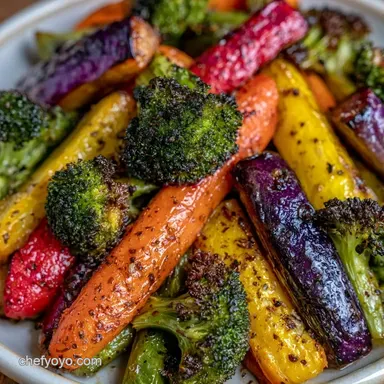
Meal Prep Roasted Vegetables: Golden and Tender
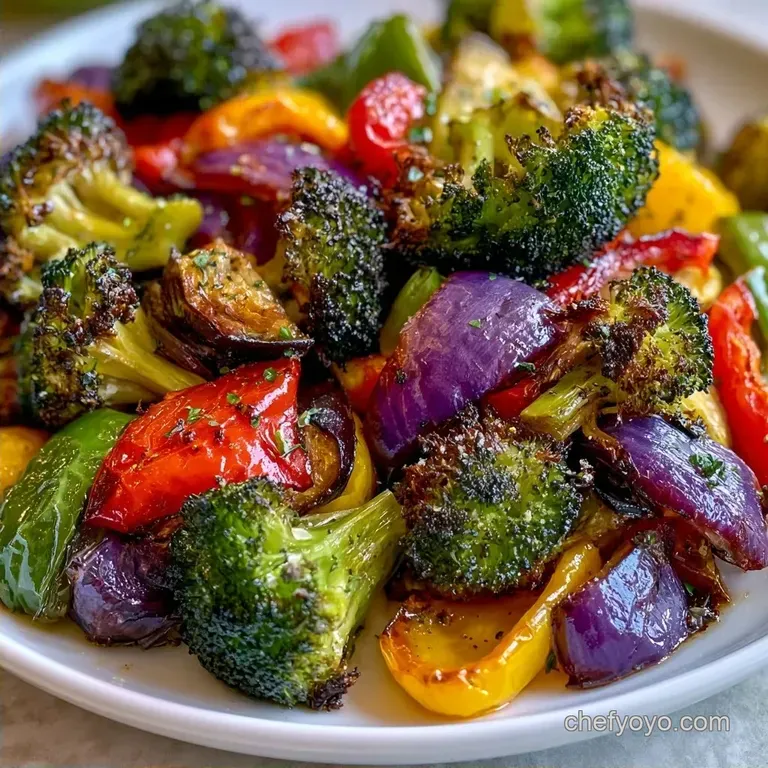
- Time:15 minutes active + 30 minutes roasting = Total 45 minutes
- Flavor/Texture Hook: Mahogany edges with velvety interiors
- Perfect for: Healthy weekday lunches and beginner friendly meal prep
- Meal Prep Roasted Vegetables That Stay Crispy
- The Secret To The Char
- The Essential Ingredient Breakdown
- Tools For The Job
- Step By Step Roasting Guide
- Fixing Common Roasting Errors
- Troubleshooting Common Issues
- Fresh Flavor Twist Ideas
- Keeping Your Veggies Fresh
- What To Serve With These
- Recipe FAQs
- 📝 Recipe Card
That sound of a tray sliding into the oven and the first sizzle of olive oil hitting a hot pan is basically my favorite song. But let's be real, for a long time, my attempts at roasting a variety of veggies were a total disaster.
I used to throw everything in at once, thinking the oven would just "figure it out," and I'd end up with a depressing pile of mushy zucchini and raw potato chunks. It was a soggy, lukewarm mess that made me want to give up on the whole idea.
The fix was actually pretty simple, though it took me a few ruined trays to realize it. The problem is that different vegetables have different water contents and densities. If you treat a carrot like a zucchini, one of them is going to suffer.
Once I started staggering the entry times, everything changed. Now, I can actually get those mahogany, charred edges on the broccoli while the potatoes are fully cooked through. This is the only way to handle Meal Prep Roasted Vegetables if you actually want to enjoy them on Thursday afternoon.
Meal Prep Roasted Vegetables That Stay Crispy
Right then, let's get into how to actually do this. The goal here isn't just to "cook" the vegetables, but to roast them. There is a huge difference. Roasting requires high heat and plenty of space.
If you crowd your pan, the moisture escaping from the vegetables has nowhere to go, so it just hangs around and steams them. Trust me on this, a half empty pan is a happy pan.
When you're doing Meal Prep Roasted Vegetables, the biggest challenge is the reheat. Most people find that their veggies turn into rubber in the microwave. By getting a deep, hard char in the oven first, you create a structural crust that holds up much better during the reheating process.
I've found that using a rimmed baking sheet with parchment paper is the way to go. It keeps the cleanup fast and prevents the sugars in the onions and carrots from bonding permanently to your metal pan. Let's crack on with the details.
The Secret To The Char
I'm not a scientist, but after enough burnt trays, I've noticed a few things that always make the difference.
- Staggered Entry: Putting the hard root veggies in first prevents the soft ones from turning into mush while the potatoes are still raw.
- Airflow Space: Leaving gaps between the pieces allows the hot air to circulate, which is what creates that shatter crisp edge.
- Surface Moisture: Drying the vegetables with a towel before adding oil prevents steam from forming, which according to Serious Eats, is the primary cause of soggy roasting.
- Oil Coating: A thin, even layer of fat acts as a heat conductor, pushing the oven's energy directly into the vegetable skin.
| Method | Time | Texture | Best For |
|---|---|---|---|
| Oven Roast | 30-45 mins | Charred & Concentrated | Large batches, meal prep |
| Stovetop Sauté | 10-15 mins | Tender & Glazed | Quick side dishes, fresh eating |
| Air Fryer | 15-20 mins | Very Crispy | Small portions, single servings |
The Essential Ingredient Breakdown
When we talk about the building blocks of this recipe, we have to look at the density. I split my produce into two groups: the Hearty Base and the Quick Roast Mix.
The Hearty Base
These are your high density vegetables. Carrots, baby potatoes, and red onions take the longest to break down. I always cut these into larger, uniform chunks. If the potato pieces are too small, they'll shrink and shrivel before the carrots are tender.
The Quick Roast Mix
Broccoli, bell peppers, and zucchini are mostly water. They roast quickly and can go from "perfectly charred" to "burnt charcoal" in about three minutes. These get sliced into slightly smaller pieces to maximize the surface area for the oil and salt to grip.
The Seasoning Blend
I stick to garlic powder rather than fresh garlic for this. Fresh garlic often burns at 425°F, leaving you with bitter, black specks. Powder distributes evenly and gives that rustic, savory aroma without the risk of scorching.
| Ingredient | Science Role | Pro Secret |
|---|---|---|
| Olive Oil | Heat Conductor | Use extra virgin for a peppery, rustic finish |
| Kosher Salt | Moisture Draw | Coarser grains create a better crust than table salt |
| Garlic Powder | Flavor Base | Toss with oil first to prevent clumping |
Tools For The Job
You don't need a fancy kitchen to make this work. In fact, keeping it simple is better.
First, you'll need a large rimmed baking sheet. I recommend a heavy duty aluminum one; the thin ones tend to warp in high heat, which means your oil pools in the center and you get uneven cooking. Parchment paper is a non negotiable for me.
It allows you to slide the veggies off the pan and into containers without scraping.
For the prep, a sharp chef's knife and a large mixing bowl are your best friends. I prefer a bowl that's much larger than you think you need. This lets you toss the vegetables vigorously without half of them flying across the kitchen.
Honestly, don't even bother with a salad spinner for the broccoli, just pat it dry with a clean kitchen towel.
Step by step Roasting Guide
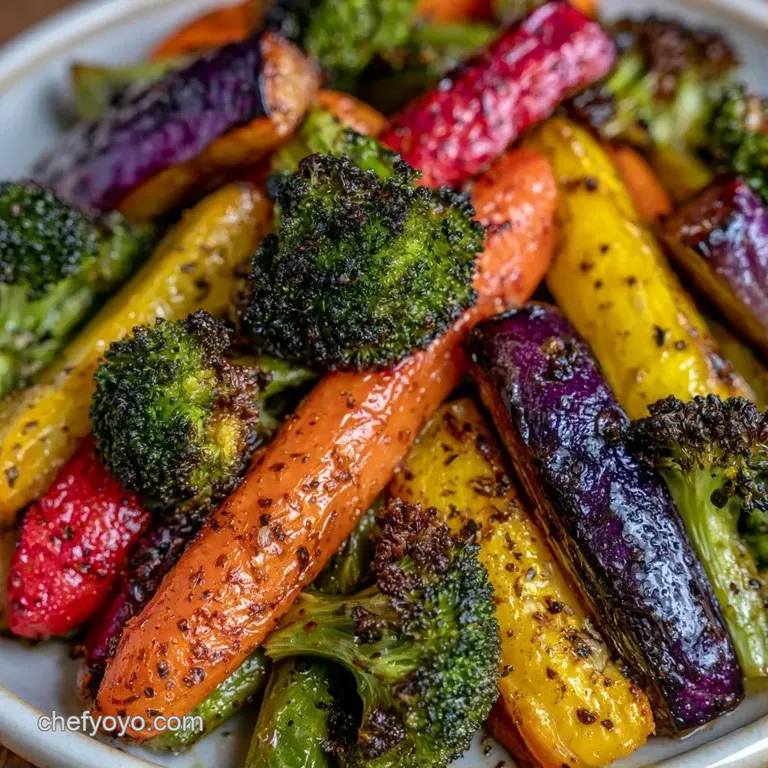
Let's get into the actual process. Remember, the key is not to rush the drying phase.
- Wash and dry all vegetables thoroughly. Cut the carrots, potatoes, and onion into 1 inch chunks, and the broccoli, peppers, and zucchini into bite sized pieces. Note: Uniform sizes mean uniform cooking.
- In a large bowl, toss the hearty base vegetables (carrots, potatoes, onion) with 1.5 tbsp of olive oil, half the garlic powder, half the salt, and a pinch of pepper.
- In a separate batch or a clean bowl, toss the quick roast mix (broccoli, peppers, zucchini) with the remaining olive oil and seasoning.
- Preheat the oven to 425°F (220°C) and line your baking sheet with parchment paper.
- Spread the hearty vegetables on the pan in a single layer. Roast for 15 minutes.
- Slide the pan open and add the quick roast vegetables to the empty spaces. Note: Avoid piling them on top of the potatoes.
- Roast for another 15-20 minutes, tossing once halfway through.
- Remove the pan until the edges are mahogany colored and broccoli tips are slightly charred.
Chef's Note: If you want an extra deep char, turn on the broiler for the last 2 minutes. Just stay right there and watch it, because it happens fast!
Fixing Common Roasting Errors
The most common complaint I hear about Meal Prep Roasted Vegetables is that they don't taste the same on day three. Usually, this is because of how they were cooked or stored.
Troubleshooting Common Issues
| Issue | Solution |
|---|---|
| Why Your Veggies Are Soggy | If your vegetables look steamed rather than roasted, you likely crowded the pan. When pieces are touching, they release steam that gets trapped, effectively boiling the vegetables in their own juices. |
| Why Some Parts Are Burnt | Most ovens have "hot spots" where the heat is more intense. If your broccoli is black but your potatoes are soft, your pan is likely sitting in a hot spot. |
| Why The Texture Is Rubbery | This usually happens if the oven temperature is too low. If you roast at 350°F, the vegetables take longer to cook, which means more internal moisture evaporates, leaving them chewy. |
Common Mistakes Checklist:
- ✓ Did I pat the vegetables completely dry?
- ✓ Is the oven fully preheated to 425°F?
- ✓ Are the hearty vegetables in first?
- ✓ Is there enough space between pieces on the tray?
- ✓ Did I avoid using a non stick spray (which can taste metallic)?
Fresh Flavor Twist Ideas
Once you've got the base down, you can really play with the flavors. The beauty of Meal Prep Roasted Vegetables is that they are a blank canvas.
For a punchier, more savory vibe, I love drizzling a bit of Garlic Parmesan Sauce over the vegetables right before serving. It adds a velvety richness that balances the charred bitterness of the broccoli.
If you want something more autumnal, swap the zucchini for cubed butternut squash and add a pinch of cinnamon and smoked paprika to the oil toss. For a low carb version, replace the potatoes with cauliflower florets, though keep in mind that cauliflower should go in with the "Quick Roast Mix" rather than the hearty base.
Decision Shortcut: If you want more sweetness → Roast the carrots for an extra 5 minutes. If you want a "restaurant" look → Finish with a squeeze of fresh lemon juice. If you're meal prepping for 5+ days → Under roast the zucchini by 2 minutes.
Keeping Your Veggies Fresh
Storage is where most meal prep goes to die. If you put hot vegetables into a sealed plastic container, the residual steam will turn them into mush in minutes.
Let the vegetables cool completely on the pan for about 10-15 minutes before moving them to containers. I prefer glass containers because they don't hold onto odors and they reheat more evenly. In the fridge, these stay great for 4-5 days.
I wouldn't recommend freezing these, as the zucchini and peppers lose their structural integrity and become watery upon thawing. To keep them as fresh as possible, store them in a single layer if possible, or don't pack them too tightly.
For zero waste, don't throw away those carrot tops or onion skins. I keep a bag of vegetable scraps in the freezer, and once it's full, I simmer them for 2 hours to make a rustic vegetable stock. It's a wholesome way to make sure nothing goes to waste.
What To Serve With These
These vegetables are a powerhouse side, but they need a protein to make a full meal. I've found that the charred flavors of the vegetables pair brilliantly with something creamy.
For a cozy dinner, these are a fantastic pairing for a Beef Stroganoff recipe, where the richness of the sauce complements the roasted sweetness of the carrots. If you're looking for something lighter, a grilled piece of salmon or a lemon herb chicken breast works perfectly.
You can also turn these into "Roasted Vegetable Bowls." Just add a scoop of quinoa or brown rice, a dollop of hummus, and some feta cheese. It's a simple way to keep your lunches interesting throughout the week without spending hours in the kitchen.
Scaling Your Batch:Scaling Down (1/2 Batch): Use a smaller sheet pan (about 10x13 inches) and reduce the roasting time by about 20%. Since there's less moisture in the oven, keep a close eye on the broccoli. Scaling Up (2x-4x Batch): This is where most people fail.
Do NOT use one giant pan. Work in batches or use 3-4 separate trays. Only increase the salt and spices to 1.5x the original amount; otherwise, it can become overwhelmingly salty.
| Original Ingredient | Substitute | Why It Works |
|---|---|---|
| Baby Potatoes (2 cups) | Parsnips (2 cups) | Similar density. Note: Sweeter and more earthy flavor |
| Zucchini (1 medium) | Yellow Squash (1 medium) | Identical moisture content. Note: Virtually no change in outcome |
| Olive Oil (3 tbsp) | Avocado Oil (3 tbsp) | Higher smoke point. Note: More neutral flavor, less rustic |
Common Roasting Myths
Myth: You should "seal in" the juices by searing veggies first. Truth: Searing doesn't seal anything. Moisture escapes regardless of how you start. The high heat of the oven is what creates the flavor through browning, not a pre sear.
Myth: All oils are the same for roasting. Truth: Some oils, like extra virgin olive oil, add a specific flavor profile that is essential for a rustic dish. However, for extremely high temps (above 450°F), you'd want an oil with a higher smoke point like avocado oil to avoid a burnt taste.
Myth: You need to peel every single vegetable. Truth: For baby potatoes and carrots, the skin is where a lot of the nutrients and texture live. As long as they are scrubbed clean, leave the skins on for a more wholesome, artisanal feel.
Recipe FAQs
Are roasted vegetables good for meal prep?
Yes, they are excellent for prep. They maintain their flavor and texture well when stored and reheated, making them a versatile base for healthy bowls.
Can I prep roasted veggies ahead of time?
Yes, you can chop them in advance. Keep the hearty base and quick roast vegetables in separate containers so they can be tossed in oil and roasted according to their specific timing.
How long will roasted veggies keep in the fridge?
Keep them for 3 to 5 days. Use an airtight container to prevent the broccoli and zucchini from absorbing other odors in the refrigerator.
Are roasted vegetables ok for diabetics?
Yes, they are generally a great choice. Most of these ingredients, such as broccoli and zucchini, are low-glycemic, though you should monitor your serving size of potatoes.
How to make a healthy roasted veggie salad?
Combine the roasted vegetables while chilled. Mix the carrots, potatoes, onions, broccoli, peppers, and zucchini for a nutrient dense meal. These also pair beautifully as a side for classic roast beef.
Is it true that all vegetables should be roasted for the same amount of time?
No, this is a common misconception. Hearty vegetables like carrots and potatoes need a 15-minute head start at 425°F before adding quicker roasting vegetables like broccoli and zucchini.
Why are my roasted vegetables soggy?
Avoid crowding the baking sheet. When pieces touch, they release steam instead of roasting; ensure there is plenty of space on your parchment paper to achieve mahogany colored edges.
Meal Prep Roasted Vegetables